The Rise of Photo-Sharing Widgets
With the advent of social media, sharing moments and memories through photos has become a popular pastime for many individuals. People want to connect with friends, family, and even strangers by showcasing their experiences visually. In response to this demand, photo-sharing widgets have emerged as a convenient and engaging way to share photos across various platforms and websites.
Photo-sharing widgets are powerful tools that allow users to easily embed photos on their websites or social media profiles. These widgets streamline the process of uploading, organizing, and displaying photos, making it effortless for users to share their visual stories with the world.
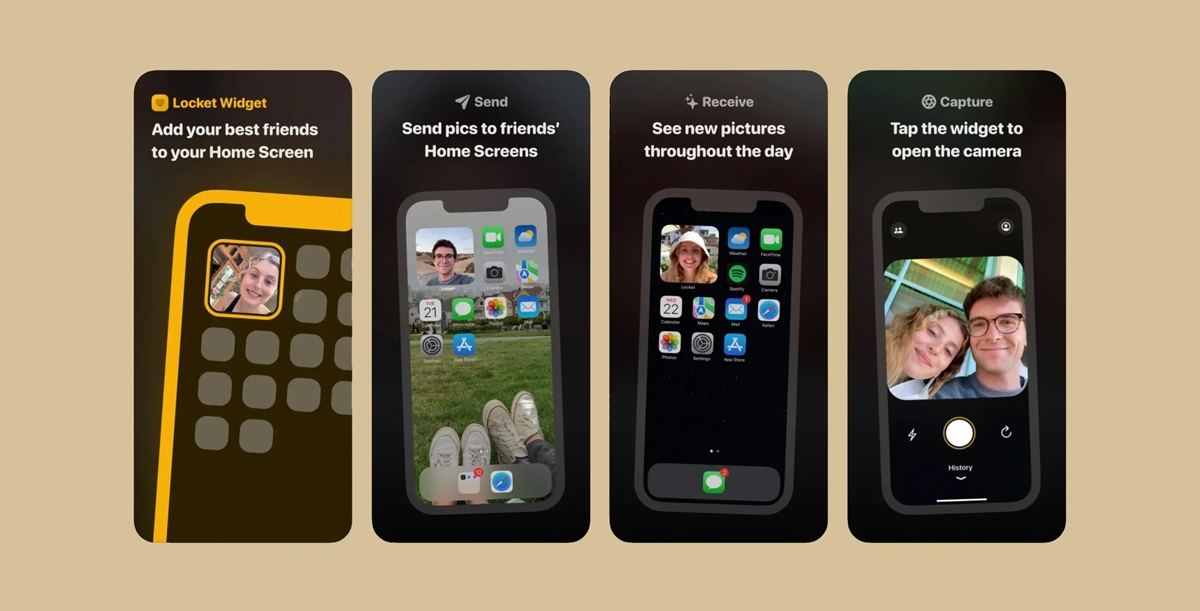
One notable photo-sharing widget that has gained significant attention is the Locket Photo-Sharing Widget. It offers a user-friendly interface and a range of features that cater to both novice and experienced users. From customizable layouts to advanced privacy settings, Locket provides a comprehensive platform for photo enthusiasts to express themselves.
The rise of photo-sharing widgets like Locket has revolutionized the way people interact with photos online. Gone are the days of laboriously uploading and sharing images individually. Photo-sharing widgets have simplified this process, allowing users to share their photos seamlessly with just a few clicks.
By enabling users to embed their photos on multiple platforms, photo-sharing widgets have also fostered a sense of community. Users can engage with others by commenting, liking, and sharing photos, creating a dynamic and interactive experience. This sense of connection and engagement has contributed to the widespread popularity of photo-sharing widgets.
Overview of Locket Photo-Sharing Widget
The Locket Photo-Sharing Widget has been making waves in the world of photo sharing due to its innovative and user-friendly features. Developed with simplicity and convenience in mind, Locket allows users to upload, organize, and share their photos effortlessly.
One of the standout features of Locket is its customizable layouts. Users have the flexibility to choose from a variety of stunning templates that suit their personal style and the story they wish to convey. Whether it’s a travel adventure, a family gathering, or a stylish portfolio, Locket offers layouts that beautifully showcase each photo.
Another notable feature of Locket is its user-friendly interface. Even those new to the world of photo sharing can easily navigate the platform. Uploading photos is a breeze, and organizing them into albums or categories can be done with just a few clicks.
Privacy is a significant concern for users when it comes to sharing photos online. Locket prioritizes privacy by offering robust privacy settings. Users can choose who can view their photos, whether it’s restricted to friends or shared with the public. This level of control gives users peace of mind when sharing their precious memories.
In addition to privacy settings, Locket also provides an option for users to add captions and tags to their photos. This allows users to provide context and additional information about each photo, enhancing the storytelling aspect of photo sharing.
Locket is also compatible with various platforms, including social media platforms and websites. Users can easily embed their Locket photos into their blog posts, websites, or share them directly on social media platforms. This cross-platform compatibility further enhances the reach and visibility of shared photos.
Beyond the basic features, Locket also offers advanced options for photo editing and filters. Users can enhance their photos, adjust lighting and color settings, and apply filters to achieve the desired aesthetic effect.
Overall, Locket Photo-Sharing Widget stands out as a user-friendly and feature-rich platform that allows users to seamlessly upload, organize, and share their photos. With its customizable layouts, privacy settings, and compatibility with various platforms, Locket provides a comprehensive photo-sharing experience for users of all levels of expertise.
The Appeal of Locket Photo-Sharing Widget
The Locket Photo-Sharing Widget has garnered a strong following with its unique appeal and attractive features. Users are drawn to Locket for several reasons, including its user-friendly interface, customization options, and seamless integration with social media platforms.
One of the main appeals of Locket is its intuitive and user-friendly interface. It provides a streamlined experience, allowing users to easily navigate through the platform and upload their photos with minimal hassle. Locket’s interface has been designed to be accessible to both beginners and experienced photo enthusiasts, making it an appealing option for photographers of all skill levels.
Another key aspect that draws users to Locket is its extensive customization options. Users can choose from a wide range of customizable layouts, allowing them to showcase their photos in a way that aligns with their personal style and creative vision. Whether users want a clean and minimalist look or a bold and vibrant display, Locket has a layout to match every preference.
Additionally, Locket’s seamless integration with social media platforms is a major appeal for users who want to expand the reach of their photos. With just a few clicks, users can share their Locket photos on popular social media networks, allowing them to engage with a wider audience and receive feedback and appreciation for their work.
The privacy options offered by Locket also greatly contribute to its appeal. Users have full control over who can view their photos, ensuring that they can share their memories with only their intended audience. This privacy-centric approach is particularly appealing to those who value keeping their personal moments and photos private and secure.
Furthermore, Locket’s convenience factor plays a significant role in its appeal. Uploading and organizing photos is made simple and efficient, saving users valuable time and effort. This convenience extends beyond just the initial uploading process; Locket allows users to easily organize their photos into albums and categories, making it effortless to manage and present their visual stories.
Overall, the appeal of Locket Photo-Sharing Widget lies in its user-friendly interface, customization options, seamless integration with social media platforms, and privacy-focused approach. By providing a platform that is both accessible and customizable, Locket has become a top choice for individuals looking to share their photos online in a beautiful and convenient manner.
Privacy Concerns Surrounding Locket Photo-Sharing Widget
While the Locket Photo-Sharing Widget offers a range of appealing features, it is not immune to privacy concerns. Like any photo-sharing platform, Locket raises valid questions about the security and control of shared photos.
One primary concern is the potential for unauthorized access to personal photos. The internet is fraught with privacy breaches, and users may worry about their photos falling into the wrong hands. It is important for users to understand the security measures in place and take necessary precautions to safeguard their photos.
Another consideration is the visibility of shared photos. With its integration into social media platforms, there is a risk that photos shared on Locket may become accessible to a larger audience beyond the intended recipients. Users should be cautious about their privacy settings and regularly review who can view their photos to mitigate this risk.
Furthermore, the issue of data ownership and usage arises when using a third-party platform like Locket. Users may be concerned about the ownership and control of their photos once uploaded to the platform. It is crucial to review the terms of service and privacy policies to understand how Locket handles user data and ensure that it aligns with individual privacy preferences.
Additionally, Locket relies on internet connectivity to function effectively. This reliance can lead to concerns about the safety and privacy of shared photos if network vulnerabilities or data breaches occur. It is advisable for users to use secure networks and employ encryption measures to protect their data while using Locket.
Lastly, the potential for unintentional information disclosure is a concern. Users may inadvertently provide sensitive or personal information through captions, tags, or descriptions accompanying their photos. It is essential to exercise caution when sharing such details to prevent any inadvertent privacy breaches.
While Locket takes measures to address these privacy concerns through customizable privacy settings, users must play an active role in protecting their privacy. By understanding the platform’s security features, optimizing privacy settings, and being mindful of the information shared, users can minimize risks and enjoy a safer photo-sharing experience.
Impact on Social Relationships
The proliferation of photo-sharing platforms like Locket has had a profound impact on social relationships. While these platforms provide opportunities for connection and self-expression, they also raise important considerations about how they influence and shape our interactions with others.
One significant impact is the ability to connect and share with a wider audience. Photo-sharing widgets like Locket allow users to reach friends, family, and even strangers across the globe. This expanded reach has the potential to strengthen relationships by fostering a sense of closeness, even when physical distance separates individuals.
On the other hand, the constant sharing of photos can also lead to a sense of social comparison. Seeing others’ carefully curated and seemingly perfect photos can create feelings of inadequacy or the pressure to create equally impressive content. This can strain relationships, as the focus shifts from genuine connection to seeking validation or competing with others.
Moreover, the ease of sharing photos on platforms like Locket can blur the boundaries between public and private life. Users may inadvertently reveal intimate or sensitive details about themselves or others through their photos, impacting personal relationships. It becomes essential to strike a balance between sharing moments and respecting the privacy and consent of those involved.
Another potential impact on social relationships is the phenomenon of “being present but not fully present.” Users may be physically present in social settings, but their attention is divided as they focus on capturing and sharing photos. This can hinder meaningful interactions and detract from the quality of face-to-face connections.
Additionally, the instant feedback and engagement generated by photo-sharing platforms can affect relationships. Users may find themselves craving validation and approval through likes and comments, leading to a dependence on external affirmation. This can strain relationships if the focus shifts from genuine connection to seeking validation or maintaining the appearance of a perfect life.
It is crucial to remain mindful of the ways in which photo-sharing widgets can impact social relationships. Engaging in open and honest conversations, setting boundaries around sharing, and prioritizing in-person interactions can help maintain the authenticity and depth of relationships.
The Dilemma of Balancing Social and Privacy
In the age of photo-sharing widgets like Locket, individuals face a dilemma when it comes to balancing their desire for social connection with the need for privacy. While these platforms offer an opportunity to connect and share with others, concerns about privacy and the potential for oversharing can create a delicate balancing act.
On one hand, sharing photos allows individuals to express themselves, share experiences, and connect with friends, family, and even new acquaintances. It provides a medium for self-expression and fosters a sense of community. By sharing moments and memories, individuals can build and strengthen relationships, create shared experiences, and feel a sense of belonging.
On the other hand, there is a growing awareness of the importance of privacy in the digital age. As information becomes more accessible, individuals are becoming more cautious about what they share and with whom. The desire for privacy is a natural response to maintaining control over personal information and protecting oneself from potential risks and vulnerabilities.
The dilemma lies in finding a balance between the benefits of social connection and the need for personal privacy. It requires individuals to carefully consider what they share, how they share it, and who they share it with. It involves making conscious choices about privacy settings, being mindful of the potential audience, and evaluating the potential consequences of sharing personal or sensitive information.
Striking a balance also involves setting boundaries. By establishing clear guidelines for oneself, such as what is appropriate to share and what should be kept private, individuals can navigate the space between social connection and privacy. This may involve carefully curating content, only sharing with trusted individuals, or being selective about the platforms used for sharing.
Furthermore, it is vital to respect the privacy and consent of others when sharing photos. Obtaining permission from individuals included in the photos and being mindful of their comfort levels is essential. Respecting boundaries helps maintain trust and strengthens social relationships.
Ultimately, the dilemma of balancing social connection and privacy is a personal choice. It requires self-reflection, awareness of the potential risks and benefits, and an understanding of one’s own comfort level. By finding a middle ground that respects both social needs and privacy concerns, individuals can navigate the world of photo-sharing widgets in a way that aligns with their values and preferences.
Locket Photo-Sharing Widget: A Case Study in Privacy Breach
The Locket Photo-Sharing Widget, like any other online platform, is not exempt from privacy breaches. While Locket takes steps to prioritize user privacy, there have been instances where vulnerabilities have led to unauthorized access and potential data breaches.
One notable case involving Locket occurred in 2019 when a group of hackers exploited a security vulnerability in the platform’s servers. This breach resulted in personal photos and sensitive information being exposed to the public. The incident raised concerns about the security measures in place and prompted Locket to strengthen its security protocols.
The privacy breach had significant repercussions for affected users. Personal photos, previously thought to be private, were exposed to a wider audience without consent. This led to feelings of violation and an invasion of personal privacy. Additionally, the breach highlighted the importance of carefully considering the platforms used for photo sharing and the potential risks involved.
In response to the breach, Locket implemented enhanced security measures. This included bolstering encryption protocols, increasing server firewalls, and conducting regular security audits to identify and address any vulnerabilities. Locket also updated its privacy policy, providing users with greater transparency regarding how their data is handled and stored.
While Locket took immediate action to rectify the situation and improve security, the incident serves as a reminder of the potential risks associated with online photo sharing. It reinforces the importance of remaining vigilant, using strong and unique passwords, and regularly reviewing and updating privacy settings.
Furthermore, the case study underscores the need for users to be proactive in safeguarding their privacy. It is crucial to stay informed about data breaches, monitor accounts for any suspicious activity, and report any potential security concerns to the platform. By taking an active role in protecting personal information, users can mitigate the risks of privacy breaches and maintain a greater sense of control over their shared content.
Overall, the privacy breach involving the Locket Photo-Sharing Widget served as a wake-up call for both the platform and its users. It prompted a reevaluation of security practices and reinforced the importance of individual responsibility in protecting personal privacy. By learning from such incidents, Locket and its users can strive to create a safer environment for photo sharing and foster a greater sense of trust in the platform.
The Evolution of Privacy Settings in Locket Photo-Sharing Widget
Privacy settings play a crucial role in ensuring that users have control over the visibility and accessibility of their shared photos on the Locket Photo-Sharing Widget. Over the years, Locket has gone through an evolution of privacy settings to address user concerns and enhance the level of privacy and security offered by the platform.
In the early stages of Locket’s development, the privacy settings were somewhat limited. Users had the option to choose between two broad categories: making their photos public or restricting them to approved friends. While this provided some level of control, it did not offer the nuanced granularity that many users desired.
As user demands for more control over their shared content increased, Locket responded by introducing more extensive privacy settings. Users can now customize the visibility and accessibility of their photos by utilizing features such as private accounts, friend lists, and photo-specific privacy settings.
Private accounts have become a fundamental feature of Locket’s privacy settings. By setting an account to private, users can restrict access to their shared photos to approved followers only. This gives users more control over who can view and interact with their photos, providing a higher level of privacy and security.
In addition to private accounts, Locket introduced friend lists as a way to categorize connections and further refine privacy settings. With friend lists, users can create groups like “Close Friends” or “Acquaintances” and assign specific privacy settings to each list. This allows users to share different photos with different groups of people, ensuring a more customized and personalized sharing experience.
Furthermore, Locket has implemented photo-specific privacy settings. Users can now choose who can view each photo they upload, providing maximum flexibility and control over individual photos. This fine-grained level of privacy control allows users to tailor their privacy settings to match the sensitivity or intended audience of each photo.
Locket has also made strides in addressing user concerns about data security and protection. With increased focus on encryption protocols, secure server storage, and regular security audits, Locket aims to provide a safer and more secure environment for users to share their photos while protecting their personal information.
It is important to note that privacy settings are an ongoing and evolving aspect of Locket’s development. As user needs and industry standards change, Locket continues to improve and adapt its privacy settings to meet the demands for greater control, enhanced privacy, and enhanced security.
Tips for Safeguarding Your Privacy while Using Locket Photo-Sharing Widget
While Locket Photo-Sharing Widget prioritizes user privacy, it is essential for individuals to take proactive steps to safeguard their personal information and ensure a secure photo-sharing experience. Here are some valuable tips to help protect your privacy while using Locket:
1. Review and Customize Privacy Settings: Take the time to familiarize yourself with Locket’s privacy settings. Adjust them according to your comfort level and the intended audience for your shared photos. Regularly review and update these settings as needed.
2. Utilize Private Account Settings: Set your Locket account to private to restrict access to approved followers only. This ensures that only trusted individuals can view your shared photos and interact with them.
3. Be Mindful of Followers: Carefully consider who you approve as followers on Locket. Be discerning in accepting friend requests and ensure that they are people you know and trust. Avoid approving requests from unfamiliar or suspicious accounts.
4. Control Visibility with Friend Lists: Utilize Locket’s friend list feature to categorize your connections and customize privacy settings for different groups. Create lists such as “Close Friends” or “Family” to ensure that your shared photos are visible only to specific groups of trusted individuals.
5. Be Selective with Photo Sharing: Before sharing a photo, consider its sensitivity and the potential impact on your privacy. Be mindful of what you share and think twice before posting photos that may reveal sensitive details or compromise your personal security.
6. Regularly Monitor and Adjust Privacy Settings: Stay vigilant by periodically reviewing and adjusting your privacy settings on Locket. As your preferences and needs evolve, make sure your settings align with your desired level of privacy and security.
7. Stay Informed about Updates and Security Measures: Keep yourself updated on the latest information regarding Locket’s security measures and privacy policies. Stay informed about any updates or changes that may impact your privacy and take necessary actions accordingly.
8. Be Cautious with Caption and Tagging: Exercise caution when adding captions or tags to your photos. Avoid including personal or sensitive information that could compromise your privacy. Think about the potential implications before providing any additional context to your shared photos.
9. Use Unique and Strong Passwords: Choose a strong and unique password for your Locket account. Avoid using easily guessed passwords or reusing passwords from other accounts. Enable two-factor authentication for an added layer of security.
10. Report Suspicious Activity: If you notice any suspicious activity or suspect a privacy breach, report it to Locket’s support team immediately. Prompt action can help mitigate the impact and protect your privacy.
By following these tips, you can enhance your privacy while using Locket Photo-Sharing Widget and ensure a safe and secure photo-sharing experience.