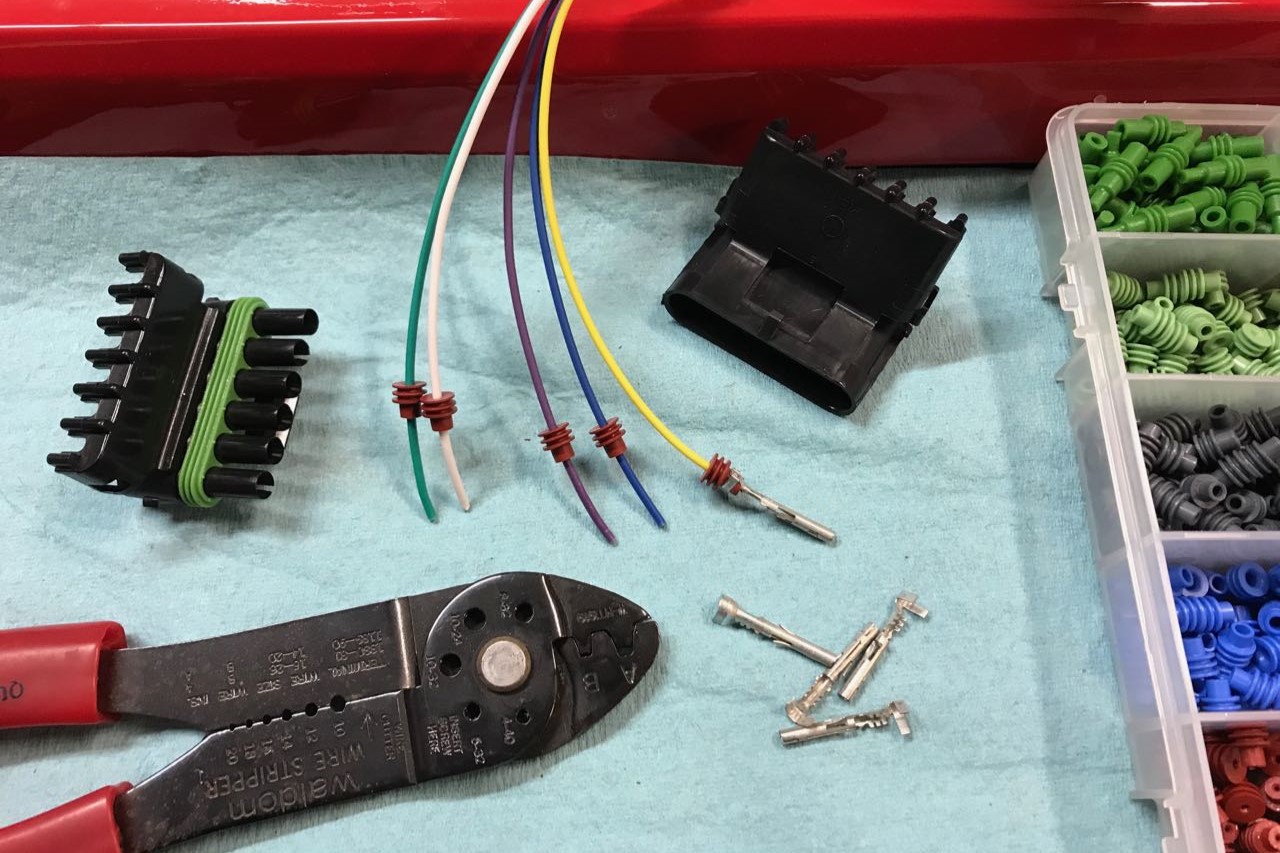
What are Weatherpack Connectors?
Weatherpack connectors, also known as weather-resistant connectors, are a type of electrical connector commonly used in automotive and marine applications. These connectors are designed to provide a secure and reliable electrical connection that is resistant to environmental factors such as moisture, dust, and vibration. They are particularly well-suited for use in vehicles and other outdoor equipment where exposure to harsh weather conditions is a concern.
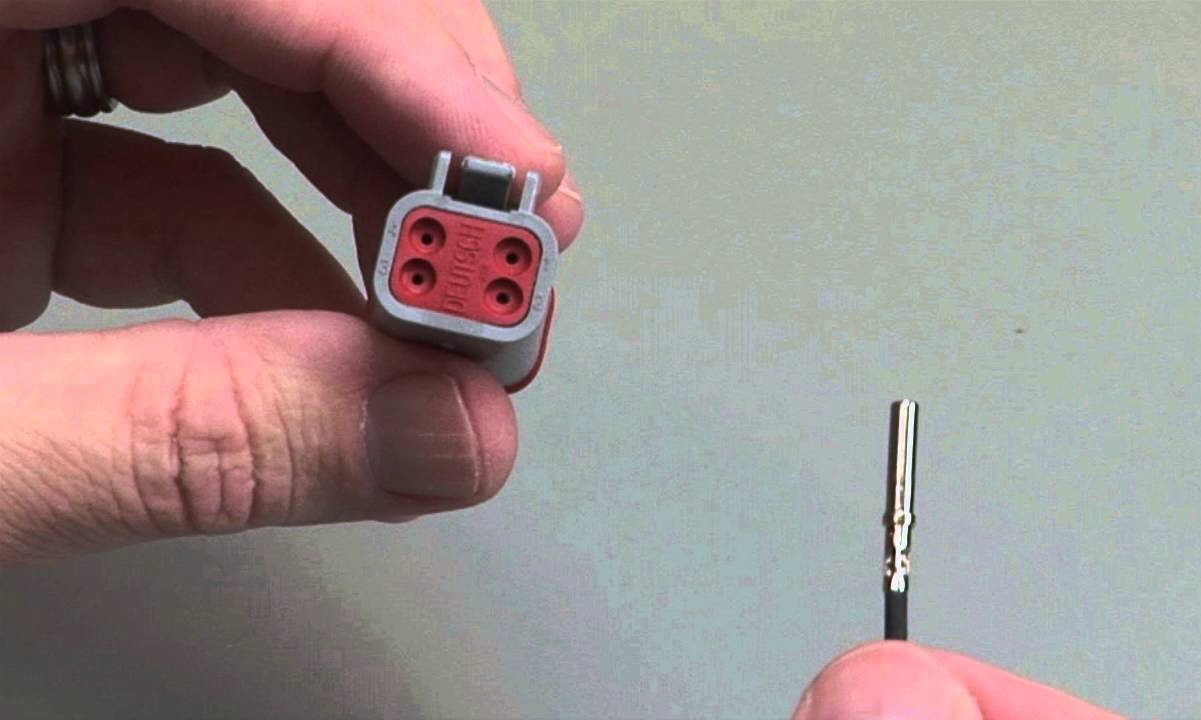
Weatherpack connectors consist of male and female connector bodies, each equipped with multiple terminal sockets. These sockets are surrounded by soft, silicone seals that provide a watertight connection when mated. The connectors are designed to withstand a wide range of temperatures and are resistant to corrosion, making them ideal for use in demanding environments.
One of the key features of Weatherpack connectors is their modular design, which allows for easy customization and assembly. The connectors can be configured with different numbers of terminals to accommodate various electrical requirements, and their compact size makes them suitable for use in tight spaces.
Overall, Weatherpack connectors offer a reliable and durable solution for electrical connections in challenging environments, making them a popular choice in the automotive, marine, and industrial sectors.
Benefits of Using Weatherpack Connectors
Weatherpack connectors offer several key benefits that make them a preferred choice for applications requiring weather-resistant electrical connections:
- Weather Resistance: The primary advantage of Weatherpack connectors is their ability to withstand harsh environmental conditions. They are designed to provide a secure and watertight connection, making them ideal for use in outdoor and automotive settings where exposure to moisture, dirt, and vibration is a concern.
- Reliability: Weatherpack connectors are known for their reliability in maintaining electrical connections. The silicone seals surrounding the terminals ensure that the connections remain stable and free from corrosion, even in challenging environments.
- Customization: These connectors offer a high degree of customization, allowing users to configure them with the desired number of terminals to meet specific electrical requirements. This flexibility makes them suitable for a wide range of applications.
- Easy Installation: Weatherpack connectors are designed for straightforward installation, with a simple crimping process that enables quick and secure connections. This ease of installation reduces the time and effort required for wiring tasks.
- Durability: The robust construction of Weatherpack connectors ensures their durability and longevity. They are capable of withstanding temperature variations and mechanical stress, making them a reliable choice for long-term use.
Overall, the benefits of using Weatherpack connectors make them an excellent option for applications where dependable and weather-resistant electrical connections are essential.
Tools and Materials Needed for Crimping Weatherpack Connectors
Before beginning the crimping process for Weatherpack connectors, it’s essential to gather the necessary tools and materials to ensure a successful and reliable connection. The following items are required for crimping Weatherpack connectors:
- Weatherpack Connector Kit: A Weatherpack connector kit typically includes male and female connector bodies, terminal sockets, and silicone seals. These kits are available in various configurations to accommodate different numbers of terminals.
- Wire Strippers: High-quality wire strippers are essential for accurately removing the insulation from the wires, ensuring a clean and proper connection to the terminals.
- Terminal Crimping Tool: A specialized terminal crimping tool designed for Weatherpack connectors is necessary to achieve precise and secure crimps. These tools are engineered to apply the proper amount of pressure to create reliable electrical connections.
- Heat Gun or Torch: To seal the silicone seals and provide additional weather resistance, a heat gun or torch can be used to carefully heat the seals after crimping. This step helps to create a secure and waterproof connection.
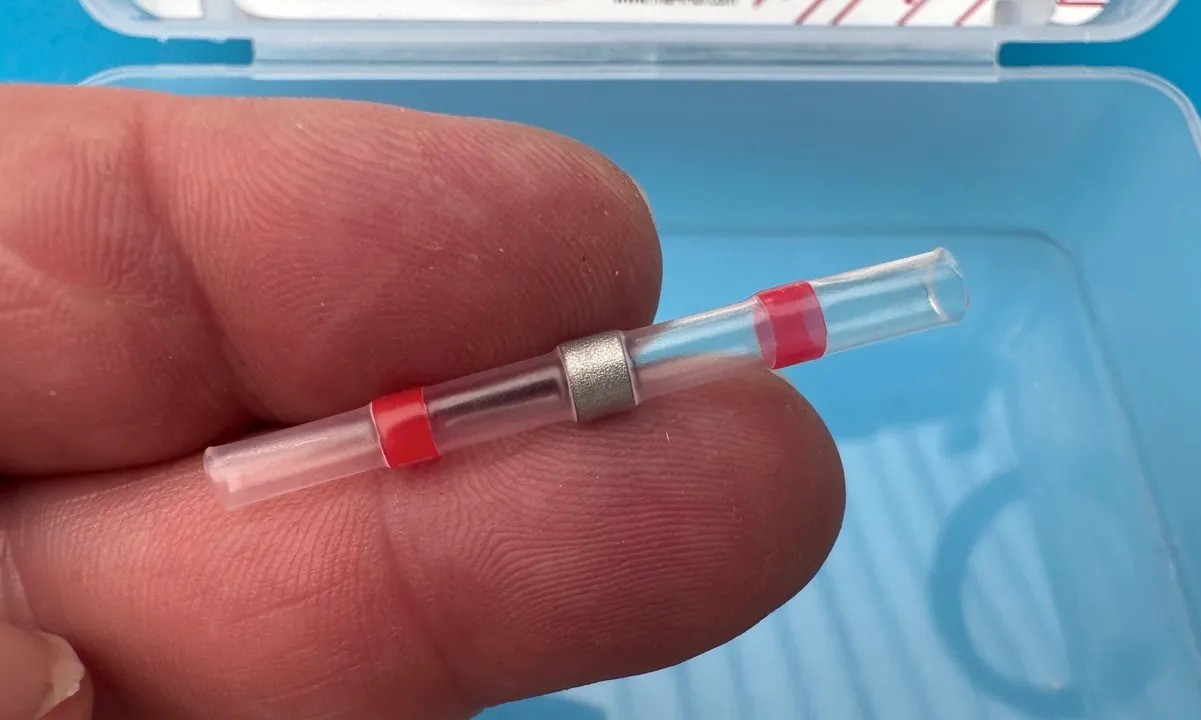
- Electrical Tape or Heat Shrink Tubing: After crimping the terminals and sealing the silicone seals, electrical tape or heat shrink tubing can be used to further protect the connections from moisture and environmental elements.
- Wire Cutters: Precision wire cutters are necessary for trimming the wires to the appropriate length and ensuring a clean and professional finish to the installation.
- Wire and Connectors: High-quality wire and appropriately sized connectors are essential for creating reliable electrical connections. It is important to use the correct gauge of wire and compatible connectors for the specific application.
By ensuring that these tools and materials are readily available, individuals can effectively prepare for the crimping process and achieve durable and weather-resistant connections using Weatherpack connectors.
Step-by-Step Guide on Crimping Weatherpack Connectors
Crimping Weatherpack connectors requires precision and attention to detail to ensure reliable and weather-resistant electrical connections. Follow these step-by-step instructions for crimping Weatherpack connectors:
- Prepare the Wires: Strip the insulation from the ends of the wires using wire strippers, exposing the bare conductors. Ensure that the stripped length is appropriate for the connector size.
- Assemble the Connector: Insert the terminal sockets into the connector bodies, ensuring that the silicone seals are in place and properly seated within the connector housing. Arrange the terminals according to the wiring diagram or configuration requirements.
- Position the Wire: Place the stripped end of the wire into the terminal socket, ensuring that the conductor is fully inserted and making solid contact with the terminal. It is essential to use the correct size of terminal socket for the wire gauge.
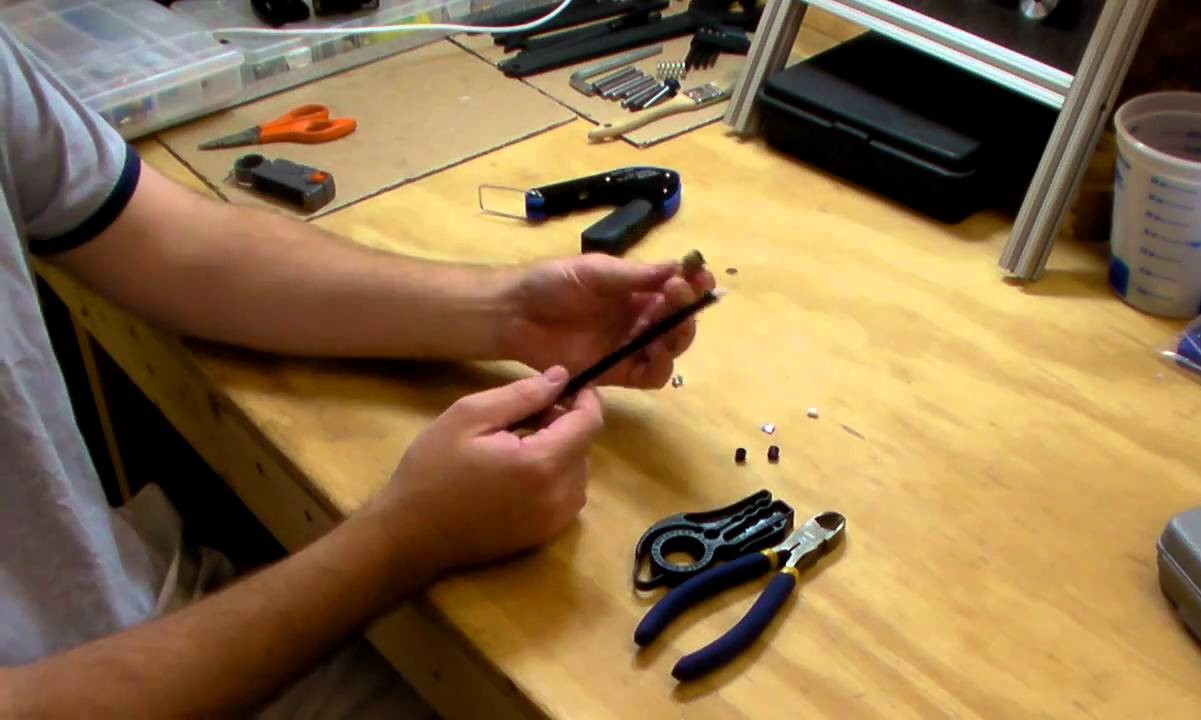
- Crimp the Terminal: Utilize a specialized terminal crimping tool designed for Weatherpack connectors to crimp the terminal onto the wire. Apply firm and even pressure to create a secure and reliable connection. Repeat this process for each wire and terminal socket.
- Seal the Connection: After crimping the terminals, use a heat gun or torch to carefully heat the silicone seals around the terminals. This step ensures that the connection is watertight and provides additional weather resistance.
- Inspect the Connection: Visually inspect each crimped connection to ensure that the wires are securely attached to the terminals and that the silicone seals are properly sealed. Verify that there are no exposed conductors or gaps in the seals.
- Secure the Wires: Once the connections are inspected, use electrical tape or heat shrink tubing to protect and secure the crimped connections. This additional layer of protection enhances the durability and weather resistance of the connections.
By following these steps carefully and using the appropriate tools and materials, individuals can effectively crimp Weatherpack connectors to create reliable and weather-resistant electrical connections for various applications.
Testing and Inspecting Crimped Weatherpack Connectors
After crimping Weatherpack connectors, it is crucial to perform thorough testing and inspection to ensure the reliability and weather resistance of the electrical connections. The following steps outline the testing and inspection process for crimped Weatherpack connectors:
- Electrical Continuity Test: Use a multimeter to perform an electrical continuity test on each crimped connection. This test verifies that there is a continuous electrical path between the wires and the terminals, ensuring that the connections are properly established.
- Pull Test: Apply gentle but firm tension to the wires near the crimped connections to perform a pull test. The crimped terminals should remain securely attached to the wires without any signs of loosening or detachment. This test helps assess the mechanical strength of the crimps.
- Visual Inspection: Thoroughly inspect each crimped connection visually, ensuring that the wires are fully seated in the terminal sockets and that the crimps are uniform and secure. Check for any signs of exposed conductors, uneven crimps, or damage to the silicone seals.
- Seal Integrity Check: Examine the silicone seals surrounding the terminals to verify that they are intact and effectively sealed. There should be no gaps or damage to the seals that could compromise the weather resistance of the connections.
- Resistance to Environmental Factors: Consider simulating environmental conditions that the connectors may encounter, such as exposure to water, dust, or vibration. Assess the connectors’ ability to withstand these factors and maintain their integrity under simulated environmental stress.
By conducting these tests and inspections, individuals can verify the quality and reliability of the crimped Weatherpack connectors, ensuring that they are well-suited for their intended application and capable of withstanding demanding environmental conditions.
Tips for Ensuring Weather Resistance of Crimped Weatherpack Connectors
Ensuring the weather resistance of crimped Weatherpack connectors is essential for maintaining reliable electrical connections in challenging environments. The following tips can help enhance the weather resistance of crimped Weatherpack connectors:
- Proper Crimping Technique: Utilize a high-quality terminal crimping tool specifically designed for Weatherpack connectors to ensure precise and uniform crimps. Proper crimping technique is crucial for creating secure electrical connections that are resistant to moisture and environmental elements.
- Seal Inspection: Thoroughly inspect the silicone seals surrounding the terminals after crimping to ensure that they are fully intact and properly sealed. Any damage or gaps in the seals can compromise the weather resistance of the connectors.
- Use of Sealant: Consider applying a specialized sealant or adhesive to the crimped connections to provide an additional layer of protection against moisture and environmental contaminants. This extra sealant can further enhance the weather resistance of the connectors.
- Heat Shrink Tubing: Utilize heat shrink tubing to encapsulate the crimped connections, providing an effective barrier against moisture and mechanical stress. Heat shrink tubing can offer an added level of protection, particularly in applications where the connectors are exposed to harsh conditions.
- Regular Maintenance: Implement a regular maintenance schedule to inspect and maintain crimped Weatherpack connectors. Periodic inspections can help detect any signs of wear, damage, or degradation of the weather-resistant features, allowing for timely repairs or replacements as needed.
- Environmental Considerations: When installing crimped Weatherpack connectors, carefully consider the specific environmental factors the connectors will be exposed to. Select connectors and sealing methods that are well-suited for the anticipated environmental conditions to ensure long-term weather resistance.
By implementing these tips and best practices, individuals can effectively enhance the weather resistance of crimped Weatherpack connectors, ensuring that they remain reliable and durable in the face of challenging outdoor and automotive environments.