The Science behind Car Key Locators
Have you ever found yourself frantically searching for your car keys, only to discover them hiding in the most unexpected places? It can be a frustrating experience that wastes valuable time and causes unnecessary stress. Fortunately, advancements in technology have led to the development of car key locators, devices designed to help you locate your keys quickly and efficiently.
The science behind car key locators is relatively simple yet incredibly effective. These handy devices utilize a combination of radio frequency (RF) technology and soundwaves to aid in the search for misplaced keys. RF technology allows the key locator to establish a wireless connection with your car keys, enabling you to track their location within a certain range.
Once the connection is established, the key locator emits a series of soundwaves that are transmitted to your keys. These soundwaves trigger a response from the built-in speaker in your keys, causing them to emit a distinct beeping sound or even flash a light, making it much easier to locate them. Some key locators also come with a smartphone app that provides additional features, such as mapping the approximate location of your keys and sending notifications when they are within range.
The effectiveness of car key locators is primarily dependent on the range of the RF signal and the sensitivity of the receiver in your keys. The range can vary from a few feet to several hundred feet, depending on the model and brand of the key locator. It is important to note that obstacles like walls or other electronic devices can inhibit the signal, reducing the range and potentially affecting the accuracy of the device.
In addition to RF technology, some car key locators incorporate advanced features like Bluetooth connectivity and GPS tracking. Bluetooth-enabled locators allow you to connect your keys to your smartphone or other devices, providing real-time updates on their location and even enabling you to activate an alarm sound if they are lost. GPS-enabled locators, on the other hand, utilize satellite technology to pinpoint the exact geographic coordinates of your keys, offering even more precise tracking.
The science behind car key locators continues to evolve, and manufacturers are constantly improving their technology to enhance the accuracy and convenience of these devices. With the advancements in wireless and tracking technologies, the future of car key locators looks promising, promising even more efficient and effective ways to locate your keys in the blink of an eye.
How Car Key Locators Work
Car key locators are ingenious devices that use a combination of technologies to help you find your misplaced car keys. While different models may vary in their specific features and functionalities, they generally operate using a similar principle.
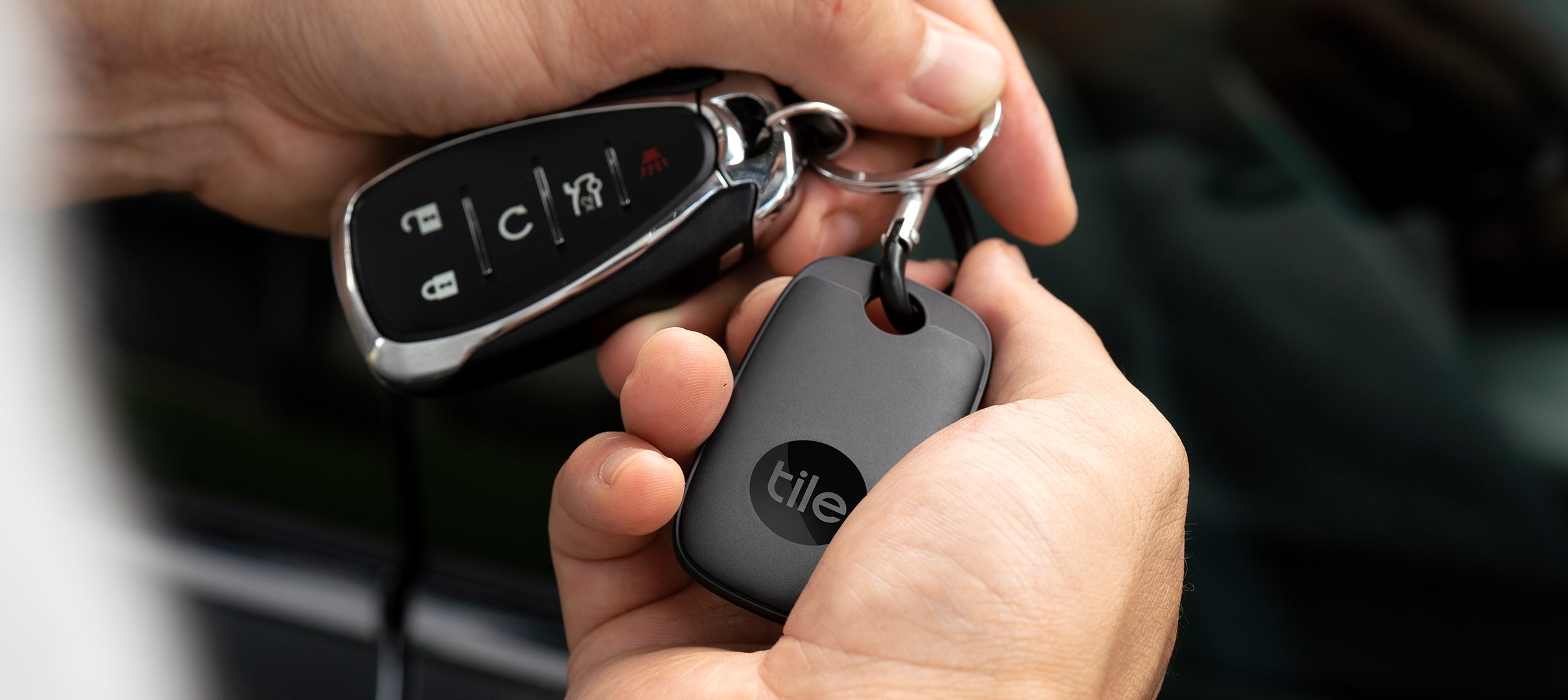
The first step in understanding how car key locators work is to acknowledge that they consist of two components: the key locator itself and a receiver that is embedded in your car keys. The key locator is typically a small handheld device or a smartphone app, while the receiver is a small electronic module that is attached to your car keys.
When you misplace your keys, you simply activate the key locator by pressing a button or using the app on your smartphone. The key locator then sends out a signal, which is usually a radio frequency (RF) signal or a Bluetooth signal, to establish a connection with the receiver in your keys.
Once the connection is established, the key locator and the receiver work together to help you locate your keys. One common method is through sound-based signaling. In this approach, the key locator emits a series of soundwaves that are transmitted to your keys. When your keys receive these soundwaves, they activate a built-in speaker that emits a distinct beeping sound. This sound helps you locate your keys by following the sound to its source.
Some car key locators also utilize visual cues to aid in the search for your keys. For example, the receiver in your keys may have built-in LEDs that can flash or change color when a signal is received from the key locator. This visual feedback makes it easier to spot your keys in dimly lit or cluttered areas.
Another technology often used in car key locators is proximity-based signaling. This is achieved by measuring the strength of the signal between the key locator and the receiver in your keys. As you move closer to your keys, the signal strength increases, and vice versa. The key locator uses this information to provide a more accurate estimation of the distance between you and your keys, guiding you in the right direction.
It’s worth noting that the range of car key locators can vary depending on the model and brand. Some may have a range of only a few meters, while others can reach several hundred meters. However, obstacles like walls or other electronic devices can interfere with the signal and reduce its effectiveness.
Different Types of Car Key Locators
Car key locators come in various types, each offering unique features and functionalities to help you find your misplaced keys. Understanding the different types can help you choose the right one that suits your needs and preferences.
1. Radio Frequency (RF) Key Locators: These are the most common types of car key locators and operate by establishing a wireless connection between the key locator and the receiver in your keys. They emit soundwaves or use visual cues to guide you towards your keys within a certain range.
2. Bluetooth Key Locators: These key locators utilize Bluetooth technology to connect to your smartphone or other devices. They offer additional features such as real-time location tracking, two-way communication between your phone and the keys, and the ability to activate an alarm on your keys to help you find them more easily.
3. GPS Key Locators: GPS-enabled key locators use satellite technology to provide accurate and precise tracking of your keys. They can pinpoint the exact geographic coordinates of your keys, allowing you to locate them on a map through a dedicated app on your smartphone or computer.
4. App-Based Key Locators: Some car key locators rely solely on smartphone apps for tracking and locating your keys. These apps often use a combination of technologies like Bluetooth and GPS to establish a connection with your keys and provide real-time updates on their location.
5. Combination Key Locators: There are also key locators available that combine multiple technologies for enhanced functionality. For example, some models may incorporate both RF and Bluetooth technology, allowing you to use them in different scenarios and environments.
When choosing a car key locator, consider factors such as the range of the locator, battery life, ease of use, and any additional features that may be important to you. It’s also essential to ensure compatibility between the key locator and your car keys to guarantee seamless operation.
Remember that each type of car key locator has its own strengths and limitations, so it’s crucial to assess your specific requirements and choose the one that aligns best with your needs. Whether you opt for an RF key locator for its simplicity or a GPS-enabled one for precise tracking, these devices are sure to offer you peace of mind and save you valuable time when searching for your misplaced car keys.
Pros and Cons of Using Car Key Locators
Car key locators have become increasingly popular due to their ability to help people locate their misplaced keys quickly and efficiently. However, like any technology, they come with their own set of pros and cons that should be considered before making a purchase decision.
Pros:
- Convenience: Car key locators offer a convenient solution to the age-old problem of searching for lost keys. With just a press of a button or a few taps on an app, you can easily locate your keys, saving you time and frustration.
- Time-saving: Searching for lost keys can be a time-consuming task that can disrupt your daily routine. Car key locators help minimize the time spent on this task, allowing you to focus on more important things.
- Peace of mind: Knowing that you have a reliable method for finding your keys can provide peace of mind, reducing stress and anxiety associated with misplaced items.
- Additional features: Many car key locators come with additional features, such as smartphone integration, two-way communication, and even alarm activation. These features enhance the overall functionality and usability of the device.
- Compatibility: Car key locators are designed to be compatible with various car key models, making them a versatile solution for different vehicles.
Cons:
- Limited range: The range of car key locators can vary depending on the model and brand. Some may have a limited range, which means you need to be within a certain distance to establish a connection and locate your keys.
- Signal interference: Obstacles such as walls or electronic devices can interfere with the signal, affecting the accuracy and effectiveness of the key locator.
- Battery life: Car key locators rely on batteries to function, and their battery life can vary. It’s important to keep an eye on the battery level and ensure it is charged or replaced as needed to avoid any inconvenience when trying to locate your keys.
- Initial setup: Setting up a car key locator may require some initial configuration, such as pairing it with your keys or installing a smartphone app. While the setup process is usually straightforward, it may take some time and effort.
- Cost: The price of car key locators can vary depending on the features and brand. Higher-end models with more advanced features may come with a higher price tag.
It’s essential to consider these pros and cons when deciding whether to invest in a car key locator. Assessing your specific needs, budget, and lifestyle can help you make an informed decision about whether this technology is right for you.
Factors to Consider When Choosing a Car Key Locator
When it comes to selecting a car key locator, it’s important to consider several factors to ensure that you choose the right device that meets your needs and preferences. Here are some key factors to consider when making your decision:
1. Range: The range of the car key locator is crucial as it determines the distance within which you can establish a connection with your keys. Consider the size of your home, office, or other frequently visited places to determine the range that suits your requirements.
2. Connectivity: Car key locators use different connectivity options like radio frequency (RF), Bluetooth, or GPS. It’s important to choose a device that is compatible with your car keys and offers a reliable and stable connection.
3. Battery Life: Check the battery life of the car key locator. Longer battery life ensures that the device remains operational for extended periods, reducing the frequency of recharging or replacing batteries.
4. Durability: Consider the durability and build quality of the car key locator. Since you’ll likely be carrying it with you or attaching it to your keys, it should be able to withstand daily wear and tear without easily getting damaged.
5. User-Friendliness: Look for a car key locator that is easy to use and has a user-friendly interface. The device should have clear instructions and intuitive controls that make it effortless to locate your keys.
6. Additional Features: Consider any additional features offered by the car key locator. Some devices may include features like two-way communication, smartphone integration, or alarm activation, adding extra convenience and functionality.
7. Compatibility: Ensure that the car key locator is compatible with your car keys. Some locators may only work with specific key types or models, so double-check that it will be compatible with your keys.
8. Price: Set a budget and consider the price range of different car key locators. Higher-priced models often come with additional features or longer ranges, but it’s important to assess whether these features are necessary for your specific needs.
9. Customer Reviews: Read customer reviews and ratings of the car key locator you’re considering. This can provide valuable insights into the device’s performance, reliability, and overall user satisfaction.
Remember, everyone’s requirements may vary, so evaluate these factors based on your particular needs and preferences. Taking the time to research and compare different car key locators will help you find the perfect device that suits your lifestyle and ensures you can easily locate your misplaced keys.
Case Studies: Real-Life Experiences with Car Key Locators
To provide a deeper understanding of the effectiveness and practicality of car key locators, let’s explore some real-life experiences shared by individuals who have used these devices to locate their misplaced keys.
Case Study 1 – Sarah’s Morning Rush: Sarah, a busy professional, found herself frequently rushing in the mornings, often misplacing her car keys. Frustrated with the time wasted searching for her keys, she decided to invest in a car key locator. She opted for a Bluetooth-enabled device that connected to her smartphone. Since using the key locator, Sarah has significantly reduced her stress levels in the mornings. The ability to track her keys through the app’s real-time location feature, along with the option to activate an alarm sound on her keys, has made locating them a breeze.
Case Study 2 – Thomas’ Family Outings: Thomas, a father of two, often faced challenges when trying to locate his car keys during family outings. He chose an RF key locator with an extended range to cover larger outdoor spaces. This decision has proven to be a game-changer for Thomas and his family. Now, finding the keys during trips to the park or beach is no longer a frantic search. The sound-based signaling and visual cues provided by the key locator have made outings more enjoyable and stress-free.
Case Study 3 – Michael’s Forgetful Moments: Michael, a retiree, had a habit of misplacing his car keys around his home. Tired of spending countless minutes searching for them, he decided to try a GPS-enabled key locator. This device allowed him to track the exact location of his keys using a dedicated app on his smartphone. Now, even when his keys end up in unexpected places, like under the couch or behind a bookshelf, Michael can easily locate them using the app’s map feature. The peace of mind and time saved have made the investment worthwhile for him.
These case studies highlight the positive impact car key locators can have on individuals’ lives, saving them valuable time and reducing daily stress. However, it’s important to note that individual experiences may vary depending on factors like the specific device used, the environment in which it is used, and individual preferences.
Before making a purchase, consider your unique circumstances and requirements to select the car key locator that will best suit your needs. Reading product reviews, checking customer ratings, and seeking recommendations from family and friends can also provide insights into the effectiveness and reliability of different key locators.
Ultimately, the real-life experiences shared by users demonstrate the practicality and efficiency of car key locators in overcoming the challenges of finding misplaced keys. Investing in a car key locator can help streamline your daily routines, improve your peace of mind, and ensure that searching for your keys becomes a thing of the past.
Tips for Maximizing the Efficiency of Car Key Locators
To get the most out of your car key locator and ensure its optimal efficiency, here are some helpful tips to consider:
1. Familiarize Yourself with the Device: Take the time to read the user manual and understand the features and functionalities of your car key locator. This will help you utilize all its capabilities and make the most of its performance.
2. Keep the Key Locator Handy: Make sure to keep your car key locator in a convenient and easily accessible location. This ensures that you can quickly locate it whenever needed, such as when you misplace your keys.
3. Regularly Check the Battery: Stay diligent about checking the battery status of your car key locator. Low battery levels can affect its performance and reduce its effectiveness in locating your keys. Replace or recharge the batteries as needed to ensure reliable operation.
4. Pay Attention to Signal Strength: When using your car key locator, pay attention to the signal strength indicator. This will give you an idea of the proximity of your keys. Move closer to your keys if the signal strength is weak to establish a stronger connection and improve accuracy.
5. Clear Obstructions: Keep in mind that obstacles like walls or other electronic devices can interfere with the signal between your car key locator and your keys. Try to eliminate any obstructions or move to a different location to improve the signal and enhance the locator’s efficiency.
6. Update Firmware and Software: If your car key locator has firmware or software updates available, make sure to keep it up to date. These updates often include bug fixes and performance improvements that can enhance the efficiency of the device.
7. Utilize Additional Features: Explore and maximize the use of any additional features offered by your car key locator. Whether it’s using the smartphone app for real-time tracking or activating an alarm on your keys, these features can greatly improve your ability to locate your keys quickly and easily.
8. Test the Range: It’s beneficial to test and familiarize yourself with the range of your car key locator. This will help you understand the optimal distances within which the device can establish a connection with your keys. Understanding the range will prevent frustration and false expectations when searching for your keys.
9. Keep Spare Batteries: If your car key locator uses replaceable batteries, consider keeping spare batteries on hand. This way, you can quickly replace drained batteries and ensure uninterrupted usage of the key locator.
10. Regular Maintenance: Occasionally clean your car key locator to remove any dirt, dust, or debris that may affect its performance. This simple maintenance routine can help prolong its lifespan and maintain its efficiency over time.
By following these tips, you can maximize the efficiency of your car key locator and ensure its reliable performance when you need it most. Remember that each car key locator may have specific instructions and recommendations, so always refer to the manufacturer’s guidelines for best practices.
Alternative Methods for Finding Lost Car Keys
While car key locators are highly effective tools for locating lost car keys, there are alternative methods you can try if you don’t have a key locator or if you prefer to explore other options. Here are some common alternatives:
1. Retrace Your Steps: Start by retracing your recent movements. Think about the last time you remember having your keys and systematically go through the places you have been since then. Sometimes, keys are found in unexpected locations connected to your recent activities.
2. Check Common Areas: Pay close attention to common areas where keys are often misplaced. Look on countertops, in pockets, drawers, and bags. Keys can easily blend in with clutter or get mistakenly placed in the wrong spot.
3. Ask Others for Help: Reach out to family members, friends, or coworkers who were with you when you last had your keys. They may have noticed something you missed or accidentally picked them up by mistake.
4. Use a Spare Key: If you have a spare key, utilize it in the meantime. Having a spare key can be a lifesaver in situations where your primary key is misplaced. Keep spare keys in safe and accessible locations to ensure you can easily retrieve them when needed.
5. Contact a Locksmith: If all else fails and you can’t locate your keys, consider contacting a professional locksmith. A locksmith can assist in gaining access to your car and potentially provide a replacement key if necessary.
6. Use a Smartphone Tracking App: Many modern car models offer smartphone integration and tracking features. Check if your vehicle has a smartphone app that allows you to track the location of your car keys through Bluetooth or GPS technology.
7. Retain the Services of a Key Finder Service: In certain cases, key finder services may be available in your area. These services specialize in locating lost keys using advanced techniques and technologies. They can help you locate your keys quickly and efficiently.
8. Implement Preventive Measures: Consider implementing preventive measures to reduce the likelihood of losing your car keys in the future. Utilize key hooks, designated key trays, or key organizers to establish a dedicated spot for your keys at home. Establishing a routine and consciously placing your keys in the same location can help prevent future moments of misplacement.
Remember that these alternative methods can be effective, but they may not provide the same efficiency and convenience as a dedicated car key locator. It’s always beneficial to take preventative measures and have a backup plan in place to mitigate the hassle of losing your car keys.
Ultimately, finding lost car keys requires patience and systematic searching. If all else fails, professional assistance is available to help you regain access to your vehicle and obtain a replacement key if needed.