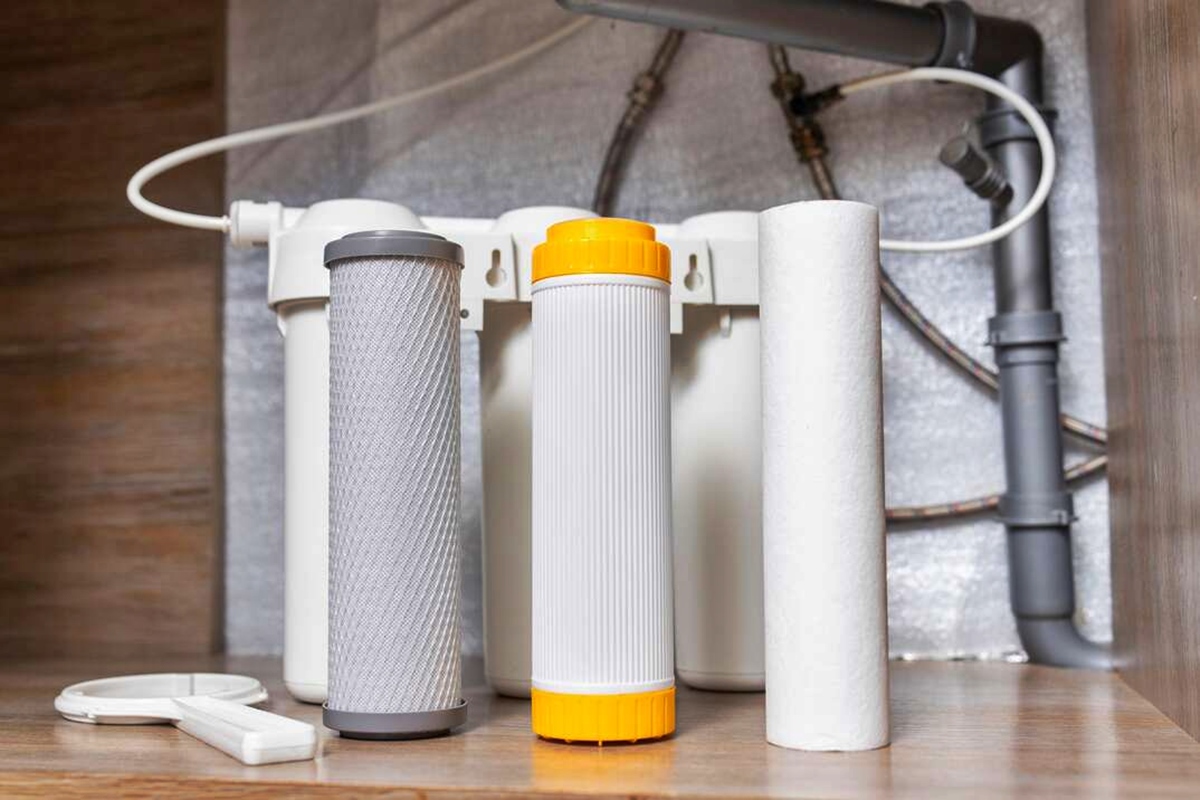
Why Should You Change Your Water Filter?
Water filters play an essential role in maintaining the quality and safety of the water we use every day. Over time, these filters can become clogged and less effective in removing impurities, resulting in water that may not be as clean as it should be.
Regularly changing your water filter is crucial for several reasons:
- Improved Water Quality: Water filters are designed to remove contaminants and impurities, such as sediment, chlorine, bacteria, and heavy metals. By changing the filter regularly, you ensure that it continues to perform optimally, providing you with clean and safe drinking water.
- Health and Safety: Drinking water that is contaminated or contains high levels of impurities can pose serious health risks, especially for individuals with compromised immune systems or underlying health conditions. Changing your water filter helps minimize the risk of consuming harmful substances that could lead to illnesses.
- Enhanced Taste and Odor: A clogged or old water filter can affect the taste and odor of your drinking water. By replacing the filter, you can enjoy water that is not only free from impurities but also tastes and smells better.
- Longevity of Your Water Filtration System: Regular maintenance, including changing the filter, extends the lifespan of your water filtration system. A clean and properly functioning filter prevents unnecessary strain on the system, ensuring it operates efficiently for years to come.
- Cost-Effectiveness: Neglecting to change your water filter can lead to decreased filtration efficiency, resulting in the need for more frequent filter replacements or even repairs to the entire system. By regularly changing the filter, you avoid potential costly repairs and replacements down the line.
Overall, changing your water filter is a simple yet essential task that ensures you and your family have access to clean, great-tasting water. By maintaining your water filtration system, you can enjoy the many benefits it provides while safeguarding your health and well-being.
Signs that It’s Time to Change Your Water Filter
Regularly changing your water filter is crucial for maintaining clean and safe drinking water. But how do you know when it’s time to replace your filter? Here are some signs to look out for:
- Decreased Water Flow: If you notice a significant decrease in your water flow, it could be a sign that your filter is becoming clogged with sediment and other impurities. Changing the filter will restore the proper water flow and ensure effective filtration.
- Unpleasant Taste or Odor: If your water starts to taste or smell unpleasant even after going through the filter, it’s a clear indication that the filter is no longer effectively removing contaminants. Changing the filter will help eliminate the taste and odor issues, giving you clean and refreshing water.
- Visible Sediment: If you notice visible sediment or particles in your water, it means that the filter is no longer able to trap these impurities effectively. Changing the filter will prevent these particles from reaching your glass or appliances.
- Extended Lifespan: Each water filter has a recommended lifespan provided by the manufacturer. If you’ve been using the same filter beyond its recommended usage period, it’s time for a replacement. Continuing to use an old filter can compromise its effectiveness and put your water quality at risk.
- Water Pressure Fluctuations: If you experience sudden fluctuations in water pressure, it could be a sign that your filter is clogged and hindering the flow of water. Changing the filter will restore the proper pressure and improve water flow throughout your home.
Remember, the signs mentioned above serve as indicators for when to change your water filter, but it’s always best to follow the manufacturer’s guidelines for your specific filter model. Regular maintenance and prompt filter replacements ensure that you continue to enjoy clean and safe water for your daily needs.
Types of Water Filters
When it comes to choosing a water filter for your home, there are several options available. Understanding the different types of water filters can help you make an informed decision based on your specific needs. Here are some common types of water filters:
- Activated Carbon Filters: These filters are popular for their ability to remove common water contaminants, such as chlorine, volatile organic compounds (VOCs), and some heavy metals. Activated carbon filters work by adsorption, trapping impurities in their porous structure.
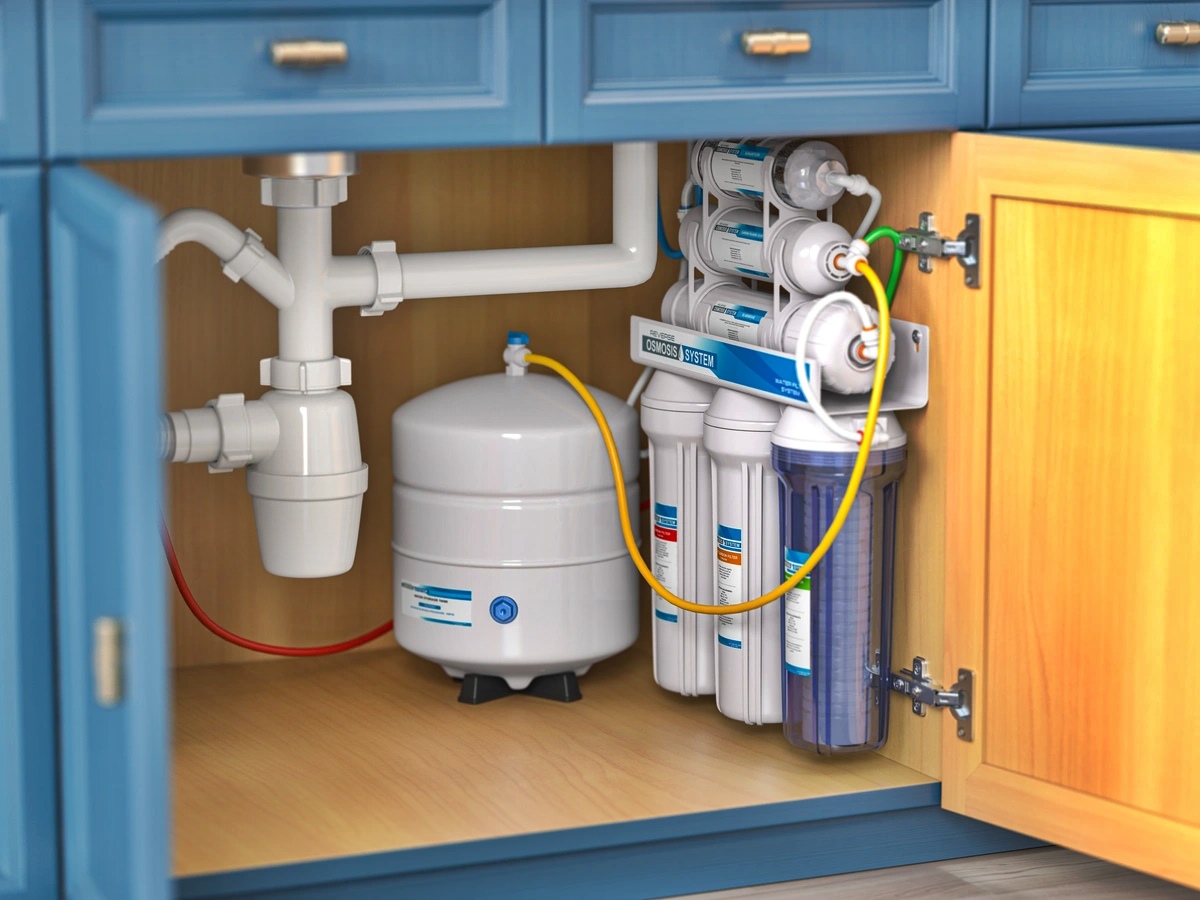
- Reverse Osmosis (RO) Filters: RO filters use a semipermeable membrane to remove a broad range of contaminants, including microorganisms, fluoride, arsenic, lead, and other dissolved solids. They are highly effective but may require professional installation and regular maintenance.
- UV Filters: UV filters use ultraviolet light to destroy bacteria, viruses, and other microorganisms present in the water. They are a great addition to other filtration systems as they provide an extra layer of protection against harmful pathogens.
- Water Distillers: Distillation involves boiling water and collecting the vapor, leaving behind impurities. Distillers are effective at removing most contaminants, including heavy metals and bacteria, but they can be energy-intensive and slow in producing filtered water.
- Ceramic Filters: These filters consist of small pores that trap sediments, bacteria, and protozoa. Ceramic filters are commonly used in portable water filters and can be cleaned and reused several times before requiring replacement.
Additionally, there are faucet-mounted filters, countertop filters, and whole-house filters, each offering unique benefits and installation options. Consider factors like water quality, filter lifespan, maintenance requirements, and cost when choosing the right water filter for your home.
Keep in mind that it’s important to regularly replace the filter cartridges or maintain the filter system according to the manufacturer’s instructions to ensure optimal performance and continued water filtration.
Tools and Materials You’ll Need
Before you begin changing your water filter, make sure you have the necessary tools and materials at hand. Here’s a list of items you’ll need:
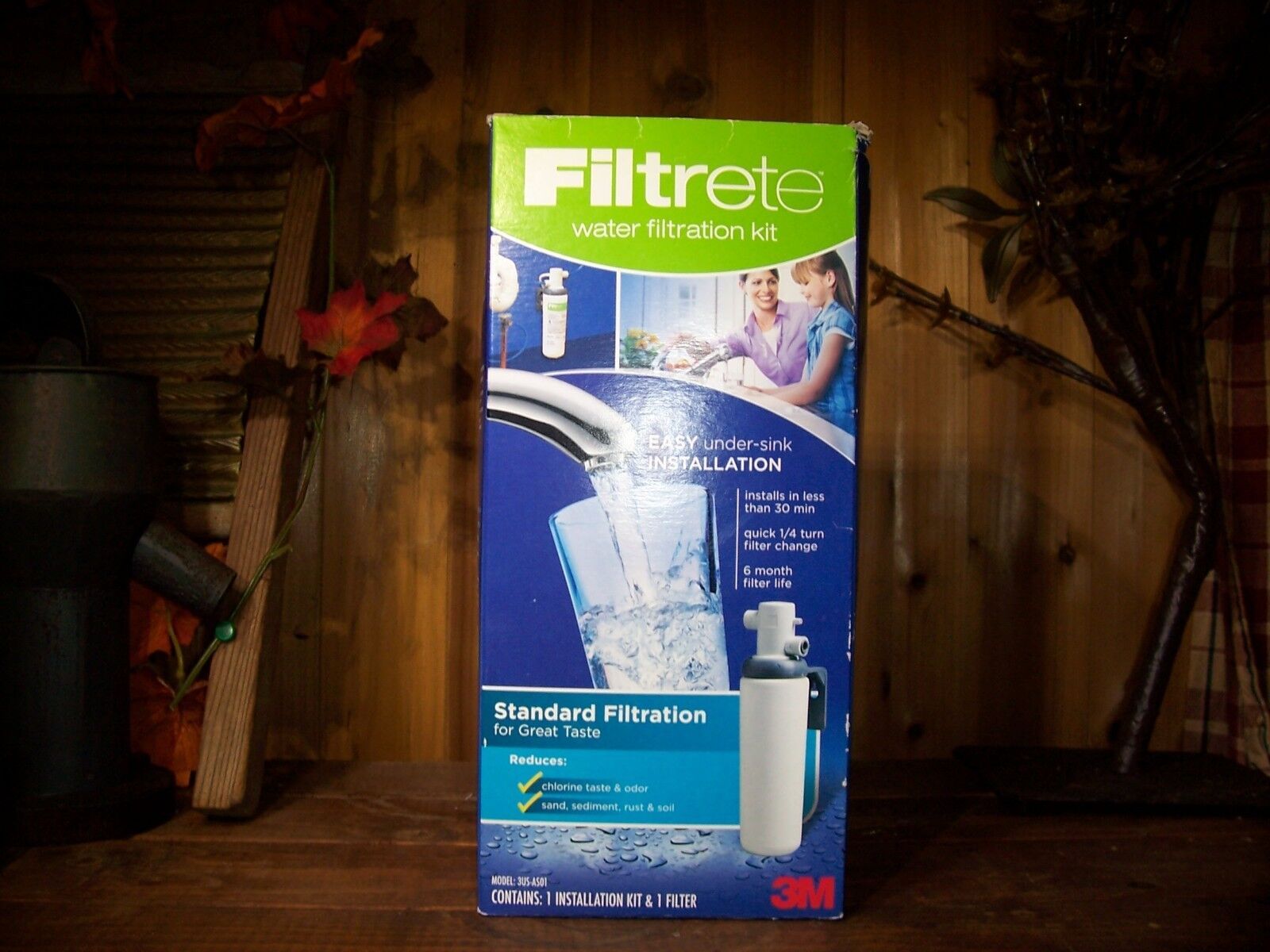
- New Water Filter Cartridge: Purchase a replacement water filter cartridge that is compatible with your specific filtration system. Check the manufacturer’s guidelines or consult the user manual for the correct model number and specifications.
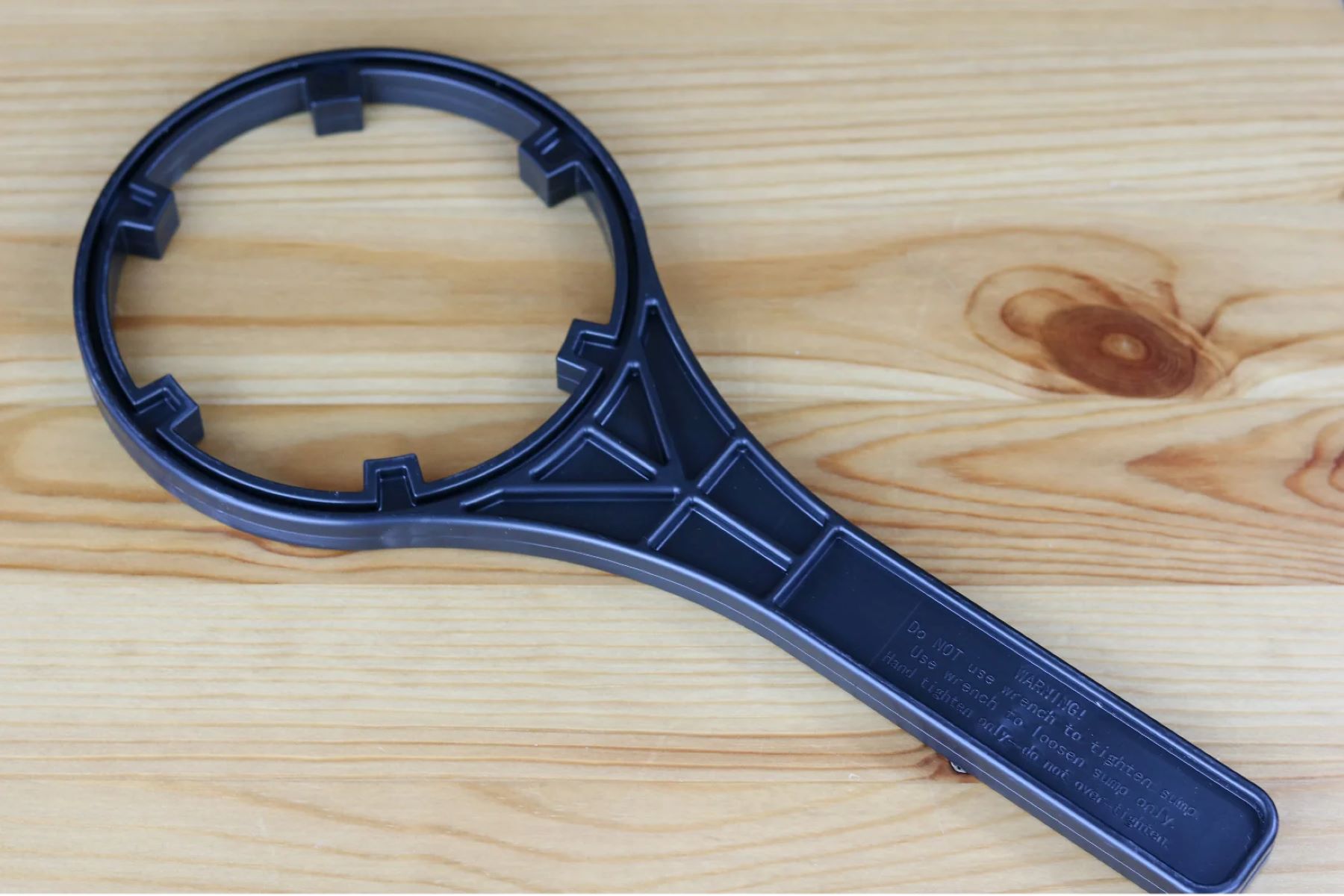
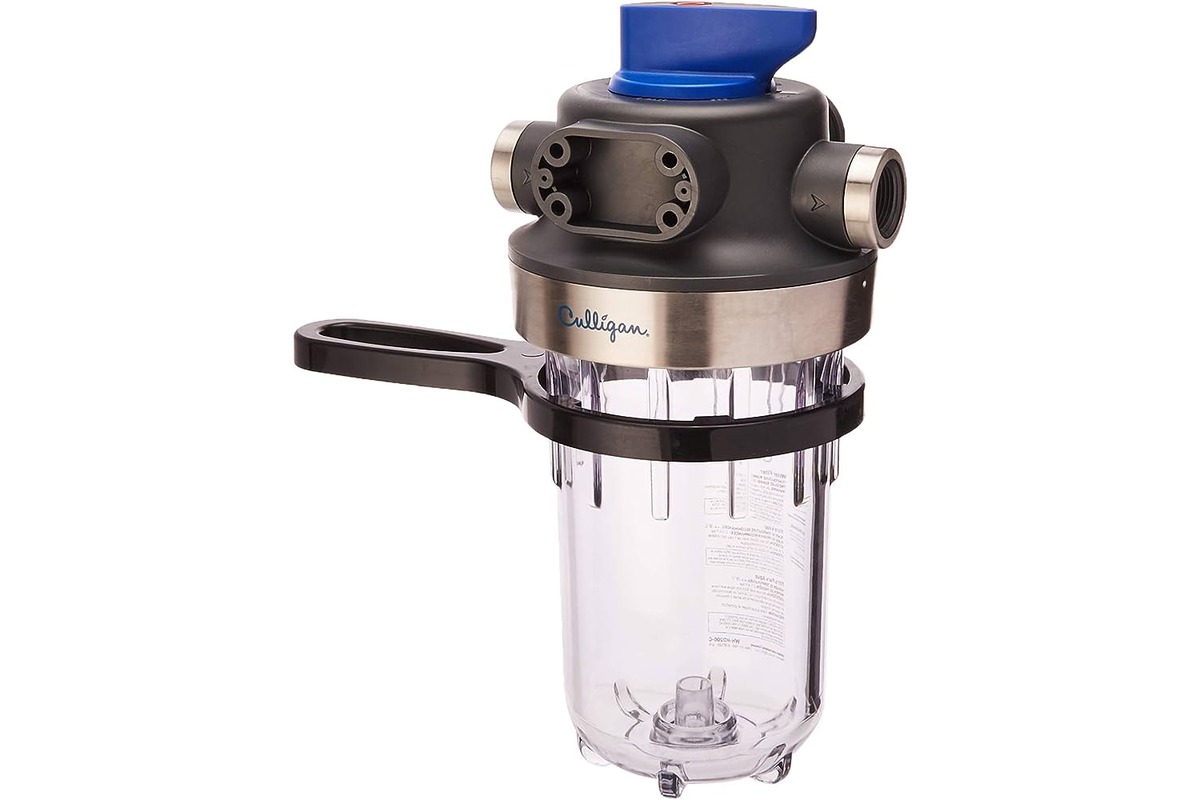
- Filter Wrench (if applicable): Some water filtration systems may require a filter wrench to remove the old cartridge. Check if your system requires one and ensure you have it ready for use.
- Gloves: Wearing gloves during the filter replacement process helps maintain cleanliness and prevents any potential contaminants from coming into contact with your hands.
- Clean Cloth or Towel: Have a clean cloth or towel nearby to wipe any spills or excess water that may occur during the filter replacement process.
- Bucket or Container: Place a bucket or container beneath the filter housing to catch any water that spills out when removing the old filter. This prevents any mess and allows for easy disposal.
- Pen and Paper (optional): Keeping track of the date and filter replacement schedule is a good practice. Use a pen and paper or a digital note-taking tool to jot down the date of the filter change for future reference.
Prior to starting the filter replacement, it’s essential to read the manufacturer’s instructions and familiarize yourself with the specific requirements and steps for your water filtration system. Having all the necessary tools and materials ready ensures a smooth and hassle-free filter replacement process.
Step-by-Step Instructions to Change Your Water Filter
Changing your water filter is a relatively simple process. Follow these step-by-step instructions to replace your water filter effectively:
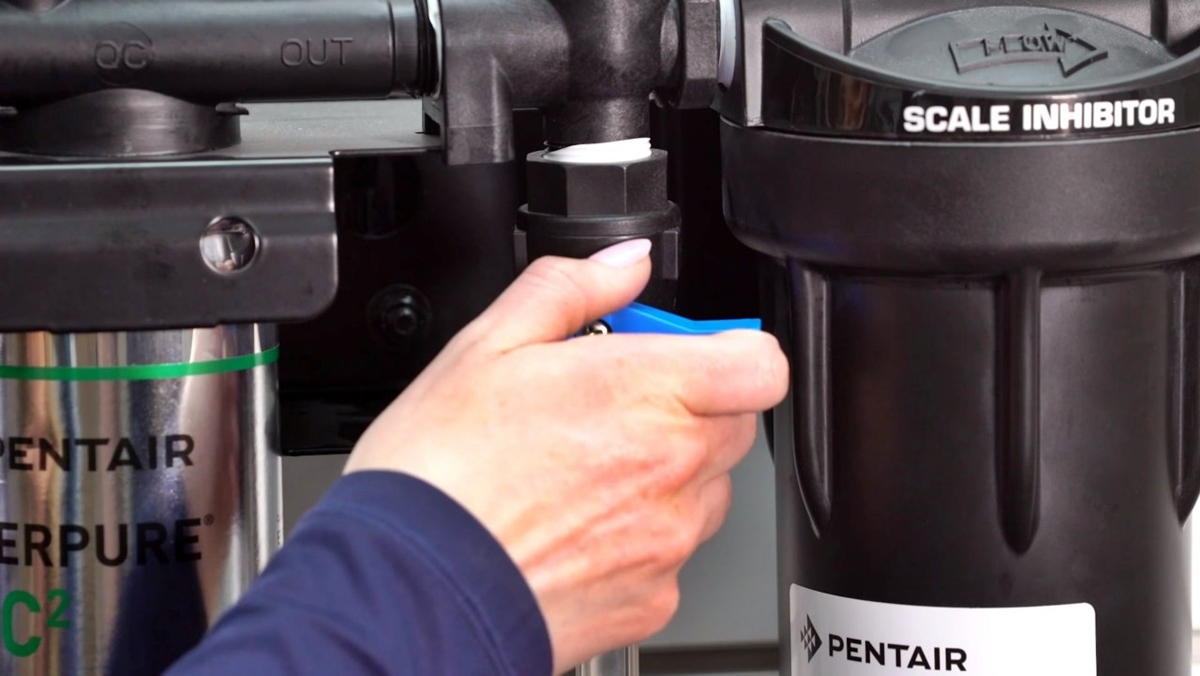
- Turn off the Water Supply: Locate the shut-off valve connected to your water filtration system and turn it off to stop the water flow. This prevents any water from escaping when you replace the filter.
- Prepare the Area: Lay down a towel or have a bucket ready beneath the filter housing to catch any water that may spill out during the replacement process. This helps keep your surroundings clean.
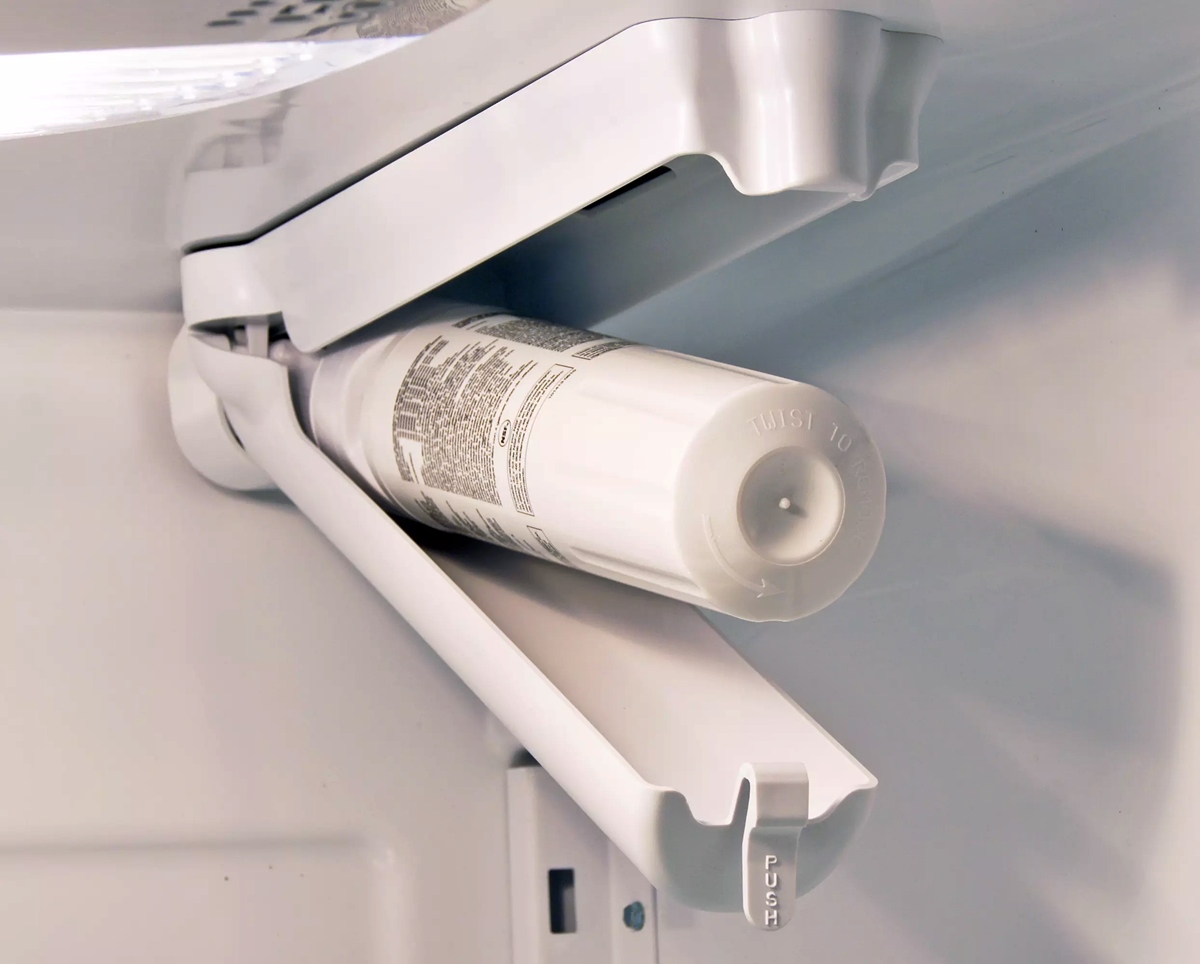
- Remove the Old Filter: If your system requires a filter wrench, use it to loosen and remove the old filter cartridge. Turn it counterclockwise until it is loose enough to remove by hand. Be cautious as some water may spill out.
- Dispose of the Old Filter: Properly dispose of the old filter cartridge according to local regulations or manufacturer’s guidelines. Check if the filter housing needs to be cleaned before inserting the new filter.
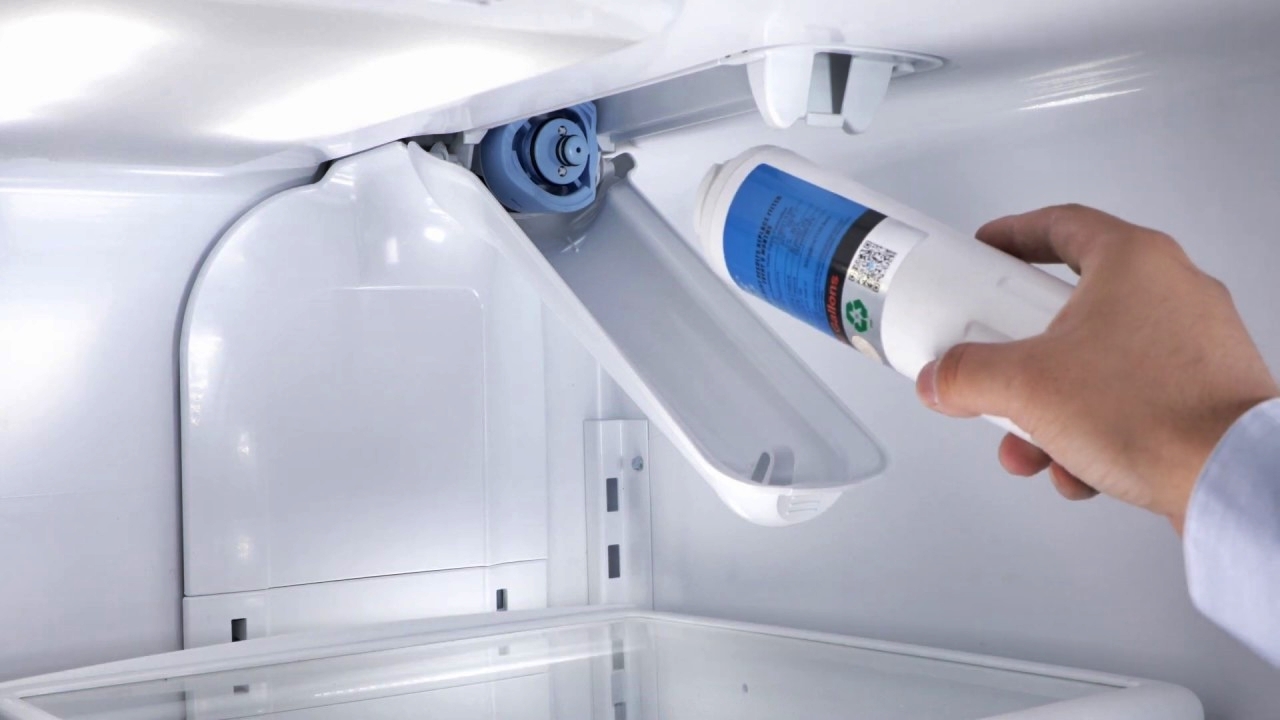
- Prepare the New Filter: Take the new filter cartridge out of its packaging and remove any protective covers or seals. Check for any installation instructions or recommendations provided by the manufacturer.
- Install the New Filter: Insert the new filter into the filter housing, making sure it fits securely. Use your hand to tighten it clockwise until it is snug. Avoid over-tightening to prevent any damage or leaks.
- Turn on the Water Supply: Once the new filter is securely installed, turn on the water supply by opening the shut-off valve. This allows water to flow through the new filter and flush out any air pockets.
- Check for Leaks: After turning on the water supply, inspect the area around the filter housing for any signs of leaks. If you notice any leaks, turn off the water supply and double-check the filter installation to ensure a proper seal.
- Flush the New Filter: To ensure optimal performance, run water through the new filter for a few minutes. This helps remove any loose particles and air trapped in the filter, allowing for clean and fresh water.
- Reset Filter Replacement Indicator (if applicable): If your water filtration system has a filter replacement indicator, follow the manufacturer’s instructions to reset it after installing the new filter.
Following these step-by-step instructions will help you successfully change your water filter and ensure that your filtration system continues to provide clean and safe drinking water for you and your family.
Troubleshooting Common Issues
While changing your water filter is usually a straightforward process, there may be some common issues that can arise. Here are a few troubleshooting tips to help resolve those issues:
- Leaking Filter Housing: If you notice water leaking from the filter housing, it could indicate a loose or improperly installed filter. Check that the filter is securely tightened. If the issue persists, inspect the O-ring or gasket for any damage or wear and replace if necessary.
- Low Water Pressure: If you experience a decrease in water pressure after changing the filter, it could be due to air pockets trapped in the system. Try running the water for a few minutes to flush out any air and restore normal water pressure.
- Unusual Taste or Smell: If your water has an unusual taste or smell after replacing the filter, it may be due to residual carbon particles or air trapped in the filter. Running water for a few minutes can help flush out these particles and restore a fresh taste.
- Filter Clogging Quickly: If you notice that your new filter is clogging quickly and requires frequent replacements, it could indicate a high level of sediment or contaminants in your water supply. Consider installing a pre-filter or contacting a professional to assess the water quality and recommend appropriate solutions.
- No Water Flow: If you experience no water flow after changing the filter, check the shut-off valve to ensure it is fully open. Additionally, inspect the filter housing for any clogs or obstructions and clean if necessary. If the issue persists, seek assistance from a professional plumber or the manufacturer.
In case you encounter any other issues or if these troubleshooting steps do not resolve the problem, refer to the manufacturer’s instructions or contact their customer support for guidance specific to your water filtration system. Remember, regular maintenance, including filter replacements and periodic inspections, helps prevent and resolve common issues with your water filter.
Tips for Maintaining Your Water Filter System
Maintaining your water filter system is essential to ensure its longevity and continued efficient performance. Here are some helpful tips to keep your water filter system in excellent condition:
- Regular Filter Replacements: Follow the manufacturer’s recommended filter replacement schedule. Regularly changing the filters ensures optimal filtration and prevents clogging or reduced water flow.
- Check Water Quality: Periodically test your water quality to assess any changes or potential contaminants. This helps determine if additional filtration or treatment is required.
- Proper Storage: If you store extra filter cartridges, ensure they are kept in a cool, dry place away from direct sunlight. This helps preserve their lifespan and prevents any damage or degradation.
- Clean the Filter Housing: During filter replacements, take the opportunity to clean the filter housing. Use a mild detergent and warm water to remove any accumulated debris or residue. Rinse thoroughly before installing the new filter.
- Monitor Filter Life: Some water filter systems have filter life indicators. Pay attention to these indicators or set reminders to track the lifespan of your filter. This ensures timely replacements and consistent filtration efficiency.
- Schedule Professional Maintenance: If you’re unsure about maintaining your water filter system, consider scheduling professional maintenance. A qualified technician can inspect the system, address any issues, and provide guidance on proper maintenance practices.
- Keep Documentation: Keep a record of the manufacturer’s instructions, warranty information, and any maintenance or service logs related to your water filter system. This documentation can be useful for future reference or contacting customer support.
- Monitor Water Pressure: Regularly check your water pressure to ensure it remains consistent. Sudden or significant changes in water pressure could indicate issues with the filter or the overall plumbing system. Address any concerns promptly.
- Stay Informed: Stay updated on the latest advancements in water filtration technology and industry standards. This knowledge can help you make informed decisions about your water filter system and any potential upgrades or improvements.
By following these tips, you can maintain your water filter system effectively, prolong its lifespan, and continue enjoying clean and safe drinking water throughout your home.