What is Aspect Ratio?
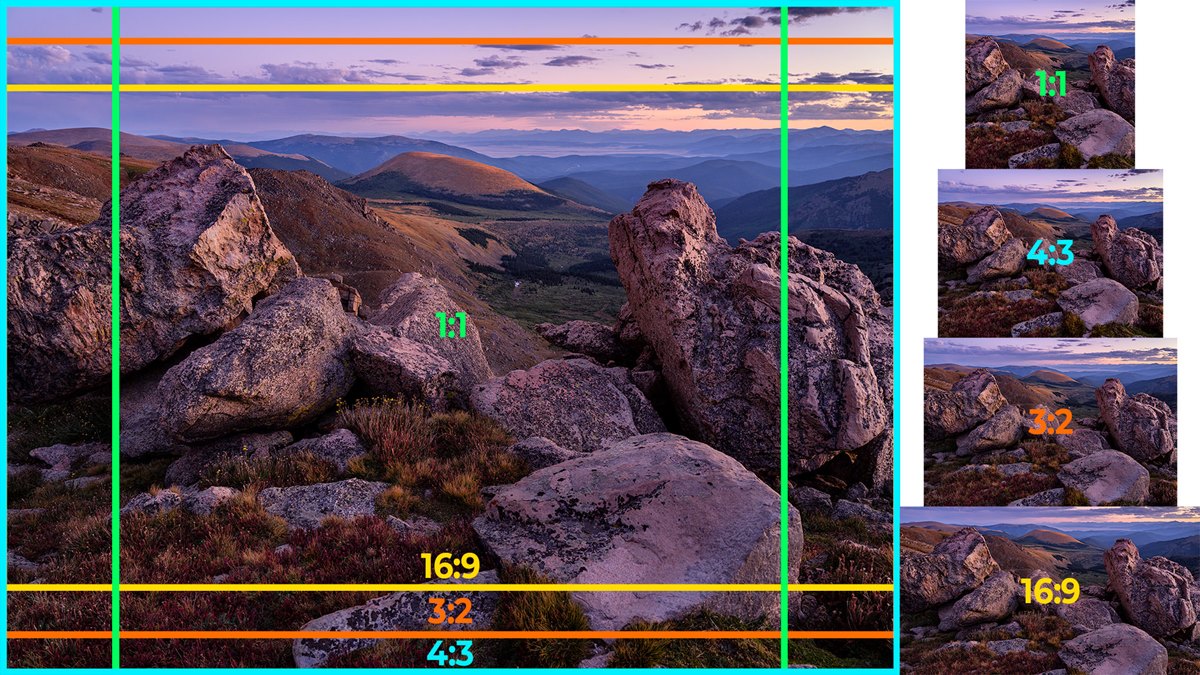
Aspect ratio refers to the proportional relationship between the width and height of an image or video. It is expressed as a ratio, such as 4:3 or 16:9, and determines the dimensions of the visual content.
Aspect ratio plays a critical role in various mediums, including photography, filmmaking, television, and even social media. It defines the shape and size of the frame and has a significant impact on the overall composition and visual appeal of the content.
When it comes to aspect ratios, the first number represents the width, while the second number denotes the height. For example, a 4:3 aspect ratio means that the width of the image is four units, while the height is three units. This ratio provides a square-like shape, whereas a 16:9 aspect ratio creates a widescreen format.
Aspect ratios can be categorized into standard and widescreen formats. Standard aspect ratios, such as 4:3, were widely used in the past and are still found on older televisions and computer monitors. Widescreen aspect ratios, such as 16:9, have become the standard for modern devices, televisions, and digital media due to their ability to offer a more immersive viewing experience.
It’s important to note that aspect ratios are not arbitrary, but rather intentionally chosen based on specific requirements and the intended use of the visual content. Whether it’s capturing memorable moments on camera, designing a website, or producing a film, understanding aspect ratios is essential for creating visually appealing and engaging content.
Common Aspect Ratios Explained
Aspect ratios are determined by the specific needs of various mediums. Let’s explore some of the most commonly used aspect ratios and their applications:
- 4:3: This aspect ratio was the standard for older televisions and computer monitors. It provides a more square-like shape, with the width being four units and the height being three units. Despite being less prevalent today, you may still come across this aspect ratio in certain presentations or older video content.
- 16:9: This widescreen aspect ratio has become the standard for modern devices, televisions, and digital media. It offers a more cinematic and immersive viewing experience with a wider frame. This aspect ratio is commonly used in film production, high-definition television broadcasts, and online video platforms such as YouTube and Vimeo.
- 1:1: Also known as a square aspect ratio, this format has equal dimensions for the width and height of the image or video. It gained popularity with the rise of social media platforms like Instagram, where square images were initially the norm. The 1:1 aspect ratio provides a balanced and symmetrical composition, perfect for showcasing products, portraits, or artistic photography.
- 21:9: This ultra-wide aspect ratio, often referred to as cinematic or panoramic, offers an even wider view than the standard widescreen format. It is commonly used in cinemas and high-end monitors, providing a more immersive experience for movies and gaming.
These are just a few examples of the aspect ratios you might encounter. However, it’s important to note that specific projects or mediums may have unique aspect ratios tailored to their specific requirements. As technology advances and new mediums emerge, we may witness the introduction of new aspect ratios that further enhance our visual experiences.
The Importance of Aspect Ratio in Photography
Aspect ratio plays a crucial role in photography, affecting the composition and visual impact of an image. Understanding and choosing the right aspect ratio can make a significant difference in how your photographs are perceived. Here are a few reasons why aspect ratio is important in photography:
- Composition: The aspect ratio you select directly influences the composition of your photograph. Different aspect ratios can convey different emotions and emphasize different elements within the frame. For example, a wider aspect ratio like 16:9 can be ideal for capturing expansive landscapes, while a square aspect ratio like 1:1 can be well-suited for close-up shots or symmetry-based compositions.
- Storytelling: Aspect ratio can help enhance the storytelling aspect of your photograph. It can guide the viewer’s attention and create a narrative within the frame. For example, a vertical aspect ratio like 3:2 can be used to capture a portrait or showcase the height of a tall building, while a 16:9 aspect ratio can lend itself well to capturing a panoramic scene or a dynamic action shot.
- Prints and Displays: Aspect ratio is also important when it comes to printing and displaying your photographs. Different prints, frames, and display mediums have specific aspect ratio requirements. When preparing your images for printing or showcasing them on digital platforms, ensuring the aspect ratio matches the desired format can help maintain the intended composition and visual impact.
- Consistency: In some cases, maintaining a consistent aspect ratio throughout a series of photographs can help create a cohesive body of work. By using a similar aspect ratio for a collection of images, you can establish a visual consistency and a recognizable style.
Ultimately, the choice of aspect ratio in photography is a creative decision that should be made with intention. Consider the subject matter, the desired mood, and the narrative you want to convey. By understanding the importance of aspect ratio and consciously selecting the right one, you can enhance the visual impact of your photographs and effectively communicate your artistic vision to viewers.
How Aspect Ratio Affects Video Display
Aspect ratio is a crucial factor in video production and display, as it directly impacts how videos are viewed and experienced by the audience. Here are some key ways in which aspect ratio affects video display:
- Visual Immersion: The aspect ratio of a video can significantly influence the level of immersion and engagement for the viewer. A wider aspect ratio, such as 16:9 or even wider formats like 21:9, creates a more expansive and cinematic viewing experience. This can be particularly beneficial for movies, gaming, and videos that aim to provide an immersive visual environment.
- Content Adaptation: Different devices and platforms have varying aspect ratio requirements. When creating videos, it’s crucial to consider the target platforms and ensure that the aspect ratio is suitable for optimal display. For example, videos intended for social media platforms often benefit from a square (1:1) or vertical (9:16) aspect ratio, as they are more fitting for mobile viewing.
- Screen Compatibility: The aspect ratio needs to be carefully considered when displaying videos on different devices and screens. Traditional televisions typically have a 16:9 aspect ratio, while mobile phones and tablets may have narrower or more elongated aspect ratios. To ensure videos are displayed correctly, it’s important to format and encode them to match the aspect ratio of the target device or screen.
- Content Framing: Aspect ratio plays a crucial role in framing the content within the video. It determines how much visual information is captured and displayed, as well as how the subject and surrounding elements are positioned within the frame. Different aspect ratios can yield different visual impacts and storytelling possibilities, allowing video creators to experiment with varied compositions.
Understanding how aspect ratio affects video display is essential for video producers and editors. By selecting the appropriate aspect ratio, adapting the content for different platforms and devices, and taking advantage of the creative possibilities, videos can be optimized for an enhanced viewing experience, captivate the audience, and effectively convey the intended message.
Choosing the Right Aspect Ratio for Social Media Posts
When it comes to social media, choosing the right aspect ratio for your posts is crucial to ensure optimal visual impact and engagement. Different social media platforms have specific requirements and preferences for aspect ratios. Here are some key considerations for selecting the appropriate aspect ratio for your social media posts:
- Platform Guidelines: Familiarize yourself with the aspect ratio guidelines provided by each social media platform. Instagram, for example, supports both square (1:1) and vertical (4:5, 9:16) aspect ratios, while Facebook and YouTube primarily favor widescreen (16:9) formats. Adhering to these guidelines ensures that your content displays properly and maximizes the available screen real estate.
- Content Type: Consider the type of content you are sharing on social media. Square (1:1) aspect ratios are well-suited for showcasing products, portraits, or artistic imagery, while vertical (9:16) aspect ratios are ideal for capturing behind-the-scenes footage, tutorials, or vertical videos. Understanding the purpose of your content will help you determine the most appropriate aspect ratio.
- Mobile Optimization: The majority of social media users access platforms through their mobile devices. Consequently, it’s important to optimize your content for mobile viewing. Vertical (9:16) aspect ratios are particularly effective for mobile, as they allow the content to occupy the full screen and provide a better user experience. This is especially relevant for platforms like Instagram Stories and TikTok.
- Consistency and Branding: Maintaining a consistent aspect ratio can help establish your brand identity and create visual consistency across your social media posts. By consistently using the same aspect ratio, your posts will have a cohesive look, making your brand more recognizable and professional.
- Creative Freedom: While it is important to adhere to platform guidelines, don’t be afraid to experiment and think outside the box. Some social media platforms, like Instagram, allow for creative freedom by supporting non-standard aspect ratios. This can help your content stand out and catch the viewer’s attention amidst the sea of standardized posts.
Choosing the right aspect ratio for your social media posts is a strategic decision that ensures your content looks visually appealing and engages your audience effectively. By understanding the platform guidelines, considering the content type, optimizing for mobile viewing, maintaining consistency, and embracing creative freedom, you can create captivating and impactful social media posts that resonate with your audience.
Understanding Aspect Ratios in Film and Television
Aspect ratios play a crucial role in the world of film and television, shaping the visual experience and conveying the intended aesthetic and storytelling choices. Understanding aspect ratios in this context is essential for filmmakers, cinematographers, and viewers alike. Here are key aspects to consider:
- Historical Context: Understanding aspect ratios in film and television requires an appreciation of the historical evolution of cinematic formats. The Academy Ratio (1.37:1) was once the standard in the early days of cinema. However, with the advent of widescreen formats, such as Cinemascope (2.39:1), filmmakers gained a wider canvas to capture more immersive and epic visuals.
- Aesthetic Choices: Different aspect ratios offer distinct aesthetic qualities and evoke unique emotions. Wider aspect ratios, like Cinemascope or 16:9, can create a more cinematic and expansive feel, ideal for epic landscapes or action sequences. On the other hand, narrower aspect ratios, such as 4:3, can evoke a sense of intimacy or nostalgia, lending themselves well to character-driven narratives or period pieces.
- Storytelling Considerations: Aspect ratios are not merely technical decisions but also storytelling tools. Filmmakers use aspect ratios to guide the viewer’s attention and convey specific narrative elements. For example, a filmmaker may choose a narrower aspect ratio to emphasize a character’s isolation or use a wider aspect ratio to showcase the vastness of a setting. The aspect ratio becomes a visual language that contributes to the overall narrative.
- Television Formats: In television, the standard aspect ratio has evolved from 4:3 to 16:9, aligning with the shift to high-definition and widescreen displays. With the rise of streaming platforms and binge-watching habits, television shows now often adopt a cinematic approach and utilize wider aspect ratios to enhance the viewing experience.
- Streaming and Multiplatform: In the era of streaming and multiplatform distribution, content creators face the challenge of delivering their work across different devices and platforms, each with specific aspect ratio requirements. Adapting content to multiple aspect ratios while maintaining visual consistency and the intended aesthetic can be a complex yet vital task for filmmakers and video editors.
Understanding aspect ratios in film and television allows filmmakers to make deliberate choices that enhance visual storytelling, while viewers can appreciate the thought and artistry behind the frame composition. By comprehending the historical context, considering aesthetic and storytelling elements, and adapting to modern viewing platforms, the impact of aspect ratios can be effectively leveraged in the realm of film and television.
The Impact of Aspect Ratio on Website Design
When it comes to website design, aspect ratio plays a critical role in shaping the overall layout, visual appeal, and user experience. Understanding the impact of aspect ratio is essential for web designers and developers. Here are some key ways in which aspect ratio influences website design:
- Layout and Composition: Aspect ratio determines the proportions and arrangement of visual elements on a webpage. A wider aspect ratio, such as 16:9, lends itself well to a horizontal layout, providing ample space for content and imagery. On the other hand, a vertical aspect ratio, like 9:16, might be more suitable for a mobile-first or scrollable layout, optimizing the user experience on handheld devices.
- Responsive Design: With the increasing prevalence of mobile devices, responsive design is crucial in ensuring a consistent and user-friendly experience across different screen sizes. Aspect ratio plays a role in responsive design as it helps determine how content adapts and reflows across varied device orientations. Designers must carefully consider aspect ratios when designing responsive websites to ensure that content is displayed optimally on different devices.
- Visual Hierarchy: Aspect ratio can influence the visual hierarchy of a webpage. Designers can utilize aspect ratios to draw attention to specific elements or create a focal point. For example, a larger, horizontally-oriented aspect ratio banner image can serve as an eye-catching centerpiece, while vertically-oriented aspect ratios can be used to highlight vertical content, such as infographics or tall images.
- Media Presentation: Aspect ratio also impacts how media, such as images and videos, are presented on a website. Designers need to consider the aspect ratio of media files to ensure they are displayed correctly without distortion or loss of quality. By matching the aspect ratios of media assets to the appropriate containers, a seamless and visually pleasing presentation can be achieved.
- Cross-platform Consistency: Websites are accessed across various devices and screen sizes. Consistency in aspect ratio helps maintain a cohesive visual experience across different platforms. By designing with a consistent aspect ratio in mind, content and layout elements can remain visually intact and deliver a harmonious experience, regardless of the device used to access the website.
Understanding the impact of aspect ratio on website design allows designers to create visually appealing and user-friendly websites. By considering layout and composition, incorporating responsive design principles, utilizing aspect ratios to establish visual hierarchy, optimizing media presentation, and ensuring cross-platform consistency, web designers can create engaging and cohesive experiences that captivate and satisfy users.
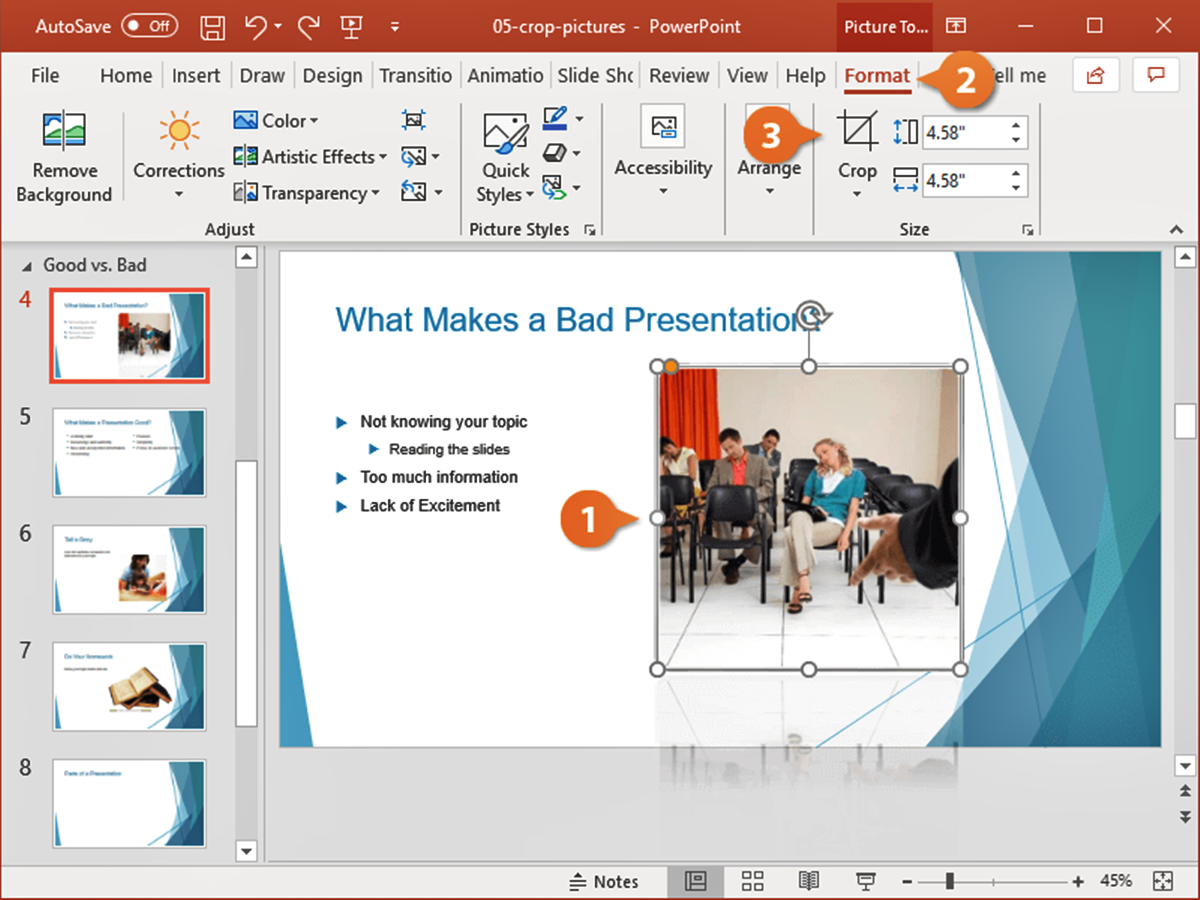
Tips for Cropping and Adjusting Aspect Ratio in Editing Software
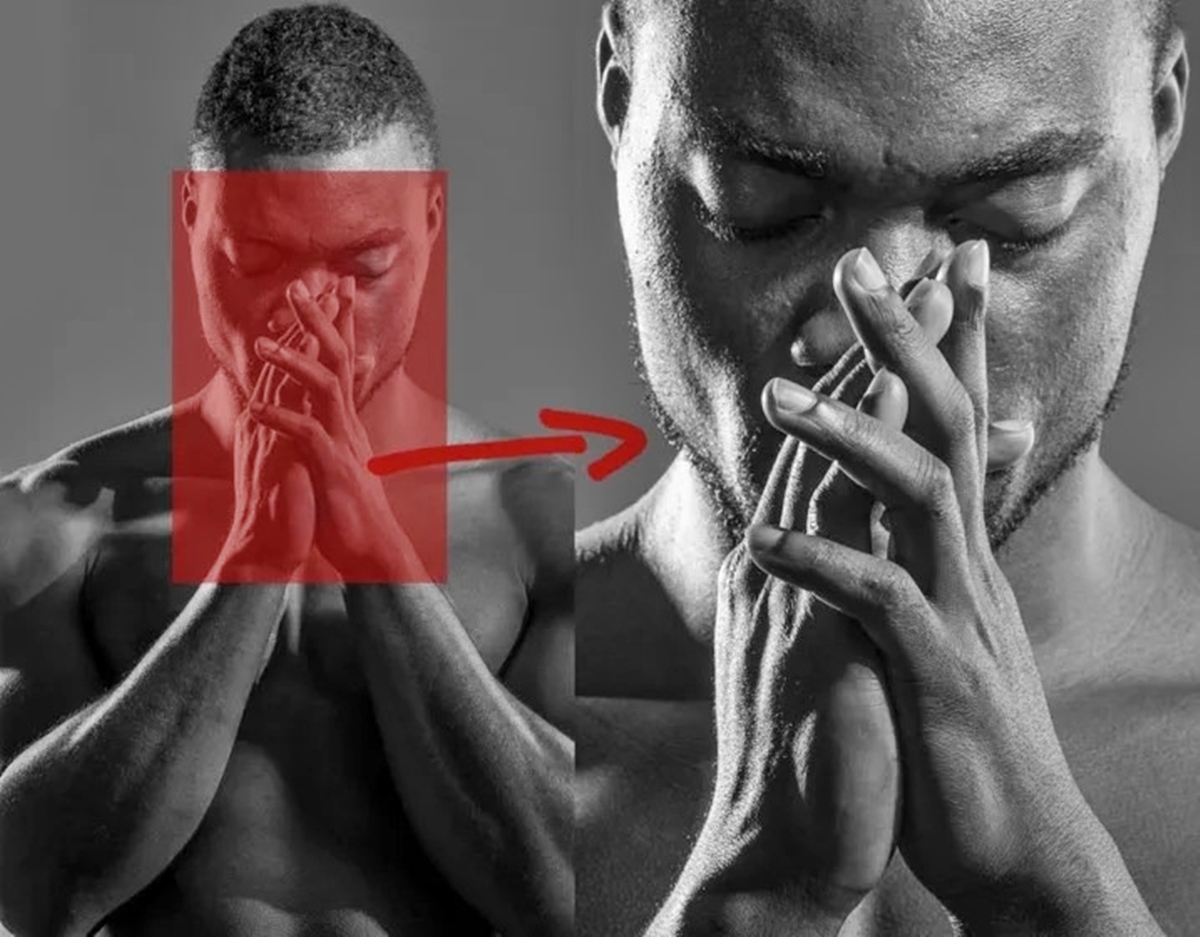
When working with images or videos, there are times when you may need to crop or adjust the aspect ratio to fit a specific format or desired composition. Here are some useful tips for cropping and adjusting aspect ratio in editing software:
- Understand the Original Aspect Ratio: Before making any adjustments, it’s important to understand the original aspect ratio of your image or video. This will help you maintain the intended composition and prevent distortion or loss of important visual elements.
- Preserve Visual Balance: When cropping an image or video, aim to preserve the visual balance and harmony within the frame. Consider the rule of thirds, where key elements are positioned along the intersecting lines, or the golden ratio, which creates aesthetically pleasing proportions. Adjusting the aspect ratio while maintaining visual balance can help create a more visually appealing and engaging composition.
- Use Non-Destructive Editing: Whenever possible, use non-destructive editing techniques to adjust the aspect ratio. This allows you to experiment and make changes without permanently altering the original file. Non-destructive editing tools, like adjustment layers or virtual copies, ensure that you can easily revert to the original aspect ratio if needed.
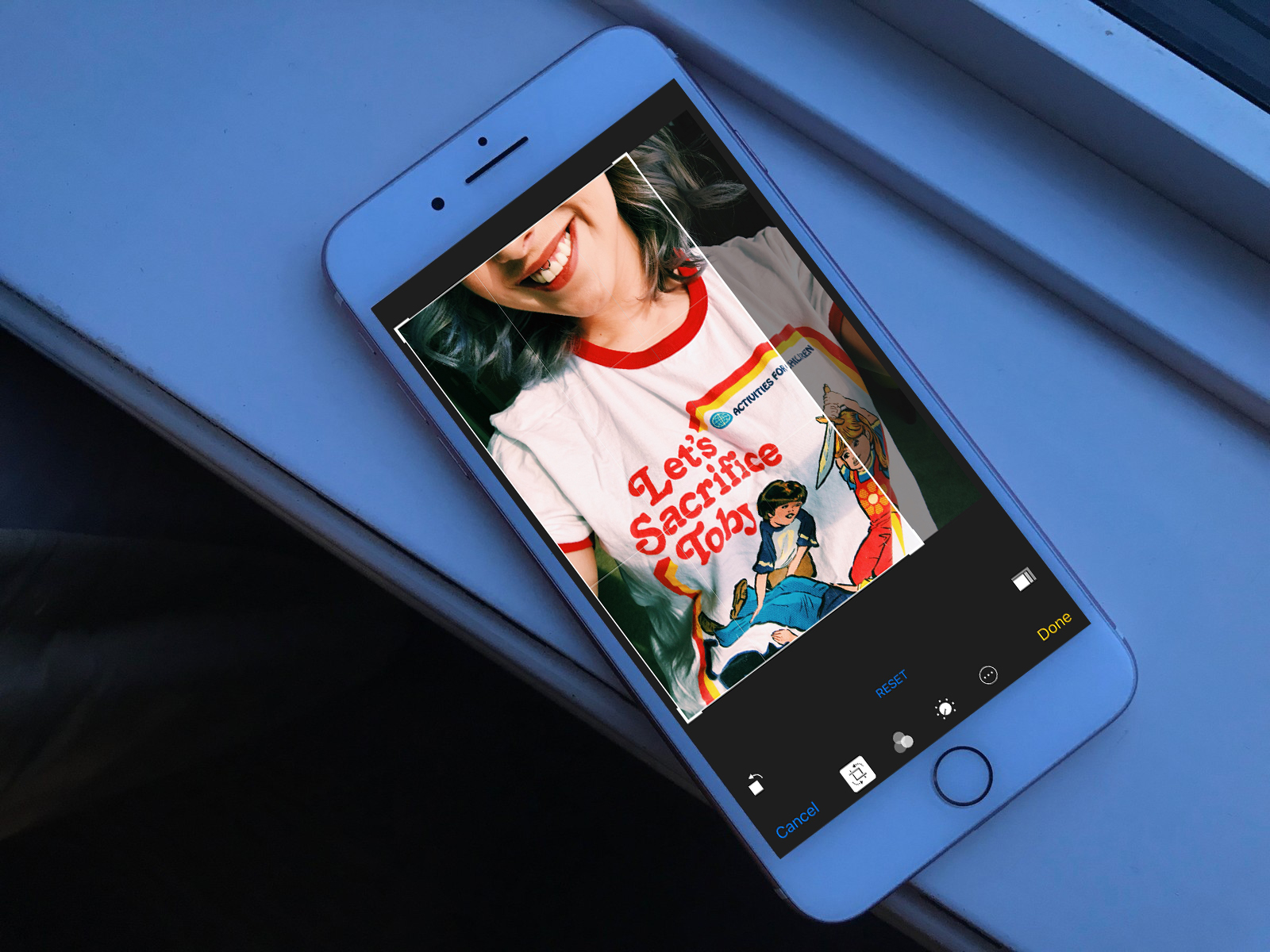
- Utilize Crop Overlays and Guides: Editing software often provides crop overlays and guides that can help you visualize and align your desired aspect ratio. These tools assist in cropping accurately and ensuring the desired elements are in proper proportion to the rest of the frame. Crop overlays can include grid lines, aspect ratio templates, or custom guides that align with your intended composition.
- Consider Content and Intended Format: Take into account the content and intended format when adjusting the aspect ratio. For example, social media platforms may have specific aspect ratio requirements for posts or cover photos. Consider the platform guidelines and adjust the aspect ratio accordingly to ensure your content displays optimally.
- Experiment with Different Aspect Ratios: Don’t be afraid to experiment with different aspect ratios to explore different visual effects and storytelling possibilities. Cropping to unconventional aspect ratios can add a unique and creative touch to your work, allowing you to convey a specific mood or emphasize certain elements in the frame.
- Optimize for the Target Platform: Lastly, when cropping or adjusting the aspect ratio, keep in mind the target platform or medium where the final content will be displayed. Different platforms may have specific requirements or recommendations for aspect ratios, and optimizing your work for the intended platform can ensure that your content looks its best.
By following these tips for cropping and adjusting aspect ratio in editing software, you can achieve more visually compelling compositions, maintain visual balance, and optimize your work for different platforms and formats. Remember to experiment, trust your creative instincts, and make use of the available tools and guides to achieve the desired outcome.