How Does a Hardware Wallet Work?
A hardware wallet is a physical device designed to securely store and manage your cryptocurrencies, such as Bitcoin. Unlike software wallets that are connected to the internet, hardware wallets operate offline, providing an extra layer of security by keeping your private keys offline and out of reach from potential hackers.
When you set up a hardware wallet, you will be required to create a unique PIN code or password. This PIN code will be used to access and manage your funds securely. Some advanced hardware wallets also incorporate additional security features such as fingerprint scanners or secure elements.
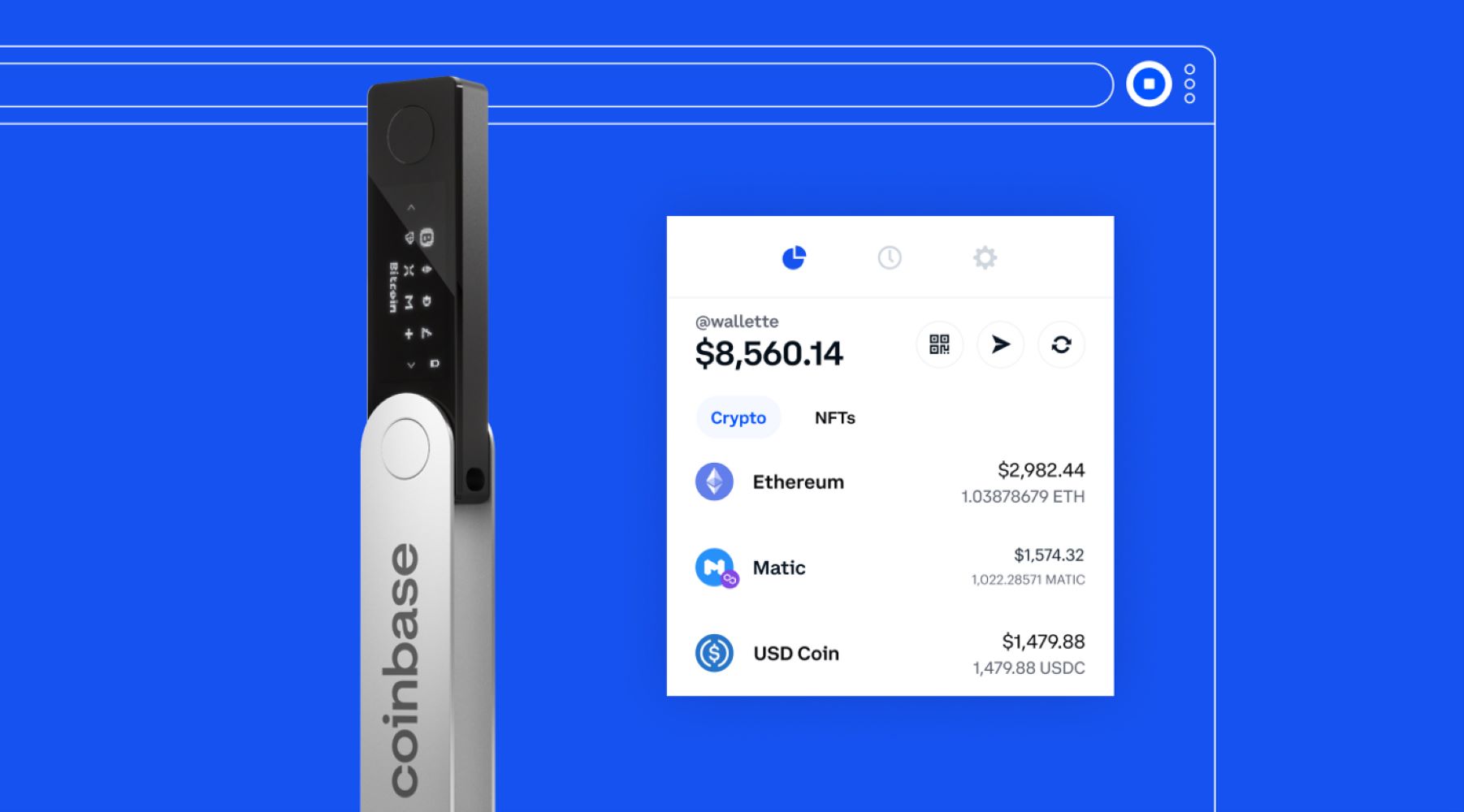
To perform a transaction using a hardware wallet, you will typically connect it to your computer or mobile device through a USB cable or Bluetooth. The hardware wallet acts as a bridge between your digital currency and the software on your device. It securely signs the transaction using your private key stored within the device and then sends the signed transaction back to the computer or mobile device to be broadcasted to the network.
One of the key advantages of hardware wallets is that they provide a secure environment for key generation and signing transactions, ensuring that your private keys never leave the device in a readable format. This significantly reduces the risk of your keys being exposed to malware or malicious attacks on your computer or mobile device.
Additionally, hardware wallets support multiple cryptocurrencies and can store a wide range of digital assets. Each hardware wallet comes with its own compatibility list, so it’s essential to check if your desired cryptocurrencies are supported before making a purchase.
Overall, hardware wallets offer a seamless and user-friendly experience while prioritizing the security of your digital assets. By keeping your private keys offline and integrating advanced security measures, hardware wallets have become the preferred choice for individuals looking to protect their cryptocurrency investments.
Benefits of Using a Hardware Wallet
Using a hardware wallet to store your cryptocurrencies offers several advantages over other storage methods. Let’s explore some of the key benefits:
1. Enhanced Security: Hardware wallets provide a high level of security by keeping your private keys offline. This significantly reduces the risk of being exposed to online threats, such as malware, phishing attacks, or keyloggers. By storing your private keys within a hardware device, you can have peace of mind knowing that your digital assets are secure.
2. Protection Against Physical Theft: Hardware wallets are designed to withstand physical theft. Most devices have built-in mechanisms to protect against tampering, including secure enclosures and the ability to set up an additional PIN code. In the event that your hardware wallet is stolen, it is extremely difficult for anyone to access your funds without the PIN code or password.
3. User-Friendly Interface: Hardware wallets typically come with user-friendly interfaces and intuitive displays. This makes it easy to navigate through different functionalities and manage your accounts. With clear prompts and instructions, even those who are new to cryptocurrencies can quickly understand how to use a hardware wallet.
4. Compatibility and Versatility: Hardware wallets are compatible with various operating systems and can support a wide range of cryptocurrencies. Whether you hold Bitcoin, Ethereum, or other altcoins, hardware wallets offer flexibility and allow you to manage multiple digital assets simultaneously.
5. Backup and Recovery Options: Hardware wallets come with backup and recovery options to ensure that you can retrieve your funds in case the device is lost, damaged, or stolen. These options often involve creating a recovery seed, a series of words that can be used to restore your wallet onto a new device. It is crucial to write down and store this recovery seed in a safe place to prevent any potential loss.
6. Peace of Mind: By using a hardware wallet, you can enjoy the peace of mind that comes with knowing your cryptocurrencies are stored securely. With offline storage and encryption, you reduce the risk of losing your funds to hackers, scams, or other vulnerabilities associated with online wallets or exchanges.
Overall, the use of a hardware wallet provides an optimal balance between security and usability. It allows you to take full control of your digital assets while minimizing the risks associated with online storage methods. Whether you are a seasoned cryptocurrency investor or just starting your journey, a hardware wallet is a valuable tool for keeping your funds safe and secure.
Types of Hardware Wallets
Hardware wallets are available in different shapes, sizes, and brands, each offering unique features and functionalities. Let’s take a look at the two main types of hardware wallets:
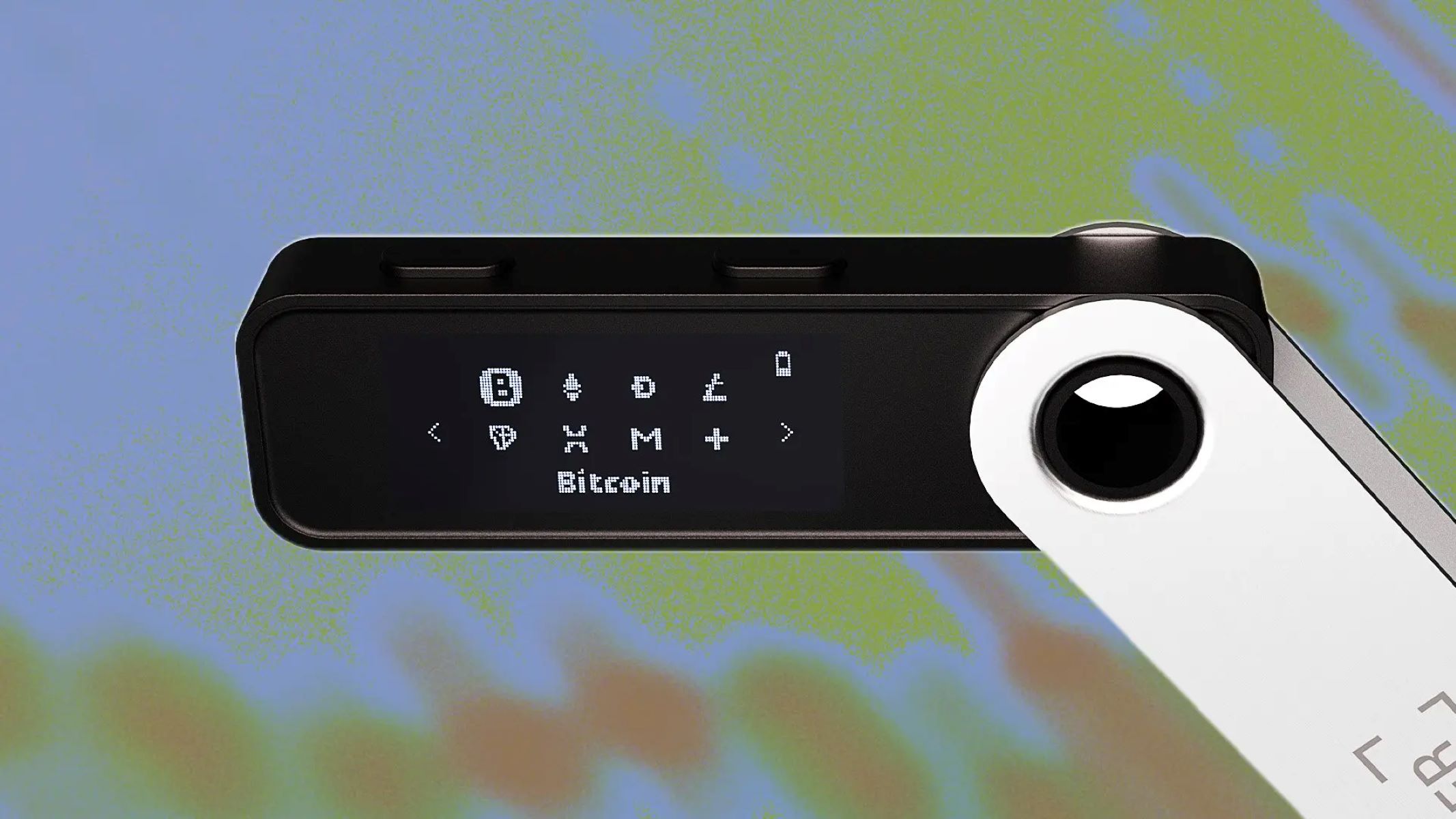
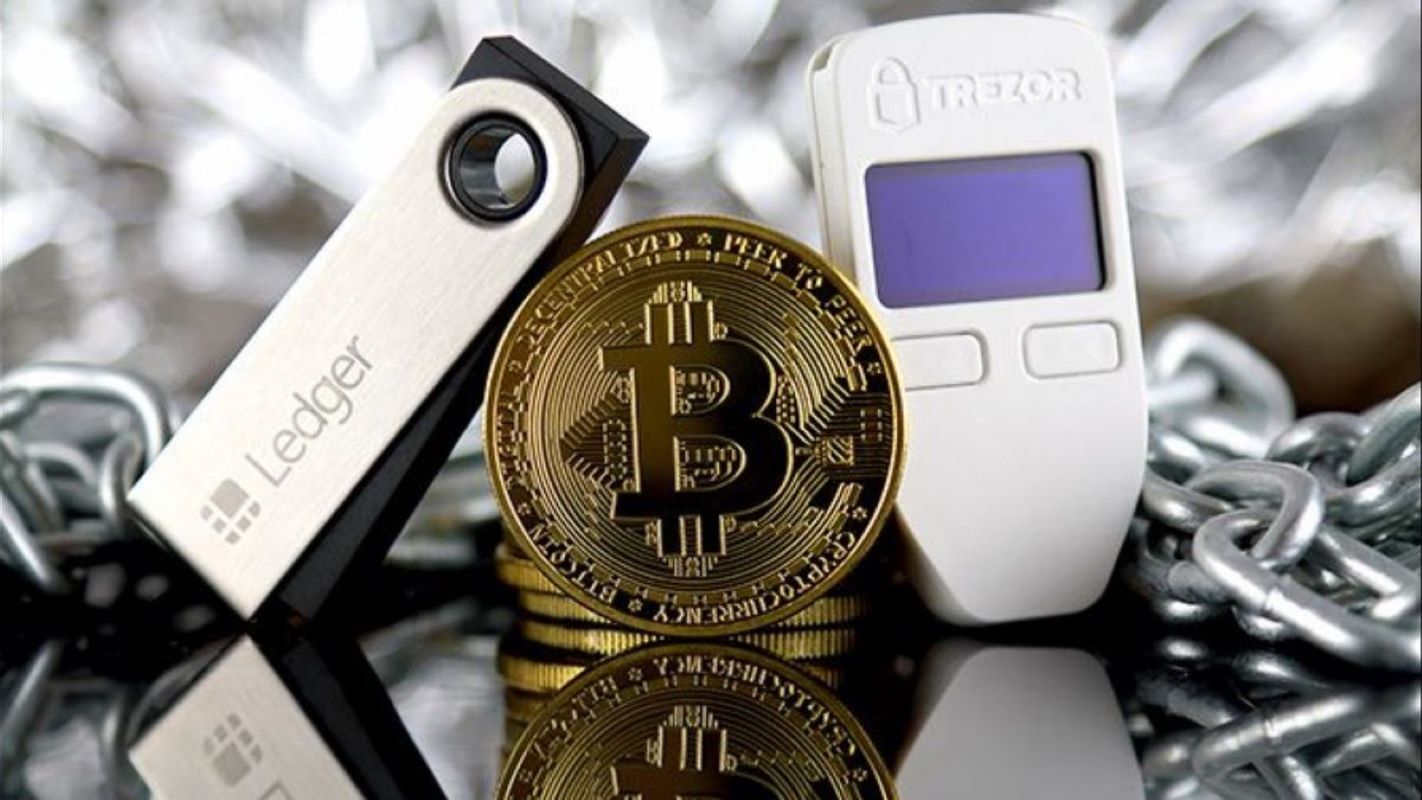
1. USB-Connected Hardware Wallets: USB-connected hardware wallets are the most common type of hardware wallets. They are small devices that resemble USB drives and can be easily plugged into a computer or mobile device. These wallets typically have a small screen and buttons for navigation and transaction confirmation. Some popular USB-connected hardware wallets include Ledger Nano S, Trezor One, and KeepKey.
2. Smartcard-based Hardware Wallets: Smartcard-based hardware wallets use smartcard technology to securely store private keys. These wallets require a card reader device to connect to a computer. The private keys are stored within a secure chip embedded in the smartcard. The Ledger Nano X is an example of a smartcard-based hardware wallet.
Within these two main types, hardware wallets may differ in terms of features, security measures, and supported cryptocurrencies. Some hardware wallets may have additional security features such as secure elements or built-in fingerprint sensors to enhance user authentication.
It’s important to note that while hardware wallets provide a secure storage option, it’s crucial to purchase them directly from trusted sources to avoid counterfeit or tampered devices. Always ensure that the wallet you choose is the genuine product from the official manufacturer to ensure the highest level of security.
When selecting a hardware wallet, consider factors such as ease of use, compatibility with your devices, supported cryptocurrencies, reputation of the manufacturer, and ongoing customer support. Additionally, it’s recommended to research and compare the different models available to find the one that best fits your needs and preferences.
Whether you opt for a USB-connected or smartcard-based hardware wallet, both types offer robust security and peace of mind when it comes to managing your cryptocurrencies.
Factors to Consider When Choosing a Hardware Wallet
Choosing the right hardware wallet is essential to ensure the security and usability of your cryptocurrencies. Here are some key factors to consider when making your decision:
1. Security Features: Look for a hardware wallet with advanced security features such as secure elements or secure chips. These features help protect your private keys from physical or software attacks. Additionally, check if the manufacturer undergoes regular security audits and updates the firmware to address any potential vulnerabilities.
2. Supported Cryptocurrencies: Ensure that the hardware wallet you choose supports the cryptocurrencies you plan to store. Not all wallets support the same range of digital assets, so it’s important to check the compatibility list before making a purchase.
3. User Interface and Ease of Use: Consider the user interface and overall user experience of the hardware wallet. Look for a wallet with an intuitive interface and easy-to-navigate menus. The device’s buttons and screen should be user-friendly and responsive, ensuring smooth transaction confirmation and management.
4. Compatibility: Check if the hardware wallet is compatible with your operating system, whether it’s Windows, Mac, Linux, or mobile platforms like iOS or Android. This ensures that you can seamlessly integrate your hardware wallet with your preferred devices.
5. Reputation and Trustworthiness: Research the reputation and track record of the hardware wallet manufacturer. Look for reputable companies with a history of manufacturing secure and reliable hardware wallets. Reading reviews and seeking recommendations from trusted sources can help you make an informed decision.
6. Price: Consider the price of the hardware wallet and evaluate it in relation to the features, security, and support it offers. While quality hardware wallets often come at a higher price, it’s important to find a balance between your budget and the level of security you require.
7. Ongoing Support and Updates: Check if the hardware wallet manufacturer provides regular firmware updates and offers responsive customer support. It’s essential to choose a wallet that continues to receive updates to address security issues and improvements in the cryptocurrency ecosystem.
8. Backup and Recovery Options: Consider the backup and recovery options offered by the hardware wallet. Look for wallets that provide easy-to-follow instructions for creating a recovery seed or wallet backup. These options are crucial in case your hardware wallet is lost, stolen, or damaged.
By carefully considering these factors, you can choose a hardware wallet that aligns with your security requirements and provides a user-friendly experience. Remember, the security and protection of your cryptocurrencies should be a top priority when selecting a hardware wallet.
Setting Up and Using a Hardware Wallet
Setting up and using a hardware wallet is a straightforward process that ensures the security of your cryptocurrencies. Here are the steps involved:
1. Choose a Hardware Wallet: Research and select a hardware wallet that meets your requirements in terms of security features, supported cryptocurrencies, and ease of use.
2. Purchase a Genuine Device: Buy your hardware wallet directly from the official manufacturer or authorized resellers to avoid counterfeit or tampered devices.
3. Setup Process: Follow the manufacturer’s instructions to set up your hardware wallet. This usually involves connecting the device to your computer or mobile device and installing the necessary software or app.
4. Create a New Wallet: During the setup process, you will be prompted to create a new wallet. Follow the instructions and ensure to generate a strong, unique PIN code or password.
5. Backup Your Recovery Seed: After creating your wallet, you will be given a recovery seed, which is a series of words. Write down these words and store them in a safe place. The recovery seed is crucial for restoring your wallet in case your hardware wallet is lost or damaged.
6. Add Accounts: Depending on the hardware wallet, you may need to add accounts for the cryptocurrencies you wish to store. Follow the instructions to add your desired accounts, ensuring you correctly select the cryptocurrency type and network (e.g., Bitcoin Mainnet or Ethereum).
7. Receive and Send Transactions: To receive funds, share your wallet address with the sender. To send funds, enter the recipient’s address and the amount you wish to send, then confirm the transaction on your hardware wallet’s screen.
8. Manage and Monitor: Use the hardware wallet’s software or app to monitor your account balances and transaction history. You can often view detailed information about each transaction, such as confirmations and fees.
9. Keep Your Hardware Wallet Secure: Safely store your hardware wallet when not in use, ensuring it is protected from physical damage, theft, or unauthorized access. Keep your PIN code or password confidential and avoid sharing it with others.
10. Stay Informed: Stay updated with the latest firmware releases and security recommendations from the hardware wallet manufacturer. Regularly check for software updates and install them to ensure you have the latest security enhancements and features.
By following these steps and practicing good security habits, you can confidently set up and use your hardware wallet to securely manage your cryptocurrencies.
Security Measures and Features of Hardware Wallets
Hardware wallets are designed with robust security measures to protect your cryptocurrencies from unauthorized access and potential threats. Here are some common security measures and features found in hardware wallets:
1. Offline Storage: Hardware wallets store your private keys offline, away from potential online threats, such as hackers or malware. This isolation ensures that your keys cannot be compromised through internet-connected devices.
2. Secure Element: Many hardware wallets incorporate a secure element, a dedicated chip designed to store and protect private keys. The secure element provides advanced encryption and authentication, making it extremely difficult for attackers to extract sensitive information.
3. PIN Code or Password: During the initial setup of a hardware wallet, you are required to create a PIN code or password. This PIN code acts as an additional layer of protection by preventing unauthorized access to your device and funds.
4. Two-Factor Authentication (2FA): Some hardware wallets support two-factor authentication, requiring an additional verification step beyond the PIN code or password. This can include using a second device (e.g., smartphone) or a biometric factor (e.g., fingerprint or facial recognition).
5. Display Confirmation: Hardware wallets typically have a built-in display that shows transaction details. Before approving a transaction, you can verify the recipient address, amount, and fees on the device’s screen. This mitigates the risk of sending funds to the wrong address due to phishing attempts or malicious software.
6. Limited Exposure: When using a hardware wallet to perform a transaction, your private keys never leave the device. They remain securely stored within the hardware wallet, reducing the risk of being exposed to potential malware or keyloggers on your computer or mobile device.
7. Tamper Resistance: Hardware wallets are designed to resist physical tampering attempts. They often come with protective enclosures, anti-tamper seals, and mechanisms that erase sensitive data when unauthorized attempts are detected.
8. Firmware Updates: Manufacturers regularly release firmware updates to address security vulnerabilities and improve the overall performance of hardware wallets. It is important to keep your hardware wallet’s firmware up to date to benefit from the latest security enhancements.
9. Recovery Options: Hardware wallets provide backup and recovery options to retrieve your funds in case your device is lost, damaged, or stolen. This usually involves using a recovery seed, a set of words that can be used to restore your wallet onto a new device.
10. Open-Source Audits: Some hardware wallet manufacturers undergo open-source audits, allowing independent security experts and the wider community to review and assess the security measures implemented in the devices. This transparency helps ensure the reliability and trustworthiness of the hardware wallet.
By incorporating these security measures and features, hardware wallets offer a robust and secure solution for storing and managing cryptocurrencies. However, it’s important to note that while hardware wallets significantly reduce the risk of theft and unauthorized access, practicing good security hygiene and staying vigilant are still essential for protecting your digital assets.
Backup and Recovery Options for Hardware Wallets
Backup and recovery options are critical for protecting your cryptocurrencies in the event of a hardware failure, loss, or theft. Hardware wallet manufacturers provide various methods to ensure you can securely recover your funds. Here are some common backup and recovery options:
1. Recovery Seed: A recovery seed, also known as a mnemonic phrase or backup seed, is a sequence of randomly generated words. It serves as a backup of your private keys and can be used to restore your wallet onto a new or reset device. It is crucial to write down your recovery seed and store it in a safe place offline. This backup enables you to recover your wallet and access your funds even if your hardware wallet is lost, damaged, or stolen.
2. Passphrase: Some hardware wallets support the use of a passphrase in addition to the recovery seed. This additional layer of security can be set up during the initial wallet setup or later. The passphrase acts as an extra password and provides an additional level of protection to your funds.
3. Multiple Backup Locations: To mitigate the risk of losing your recovery seed, consider storing multiple copies in different secure locations. You can keep one copy in a home safe, another in a bank safety deposit box, or with a trusted family member. Properly label and protect these physical copies to ensure they remain intact and confidential.
4. Cryptographic Shamir Backup: Some hardware wallet manufacturers offer advanced backup solutions like cryptographic Shamir backup. This method allows you to split your recovery seed into multiple chunks or shares, and you only need a subset of those shares to recover your wallet. This provides additional security by reducing the risk of someone gaining access to your entire recovery seed.
5. Hardware Wallet Initialization: In case your hardware wallet is lost or damaged, you can initialize a new device using your recovery seed and set up a new wallet. The recovery process typically involves entering each word of the recovery seed in the correct order on the new device. Once completed, the new hardware wallet will have access to your funds and transaction history.
6. Follow Manufacturer’s Instructions: It is crucial to carefully follow the manufacturer’s instructions when performing a recovery using the backup options provided by your specific hardware wallet. Each manufacturer may have slightly different processes, and it is important to follow their guidelines precisely to avoid any potential errors.
7. Regular Backup Check: Periodically check the reliability of your backup solution by restoring your wallet using your recovery seed. This allows you to confirm that your backup is accurate and the process is working as expected. It is recommended to do this in a secure and offline environment to minimize the risk of exposing your recovery seed.
Having a reliable backup and recovery plan is essential in ensuring the safety and accessibility of your cryptocurrencies stored in a hardware wallet. By taking the necessary measures to create and securely store your recovery seed, you can have peace of mind knowing that your funds can be recovered even in the event of unforeseen circumstances.
Comparing Hardware Wallets
When choosing a hardware wallet, it’s important to compare different options to find the one that best suits your needs. Here are some aspects to consider when comparing hardware wallets:
1. Security: Security should be a top priority when selecting a hardware wallet. Look for wallets that use advanced security features like secure elements or secure chips. Additionally, consider if the manufacturer undergoes regular security audits and releases firmware updates to address potential vulnerabilities.
2. Supported Cryptocurrencies: Check if the hardware wallet supports the cryptocurrencies you plan to store. Make sure your desired digital assets are compatible with the wallet you choose to ensure seamless management of your portfolio.
3. User Interface: Consider the user interface and ease of use of the hardware wallet. Look for devices with intuitive interfaces, easy-to-navigate menus, and responsive buttons or touchscreens. A user-friendly interface can greatly enhance your experience in managing your cryptocurrencies.
4. Compatibility: Ensure that the hardware wallet is compatible with your operating systems and devices. Some wallets may only be compatible with specific operating systems or have limited mobile app support. Check compatibility requirements before making a purchase.
5. Price and Value: Compare the prices of different hardware wallets and assess the value they offer. Consider the security features, supported cryptocurrencies, and overall reputation of the manufacturer. Strike a balance between your budget and the level of security and functionality you require.
6. Backup and Recovery Options: Evaluate the backup and recovery options provided by each hardware wallet. Look for wallets that offer reliable recovery seed backups and have clear instructions for the recovery process. Proper backup and recovery options ensure that your funds can be restored if your hardware wallet is lost or damaged.
7. Customer Support: Research the quality of customer support provided by the hardware wallet manufacturer. Check if they offer responsive support channels, such as email, live chat, or a support ticket system. Good customer support can be crucial in resolving any issues or inquiries you may have.
8. Reputation and Reviews: Read reviews and consider the reputation of the hardware wallet manufacturer. Look for feedback from other users to assess their experiences with the wallet’s security, performance, and reliability. Reputable manufacturers with positive reviews are more likely to provide a trustworthy and quality product.
9. Ongoing Development: Consider the commitment of the hardware wallet manufacturer to ongoing development and improvements. Look for wallets that regularly release firmware updates to address security vulnerabilities and enhance functionality based on user feedback and advancements in the cryptocurrency industry.
10. Additional Features: Pay attention to any additional features offered by the hardware wallet, such as compatibility with third-party applications, integration with popular wallets or exchanges, or multi-signature functionality. These features can add convenience and flexibility to your cryptocurrency management.
By comparing hardware wallets based on these factors, you can make an informed decision and select the one that best aligns with your security requirements, usability preferences, and cryptocurrency portfolio.
Frequently Asked Questions About Hardware Wallets
Here are some common questions and answers regarding hardware wallets:
1. Are hardware wallets safe?
Yes, hardware wallets are considered one of the safest methods for storing cryptocurrencies. Their offline storage, secure elements, and advanced encryption techniques protect your private keys from potential online threats and malicious attacks.
2. Can I store multiple cryptocurrencies on a hardware wallet?
Yes, most hardware wallets support a wide range of cryptocurrencies. Before purchasing a hardware wallet, ensure that it supports the specific digital assets you plan to store.
3. How do I set up a hardware wallet?
Setting up a hardware wallet generally involves connecting the device to your computer or mobile device, installing the necessary software or app, and following the on-screen instructions to create a new wallet.
4. What happens if my hardware wallet is lost or damaged?
If your hardware wallet is lost or damaged, you can restore your wallet and access your funds using the recovery seed provided during the initial setup. By following the manufacturer’s instructions, you can set up your hardware wallet on a new or reset device.
5. Are hardware wallets compatible with mobile devices?
Yes, many hardware wallets are compatible with mobile devices. They usually connect via USB or Bluetooth and have dedicated apps that allow you to manage your cryptocurrencies on the go.
6. Can I use a hardware wallet with multiple devices?
Yes, you can typically use a hardware wallet with multiple devices as long as they are compatible with the specific hardware wallet model. This allows you to access and manage your cryptocurrencies from different computers or mobile devices.
7. Are hardware wallets immune to hacking or theft?
While hardware wallets provide a high level of security, it’s important to practice good security habits and stay vigilant. Hardware wallets significantly reduce the risk of hacking or theft, but it’s still important to keep your recovery seed secure and avoid sharing sensitive information.
8. Do I need to update the firmware of my hardware wallet?
Yes, it is recommended to regularly update the firmware of your hardware wallet. Firmware updates often include security enhancements and bug fixes, ensuring that your wallet remains secure and up to date with the latest developments in the cryptocurrency industry.
9. Can I use a hardware wallet as a standalone device?
Hardware wallets are designed to work in conjunction with computer or mobile device software. While they securely store your private keys offline, they require a computer or mobile device to send and receive transactions.
10. How do I know if a hardware wallet is genuine?
To ensure the authenticity of a hardware wallet, it is important to purchase it directly from the official manufacturer or authorized resellers. Avoid purchasing from unknown sources or third-party marketplaces to minimize the risk of receiving counterfeit or tampered devices.
By addressing these frequently asked questions, we hope to provide clarity and assistance in understanding the functionality, security, and usage of hardware wallets.