Common Causes of Hardware Wallet Breakage
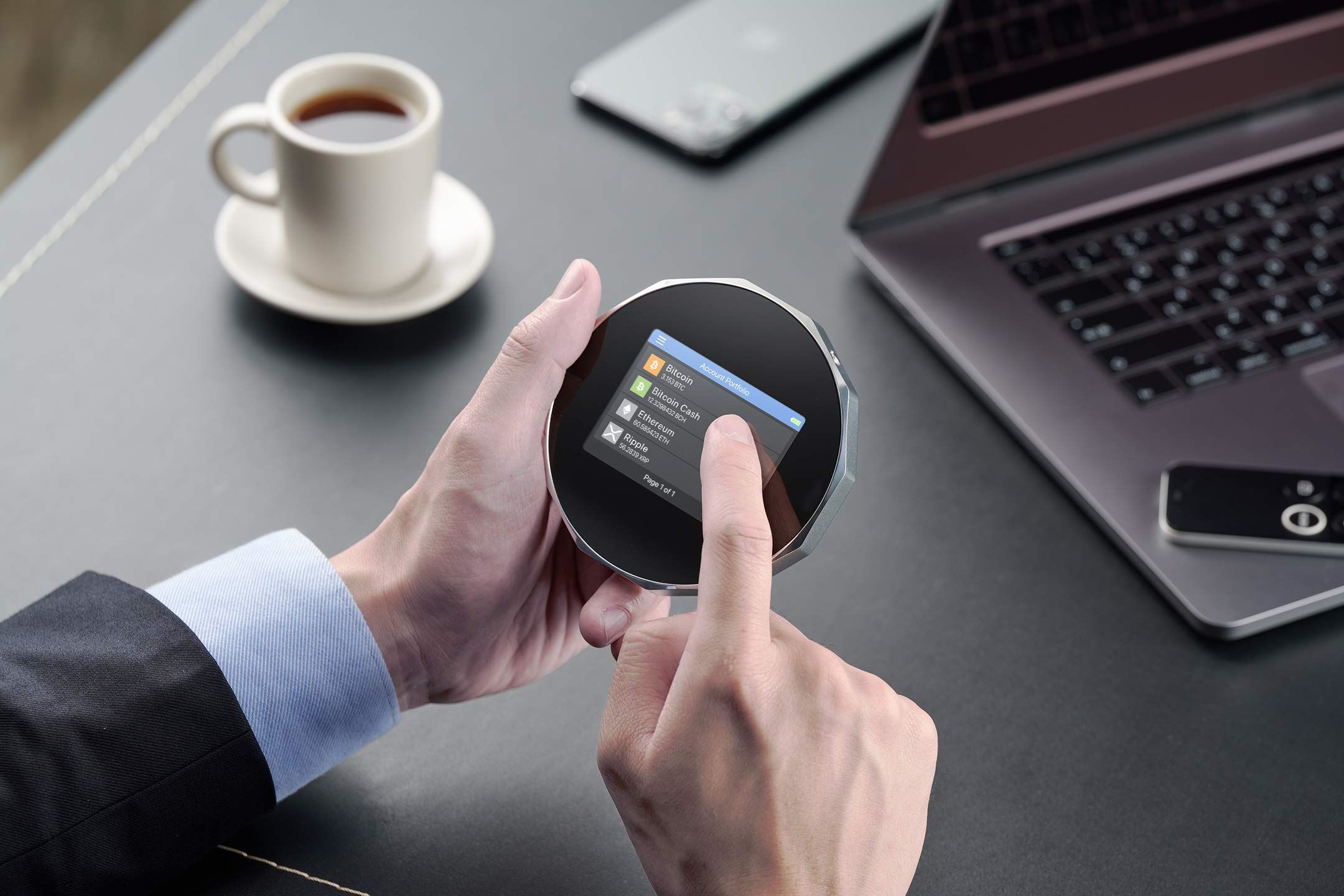
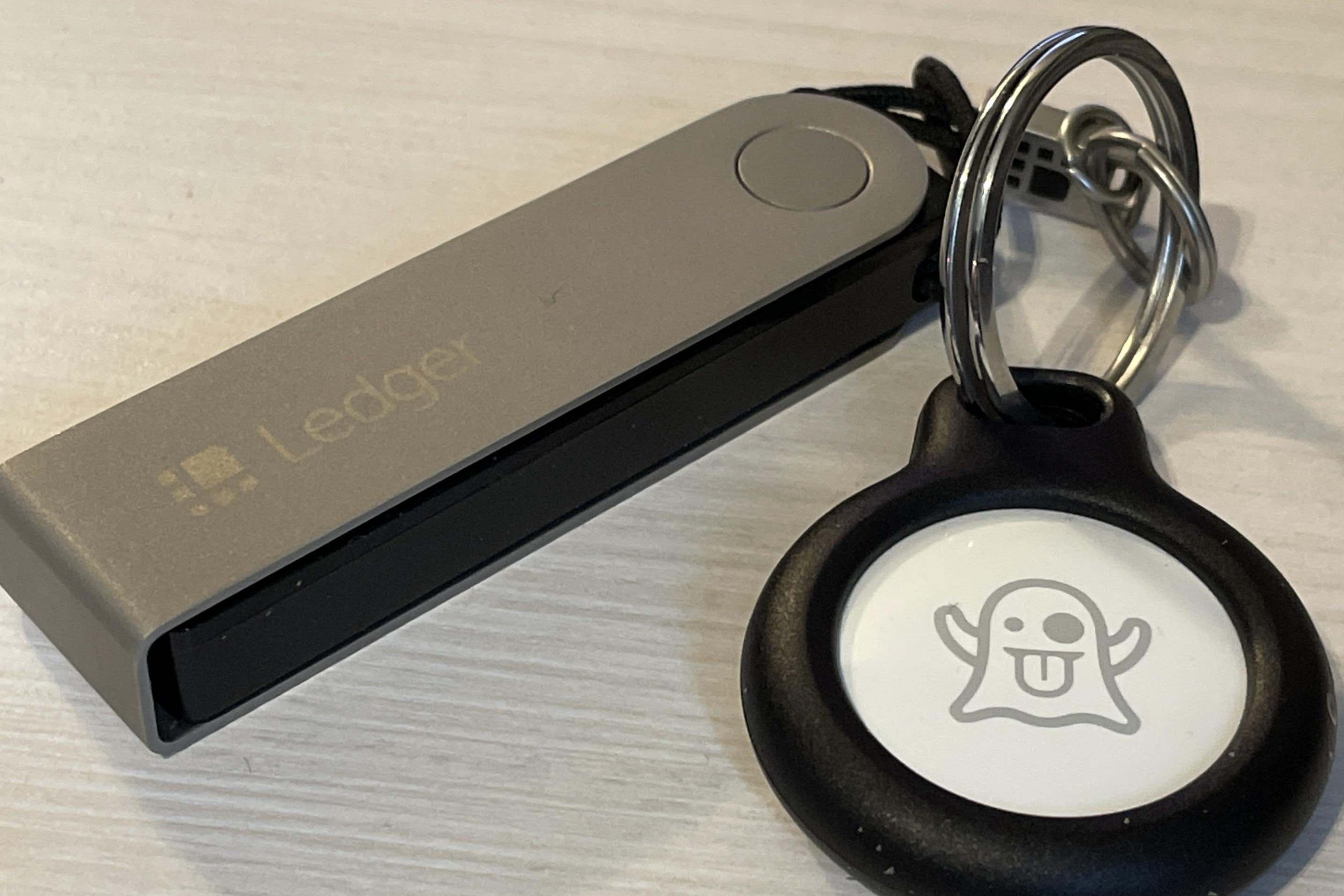
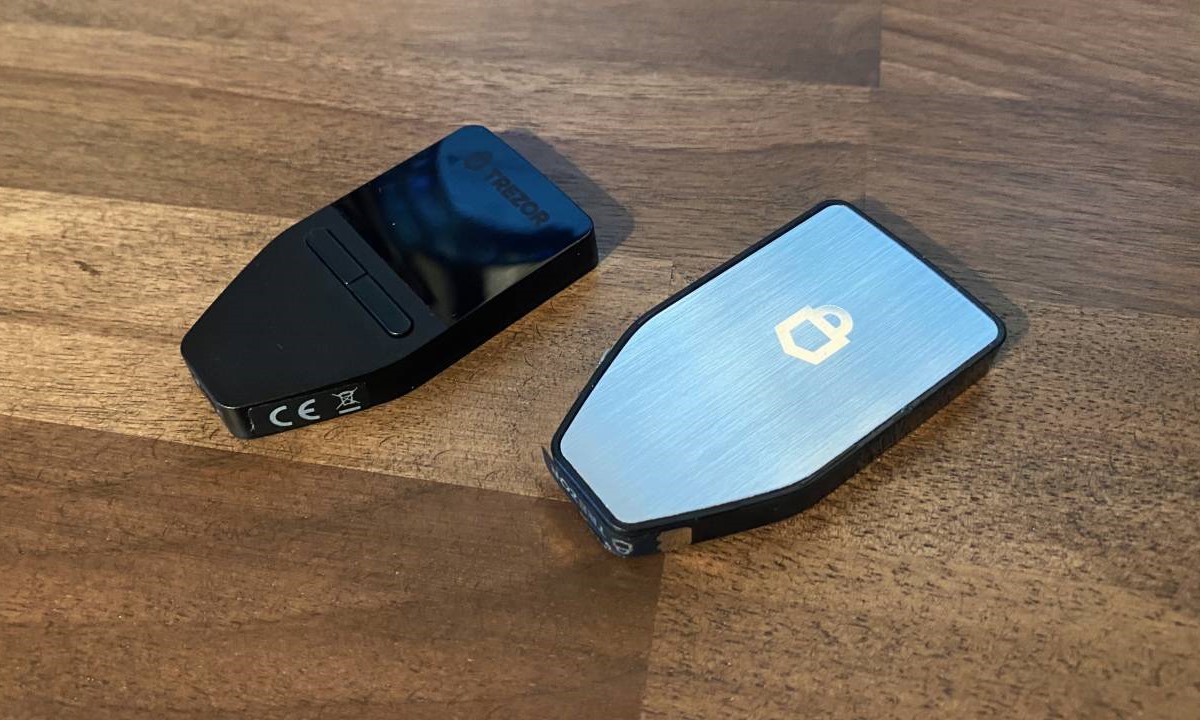
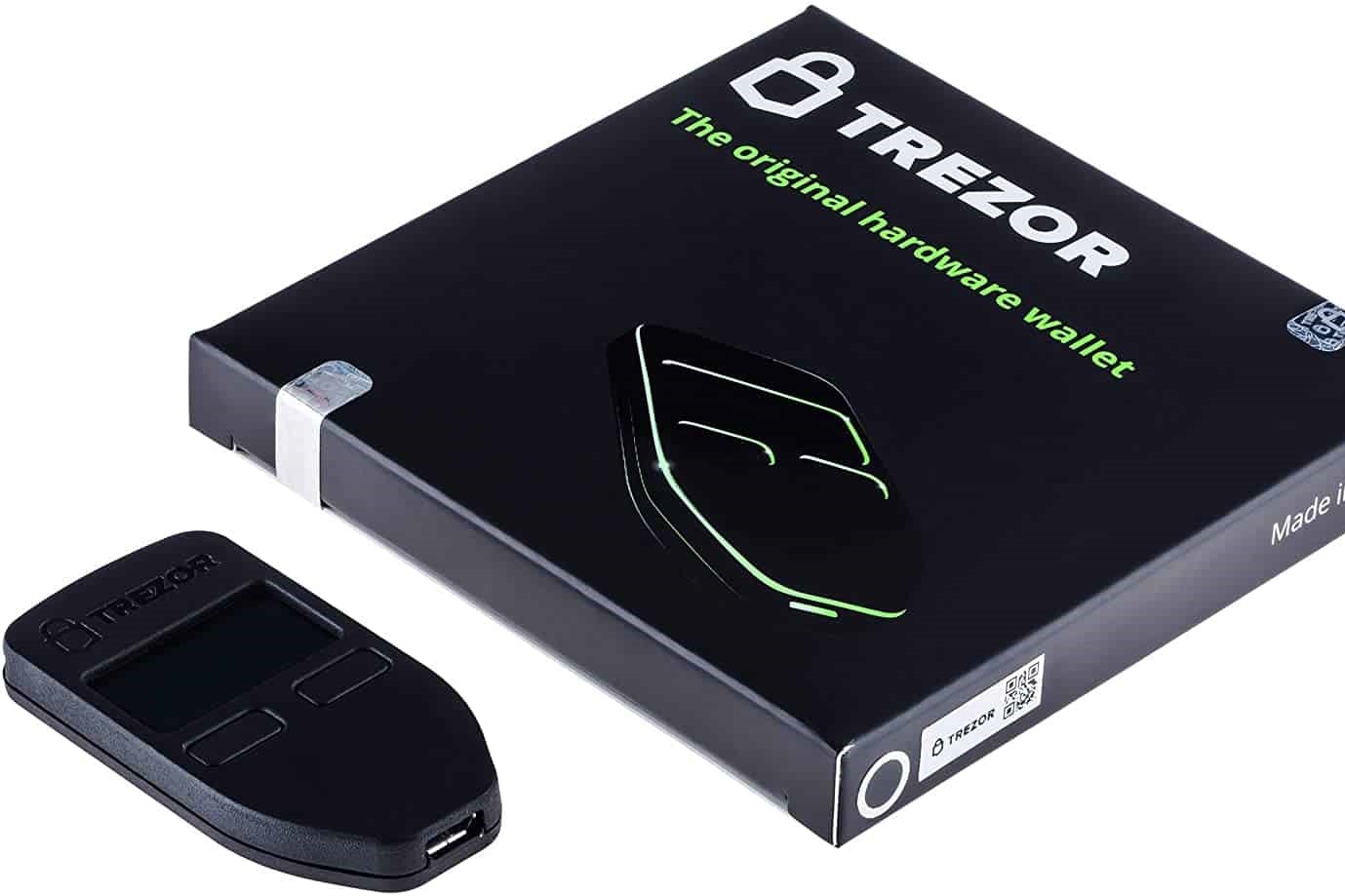
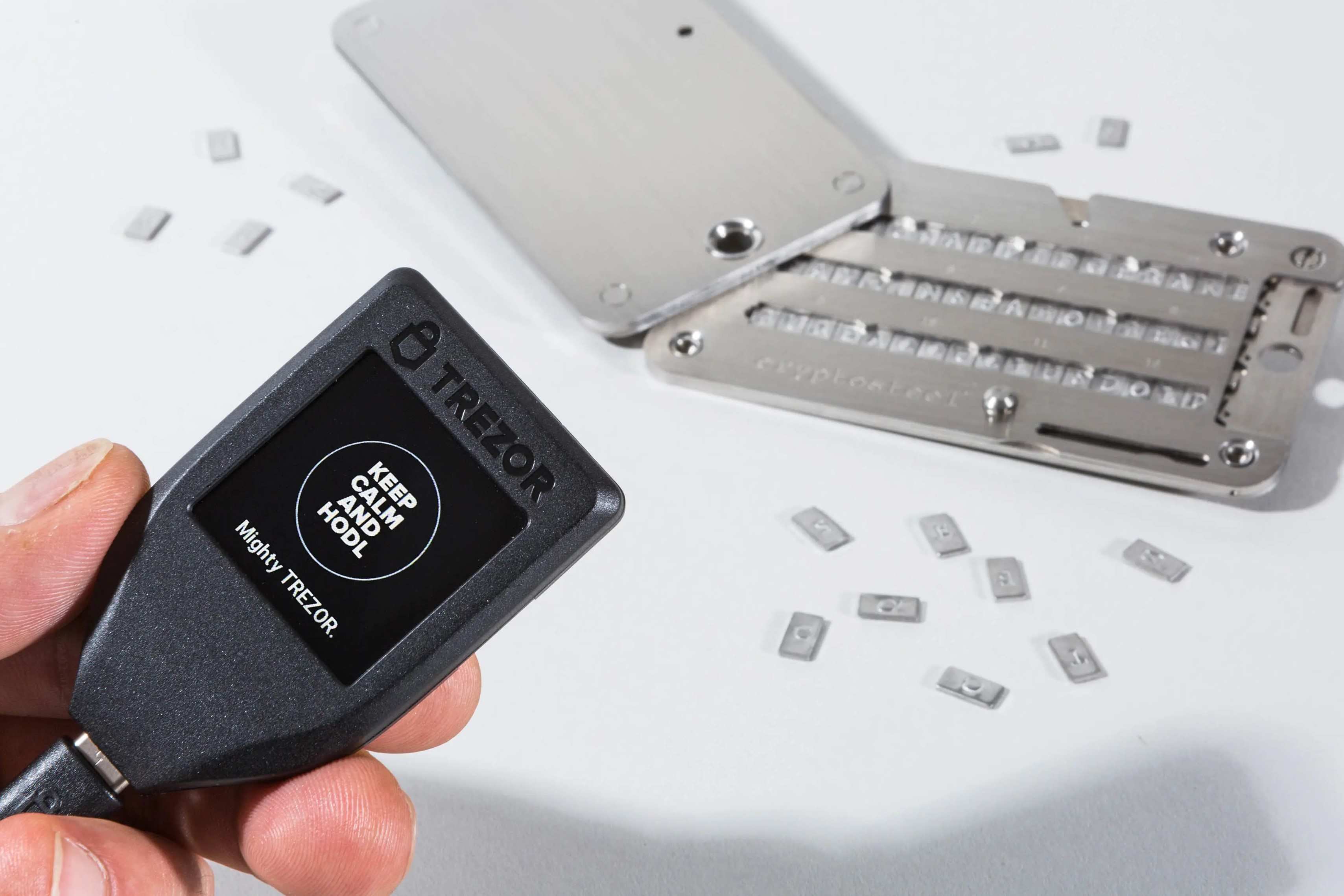
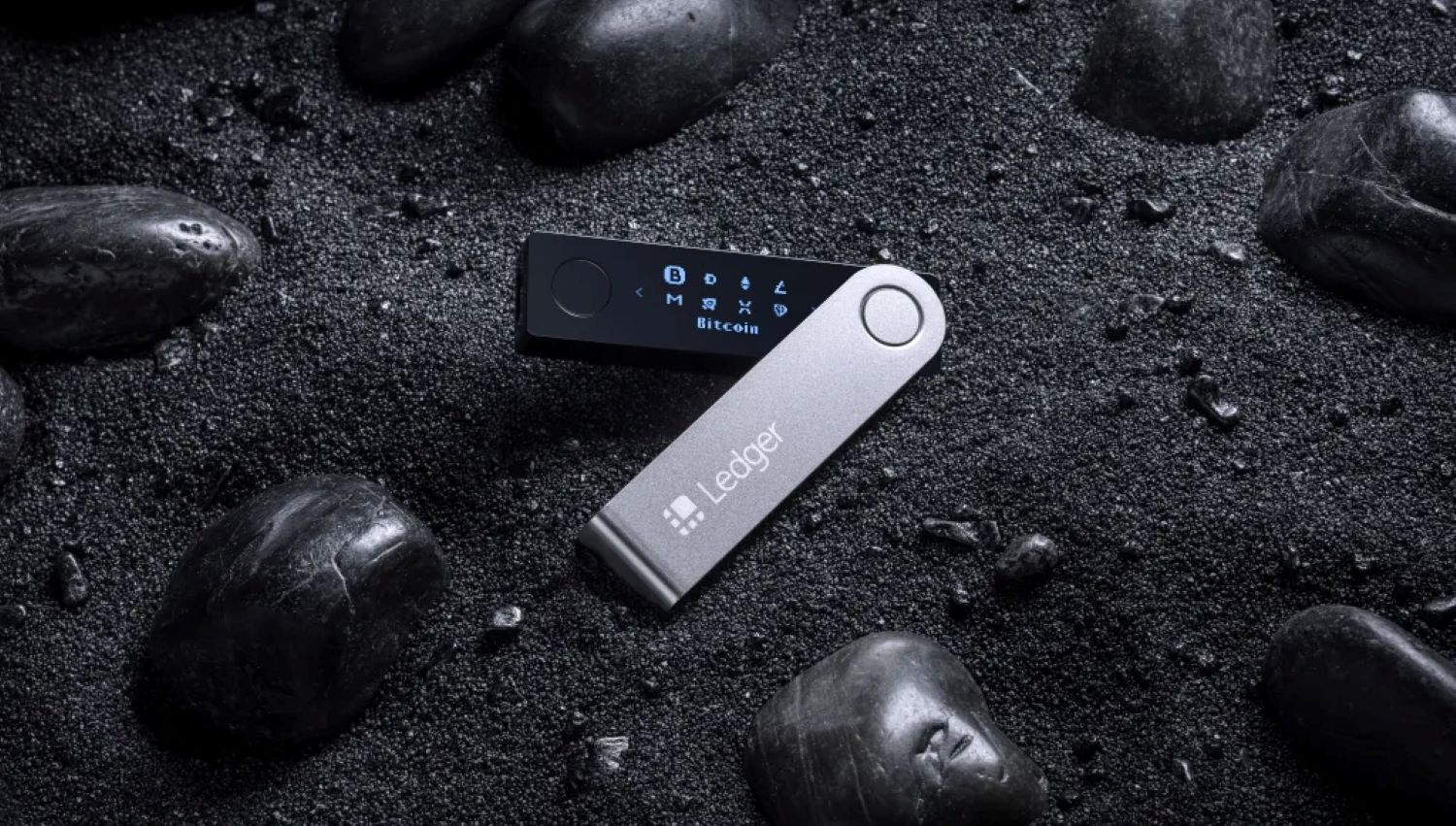
A hardware wallet is designed to securely store your cryptocurrencies offline, protecting them from online threats. However, despite their robust construction, hardware wallets can still break due to various reasons. Understanding the common causes of hardware wallet breakage can help you prevent potential damage and keep your digital assets safe.
1. Physical Damage: Accidental drops, spills, or mishandling can lead to physical damage to your hardware wallet. Even though hardware wallets are built to withstand some amount of physical stress, excessive impact can cause internal components to break or malfunction.
2. Water Damage: While some hardware wallets claim to be water-resistant, they are not entirely waterproof. Submerging or exposing your hardware wallet to water or other liquids can result in damage to its circuitry, rendering it unusable.
3. Exposure to Extreme Temperatures: Extreme temperatures, both hot and cold, can have a detrimental effect on the performance of your hardware wallet. Prolonged exposure to high heat or frigid conditions can cause the internal components to expand or contract, leading to functionality issues.
4. Manufacturing Defects: In rare cases, a hardware wallet may have manufacturing defects that can cause it to break or stop working properly. These defects can include faulty wiring, weak soldering, or malfunctioning buttons.
5. Firmware or Software Issues: Hardware wallets rely on firmware and software to function correctly. However, bugs or glitches in the firmware or software can cause the hardware wallet to freeze, crash, or become unresponsive.
6. Wear and Tear: Over time, the constant use of buttons and connectors on your hardware wallet can cause them to wear out or become loose. This wear and tear can affect the overall performance and durability of the device.
7. Incompatible Accessories: Using incompatible or third-party accessories with your hardware wallet can potentially cause damage. It is recommended to use only the official accessories provided by the manufacturer to ensure compatibility and avoid any unforeseen issues.
While these are some of the common causes of hardware wallet breakage, it is important to note that proper care and maintenance can significantly reduce the risk of damage. Following best practices such as regular firmware updates, keeping your hardware wallet in a protective case, and handling it with care can go a long way in ensuring its longevity.
Steps to Take When a Hardware Wallet Breaks
Discovering that your hardware wallet is broken can be distressing, but it’s important to take the right steps to minimize any potential risks and ensure the safety of your cryptocurrencies. Here are the steps you should follow when your hardware wallet breaks:
1. Assess the Damage: Start by examining the extent of the damage to your hardware wallet. Look for any visible signs of physical damage or malfunctioning components. This will help you determine if the wallet can be repaired or if you need to transfer your funds to a new wallet.
2. Disconnect and Isolate: If your hardware wallet is still connected to a computer or mobile device, disconnect it immediately. This prevents any further potential risks, such as unauthorized access or malicious activity. Isolate the broken hardware wallet from any other devices or networks.
3. Contact Customer Support: Reach out to the customer support team of the hardware wallet manufacturer. Most reputable companies offer support services to help users in such situations. They may provide guidance on troubleshooting or offer solutions for repairing the broken wallet.
4. Follow the Manufacturer’s Instructions: If the customer support team advises you to send the hardware wallet for repair or replacement, follow their instructions carefully. Make sure to package the wallet securely and use a reliable shipping method to avoid any additional damage during transit.
5. Recover Your Seed Phrase: If your hardware wallet is irreparably damaged, you will need to recover your seed phrase, also known as a recovery phrase or backup phrase. This phrase is a crucial component in restoring access to your cryptocurrency funds.
6. Transfer Funds to a New Wallet: Once you have recovered your seed phrase, set up a new hardware or software wallet. Follow the instructions provided by the manufacturer to import your existing wallet or transfer the funds from your broken wallet to the new one. Double-check the accuracy of the wallet addresses to prevent any loss of funds.
7. Strengthen Security: After transferring your funds to a new wallet, take additional security measures. Consider enabling two-factor authentication, setting up a strong PIN or passphrase, and regularly updating your wallet’s firmware and software. This helps protect your funds from potential threats.
Remember, it’s crucial to remain calm and act swiftly when your hardware wallet breaks. By following these steps and seeking assistance from the manufacturer’s support team, you can navigate through the situation and ensure the safety of your cryptocurrency investments.
Data Recovery Options for a Broken Hardware Wallet
Experiencing a broken hardware wallet can be a stressful situation, especially if you have valuable cryptocurrency stored on it. However, there are several data recovery options available that can help you retrieve your funds. Here are some solutions to consider when faced with a broken hardware wallet:
1. Contact the Hardware Wallet Manufacturer: The first step is to reach out to the manufacturer’s customer support team. They may have specific data recovery procedures or solutions for retrieving funds from a broken wallet. Provide them with detailed information about the issue and follow their instructions carefully.
2. Seek Professional Assistance: If the hardware wallet manufacturer is unable to provide a suitable solution, you can explore professional data recovery services. There are experts who specialize in recovering data from damaged storage devices, including hardware wallets. However, be prepared for the potentially high costs associated with these services.
3. Utilize Backup Options: Most hardware wallet manufacturers provide users with backup options during the initial setup process. These options typically include a recovery seed phrase or a backup file. If you have safely stored your backup information, you can use it to restore your wallet and access your funds on a new hardware wallet or a compatible software wallet.
4. Consider DIY Recovery Methods: While not recommended for novice users, there may be certain do-it-yourself (DIY) recovery methods available for specific hardware wallet models. These methods usually involve advanced technical procedures and carry risks, so it’s crucial to thoroughly research and understand the process before attempting it.
5. Collaborate with Online Communities: Engaging with online communities and forums dedicated to cryptocurrency and hardware wallets can provide valuable insights and potential solutions. Some experienced users may have encountered similar issues and can offer guidance or suggestions based on their own experiences.
It’s important to note that data recovery options for a broken hardware wallet can vary depending on the specific model and circumstances. Additionally, it’s always recommended to take precautionary measures to prevent data loss by regularly backing up your wallet information and securely storing your recovery seed phrase.
Remember, the ultimate goal is to regain access to your funds in a secure manner. Take your time to explore the available options, weigh the risks and benefits, and choose the option that best suits your situation and level of expertise.
Transferring Funds to a New Hardware Wallet
When your hardware wallet breaks, it’s essential to transfer your funds to a new wallet to ensure the security and accessibility of your cryptocurrency. Here are the steps to follow when transferring funds to a new hardware wallet:
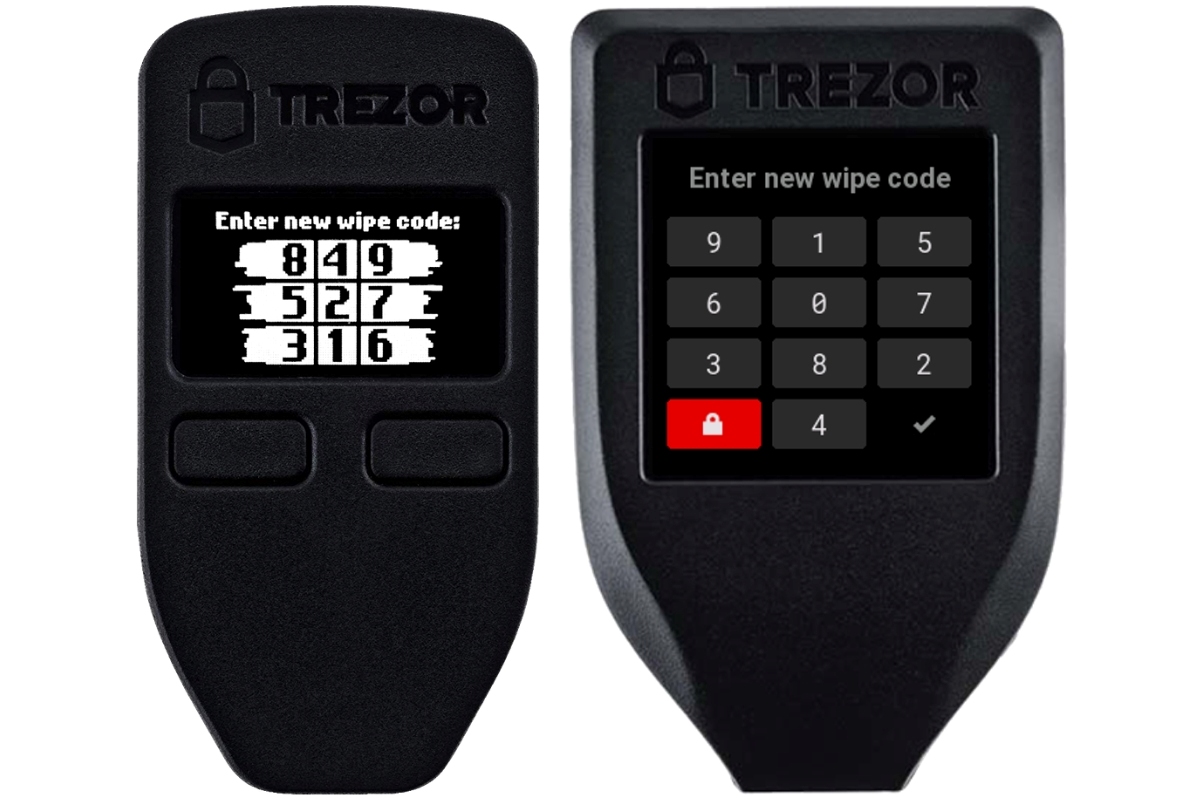
1. Choose a New Hardware Wallet: Research and select a new hardware wallet that meets your needs and security preferences. Ensure that it supports the cryptocurrencies you hold and offers a user-friendly interface. Popular options include Ledger, Trezor, and KeepKey.
2. Set Up the New Hardware Wallet: Follow the manufacturer’s instructions to set up your new hardware wallet. This typically involves installing the wallet’s firmware and software, creating a new wallet, and generating a new wallet address.
3. Retrieve Your Recovery Seed Phrase: If your broken hardware wallet allows you to access your recovery seed phrase, retrieve it securely. This phrase is crucial for recovering your cryptocurrency funds in case of a wallet failure or loss.
4. Import Your Wallet to the New Hardware Wallet: Using the recovery seed phrase, import your wallet into the new hardware wallet. Follow the manufacturer’s instructions to ensure a smooth transition. Confirm that the imported wallet matches your previous wallet’s balance and transaction history.
5. Transfer Funds from the Broken Wallet: Once your new hardware wallet is set up and your wallet has been imported, initiate the transfer of your funds. This typically involves creating a transaction and specifying the recipient address. Double-check the accuracy of the address to avoid any errors that could result in the loss of your funds.
6. Confirm the Transaction: Before finalizing the transaction, review the details to ensure the correct amount and recipient address. Depending on the hardware wallet and the blockchain network, you may need to confirm the transaction using the device’s buttons or other security features.
7. Monitor the Confirmation: After initiating the transfer, monitor the blockchain network to ensure the successful confirmation of the transaction. This may take some time, depending on network congestion and the specific cryptocurrency being transferred.
8. Secure Your New Hardware Wallet: Once the funds have been successfully transferred to your new hardware wallet, take additional security measures. Set up a strong PIN or passphrase, enable two-factor authentication if available, and regularly update the firmware and software of your new hardware wallet.
By following these steps, you can safely transfer your cryptocurrency funds from your broken hardware wallet to a new one. Remember to exercise caution throughout the process, double-checking addresses and ensuring the security of your recovery seed phrase to prevent any potential loss of funds.
Ensuring Security After a Hardware Wallet Breaks
Experiencing a hardware wallet breakage can be a concerning situation, but it’s important to prioritize the security of your cryptocurrency assets. Here are some steps to take to ensure security after a hardware wallet breaks:
1. Set Up a New Hardware Wallet: Invest in a new hardware wallet from a reputable manufacturer. Make sure to choose a wallet that offers high-level security features and supports the cryptocurrencies you hold. Follow the manufacturer’s instructions to set up your new wallet.
2. Enable Two-Factor Authentication (2FA): Many hardware wallets offer the option to enable 2FA, which adds an extra layer of security to your account. Set up 2FA using methods such as Google Authenticator or hardware security keys to protect your new hardware wallet from unauthorized access.
3. Create a Strong PIN or Passphrase: During the setup process, set a unique and robust PIN or passphrase for your new hardware wallet. Avoid using obvious choices or easily guessable combinations. This adds an additional layer of protection against potential security breaches.
4. Regularly Update Firmware and Software: Stay up-to-date with the latest firmware and software updates provided by the hardware wallet manufacturer. These updates often include security patches and enhanced features that help protect against emerging threats and vulnerabilities.
5. Securely Store Your Recovery Seed Phrase: After setting up your new hardware wallet, ensure you have a secure and offline backup of your recovery seed phrase. Store it in a safe place, such as a fireproof safe or a secure digital storage solution. Be sure to keep it separate from your hardware wallet to prevent potential loss or theft.
6. Keep Your Software Environment Secure: Ensure that the computer or mobile device you use to access your hardware wallet is malware-free and protected by reputable antivirus software. Regularly scan your devices for any potential threats and avoid downloading files or visiting suspicious websites that could compromise the security of your wallet.
7. Be Cautious of Phishing Attempts: Stay vigilant against phishing attempts, which aim to trick you into revealing your wallet credentials. Be cautious of unsolicited emails, messages, or links requesting sensitive information. Always verify the authenticity of any communication before sharing personal or wallet-related details.
8. Educate Yourself: Stay informed about the latest security best practices and cryptocurrency threats. Read reputable sources, follow established security experts, and engage in online communities to stay updated on potential risks and how to mitigate them.
By following these security measures, you can ensure the safety of your cryptocurrency assets even after a hardware wallet breakage. Remember that proactive security practices and regular maintenance contribute significantly to protecting your funds and minimizing the potential impact of any security incidents.
Contacting Customer Support for Help
When facing a hardware wallet issue or breakage, reaching out to the customer support team of the hardware wallet manufacturer should be one of your first steps. Here’s why contacting customer support is crucial and how they can assist you:
1. Expert Guidance: The customer support team consists of knowledgeable professionals who are well-versed in the functionality and troubleshooting of the specific hardware wallet model. They can provide you with guidance and step-by-step instructions to address your issue effectively.
2. Troubleshooting Assistance: Customer support can help you troubleshoot common problems that may arise with your hardware wallet. They can walk you through potential solutions and help identify the root cause of the issue.
3. Warranty Coverage: In many cases, hardware wallet manufacturers offer warranties that cover defects and malfunctions. By contacting customer support, you can determine if your hardware wallet is eligible for repair, replacement, or any other warranty-related support.
4. Repair Services: If your hardware wallet requires repair due to physical damage or malfunction, customer support can provide you with information on available repair services. They may offer repair options or direct you to authorized repair centers where trained professionals can assist in restoring your wallet.
5. Recovery Assistance: If you are unable to access your funds due to a hardware wallet problem, customer support can guide you through the recovery process. They can provide instructions on recovering your wallet using the recovery seed phrase or other backup methods specific to the manufacturer’s wallet.
6. Firmware and Software Updates: Customer support can inform you about the latest firmware and software updates for your hardware wallet. Keeping your device up to date ensures that you have access to the latest security features and improvements.
7. Safety Precautions: Customer support can provide additional guidance on best practices for securely handling and storing your hardware wallet. They can advise on measures to prevent future issues and assist you in maintaining the integrity of your digital assets.
When contacting customer support, be prepared to provide detailed information about your hardware wallet, the issue you are experiencing, and any relevant error messages. Be patient and follow their instructions carefully to ensure the best possible outcome.
Remember, customer support teams are there to assist you and resolve any issues you may encounter with your hardware wallet. Contacting them early on can help minimize further risks and get you back on track to securely managing your cryptocurrency funds.
Preventing Hardware Wallet Damage in the Future
Protecting your hardware wallet from damage is crucial for the security and longevity of your cryptocurrencies. By implementing the following preventive measures, you can significantly reduce the risk of experiencing hardware wallet damage:
1. Handle with Care: Treat your hardware wallet with caution and avoid subjecting it to unnecessary physical stress. Handle it gently, avoid dropping it, and be mindful of any potential impact or pressure that could damage the device.
2. Store in a Safe Place: When not in use, store your hardware wallet in a secure location. Consider using a protective case or pouch that provides shock absorption and safeguards it from environmental damage, such as dust or moisture.
3. Protect from Extreme Temperatures: Avoid exposing your hardware wallet to extreme temperatures. Keep it away from direct sunlight, heating vents, or any other sources of excessive heat or cold, as they can negatively affect its performance and lifespan.
4. Regularly Update Firmware and Software: Stay up-to-date with the latest firmware and software released by the manufacturer. Regular updates often include bug fixes, performance improvements, and security patches that help protect against potential vulnerabilities.
5. Beware of Counterfeit Products: Purchase hardware wallets only from reputable sources and authorized resellers. Be cautious of significantly discounted or suspiciously cheap devices, as they may be counterfeit and pose a higher risk of malfunctioning or compromising your funds.
6. Backup Your Recovery Seed Phrase: It’s crucial to securely back up your recovery seed phrase. Store it in a separate location from your hardware wallet, such as a fireproof safe or an encrypted digital storage solution. This ensures that you can recover your funds even if your hardware wallet becomes damaged or lost.
7. Avoid Using Third-Party Accessories: Stick to using official accessories provided by the hardware wallet manufacturer. Third-party accessories may not be properly tested or compatible, potentially causing damage to your wallet or compromising its security.
8. Regularly Check for Updates and Security Notices: Stay informed about any security notices or updates provided by the hardware wallet manufacturer. Check their website, subscribe to newsletters, or follow their social media channels to stay updated on any potential vulnerabilities or recommended security practices.
By implementing these preventive measures, you can protect your hardware wallet from unnecessary damage and ensure the safety of your cryptocurrencies. Remember, prevention is key when it comes to maintaining the integrity and security of your digital assets.