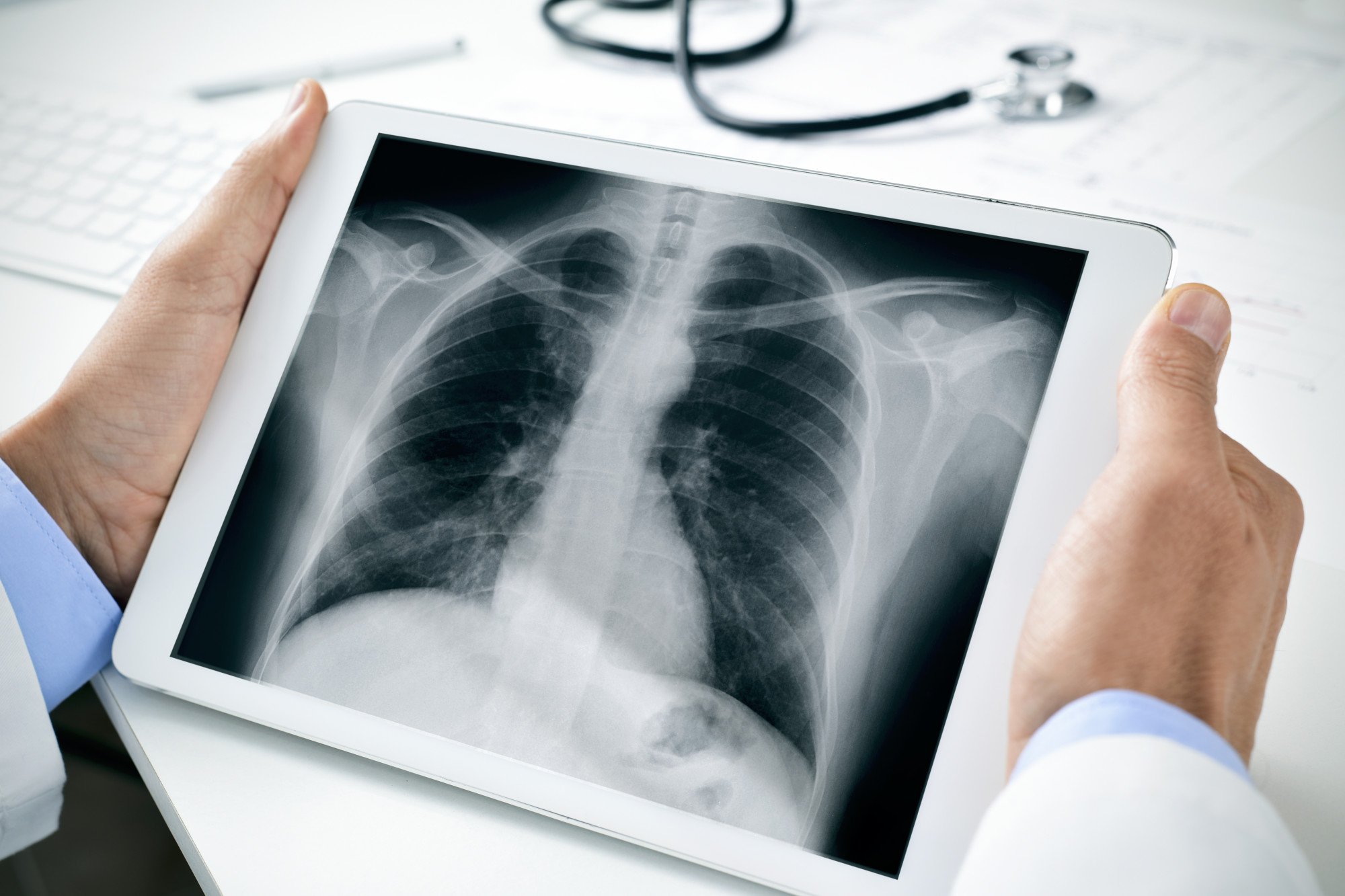
Clear and Accurate Images
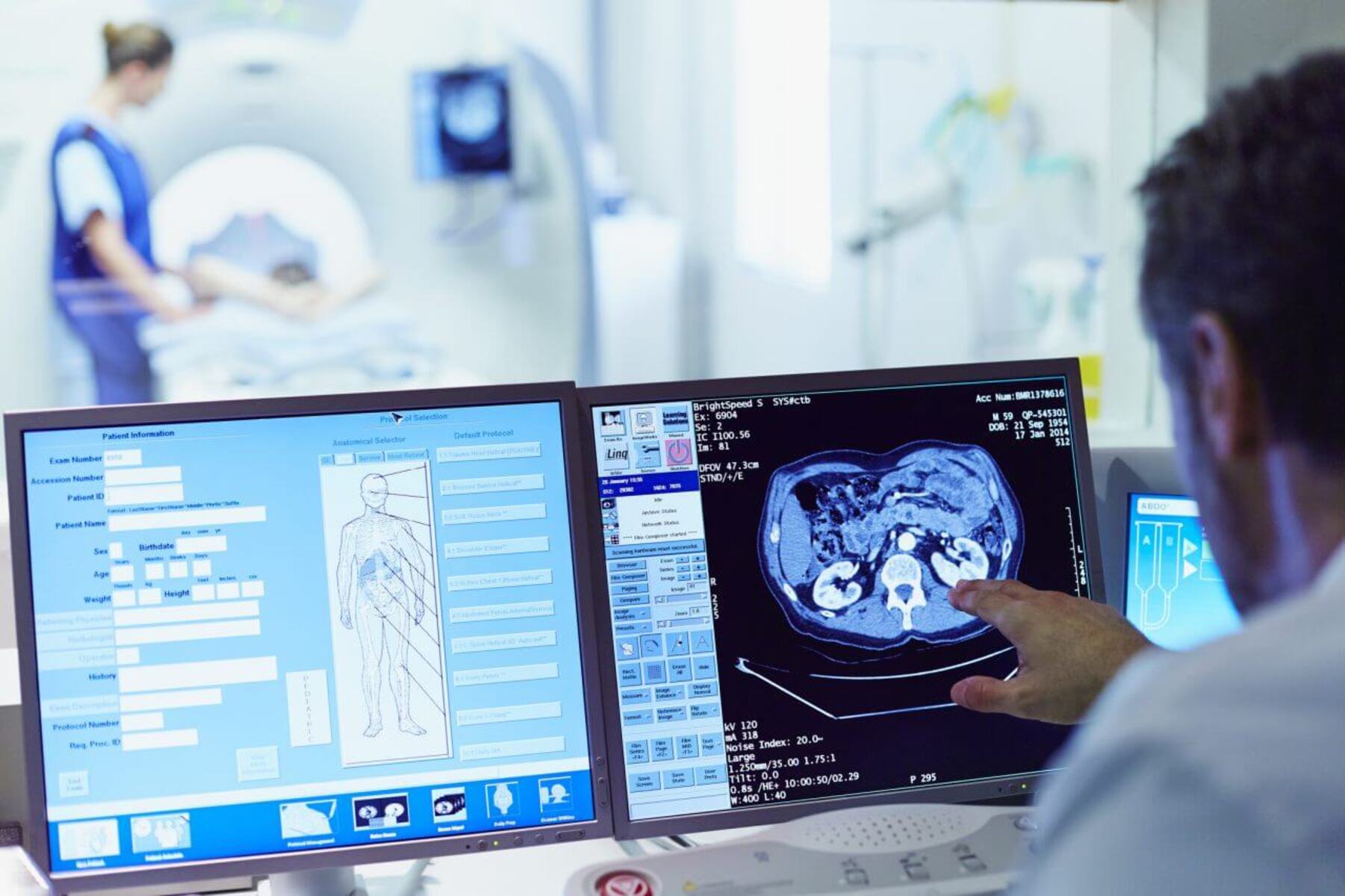
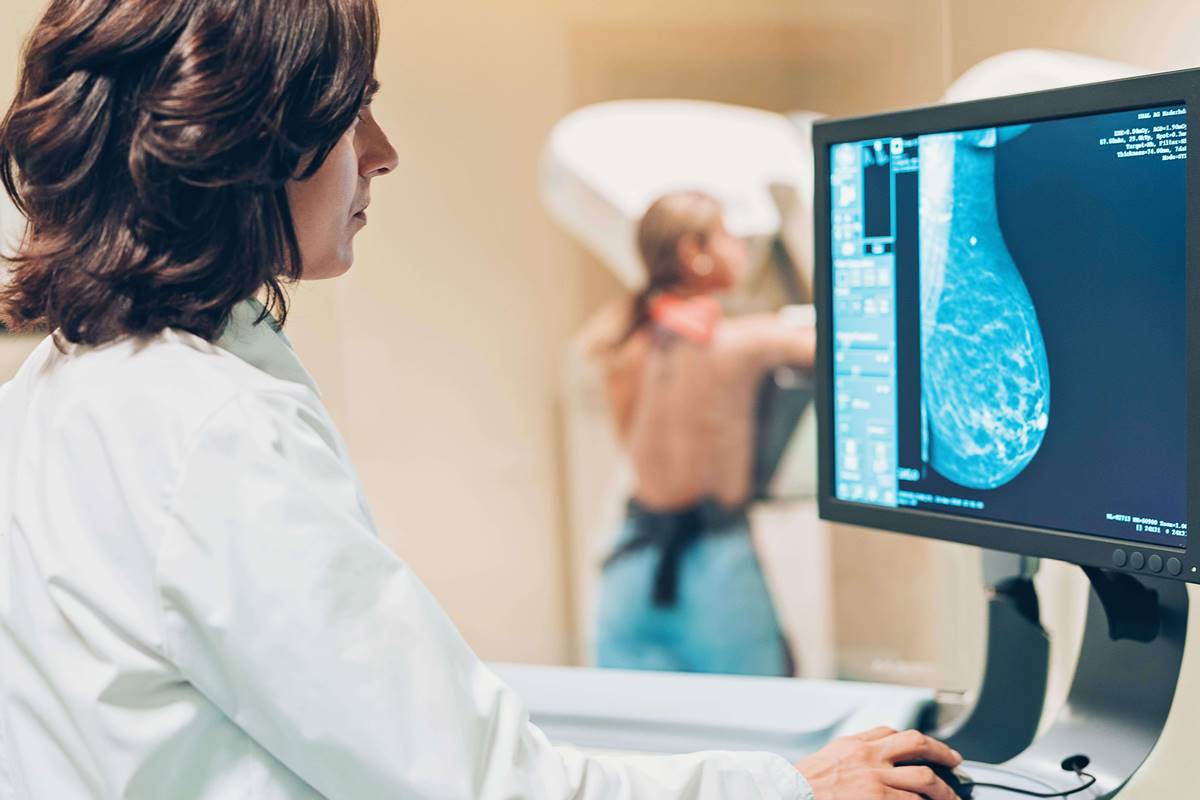
One of the key advantages of using digital X-rays over film is the ability to obtain clear and accurate images. Digital X-ray technology allows for highly detailed images, enhancing the diagnostic capabilities of healthcare professionals.
With traditional film radiography, there is a risk of poor image quality due to factors such as incorrect exposure settings or processing errors. Digital X-rays eliminate these concerns as images can be instantly reviewed and adjusted for optimal clarity. This ensures that healthcare providers can make more accurate diagnoses and develop effective treatment plans.
Furthermore, digital X-rays offer greater flexibility in terms of image enhancement. With the ability to adjust contrast, brightness, and magnification digitally, healthcare professionals can focus on specific areas of interest, zoom in to examine fine details, and adjust the image clarity based on patient needs. This level of control and customization allows for a more thorough evaluation of the patient’s condition.
Another advantage of digital X-ray technology is the reduction in image retakes. Traditional film X-rays often require retakes due to under or overexposure, resulting in additional patient discomfort and increased radiation exposure. With digital X-rays, immediate image analysis can be performed, ensuring that the image quality meets the desired standards before the patient leaves the examination room. This not only saves time but also reduces the radiation dosage that patients are subjected to.
Additionally, digital X-rays offer the advantage of easy image storage and sharing. Unlike film X-rays that require physical storage, digital X-rays are stored digitally, eliminating the need for physical space and the risk of lost or damaged films. Healthcare providers can easily access and share digital images with other specialists for consultations, resulting in faster collaboration and more efficient patient care.
Faster Results and Workflow
Another significant advantage of digital X-rays is the speed at which results can be obtained, leading to improved workflow and patient care. Unlike traditional film X-rays that require manual processing and development time, digital X-rays provide instant results that can be viewed and analyzed in a matter of seconds.
With digital X-rays, there is no need to wait for films to be developed, eliminating unnecessary delays in diagnosis and treatment. This quick turnaround time means that healthcare professionals can make faster decisions regarding patient care, leading to prompt treatment and improved patient outcomes.
Furthermore, digital X-rays allow for efficient image management and retrieval. Digital images can be stored in electronic health record (EHR) systems, making it easier for healthcare providers to access and review patient records. This streamlines the workflow, eliminating the need to manually search for and retrieve physical films. Healthcare professionals can quickly compare current and previous digital X-rays side by side, enabling greater accuracy in tracking the progression of a patient’s condition over time.
In addition, digital X-rays offer the advantage of teledentistry and telemedicine. These technologies enable remote consultations and diagnosis, allowing healthcare providers to access and interpret digital X-rays from any location. This is particularly beneficial in cases where specialists are not physically present or when a second opinion is required. With digital X-rays, healthcare professionals can collaborate seamlessly, improving the efficiency of the healthcare system as a whole.
Moreover, the digital nature of the X-ray images allows for easy sharing and communication. With a few clicks, healthcare providers can securely send digital X-rays to other specialists or healthcare facilities for consultations or referrals. This eliminates the need for physical transportation of films and reduces the risk of misplaced or lost images. The ability to share images electronically facilitates efficient communication between healthcare providers, enhancing patient care coordination.
Overall, the faster results and streamlined workflow provided by digital X-rays contribute to more efficient and effective patient care. Prompt diagnosis, quick access to patient records, and seamless collaboration among healthcare providers are just a few benefits that can improve healthcare outcomes and patient satisfaction.
Safer and Environmentally Friendly
Digital X-rays offer several advantages in terms of safety for both patients and healthcare providers, as well as environmental benefits when compared to traditional film X-rays.
One of the primary safety benefits of digital X-rays is the reduced radiation exposure. Traditional film X-rays require higher radiation doses to capture images effectively. Digital X-rays, on the other hand, utilize advanced technology and allow for lower radiation doses while still producing high-quality images. This means that patients are exposed to less radiation during the imaging process, decreasing the potential risks associated with cumulative radiation exposure over time.
Furthermore, digital X-rays eliminate the need for chemical processing. Developing traditional film X-rays involves the use of hazardous chemicals, such as developer and fixer solutions, which can be harmful if not handled properly. With digital X-rays, there is no chemical processing required, reducing the risk of chemical-related accidents or exposure to toxic substances. This not only improves safety for healthcare providers but also minimizes environmental pollution caused by chemical waste.
In addition to safety benefits, digital X-rays are also more environmentally friendly. The elimination of film processing results in a significant reduction in waste generation. Traditional film X-rays produce a substantial amount of non-biodegradable film and chemical waste, contributing to environmental pollution. By transitioning to digital X-rays, healthcare facilities can greatly reduce their ecological footprint and promote sustainability.
Moreover, digital X-rays offer the convenience of paperless documentation. Patient information, along with their X-ray images, can be stored electronically in a secure and easily accessible format. This reduces the need for physical storage space and the consumption of paper for printing and filing X-ray films. By reducing paper usage, healthcare facilities contribute to the conservation of forest resources and help minimize their overall environmental impact.
Overall, digital X-rays provide a safer imaging solution by reducing radiation exposure and eliminating the use of hazardous chemicals. Additionally, the environmental advantages, such as waste reduction and paperless documentation, contribute to a more sustainable healthcare system. By embracing digital X-ray technology, healthcare facilities not only prioritize patient safety but also demonstrate their commitment to environmental stewardship.