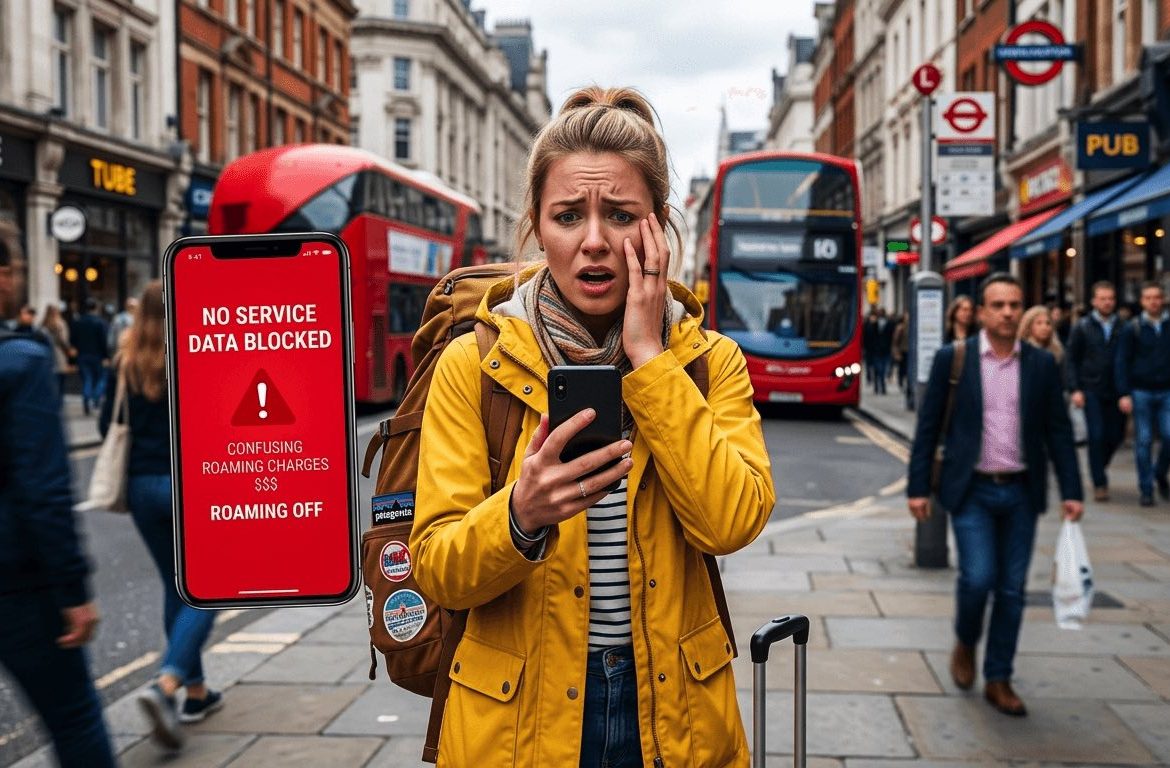
You land in a foreign country, turn on your phone, and the roaming charges begin. Or you spend the first hour of your trip hunting for a SIM card kiosk somewhere past baggage claim. Most people accept one of those two options as just the cost of staying connected abroad. The problem is that a better option has existed for years, and most travelers still have not made the switch.
Key Takeaways:
– Roaming fees and airport SIM cards are the two most common approaches to international data, and both tend to cost more than they should.
– eSIM is a digital alternative that lets you activate a local data plan before you even leave home.
– Most smartphones made in the last five years already support eSIM out of the box.
– Setting up an eSIM takes minutes and requires no physical card or airport stop.
– A free trial option is available for travelers who want to test the experience before committing to a paid plan.
The Roaming Trap: Familiar, Convenient, and Expensive
International roaming is the path of least resistance. You do nothing, and your home carrier handles connectivity automatically. The catch is what that hands-off experience costs. Many carriers charge a flat daily fee, often somewhere in the range of $10 to $15, just to use your existing plan abroad. Others bill by the megabyte at rates that can turn a few hours of normal phone use into a large and unwelcome charge on your next bill.
What keeps roaming so persistent is not that travelers think it is a good deal. Most know it costs more. They justify the expense as a convenience tax, telling themselves they will mostly rely on hotel Wi-Fi anyway. Then the hotel Wi-Fi is slow, the coffee shop password requires a purchase, and trying to navigate an unfamiliar city without working mobile data becomes genuinely stressful.
Understanding how roaming policies compare across carriers puts those charges in sharper context. A detailed look at wireless roaming costs across major providers shows how dramatically these policies vary, and how much room there is to pay less.
The Airport SIM Card Hunt: More Friction Than It Appears
The second most common approach is picking up a local SIM card on arrival. Buy a prepaid card from a kiosk, get local rates, and skip the roaming fees entirely. The logic is sound. The execution tends to have more friction than most people anticipate.
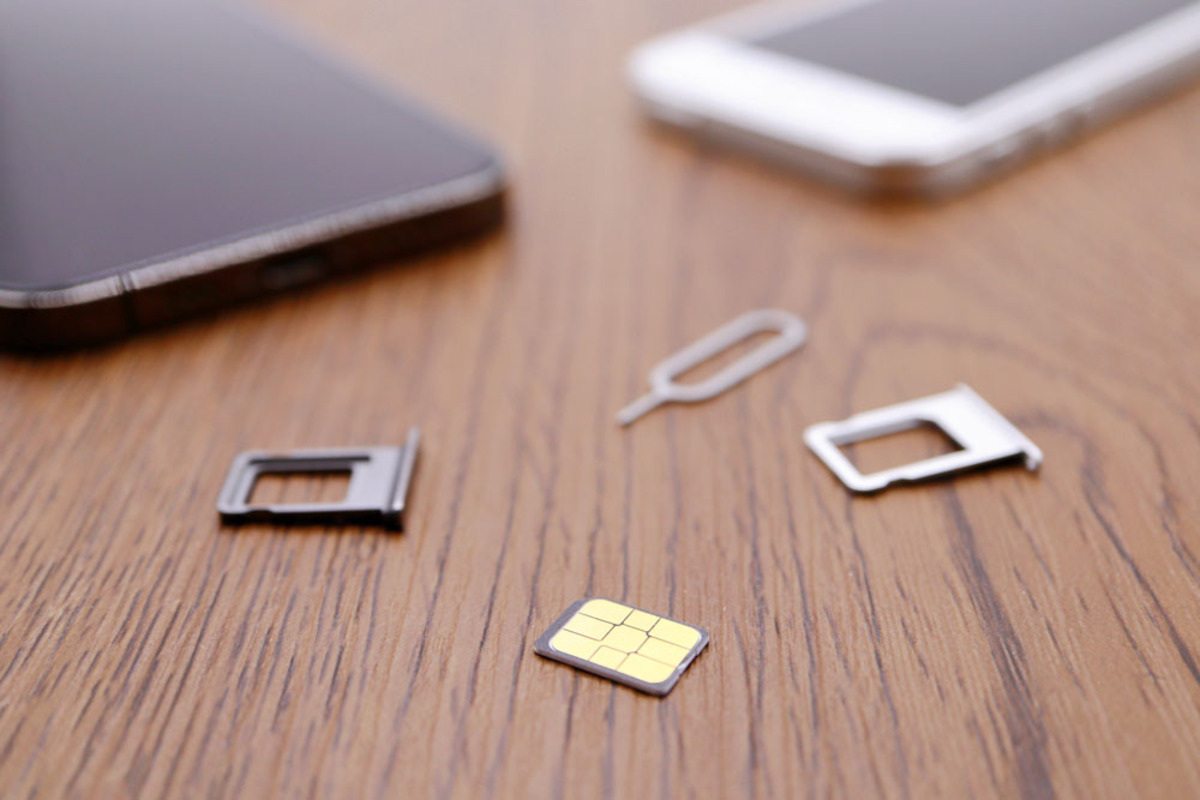
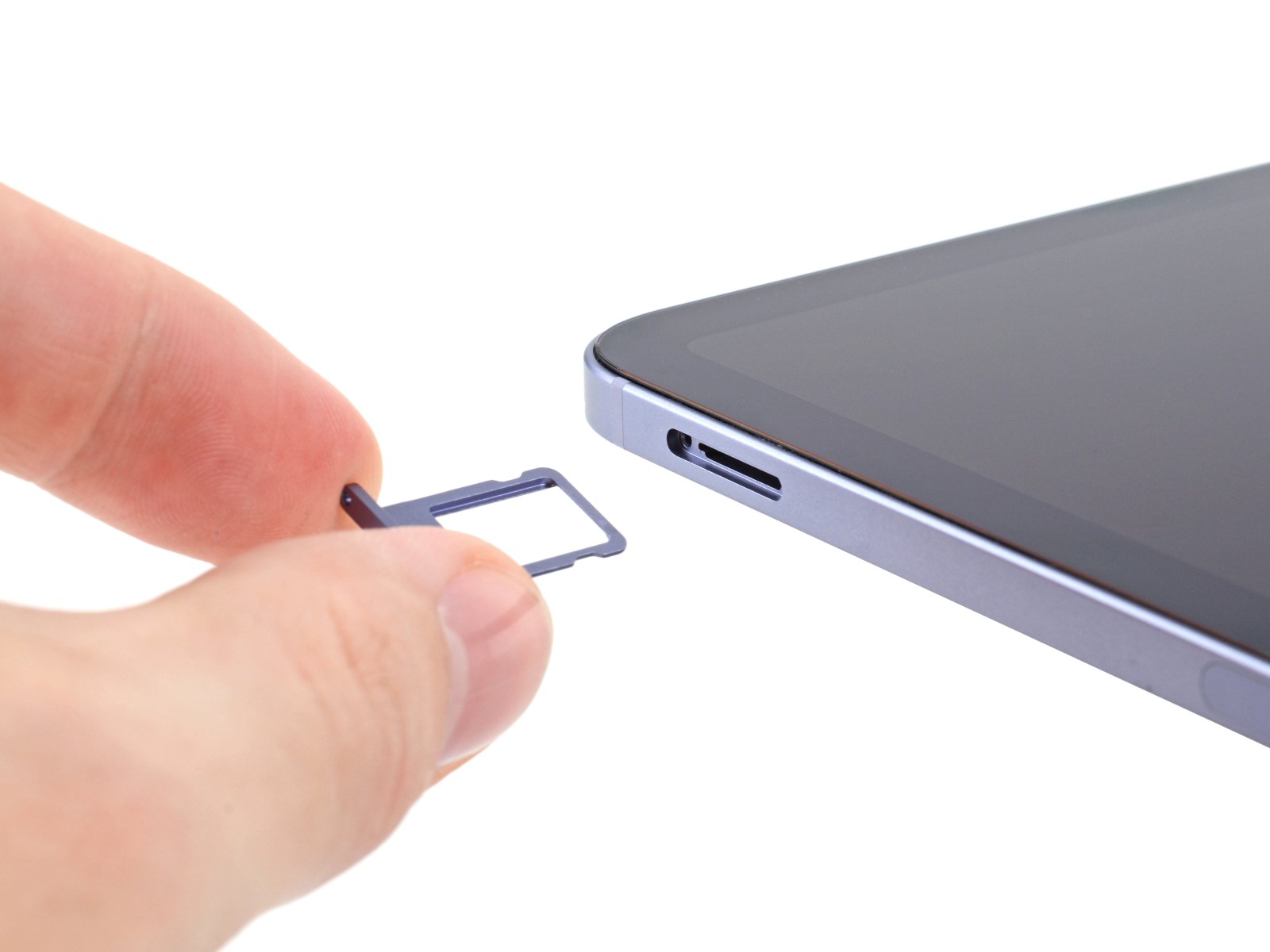
Airport SIM kiosks charge a premium. The same data plan available at a convenience store in the city center often costs significantly more in the terminal. You also need to find a SIM ejector tool, safely store the original SIM card so you do not lose it, confirm that your phone is unlocked for international use, and work through a setup process that may be in a language you do not speak.
Coverage is another variable that gets overlooked. Not all prepaid local plans cover the entire country you are visiting, and very few work across borders. A trip that passes through multiple countries may require multiple SIM cards. This overview of travel SIM cards for international use covers how these plans work in practice, which is useful context for anyone still weighing the physical route.
Why eSIM Is the Option Most Travelers Skip
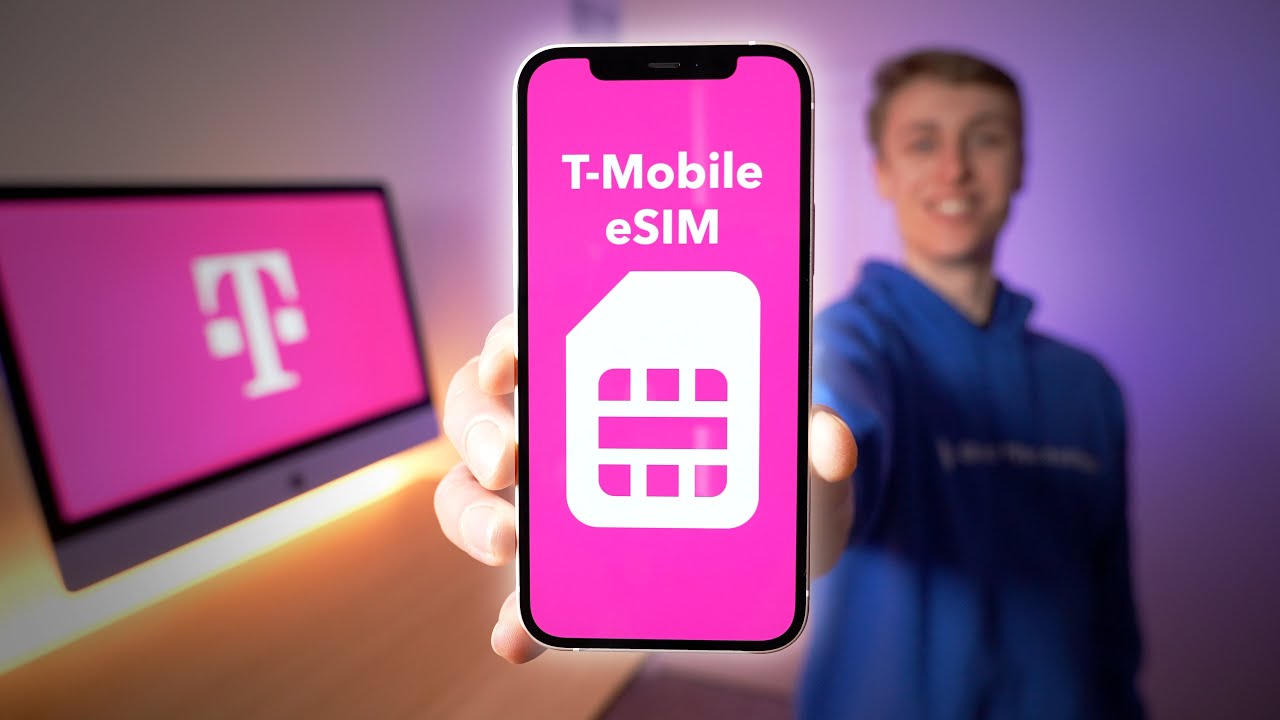
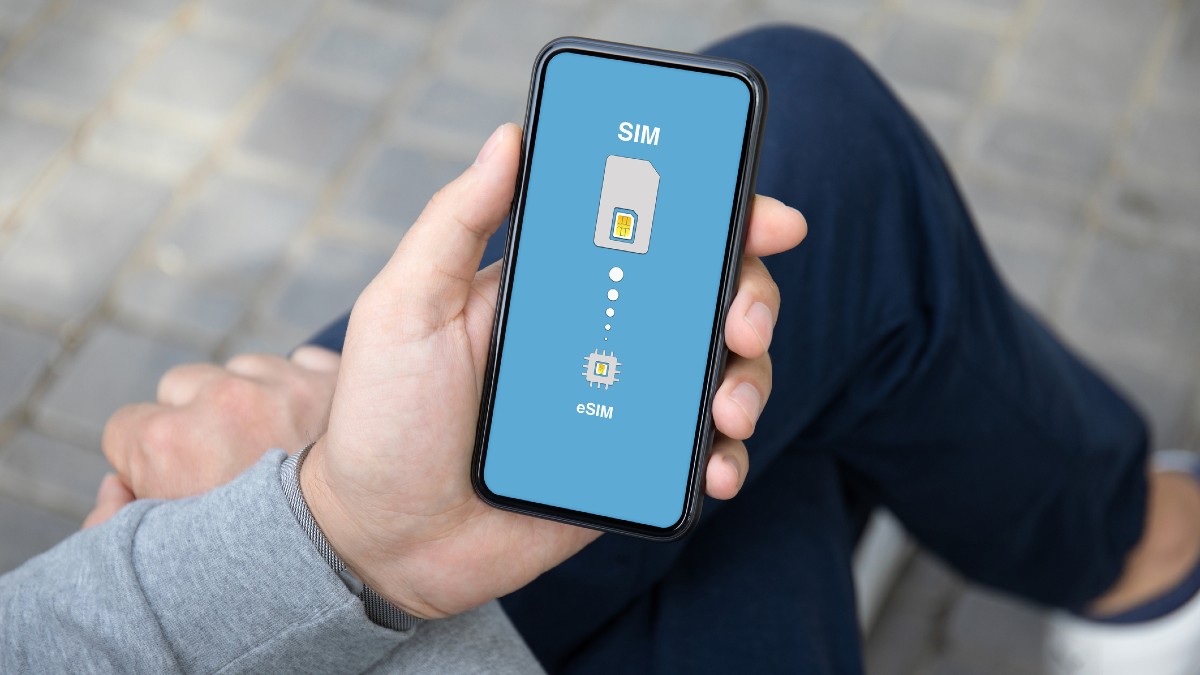
eSIM stands for embedded SIM. Instead of a removable plastic chip, it is a small module built directly into your device. Because it is embedded, you can switch carriers, activate plans, and manage your connectivity entirely through software, with no physical component to manage.
For travelers, the practical benefit is clear. You can research plans, compare pricing for your destination, and activate everything before you leave home. When you land, your phone is already connected to a local network. No kiosk, no card swap, no time lost at the airport.
The full breakdown of eSIM vs SIM covers the technical and practical differences between the two options in depth, and the case it builds for the digital approach is difficult to argue with. For travelers who also want to understand the underlying technology, this piece on how eSIMs function explains the mechanics clearly without getting too far into the weeds.
Does Your Phone Already Support eSIM?
The most common reason travelers hesitate is uncertainty about compatibility. For most modern devices, support is already built in. Apple added eSIM capability with the iPhone XS in 2018, and every model since includes it. Google’s Pixel line, Samsung’s Galaxy series, and many recent Motorola devices also support eSIM natively.
The exceptions are older budget phones, devices purchased in markets where eSIM rollout has been slower, and some models sold by carriers as locked devices. If you bought your phone through a carrier rather than as an unlocked retail model, it is worth checking your settings before making assumptions about full compatibility.
For a broader range of coverage on device connectivity and related topics, the tech and device guides section covers a wide variety of useful topics for travelers and everyday users alike.
The Cost Gap Is Bigger Than Most Travelers Expect
One of the assumptions that keeps travelers on roaming plans is that eSIM pricing must be roughly comparable. That assumption is no longer accurate. The market for travel eSIM plans has become competitive, particularly for popular destinations across Europe, Southeast Asia, East Asia, and the Americas.
Short-term plans covering 10GB or more for a two-week trip regularly come in under $20. A single day of roaming with a major carrier can approach that number on its own. For travelers who want to try the technology before paying anything, a free eSIM option is available for eligible devices, making it easy to confirm the setup works before spending a cent.
Pricing for less-traveled destinations has more variability, but the gap compared to roaming almost always favors eSIM. The longer the trip, the more pronounced the difference becomes.
The Mistake That Catches Even eSIM-Aware Travelers
Here is where even travelers who know about eSIM tend to trip up. They research it, bookmark the idea, intend to set it up before the trip, and then forget. They arrive at their destination without connectivity because they assumed they would handle it at the gate or on the flight.
eSIM is designed to be activated before you leave. The entire advantage is that you do not need a store, a kiosk, or a physical card. You need five minutes and a Wi-Fi connection. Waiting until you land removes the main benefit the technology offers. Treating it like an airport task defeats the purpose of using it at all.
Sort It Out Before the Boarding Gate Closes
The travelers who overpay for international data every year are not making uninformed choices. They are making the default choice, the one that requires no planning in advance. Roaming activates on its own. Airport SIM cards are visible the moment you land. Both options feel frictionless in the moment and expensive in hindsight.
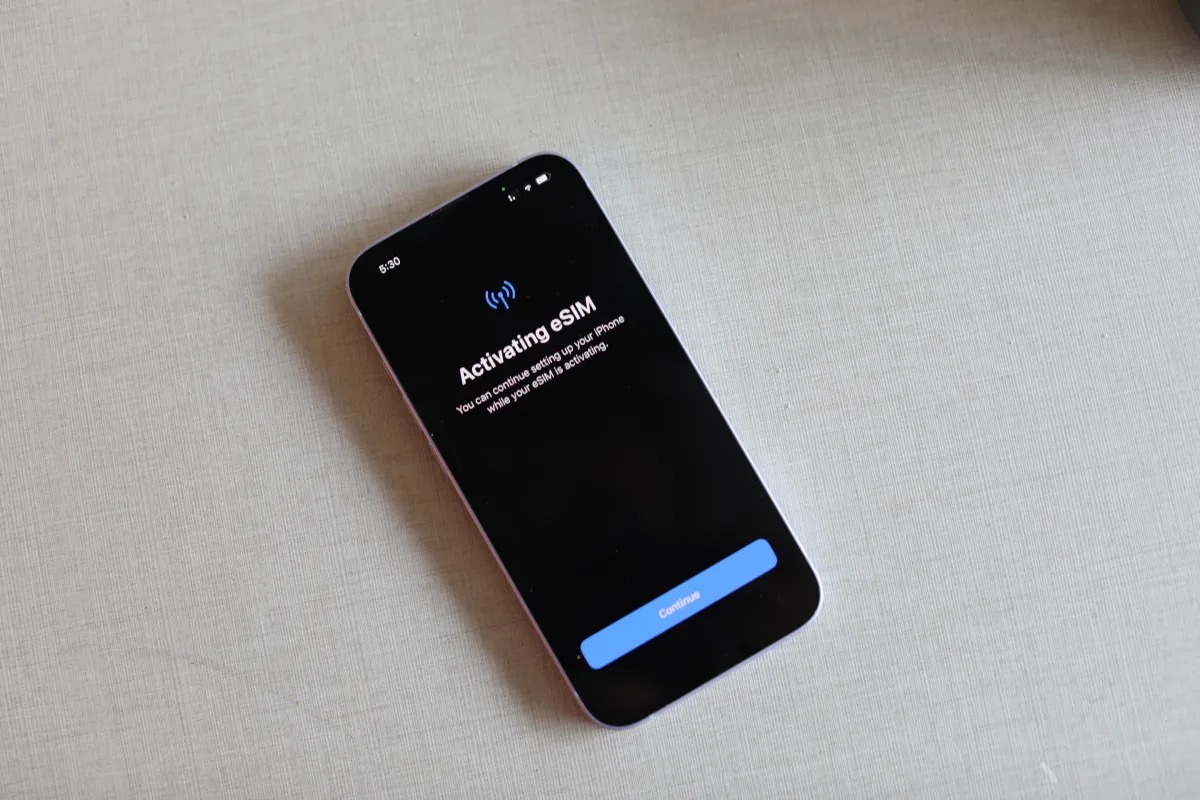
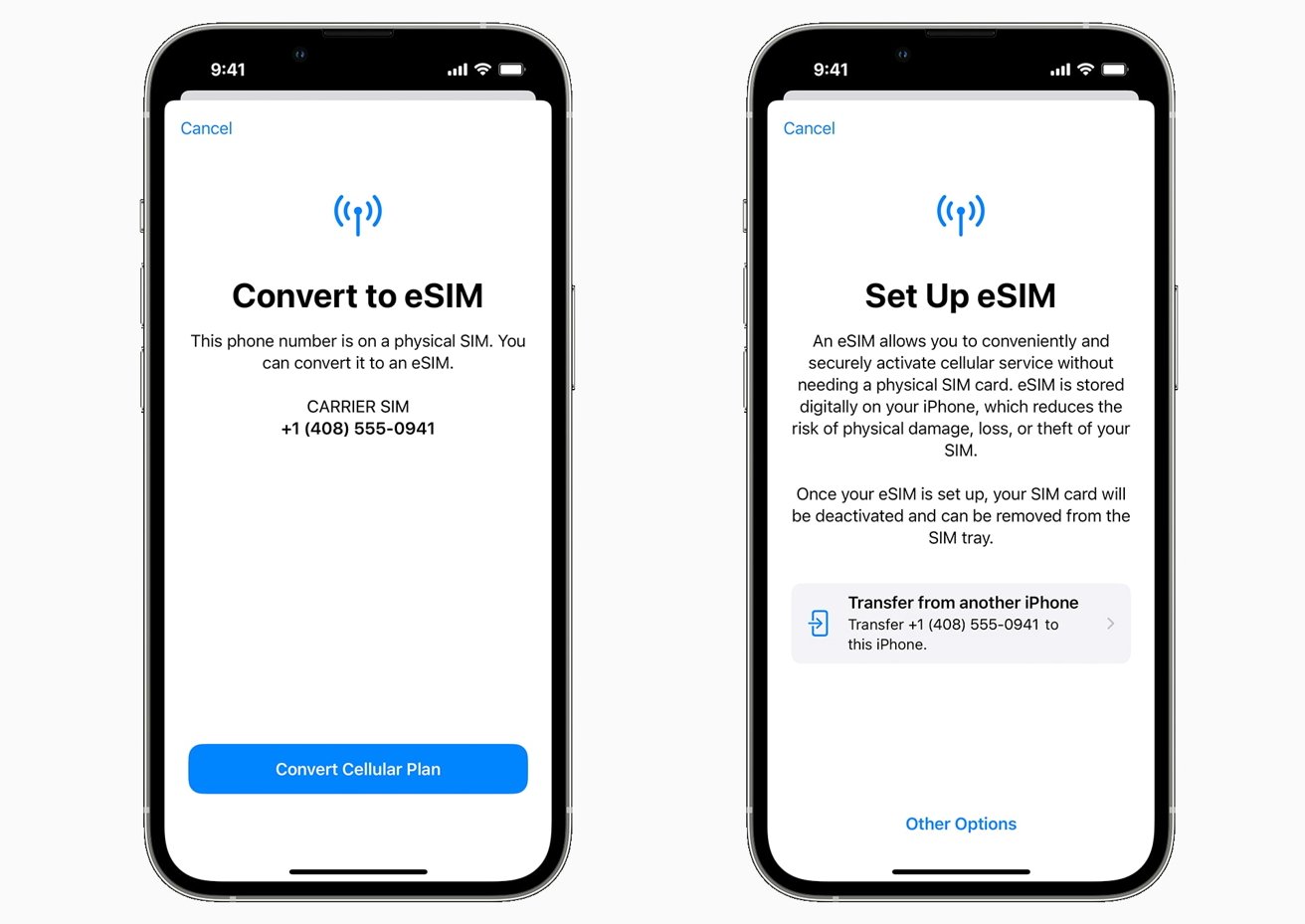
eSIM is genuinely less friction. It just requires one decision made before the trip rather than after it has already started. Learning how to install eSIM on your specific device takes less time than tracking down a SIM tray tool at baggage claim. You can have a working international data plan confirmed and active before you even check departure times.
The difference between what most travelers pay and what they could pay is not a technology gap. It is a timing gap. And it closes in about five minutes.