Understanding the Tracker for Oculus Rift
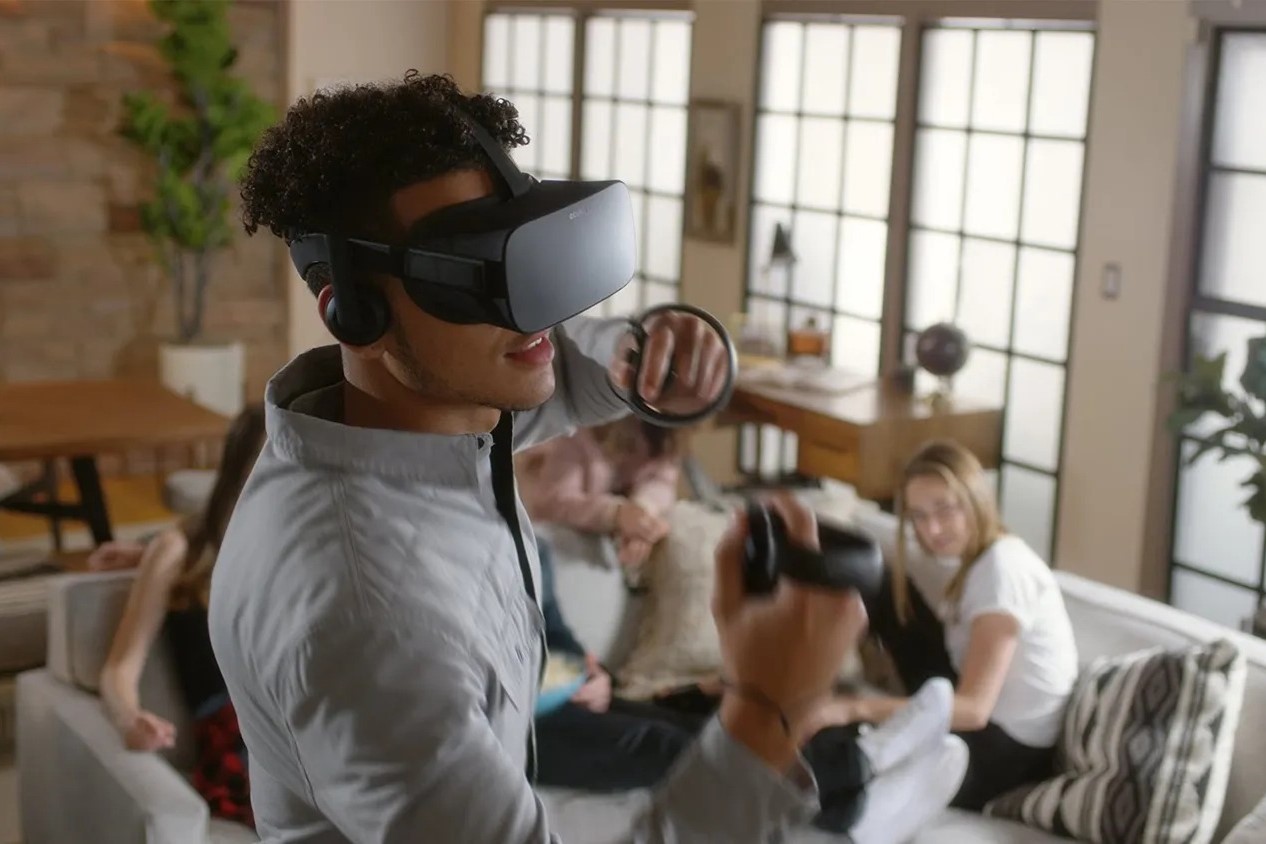
The tracker is an essential component of the Oculus Rift virtual reality (VR) system. It plays a crucial role in tracking the position and movement of the user’s head, allowing for an immersive and interactive VR experience. The tracker utilizes a combination of sensors, including accelerometers and gyroscopes, to accurately detect and translate the user’s movements into the virtual environment.
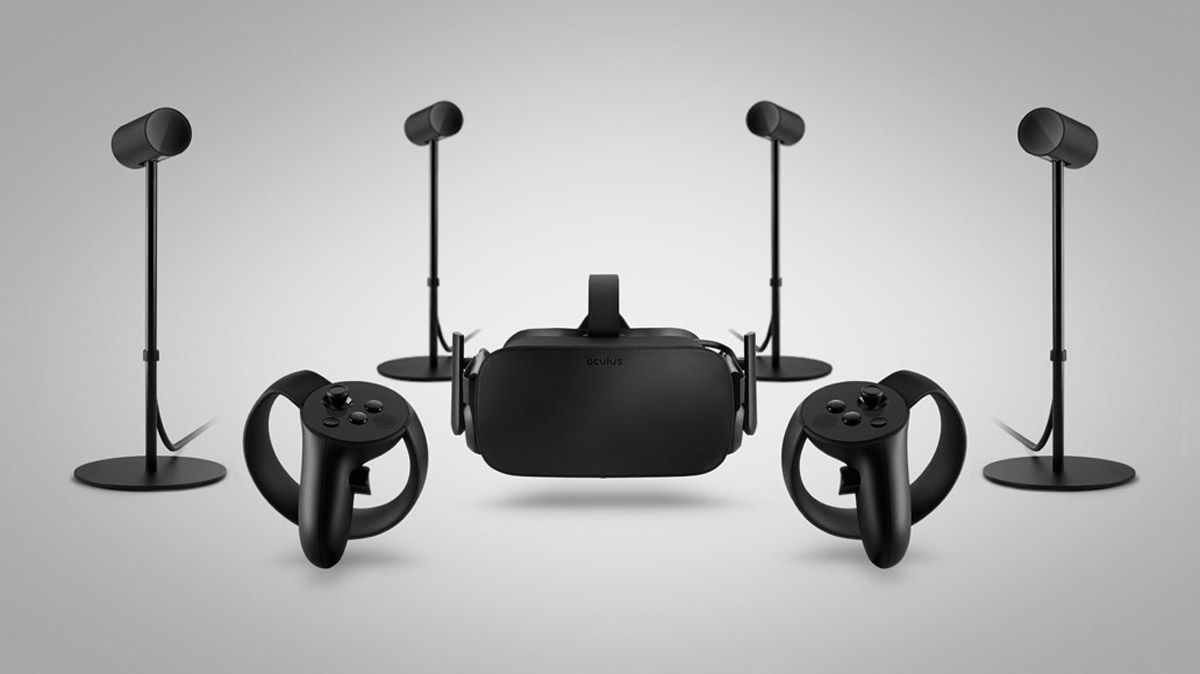
By understanding how the tracker works, users can optimize their VR experience and ensure smooth and accurate tracking. The tracker relies on the presence of external sensors placed around the user’s play area, commonly referred to as “base stations” or “sensors.” These sensors emit infrared signals that are detected by the tracker, allowing it to determine its position in the virtual space.
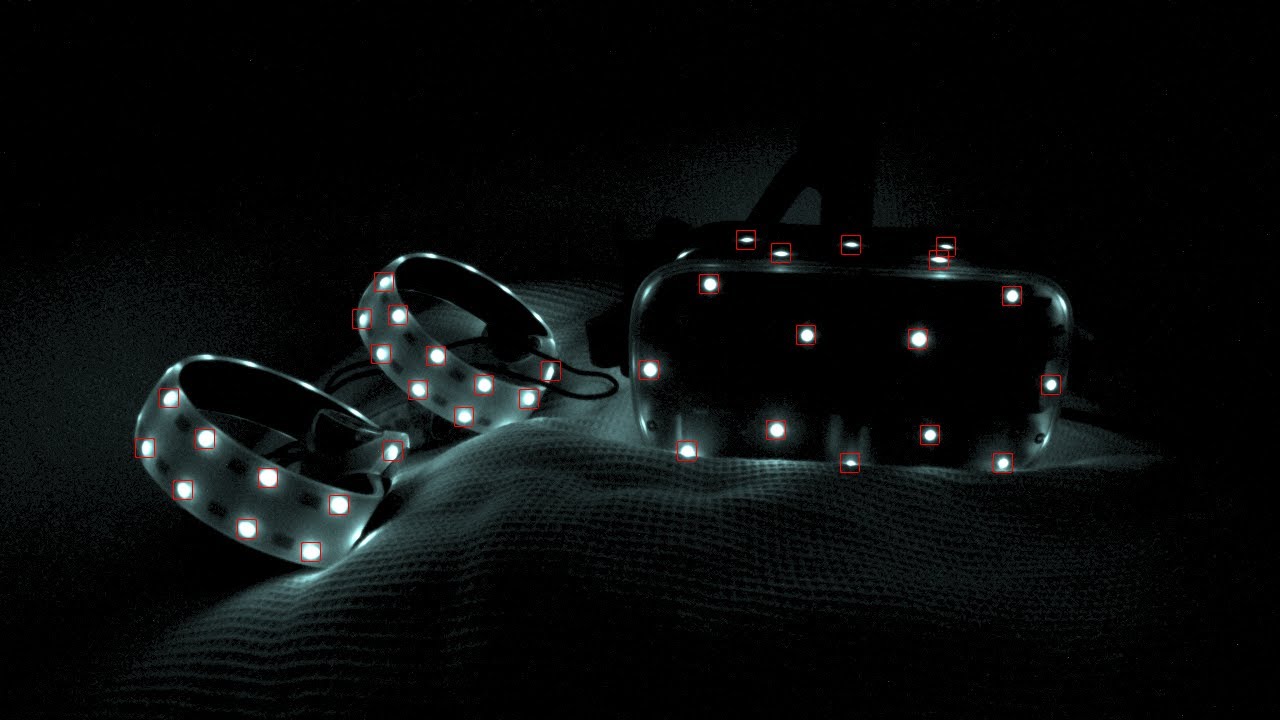
Additionally, the tracker detects the position of handheld controllers, such as the Oculus Touch controllers, enabling a seamless and natural interaction with virtual objects. This interaction is made possible through the use of infrared LEDs embedded in the controllers, which are tracked by the sensors.
It is important to note that the tracker needs to have a clear line of sight with the sensors in order to function properly. Any obstructions, such as walls or furniture, can interfere with the tracking accuracy. Therefore, it is crucial to set up the play area in a way that minimizes obstacles and maximizes the coverage of the base stations.
Understanding the role of the tracker and its reliance on external sensors is key to optimizing the VR experience. By ensuring an unobstructed line of sight and setting up the play area correctly, users can fully immerse themselves in the virtual world and enjoy a seamless and accurate tracking experience with the Oculus Rift.
Factors to Consider for the Height of the Tracker
When determining the height at which to mount the tracker for the Oculus Rift, there are several factors to consider. The height of the tracker plays a crucial role in the accuracy and stability of the tracking system. Here are some important factors to keep in mind:
- Play Area Size: The size of your play area will impact the height at which the tracker should be mounted. For larger play areas, mounting the tracker higher up can provide better coverage and tracking accuracy.
- User Height: The height of the user is also a factor to consider. If the user is taller, mounting the tracker slightly higher can help ensure that their movements are accurately tracked, especially when looking upwards or bending down.
- Movement Range: Consider the range and types of movements you expect to make during VR experiences. If you anticipate a lot of jumping, crouching, or reaching overhead, mounting the tracker at a higher height can provide better coverage for these movements.
- Obstructions: Take into account any potential obstructions in your play area, such as furniture, ceiling fans, or light fixtures. Mounting the tracker at a height that allows for the best line of sight with the base stations while avoiding obstacles is crucial for optimal tracking performance.
- Floor Level: Ensure that the tracker is mounted in a position that aligns with the user’s eye level when standing in the play area. This can provide a more natural perspective and improve the overall VR experience.
By considering these factors, you can determine the optimal height for mounting the tracker for your Oculus Rift setup. It’s important to find the right balance based on your specific requirements and play area characteristics to ensure accurate and stable tracking throughout your VR experiences.
Recommended Height for the Tracker
While the optimal height for mounting the tracker for the Oculus Rift may vary depending on individual factors and preferences, there are some general recommendations to consider. These recommendations can help ensure optimal tracking performance and a satisfying VR experience.
One common recommendation is to mount the tracker at a height of around 6 to 7 feet (1.8 to 2.1 meters) above the ground. This height provides a good balance between tracking accuracy and coverage for most users. It allows for smooth tracking of movements while standing, walking, or performing various VR activities.
Mounting the tracker at this height can also help minimize occlusion issues, where the tracker temporarily loses sight of the base station due to objects or body parts blocking the line of sight. When the tracker is positioned higher, the chances of occlusion are reduced, resulting in a more reliable and accurate tracking experience.
However, it’s important to note that this recommended height may not be suitable for all users or play area setups. Factors such as user height, play area size, and specific VR experiences may require adjustments to the tracker height.
For example, if you are taller than average, you may need to consider mounting the tracker a bit higher to ensure that your movements are properly captured, especially when looking upwards or bending down. On the other hand, if you have a smaller play area, lowering the tracker height slightly can help maintain a good line of sight with the base stations.
Ultimately, it is recommended to experiment with different heights and test the tracking performance in your specific setup. By making small adjustments and observing how the tracking responds, you can find the height that works best for you and provides the most accurate and immersive VR experience with the Oculus Rift.
Adjusting the Tracker Height for Different Environments
The height at which you mount the tracker for the Oculus Rift may need to be adjusted depending on the specific environment in which you are using the VR system. Different environments can present unique challenges and considerations that affect the optimal tracker height. Here are some factors to consider when adjusting the tracker height for different environments:
Room Size: The size of the room or play area is a crucial factor to consider. In smaller rooms, mounting the tracker at a lower height can help ensure that the tracking system captures your movements accurately. However, in larger rooms, raising the tracker height can provide better coverage and tracking accuracy.
Furniture and Obstacles: Take into account the placement of furniture and any potential obstacles in your environment. If there are low-hanging objects or furniture that could interfere with the tracker’s line of sight, you may need to adjust the height accordingly to maintain a clear path between the tracker and the base stations.
Reflective Surfaces: Pay attention to any reflective surfaces in your environment, such as mirrors or windows. These surfaces can cause interference with the tracking system, leading to inaccurate tracking. If you have reflective surfaces, you may need to experiment with different tracker heights to minimize these interferences.
Lighting Conditions: Lighting conditions can also impact the performance of the tracker. Bright or harsh lighting, as well as extreme shadows, can interfere with the tracking accuracy. Adjust the tracker height to minimize the impact of lighting conditions and create a well-lit, evenly illuminated play area.
Multilevel Spaces: If you have a multilevel space where you might use the Oculus Rift, such as a loft or mezzanine, consider adjusting the tracker height to ensure accurate tracking on each level. Mounting multiple trackers at different heights can help provide optimal performance in such environments.
Remember that these are general guidelines, and the optimum tracker height may vary depending on the specific circumstances of your environment. It may be necessary to experiment and make adjustments to find the height that provides the best tracking performance and a seamless VR experience.
By taking into account the room size, furniture placement, reflective surfaces, lighting conditions, and multilevel spaces, you can adjust the tracker height to suit different environments and ensure the most accurate and immersive VR experience with your Oculus Rift.
Tips for Mounting the Tracker at the Optimal Height
Mounting the tracker at the optimal height is crucial for achieving accurate and reliable tracking with the Oculus Rift. Here are some tips to help you mount the tracker at the ideal height:
- Measure the Height: Use a measuring tape or a ruler to determine the desired height for mounting the tracker. This will ensure consistency and precision in your setup.
- Consider Eye Level: Mount the tracker at a height that aligns with your eye level when standing in the play area. This will provide a more natural perspective and enhance the immersive experience.
- Secure Mounting: Make sure that the mounting bracket or stand used to secure the tracker is stable and secure. Unstable mounting can lead to vibrations or movement, affecting tracking accuracy.
- Avoid Tilting or Angling: Keep the tracker parallel to the ground and avoid tilting or angling it. This ensures that the sensors within the tracker maintain the correct orientation for accurate tracking.
- Clear Line of Sight: Ensure that there are no obstructions blocking the line of sight between the tracker and the base stations. Remove any objects or adjust furniture as necessary to maintain an unobstructed view.
- Better Coverage for Large Spaces: If you have a larger play area, consider using multiple base stations and mount the tracker higher up to provide better coverage and tracking accuracy.
- Experiment and Adjust: Don’t be afraid to experiment with different heights and make adjustments as needed. Test the tracking performance in different positions to find the sweet spot that offers the best tracking accuracy for your specific setup.
By following these tips, you can mount the tracker at the optimal height for your Oculus Rift setup. This will ensure accurate tracking and a more immersive VR experience with smooth and natural movement replication.
Potential Issues with Tracker Height
While finding the optimal height for mounting the tracker is important, it’s essential to be aware of potential issues that may arise when setting up the Oculus Rift. Here are some common challenges related to tracker height:
- Occlusion: Occlusion occurs when there is an obstruction between the tracker and the base stations, resulting in a loss of tracking. Mounting the tracker too low, or having objects in the play area that block the line of sight, can lead to occlusion issues. It’s important to ensure a clear and unobstructed view between the tracker and the base stations.
- Inaccurate Tracking: Mounting the tracker too high or too low can lead to inaccurate tracking, where the movements may not be properly captured or replicated in the virtual environment. This can result in a less immersive experience and decreased gameplay performance. Adjust the tracker height carefully to achieve accurate tracking of movements.
- Misalignment: Incorrect alignment of the tracker may cause issues with tracking accuracy. Ensure that the tracker is set up with proper alignment and is parallel to the ground. Tilting or angling the tracker can result in inaccurate tracking, leading to a subpar VR experience.
- Height Preference: Each user may have their own height preference for the tracker placement. Some users may find lower mounting heights more comfortable, while others may prefer higher heights. It’s important to consider individual preferences and make adjustments accordingly to ensure a comfortable and enjoyable experience.
- Inconsistent Performance: In some cases, inconsistent performance may occur due to variations in the tracking accuracy at different heights. It’s recommended to test the tracker at different heights and observe the tracking performance to identify the height that provides the most consistent and reliable results.
Addressing these potential issues with tracker height can help optimize the performance and accuracy of the Oculus Rift system. By carefully considering the placement, alignment, and potential obstacles, users can ensure a smooth and immersive VR experience with accurate tracking of their movements.