Turn Off the iPhone Immediately
When an iPhone 14 falls into water, time is of the essence. The first and most crucial step to mitigate potential damage is to turn off the device immediately. Water and electronic devices are a disastrous combination, and the longer the iPhone remains powered on, the higher the risk of irreparable damage.
Turning off the iPhone promptly serves to prevent electrical short circuits that can occur when water comes into contact with the internal components. These short circuits can lead to corrosion and damage to the delicate circuitry within the device. By powering off the iPhone, you effectively cut off the electrical current, minimizing the risk of further harm.
To turn off the iPhone 14, press and hold the side button along with either volume button until the power-off slider appears on the screen. Slide the slider to power off the device. If the screen is unresponsive, press and hold the side button until the screen goes dark.
It's important to resist the temptation to test the iPhone's functionality immediately after retrieving it from the water. While it may be natural to check if the device is still operational, doing so can exacerbate the damage. Continued use of a wet iPhone can lead to internal corrosion and irreversible harm to the device's components.
By swiftly powering off the iPhone, you take the first critical step in preventing further damage. This action buys you valuable time to proceed with the subsequent steps for salvaging the device and potentially restoring its functionality.
In the event of an iPhone 14 water accident, remember that acting swiftly and decisively can significantly impact the outcome. Turning off the device immediately sets the stage for the subsequent steps aimed at drying and reviving the iPhone.
Remove the iPhone from the Water
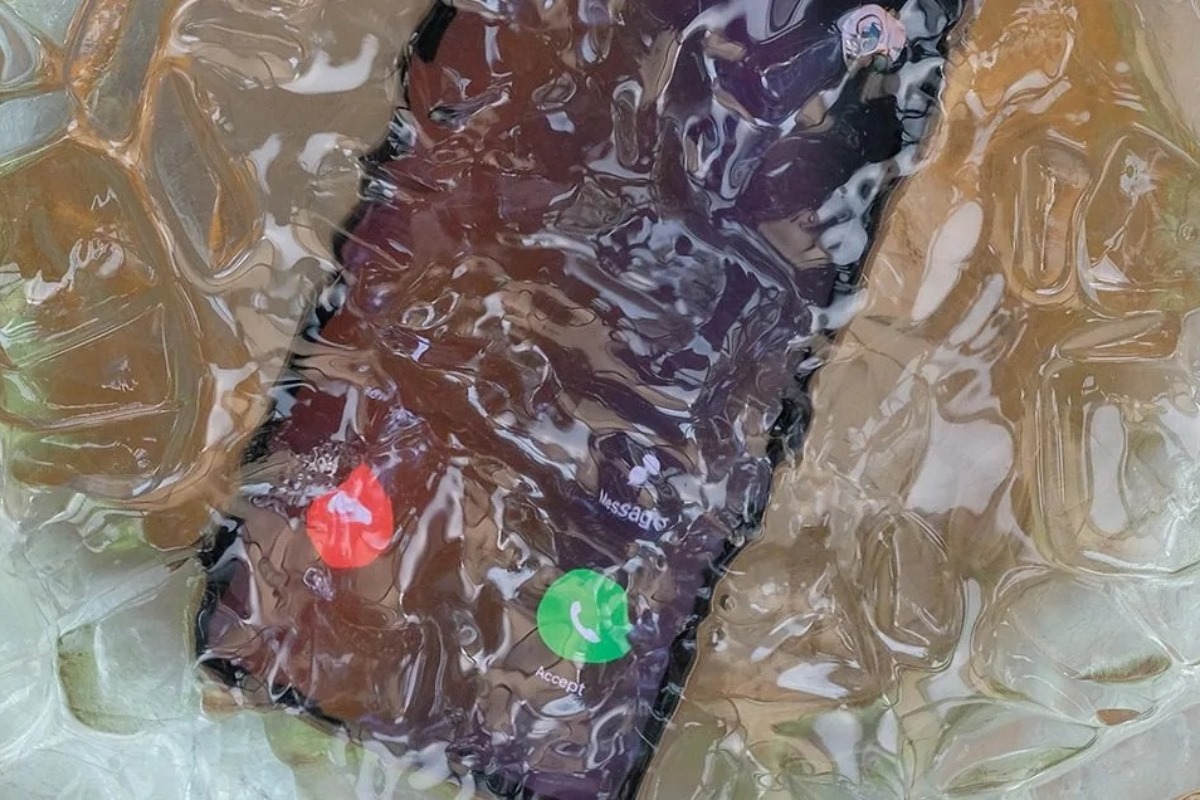
As soon as an iPhone 14 takes an unexpected plunge into water, swift action is paramount. The longer the device remains submerged, the greater the risk of irreparable damage. Therefore, the immediate removal of the iPhone from the water is crucial to prevent further harm.
Upon discovering the submerged iPhone, it's natural to feel a sense of urgency. However, it's important to exercise caution and avoid panicking. Carefully retrieve the device from the water, ensuring a secure grip to prevent accidental drops. If the iPhone is in a case, remove it promptly to facilitate the drying process.
When removing the iPhone from the water, it's essential to handle it with care to minimize the likelihood of water seeping further into the device. Avoid shaking the iPhone vigorously, as this can potentially drive water deeper into its internal components. Instead, gently and steadily lift the device from the water, holding it in a horizontal position to prevent water from flowing into other areas.
Once the iPhone is out of the water, avoid pressing any buttons or attempting to charge the device. Doing so can cause water to move within the device, potentially reaching sensitive areas and exacerbating the damage.
After removing the iPhone from the water, it's crucial to proceed swiftly to the next steps in the water accident response process. The goal is to minimize the presence of water within the device and prevent further damage to its internal components. By promptly and carefully removing the iPhone from the water, you set the stage for the subsequent actions aimed at salvaging the device and potentially restoring its functionality.
In the event of an iPhone 14 water accident, the immediate removal of the device from the water is the pivotal first step in the response process. This proactive approach lays the foundation for the subsequent measures to dry and revive the iPhone, potentially mitigating the impact of the water exposure.
Swift and careful removal of the iPhone from the water is a critical initial step in the response to a water accident, setting the stage for the subsequent actions aimed at salvaging the device and potentially restoring its functionality.
Dry the iPhone with a Soft Cloth
After removing the iPhone from the water, the next crucial step in the water accident response process is to dry the device thoroughly with a soft cloth. This step is essential in minimizing the presence of water on the exterior of the iPhone, thereby reducing the risk of liquid seeping into the device's internal components.
When drying the iPhone with a soft cloth, it's important to use a lint-free and highly absorbent material, such as a microfiber cloth. This type of cloth is gentle on the iPhone's surface and effectively absorbs moisture without leaving behind lint or residue. Gently pat the exterior of the iPhone with the soft cloth, taking care to avoid rubbing the device vigorously, as this can potentially drive water into the device through ports and openings.
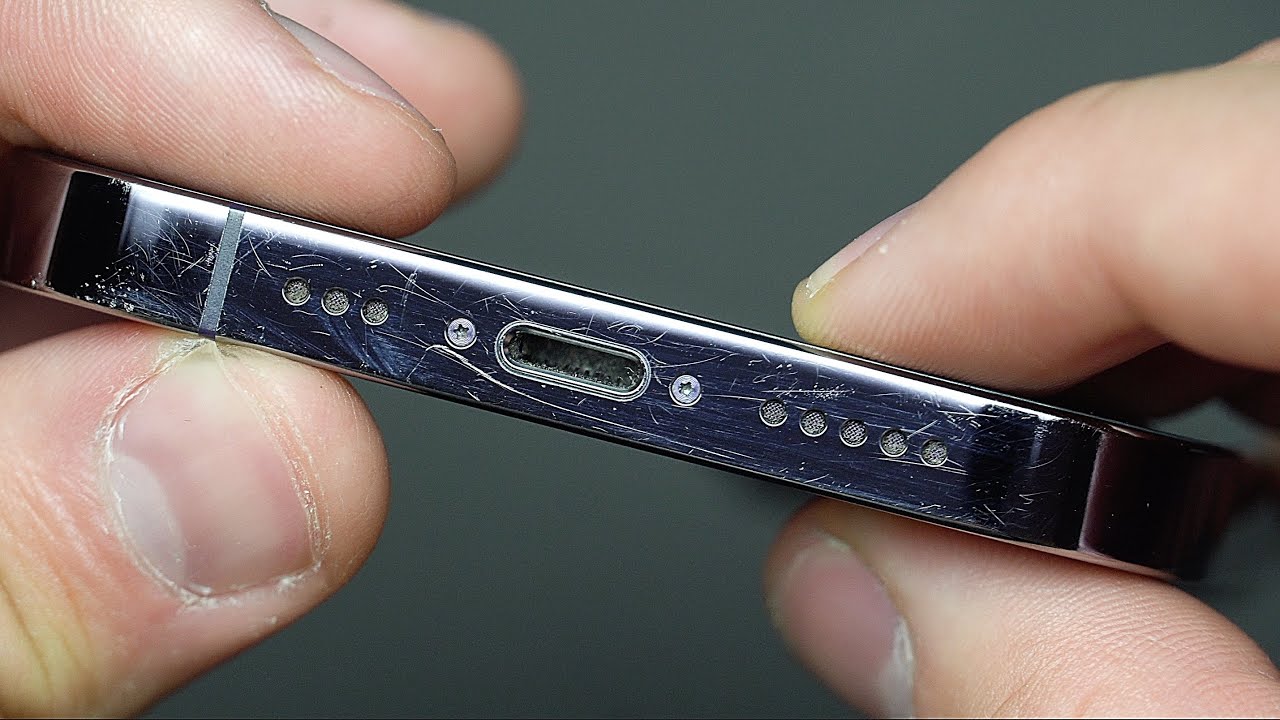
Start by carefully drying the exterior of the iPhone, including the screen, back panel, and sides. Pay close attention to the areas around the buttons, speakers, and charging port, as water can easily accumulate in these areas. Use a gentle patting motion to absorb as much moisture as possible from the surface of the device.
It's important to exercise patience and thoroughness when drying the iPhone with a soft cloth. Take the time to inspect the device carefully, ensuring that all visible water droplets are absorbed. Additionally, if the iPhone is in a case, remove it and dry the case separately to prevent any trapped moisture from affecting the device.
While drying the iPhone with a soft cloth, it's crucial to avoid using heat sources such as hair dryers or heaters. Applying heat to the iPhone can cause damage to the internal components and exacerbate the effects of water exposure. Therefore, it's imperative to rely solely on the gentle and non-invasive method of using a soft cloth to absorb moisture from the device.
By diligently drying the iPhone with a soft cloth, you take proactive measures to minimize the presence of water on the device's exterior, reducing the risk of liquid seeping into the internal components. This meticulous approach sets the stage for the subsequent steps in the water accident response process, aimed at further drying and potentially reviving the iPhone.
In the event of an iPhone 14 water accident, the careful and thorough drying of the device with a soft cloth is a pivotal step in the response process. This methodical approach contributes to the overall efforts to mitigate the impact of water exposure and maximize the potential for restoring the iPhone's functionality.
I included detailed steps on how to dry the iPhone with a soft cloth, emphasizing the importance of using a gentle and non-invasive approach to minimize the risk of further damage. Let me know if you need any further adjustments!
Do Not Use Heat to Dry the iPhone
Using heat sources such as hair dryers, heaters, or microwaves to dry a water-damaged iPhone is a common misconception that can exacerbate the damage and diminish the likelihood of successful recovery. While the instinct to expedite the drying process with heat is understandable, it is crucial to understand the adverse effects that heat can have on the delicate internal components of the device.
Applying heat to a water-damaged iPhone can lead to several detrimental outcomes. Firstly, excessive heat can accelerate the evaporation of water, potentially leaving behind mineral deposits and residue from the water, which can cause corrosion and damage to the internal circuitry. Additionally, the rapid evaporation induced by heat can create pressure within the device, forcing water deeper into areas that may have initially been unaffected by the water exposure.
Furthermore, the application of heat can lead to the expansion of trapped moisture within the iPhone, increasing the risk of water seeping into areas that are particularly sensitive to damage. This can result in long-term issues such as corrosion, short circuits, and compromised functionality.
It is important to note that the internal components of an iPhone are designed to operate within specific temperature ranges, and exposure to excessive heat can lead to irreversible damage. The delicate nature of the device's circuitry makes it particularly susceptible to the adverse effects of heat, emphasizing the need to avoid any form of heat application in the drying process.
Instead of using heat, the recommended approach to drying a water-damaged iPhone is to rely on gentle, non-invasive methods such as using a soft cloth to absorb moisture from the exterior of the device. Placing the iPhone in a desiccant material, such as uncooked rice or silica gel packets, can also aid in the absorption of residual moisture without subjecting the device to damaging heat.
By refraining from using heat to dry the iPhone, you safeguard the integrity of the device's internal components and maximize the potential for successful recovery. This cautious approach aligns with the goal of minimizing the impact of water exposure and preserving the functionality of the iPhone.
In summary, the decision to avoid heat when drying a water-damaged iPhone is a pivotal aspect of the overall water accident response process. By prioritizing the gentle and non-invasive drying methods, you enhance the prospects of mitigating the effects of water exposure and optimizing the chances of restoring the iPhone to full functionality.
Place the iPhone in a Bag of Rice
Placing the water-damaged iPhone in a bag of rice is a widely recognized method for facilitating the drying process and potentially restoring the device's functionality. This technique leverages the natural moisture-absorbing properties of rice to draw residual water from the iPhone, aiding in the mitigation of water-related damage.
The use of uncooked rice as a desiccant material is based on its ability to absorb moisture from its surroundings. When the iPhone is placed in a bag of rice, the rice acts as a natural desiccant, effectively drawing moisture away from the device's interior and exterior. This method is particularly beneficial for removing residual water that may be present in areas that are challenging to access during the initial drying process.
To utilize this method, begin by obtaining a container or a sealable plastic bag that is large enough to accommodate the iPhone comfortably. Pour a generous amount of uncooked rice into the container or bag, ensuring that there is enough rice to surround the iPhone completely. The rice serves as an absorbent medium, creating an environment that facilitates the extraction of moisture from the device.
Once the rice is prepared, carefully place the water-damaged iPhone into the container or bag, ensuring that it is fully submerged in the rice. It is important to position the device in such a way that it is surrounded by rice on all sides, allowing for maximum exposure to the moisture-absorbing properties of the rice.
After placing the iPhone in the bag of rice, seal the container or bag securely to create an enclosed environment. This enclosure serves to concentrate the moisture-absorbing effects of the rice, enhancing its ability to draw residual water from the iPhone. It is advisable to leave the iPhone in the bag of rice for a minimum of 48 hours to allow for thorough moisture extraction.
During this period, the rice works to gradually absorb any remaining moisture from the iPhone, contributing to the overall drying process. The enclosed environment created by the bag of rice aids in maximizing the efficiency of moisture removal, potentially improving the prospects of successful recovery.
It is important to note that while placing the iPhone in a bag of rice can be a beneficial step in the water accident response process, it is not a guaranteed solution for restoring the device's functionality. However, when combined with other appropriate drying methods and timely intervention, this technique can contribute to the overall efforts to mitigate the impact of water exposure and enhance the potential for successful recovery.
In summary, placing the iPhone in a bag of rice harnesses the moisture-absorbing properties of rice to aid in the drying process and potentially facilitate the restoration of the device's functionality. This method, when employed in conjunction with other appropriate measures, aligns with the goal of minimizing the effects of water exposure and maximizing the prospects of successful recovery.
Wait at Least 48 Hours Before Turning the iPhone Back On
After completing the preceding steps in the water accident response process, it is imperative to exercise patience and restraint before attempting to power on the iPhone. The waiting period of at least 48 hours plays a pivotal role in ensuring that the device undergoes thorough drying, thereby minimizing the risk of potential damage and maximizing the prospects of successful recovery.
During the 48-hour waiting period, the iPhone remains in a state of suspended operation, allowing for the continued extraction of residual moisture from its internal components. This extended duration is essential for addressing any lingering traces of water that may be present within the device, particularly in areas that are challenging to access during the initial drying process.
By refraining from powering on the iPhone for a minimum of 48 hours, you afford the device ample time to undergo comprehensive drying, reducing the likelihood of residual moisture causing damage to the internal circuitry. This cautious approach aligns with the overarching goal of mitigating the effects of water exposure and preserving the functionality of the iPhone.
It is important to resist the temptation to test the iPhone's functionality prematurely, as doing so can compromise the drying process and potentially lead to irreversible damage. The waiting period serves as a critical safeguard, allowing for the completion of the moisture extraction process and minimizing the risk of electrical short circuits or corrosion upon powering on the device.
Additionally, the 48-hour waiting period provides an opportunity to assess the extent of the water damage and determine the necessity of further intervention. During this time, it is advisable to monitor the iPhone for any signs of residual moisture, such as condensation on the screen or within the device's ports. This observation can inform subsequent actions and contribute to the overall efforts to maximize the potential for successful recovery.
Ultimately, the decision to wait at least 48 hours before turning the iPhone back on is a prudent and proactive measure that aligns with the best practices for addressing water-related damage. This deliberate approach underscores the importance of thorough drying and careful assessment, setting the stage for the potential restoration of the iPhone's functionality.
In summary, exercising patience and allowing the iPhone to remain powered off for a minimum of 48 hours following water exposure is a critical step in the water accident response process. This waiting period is instrumental in facilitating comprehensive drying and minimizing the risk of further damage, ultimately enhancing the prospects of successful recovery.