Common Notification Issues
Common Notification Issues
When it comes to staying informed about important updates and events, notifications play a crucial role in keeping us connected. However, encountering issues with notifications can be frustrating and disruptive. Here are some common notification issues that users may encounter:
-
Delayed Notifications: One of the most prevalent issues is receiving notifications long after the relevant event has occurred. This delay can lead to missed opportunities or important information arriving too late.
-
Missing Notifications: Users may find that they are not receiving notifications at all, despite having them enabled for specific apps or services. This can result in overlooking crucial updates and messages.
-
Inconsistent Delivery: Notifications may be delivered inconsistently, with some arriving promptly while others are delayed or fail to appear altogether. This inconsistency can hinder effective communication and responsiveness.
-
Notification Overload: On the other end of the spectrum, users may experience an overwhelming influx of notifications, making it challenging to prioritize and address them effectively.
-
Cross-Device Synchronization: Users who access notifications across multiple devices may encounter synchronization issues, leading to discrepancies in the notifications received on each device.
Understanding these common notification issues is the first step toward addressing and resolving them effectively. In the following sections, we will explore various troubleshooting methods to help users overcome these challenges and ensure a seamless notification experience.
Checking Notification Settings
Checking Notification Settings
When encountering notification issues, the first course of action is to review and adjust the notification settings. Here are the steps to take when checking notification settings:
- App-Specific Settings: Many apps and services have their own notification settings within the application. Users should navigate to the settings or preferences section of the specific app to ensure that notifications are enabled and configured according to their preferences.
- Device Settings: For mobile devices, the system settings often include a dedicated section for managing notifications. Users should verify that the global notification settings for each app are appropriately configured to allow for timely and consistent delivery.
- Notification Channels: Some devices and apps offer granular control over notification channels, allowing users to customize the behavior of different types of notifications. Checking and adjusting these settings can help in managing notification overload and prioritizing important alerts.
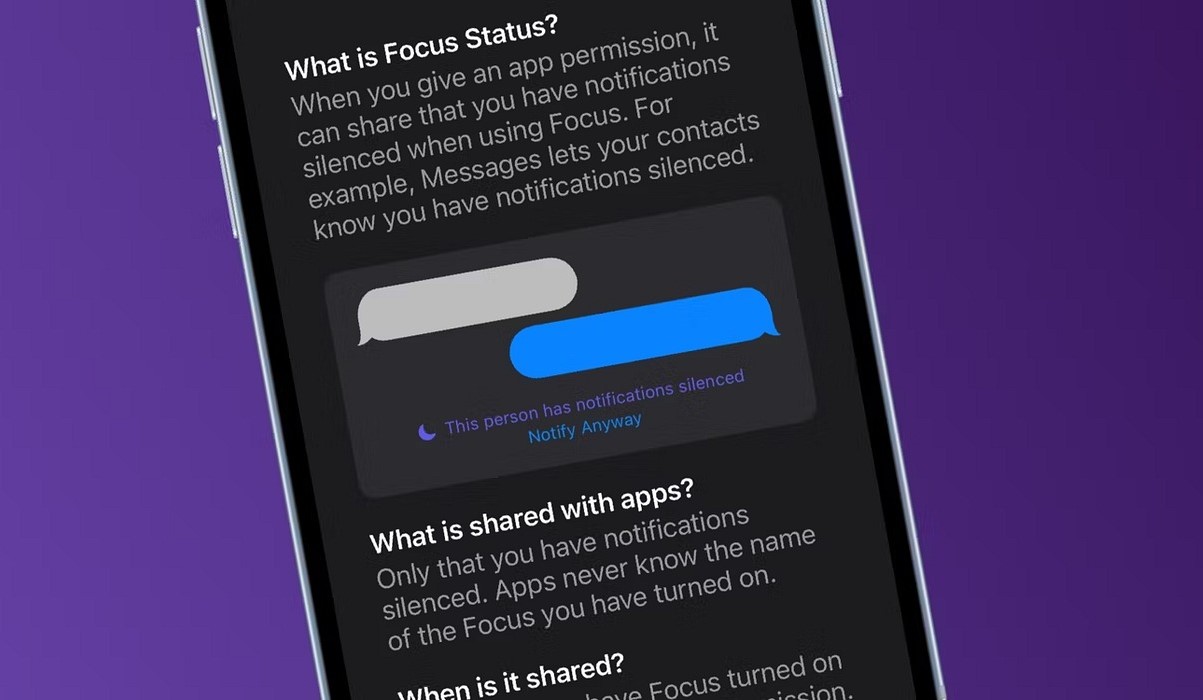
- Do Not Disturb Mode: Users should also ensure that the “Do Not Disturb” mode is not inadvertently activated, as this can suppress notifications during specific time periods or when the device is in use.
- Sync Settings: In the case of cross-device synchronization issues, users should review the sync settings for their accounts and devices to ensure that notifications are being propagated consistently across all linked devices.
By thoroughly reviewing and adjusting notification settings at both the app and device levels, users can address many common notification issues and optimize their notification experience.
Troubleshooting Mobile Notifications
Mobile devices are integral to our daily lives, and ensuring that notifications function correctly on these devices is essential for staying connected and informed. Here are some troubleshooting steps to address mobile notification issues:
- Restart the Device: Sometimes, a simple restart can resolve temporary glitches that may be affecting notification delivery. Restarting the device can help refresh the system and potentially resolve notification issues.
- Check Battery Optimization: Some devices have battery optimization settings that may restrict app activities in the background, affecting notification delivery. Users should review these settings and exempt critical apps from excessive battery optimization.
- Review App Permissions: Ensuring that the relevant apps have the necessary permissions to display notifications is crucial. Users should verify that the app permissions are correctly configured to allow for notification delivery.
- Update Apps and System Software: Outdated apps or system software can sometimes lead to notification irregularities. Keeping apps and the operating system up to date can address compatibility issues and improve notification functionality.
- Clear App Cache: Accumulated app cache can occasionally interfere with notification delivery. Clearing the app cache for specific applications can help resolve potential conflicts and improve notification performance.
- Reset App Preferences: On some devices, resetting app preferences can reset all app permissions, notification settings, and background restrictions to their default state, potentially resolving underlying notification issues.
- Check Data and Connectivity: Unstable data connections or limited connectivity can impact notification delivery. Users should ensure that their mobile data or Wi-Fi connection is stable and functioning correctly.
- Factory Reset (Last Resort): As a last resort, a factory reset of the device can eliminate persistent software issues that may be affecting notification functionality. However, this step should be approached with caution, as it will erase all data on the device.
By systematically troubleshooting mobile notification issues using the aforementioned steps, users can often identify and resolve the underlying causes of notification irregularities, ensuring a reliable and consistent notification experience on their mobile devices.
Troubleshooting Desktop Notifications
Desktop notifications are a convenient way to stay updated while working on a computer. However, when these notifications fail to function as expected, it can disrupt productivity and lead to missed information. Here are several troubleshooting steps to address desktop notification issues:
- Check Browser Settings: For web-based applications and websites that utilize desktop notifications, users should review the notification settings within their web browser. Ensuring that notifications are allowed for specific sites and applications is essential for their delivery.
- Review System Notification Settings: Operating systems often have global notification settings that can affect the delivery of desktop notifications. Users should verify that these settings are configured to allow for the display of notifications from various applications and services.
- Browser Extensions and Add-Ons: Some browser extensions or add-ons may interfere with the display of desktop notifications. Users should review and, if necessary, disable or adjust these extensions to prevent conflicts with notification delivery.
- Clear Browser Cache and Cookies: Accumulated browser data can sometimes impact the functionality of desktop notifications. Clearing the browser cache and cookies can help resolve potential conflicts and improve the delivery of notifications.
- Update Browser and System Software: Ensuring that the web browser and the operating system are up to date is crucial for maintaining compatibility and resolving potential issues that may affect desktop notification delivery.
- Check Notification Center: Some operating systems have a dedicated notification center or panel where users can manage notification settings. Reviewing this interface can provide insights into any issues affecting desktop notifications.
- Security Software and Firewalls: Security applications and firewalls may sometimes block or restrict desktop notifications. Users should review the settings of their security software to ensure that notifications are not being inadvertently suppressed.
- Restart the Browser and System: Similar to mobile devices, restarting the web browser and the system can help resolve temporary glitches that may be impacting desktop notification delivery.
By systematically addressing desktop notification issues using the aforementioned troubleshooting steps, users can often identify and resolve the underlying causes of notification irregularities, ensuring a seamless and reliable notification experience on their desktop devices.
Dealing with Notification Overload
Notification overload can significantly impact productivity and create a sense of information overwhelm. Effectively managing and prioritizing notifications is essential for maintaining focus and addressing critical updates. Here are strategies for dealing with notification overload:
- Review and Adjust Notification Settings: Take the time to review the notification settings for each app and service. Disable non-essential notifications and customize the settings to receive only the most critical alerts.
- Utilize Notification Categories: Many devices and apps offer the ability to categorize notifications based on their importance or relevance. Take advantage of this feature to prioritize and filter notifications effectively.
- Implement Do Not Disturb Periods: Designate specific time periods during the day when non-urgent notifications are silenced. This allows for focused work or relaxation without constant interruptions.
- Consolidate Notifications: Some apps and devices provide the option to consolidate or group notifications, reducing visual clutter and making it easier to process multiple alerts at once.
- Utilize Notification Snooze: Certain apps offer a snooze feature, allowing users to temporarily delay non-urgent notifications and receive them at a more convenient time.
- Set Clear Communication Expectations: In a work or team setting, establish clear guidelines for communication and notification use to minimize unnecessary alerts and ensure that critical updates are appropriately prioritized.
- Practice Digital Detox: Periodically disconnect from non-essential notifications and digital devices to reduce mental clutter and restore focus. This intentional break can help mitigate notification overload.
- Regularly Review Notification Usage: Periodically assess the effectiveness of notification management strategies and make adjustments based on evolving needs and preferences.
By implementing these strategies, individuals can regain control over their notification experience, reduce the impact of notification overload, and ensure that critical updates are prioritized and addressed effectively.
Ensuring Delivery of Important Notifications
While managing notification overload is crucial, it is equally important to guarantee the reliable delivery of critical and time-sensitive notifications. Here are strategies to ensure the receipt of important notifications:
- Priority Notification Settings: Many devices and apps offer the option to designate certain notifications as high priority. Configure these settings to ensure that critical alerts are prominently displayed and not overlooked.
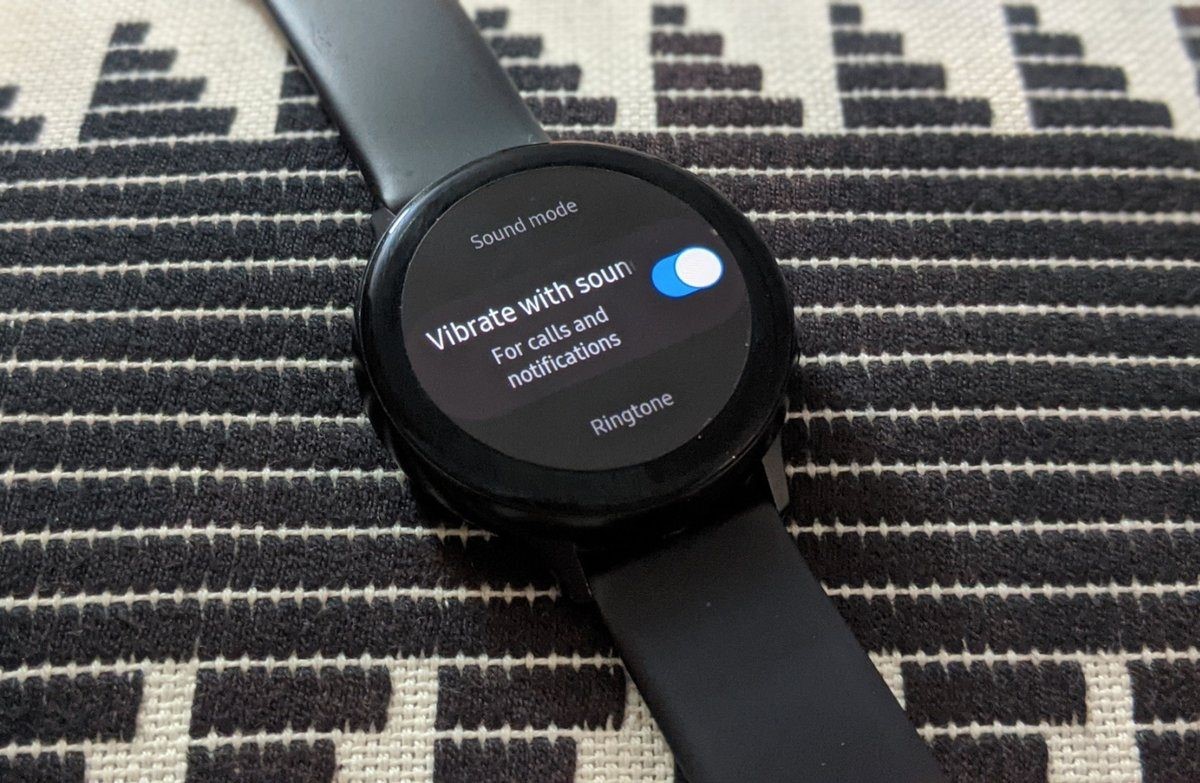
- Customize Sound and Visual Alerts: Differentiate important notifications by assigning distinct sounds or visual cues to them. This customization allows for immediate recognition of critical updates.
- Utilize Persistent Alerts: Some apps provide the option for persistent or recurring alerts for important notifications, ensuring that they remain visible until acknowledged or addressed.
- Emergency Contact Settings: For personal safety and well-being, ensure that emergency contact notifications are exempt from any do not disturb or silent mode settings, guaranteeing their immediate delivery.
- Utilize Redundant Notification Channels: Where possible, enable redundant notification channels such as SMS or email for critical alerts, ensuring that important messages are received through multiple mediums.
- Regularly Test Notification Delivery: Periodically send test notifications or alerts to verify that critical messages are being delivered as intended and that any potential issues are promptly addressed.
- Review Notification Logs: Some devices and apps maintain notification logs, allowing users to review the history of alerts and ensure that important notifications have been received and acknowledged.
- Establish Communication Protocols: In professional settings, establish clear communication protocols for critical notifications, ensuring that the appropriate individuals are promptly informed of important updates.
By implementing these strategies, individuals can safeguard the reliable delivery of important notifications, mitigating the risk of missing critical updates and ensuring that urgent messages are promptly received and addressed.