The Basics of Battery Safety
When it comes to the safe and efficient use of batteries, understanding the fundamentals of battery safety is paramount. Whether you’re using batteries in everyday devices or in more complex applications, prioritizing safety measures can prevent potential hazards and ensure the longevity of the batteries.
First and foremost, it’s essential to handle batteries with care. Whether they are disposable or rechargeable, all batteries contain chemicals that can be harmful if mishandled. Always follow the manufacturer’s guidelines for proper usage, storage, and disposal of batteries to minimize the risk of accidents.
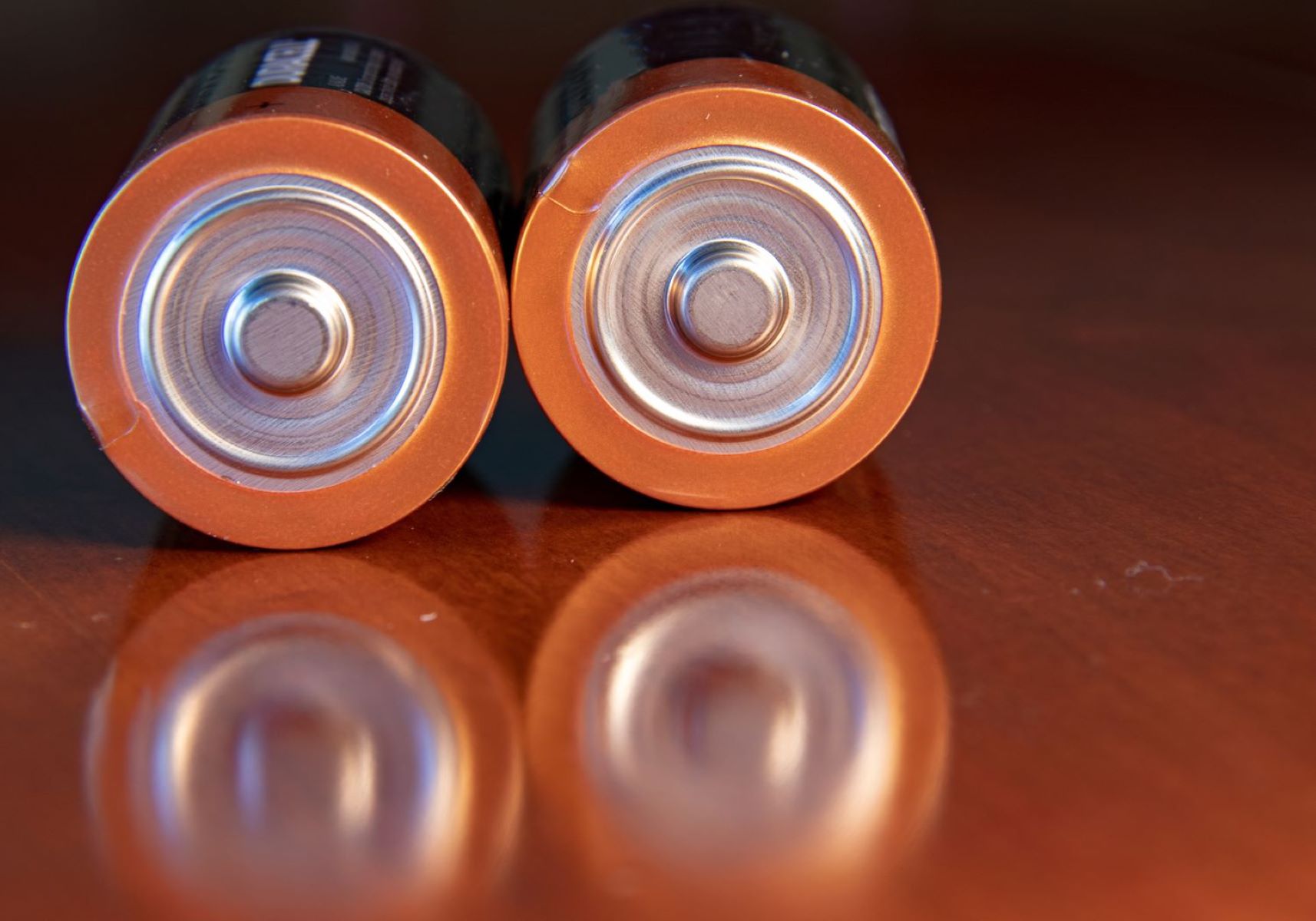
Proper storage is also crucial for maintaining battery safety. Storing batteries in a cool, dry place at room temperature not only extends their shelf life but also reduces the likelihood of short circuits or leakage. Additionally, keeping batteries away from metal objects such as coins, keys, or other batteries can prevent accidental connections and potential hazards.
Furthermore, it’s important to inspect batteries regularly for any signs of damage or wear. Cracks, bulges, or corrosion on the battery’s casing can indicate potential safety issues and should be addressed immediately. If a battery appears damaged, it should not be used and should be safely disposed of following the manufacturer’s recommendations.
Lastly, always use the correct type and size of battery for a specific device. Using the wrong battery can not only compromise the device’s performance but also pose safety risks. Always refer to the device’s manual or consult the manufacturer to ensure the appropriate battery is being used.
By adhering to these fundamental principles of battery safety, users can minimize the risks associated with battery usage and ensure the safe and efficient operation of their devices.
Understanding Sparks and Connections
Sparks and connections play a pivotal role in the safe operation of batteries. Understanding the nature of sparks and the significance of proper connections is essential for mitigating potential hazards and ensuring optimal battery performance.
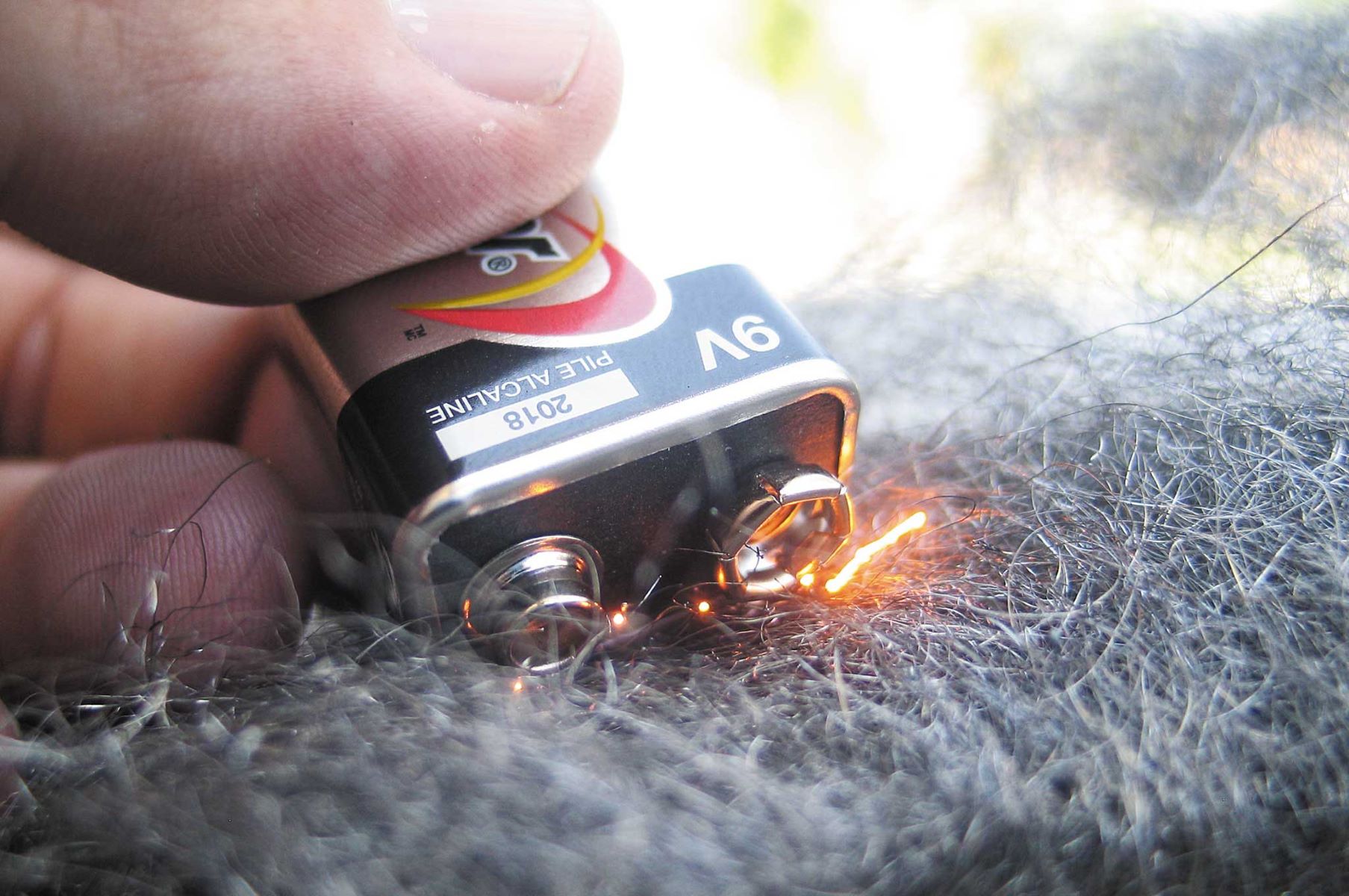
Sparks are the visible manifestation of an electrical discharge that occurs when there is a sudden flow of current between two points. In the context of batteries, sparks can occur during the connection or disconnection of a circuit, especially when there is a rapid or improper contact between the battery terminals and the connected device.
It’s crucial to recognize that sparks, while often associated with electrical malfunctions, can also be a normal occurrence during the operation of certain devices. For instance, when a switch is turned on or off, a small spark may be visible due to the sudden flow or interruption of current. However, excessive or unexpected sparks can indicate underlying issues that warrant attention.
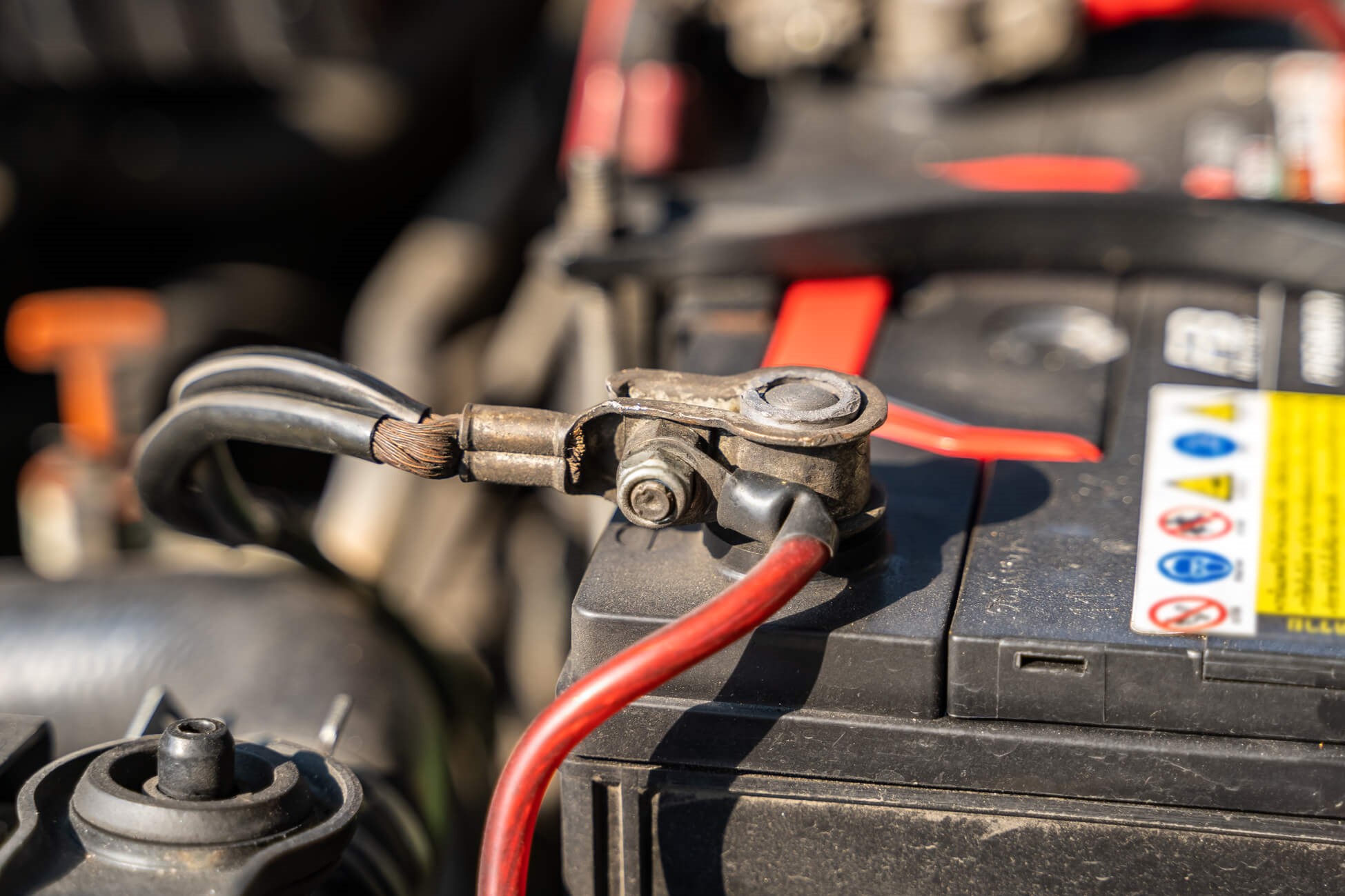
Proper connections are vital for minimizing the risk of sparks and ensuring the safe utilization of batteries. When connecting a battery to a device, it’s essential to ensure a secure and stable connection between the terminals. Loose connections or exposed wiring can lead to sparks, overheating, and potential electrical fires. Therefore, it’s imperative to inspect and maintain the integrity of the connections to prevent these hazards.
Moreover, understanding the impact of environmental factors on sparks and connections is crucial. High humidity, dust, and other contaminants can compromise the integrity of connections and increase the likelihood of sparks. Therefore, it’s advisable to keep the battery and its connections clean and free from foreign substances to maintain optimal safety and performance.
By comprehending the dynamics of sparks and the significance of secure connections, users can take proactive measures to minimize the risk of electrical hazards and ensure the safe and efficient operation of their battery-powered devices.
Common Causes of Sparks in Batteries
Sparks in batteries can stem from various factors, and understanding these common causes is imperative for preempting potential safety risks and addressing underlying issues effectively. By identifying the root causes of sparks, users can implement proactive measures to mitigate hazards and maintain the integrity of their battery-powered devices.
One prevalent cause of sparks in batteries is the presence of foreign objects or debris around the battery terminals. When foreign materials such as metal fragments, dust, or moisture accumulate around the terminals, they can create unintended conductive pathways, leading to sparks and potential short circuits. Regularly inspecting and cleaning the battery terminals can help prevent these issues and uphold safety.
Another common cause of sparks is the mishandling or improper insertion of batteries into devices. When batteries are forcefully inserted or positioned incorrectly, it can result in erratic contact between the terminals, leading to sparks and potential damage to the battery or the connected device. Ensuring proper alignment and gentle insertion of batteries is crucial for averting these issues.
Furthermore, overcharging or exposing batteries to excessive voltage can lead to sparks and pose significant safety hazards. Overcharging can cause the battery to generate excess heat, leading to thermal runaway and potential ignition of flammable materials. It’s essential to use chargers specifically designed for the respective battery type and to adhere to recommended charging durations to prevent overcharging-related sparks.
In addition, damaged or degraded battery casings can contribute to sparks and electrical malfunctions. Cracks, punctures, or corrosion on the battery casing can compromise the insulation and expose the internal components to external elements, increasing the likelihood of sparks and short circuits. Regular inspection of battery casings is essential for identifying and addressing potential safety concerns.
By recognizing these common causes of sparks in batteries and taking proactive measures to address them, users can uphold the safety and reliability of their battery-powered devices, mitigating the risks associated with electrical malfunctions and enhancing overall user experience.
The Dangers of Sparks and Connections
Sparks and faulty connections pose significant dangers in the realm of battery usage, encompassing a spectrum of potential hazards that can compromise safety and device functionality. Understanding these perils is crucial for users to appreciate the gravity of electrical malfunctions and take proactive measures to mitigate associated risks.
One of the primary dangers of sparks and faulty connections is the potential for electrical fires. When sparks occur due to loose or improper connections, they can ignite nearby flammable materials or components, leading to rapid fire outbreaks. These fires not only pose immediate risks to property and personal safety but can also escalate into larger conflagrations if not promptly addressed.
Furthermore, sparks and faulty connections can result in electrical shocks, endangering the safety of individuals interacting with battery-powered devices. Improperly connected or damaged batteries can discharge sudden jolts of electricity, leading to injuries or, in severe cases, fatalities. The risks are particularly pronounced in scenarios where devices are used in proximity to water or conductive surfaces.
In addition to immediate safety hazards, sparks and faulty connections can compromise the integrity and functionality of battery-powered devices. Erratic electrical discharges can damage sensitive electronic components, leading to malfunctions and rendering devices inoperable. This not only entails financial repercussions but can also disrupt critical operations in professional or emergency settings.
Moreover, the generation of sparks and excessive heat due to faulty connections can accelerate the degradation of batteries, shortening their operational lifespan and necessitating premature replacements. This incurs additional costs and contributes to environmental waste, highlighting the broader implications of neglecting the dangers posed by sparks and faulty connections.
By acknowledging the multifaceted dangers associated with sparks and connections, users can prioritize diligent maintenance and adherence to safety protocols when utilizing battery-powered devices. Proactive measures, such as regular inspection of connections and adherence to proper usage guidelines, are instrumental in mitigating these dangers and ensuring the safe and sustainable utilization of batteries.
Tips for Ensuring Battery Safety
Adhering to best practices for battery safety is essential for mitigating risks and optimizing the performance and longevity of battery-powered devices. By implementing the following tips, users can proactively safeguard against potential hazards and promote a secure and reliable battery usage experience.
- Follow Manufacturer Guidelines: Always adhere to the specific usage, storage, and charging guidelines provided by the battery manufacturer. This includes using compatible chargers, avoiding overcharging, and following recommended maintenance procedures.
- Inspect Regularly: Routinely inspect batteries for signs of damage, including cracks, bulges, or corrosion. Additionally, check the integrity of connections and ensure they are clean and secure to prevent potential sparks and malfunctions.
- Proper Storage: Store batteries in a cool, dry, and well-ventilated area at room temperature. Keep them away from metal objects and sources of heat to minimize the risk of short circuits and thermal events.
- Use Correct Batteries: Always use the correct type and size of battery recommended for a specific device. Using incompatible batteries can compromise safety and performance, leading to potential hazards and device malfunctions.
- Handle with Care: Exercise caution when handling batteries, especially during installation or replacement. Avoid mishandling, dropping, or exposing batteries to extreme conditions that can compromise their integrity.
- Dispose Properly: When batteries reach the end of their lifespan, ensure they are disposed of according to local regulations and manufacturer recommendations. Many communities offer recycling programs for safe battery disposal.
- Protect from Contaminants: Keep batteries and their connections free from dust, moisture, and other contaminants that can compromise their performance and lead to electrical malfunctions.
By incorporating these tips into their battery usage practices, users can cultivate a safety-conscious approach that minimizes the potential for hazards, prolongs the lifespan of batteries, and fosters a secure and reliable operational environment for their devices.