Voice Command
When it comes to turning on your smartwatch without any hassle, voice command is a game-changer. This innovative feature allows users to activate their smartwatches using simple verbal cues. By leveraging voice recognition technology, smartwatches can seamlessly respond to specific wake-up commands, such as “Hey, [Smartwatch Name],” followed by the desired action.
With the proliferation of virtual assistants like Siri, Google Assistant, and Alexa, smartwatches have integrated these voice-activated capabilities, empowering users to interact with their devices more intuitively. By simply uttering a command, users can power on their smartwatches, check the weather, set reminders, or initiate various tasks without lifting a finger. This hands-free approach not only enhances convenience but also aligns with the fast-paced, on-the-go lifestyle of modern users.
Moreover, the voice command feature extends beyond basic functionalities, enabling users to dictate messages, make calls, and control smart home devices effortlessly. This seamless integration of voice control with smartwatches exemplifies the convergence of technology and user-centric design, offering a compelling alternative to traditional power buttons.
Gesture Control
Gesture control revolutionizes the way users interact with their smartwatches, providing a hands-free method to power on these innovative devices. By leveraging motion sensors and advanced algorithms, smartwatches equipped with gesture control technology can detect specific movements and gestures, translating them into actionable commands.
One of the most notable aspects of gesture control is its intuitive nature, allowing users to activate their smartwatches through simple, predefined movements. For instance, a user can raise their wrist or perform a specific gesture to awaken the smartwatch, eliminating the need to physically press a button. This seamless and natural interaction fosters a more fluid user experience, especially in situations where manual button presses may be inconvenient or impractical.
Furthermore, gesture control empowers users to navigate through menus, scroll through notifications, and dismiss alerts with subtle hand movements, enhancing the overall usability of the smartwatch. This intuitive approach to interaction aligns with the evolving expectations of users who seek seamless integration between technology and daily activities.
By incorporating gesture control, smartwatches not only offer a convenient alternative to traditional power buttons but also embrace a more interactive and user-centric approach to device interaction. The ability to effortlessly activate and engage with a smartwatch through natural gestures reflects the ongoing evolution of wearable technology, catering to the diverse needs and preferences of modern users.
Tap or Double Tap
The tap or double tap feature presents a seamless and convenient method for powering on smartwatches, offering users a tactile alternative to traditional buttons. With this functionality, users can simply tap the screen or perform a double tap to awaken their smartwatches, eliminating the need for physical buttons while ensuring quick and effortless activation.
One of the key advantages of tap or double tap activation is its simplicity. By leveraging the touch-sensitive display of the smartwatch, users can initiate the device with a gentle tap, providing a tactile and responsive interaction that enhances the user experience. This approach aligns with the modern emphasis on intuitive and user-friendly design, catering to the preferences of individuals seeking a more seamless and accessible means of device activation.
Furthermore, the tap or double tap feature promotes a more fluid and natural interaction with smartwatches, allowing users to engage with their devices through familiar gestures. This intuitive approach not only simplifies the activation process but also contributes to a more user-centric and engaging experience, resonating with individuals who value ease of use and accessibility in their devices.
By incorporating tap or double tap functionality, smartwatches provide a tactile and responsive alternative to traditional power buttons, catering to the evolving expectations of users and reinforcing the seamless integration of technology into everyday activities.
Wrist Flick
The wrist flick feature offers a dynamic and intuitive method for activating smartwatches, leveraging motion-based interactions to power on these innovative devices. With this functionality, users can simply flick their wrist or perform a specific motion to awaken their smartwatches, providing a seamless and hands-free alternative to traditional power buttons.
One of the notable advantages of the wrist flick activation is its natural and effortless execution. By detecting the motion of the user’s wrist, smartwatches equipped with this feature can interpret the gesture as a command to power on, eliminating the need for physical button presses and streamlining the activation process. This intuitive approach aligns with the evolving expectations of users who prioritize convenience and fluid interaction with their devices.
Furthermore, the wrist flick feature enhances the overall user experience by integrating motion-based gestures into the interaction with smartwatches. This not only simplifies the activation process but also fosters a more dynamic and engaging user experience, resonating with individuals seeking a seamless and interactive approach to device interaction.
By incorporating the wrist flick functionality, smartwatches offer a compelling and hands-free alternative to traditional power buttons, embracing the seamless integration of motion-based interactions and enhancing the overall usability and appeal of these innovative devices.
Rotating Bezel
The rotating bezel feature represents a sophisticated and tactile method for activating and navigating smartwatches, offering users a unique alternative to traditional power buttons. Smartwatches equipped with a rotating bezel allow users to interact with the device by rotating the bezel, providing a tactile and intuitive means of powering on the device and accessing its various functionalities.
One of the key advantages of the rotating bezel is its tactile feedback, which enhances the user experience by providing a physical interaction with the smartwatch. The ability to rotate the bezel to power on the device not only simplifies the activation process but also offers a more engaging and tactile method of interaction, catering to users who appreciate responsive and intuitive design elements.
Furthermore, the rotating bezel feature extends beyond activation, serving as a versatile navigation tool that enables users to effortlessly scroll through menus, select options, and interact with the smartwatch’s interface. This multifaceted functionality enhances the overall usability of the smartwatch, offering a seamless and tactile approach to accessing its features and controls.
By incorporating the rotating bezel, smartwatches provide a tactile and responsive alternative to traditional power buttons, emphasizing the seamless integration of physical interaction and intuitive design elements, thereby enhancing the overall usability and appeal of these innovative devices.
Side Button
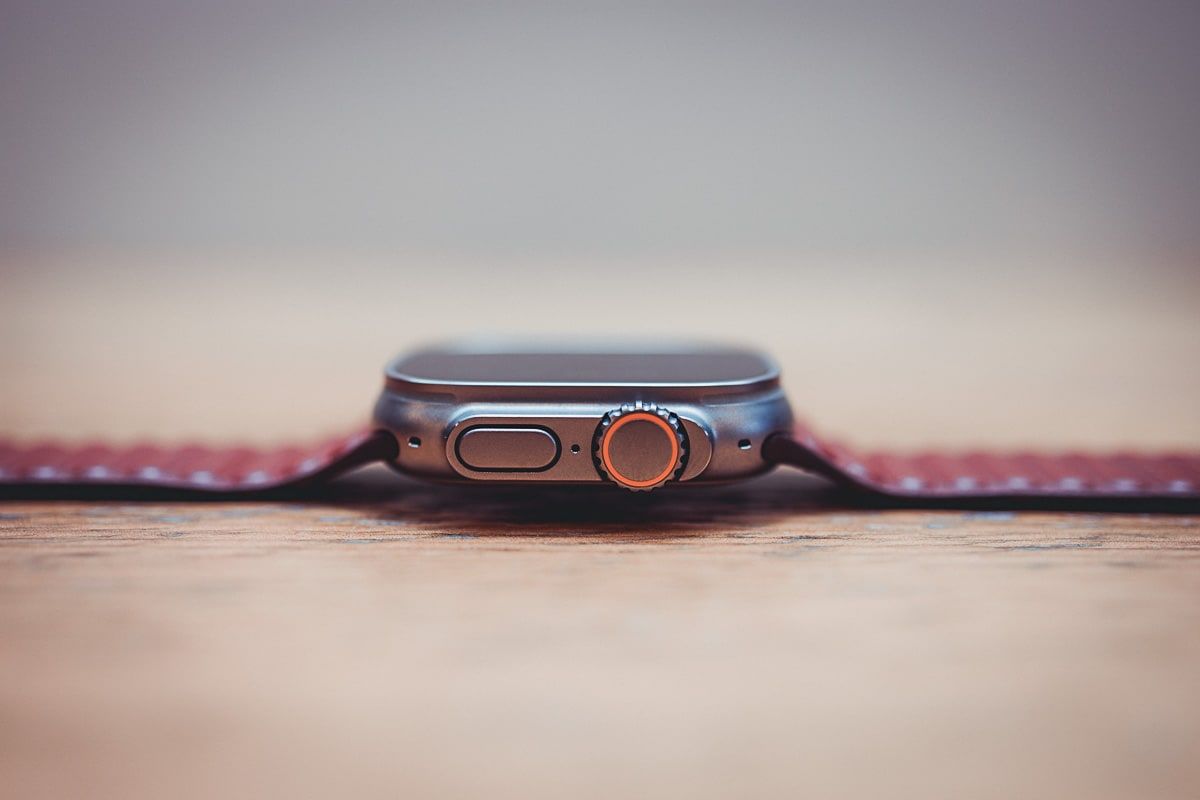
The side button serves as a traditional yet effective method for powering on smartwatches, offering users a familiar and tactile means of activating these innovative devices. Positioned ergonomically on the side of the smartwatch, the side button provides a convenient and easily accessible mechanism for turning on the device without the need for complex gestures or motions.
One of the key advantages of the side button is its tactile feedback, which allows users to physically engage with the smartwatch by pressing the button to power it on. This tactile interaction provides a reassuring and familiar experience, catering to individuals who appreciate the tangible feedback of a physical button press.
Furthermore, the side button offers a straightforward and reliable method for activating smartwatches, ensuring that users can power on their devices with a simple and intuitive action. This simplicity aligns with the user-friendly design principles, catering to individuals who value straightforward and accessible means of device activation.
Moreover, the side button often serves additional functionalities, such as accessing the app drawer, initiating voice assistants, or navigating through menus, adding versatility to its role beyond mere activation. This multifunctional aspect enhances the overall usability of the smartwatch, providing users with a convenient and centralized control point for various interactions.
By incorporating the side button, smartwatches offer a tactile and reliable alternative to alternative activation methods, emphasizing the seamless integration of physical interaction and intuitive design elements, thereby enhancing the overall usability and appeal of these innovative devices.
Touchscreen Gesture
The touchscreen gesture feature represents a modern and intuitive method for interacting with smartwatches, providing users with a seamless and responsive means of powering on these innovative devices. By leveraging the touch-sensitive display, smartwatches enable users to initiate various gestures on the screen to activate the device, offering a tactile and visually engaging alternative to traditional power buttons.
One of the key advantages of touchscreen gestures is their intuitive nature, allowing users to interact with the smartwatch through familiar touch-based actions. By tapping, swiping, or performing specific gestures on the touchscreen, users can effortlessly power on the device, fostering a more fluid and natural interaction that aligns with the modern emphasis on intuitive and user-friendly design.
Furthermore, touchscreen gestures extend beyond activation, serving as a versatile means of navigating through menus, interacting with notifications, and accessing various features of the smartwatch. This multifunctional aspect enhances the overall usability of the device, providing users with a dynamic and visually engaging method of interaction that resonates with individuals seeking a seamless and interactive user experience.
Moreover, the touchscreen gesture feature embraces the visual and interactive capabilities of smartwatches, offering users a tactile and responsive alternative to traditional power buttons. By incorporating touch-based interactions, smartwatches emphasize the seamless integration of visual and tactile elements, enhancing the overall usability and appeal of these innovative devices.