Determine your needs and budget
When starting your search for a new tablet, it’s important to first determine your needs and set a realistic budget. Tablets come in various sizes, specifications, and price ranges, so understanding your requirements and financial limitations will help narrow down your options.
Begin by considering what you will primarily use the tablet for. Are you looking for a device to enhance your productivity or entertainment? Will you be using it for gaming, streaming movies, reading e-books, or browsing the internet? Identifying your specific needs will guide you in selecting a tablet with the appropriate features and capabilities.
Once you’ve determined your needs, it’s time to establish a budget. Tablets can range in price from budget-friendly options to high-end models. Consider how much you are willing to spend and what you expect to get out of your investment. Keep in mind that while more expensive tablets may offer advanced features and superior performance, there are also affordable options that can provide a satisfactory experience for your intended use.
When setting your budget, factor in not only the initial cost but also any additional expenses such as accessories, warranty plans, and ongoing app purchases. It’s essential to have a clear understanding of what you can afford to ensure you make a sensible decision.
By determining your needs and establishing a budget upfront, you can focus your search on tablets that best align with your requirements and financial capabilities. This will save you time, prevent overspending, and increase the chances of finding the perfect tablet that meets your criteria.
Research different brands and models
Once you have determined your needs and budget, it’s time to dive into the world of tablet brands and models. Conducting thorough research will help you make an informed decision and find a tablet that suits your preferences. Here are some key steps to undertake during your research:
1. Read reviews: Start by reading reviews from reputable technology websites, experts, and users. These reviews will provide valuable insights into the performance, features, and overall user experience of different tablets. Pay attention to both the positive and negative aspects mentioned in the reviews to get a comprehensive understanding of each model.
2. Consider brand reputation: Take into account the reputation of different tablet brands. Brands that have been in the market for a longer time often have a solid track record when it comes to quality and customer service. However, newer brands may offer innovative features at a more affordable price. Research the brand’s history, customer feedback, and awards to gauge their reliability and credibility.
3. Compare specifications: Look closely at the specifications of each tablet model you’re considering. Compare factors such as processor speed, RAM, storage capacity, screen size, resolution, and connectivity options. Determine which specifications are essential for your needs and prioritize them accordingly.
4. Explore operating systems: Tablets typically run on different operating systems, such as iOS, Android, or Windows. Each operating system has its own interface, app ecosystem, and compatibility. Consider which operating system aligns with your preferences and offers the apps and features you require.
5. Seek user opinions: Look for forums, social media groups, and online communities where tablet users discuss their experiences. Engaging with users who already own the tablets you are considering can provide firsthand insights and help you make a more informed decision.
6. Visit manufacturer websites: Explore the official websites of different tablet manufacturers. They often provide detailed information about their products, including technical specifications, user guides, and frequently asked questions. This can give you a better understanding of a brand’s commitment to quality and support.
Remember to take notes during your research to keep track of the key features and pros and cons of each tablet model. This will help you make a well-informed decision when it’s time to choose the right tablet for you.
Consider the operating system
One of the crucial factors to consider when selecting a tablet is the operating system (OS) that it runs on. The operating system determines the user interface, app ecosystem, and overall functionality of the tablet. There are three main operating systems to choose from:
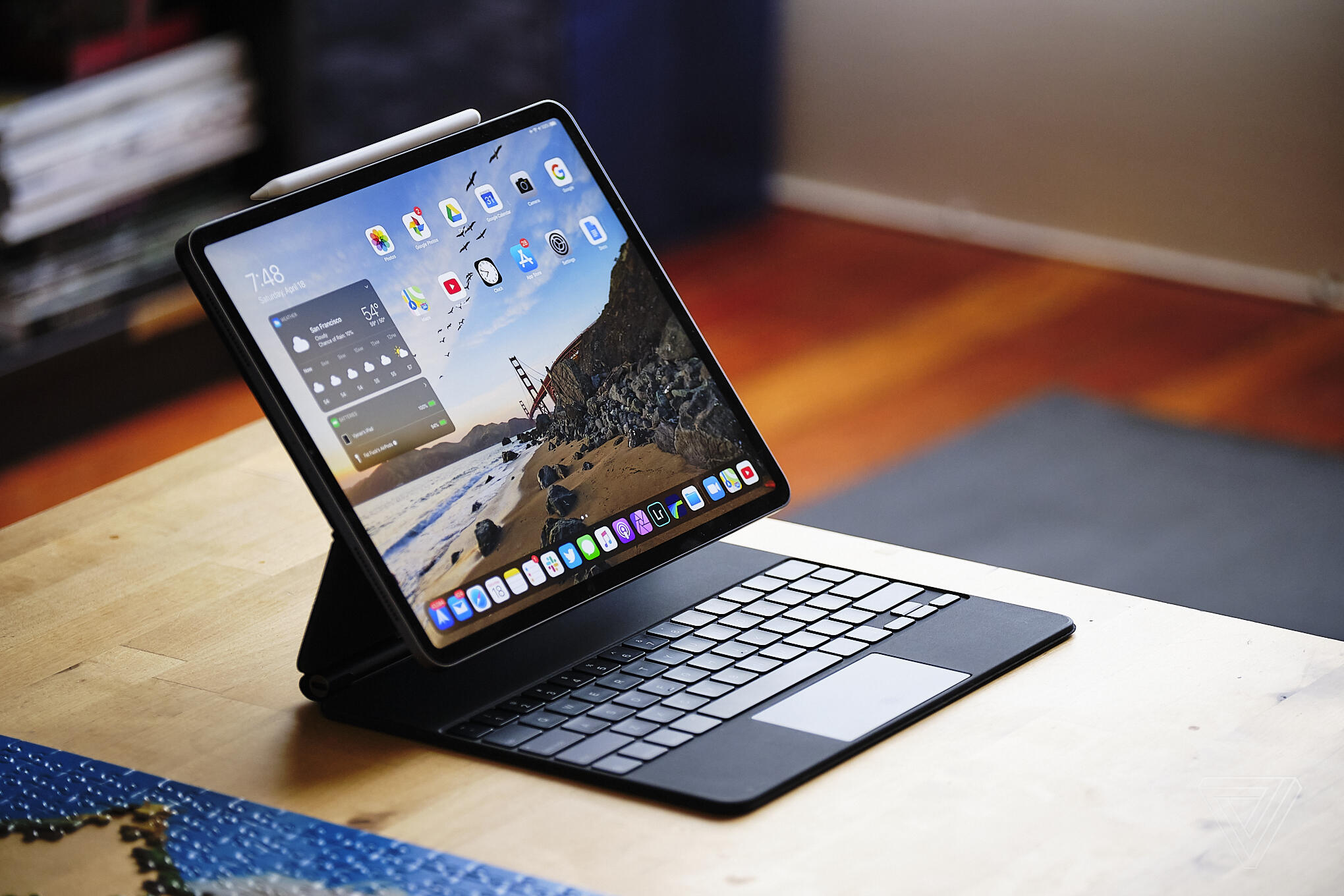
1. iOS: iOS is the operating system exclusive to Apple devices, such as the iPad. Known for its sleek and user-friendly interface, iOS offers a seamless integration with other Apple products. It has a vast selection of high-quality apps tailored to the iPad and receives regular updates for enhanced security and performance.
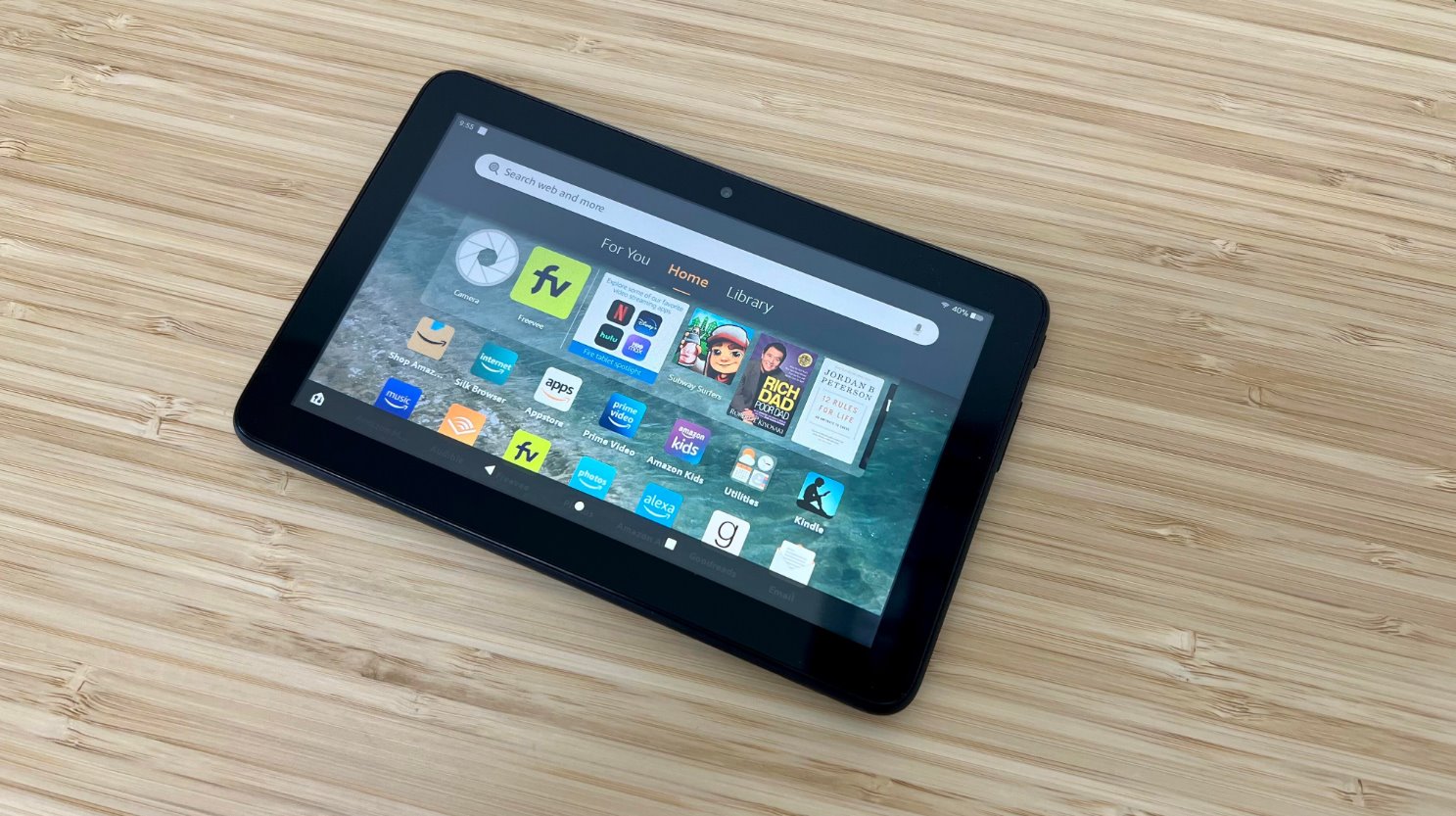
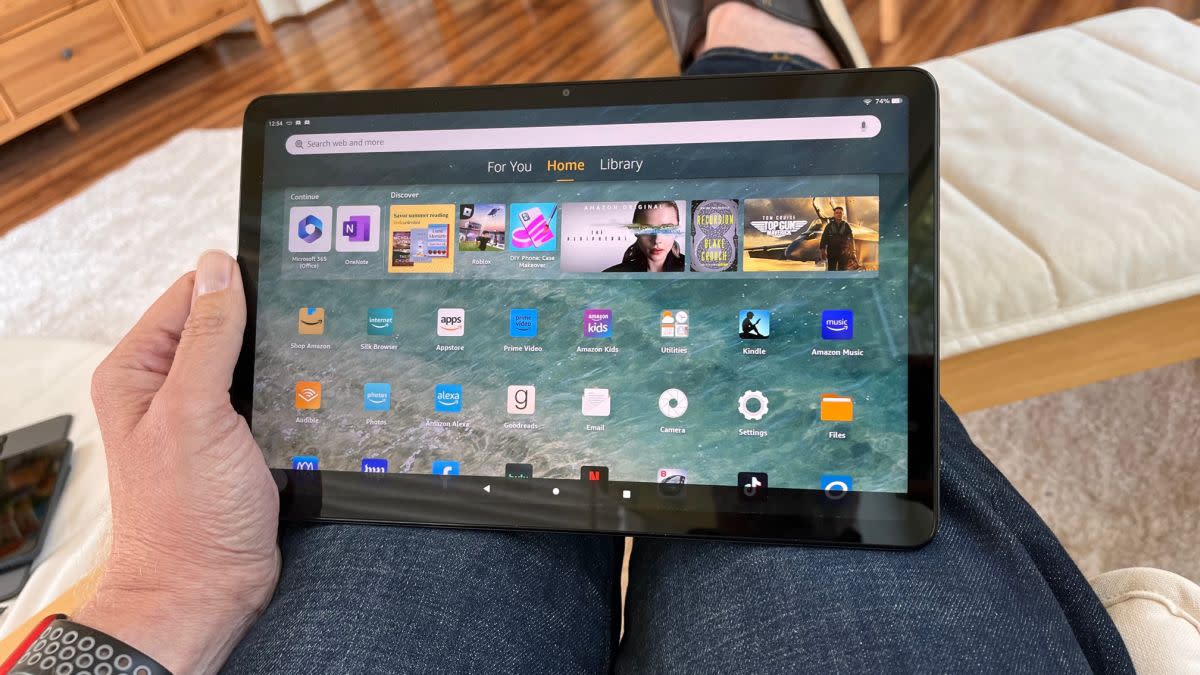
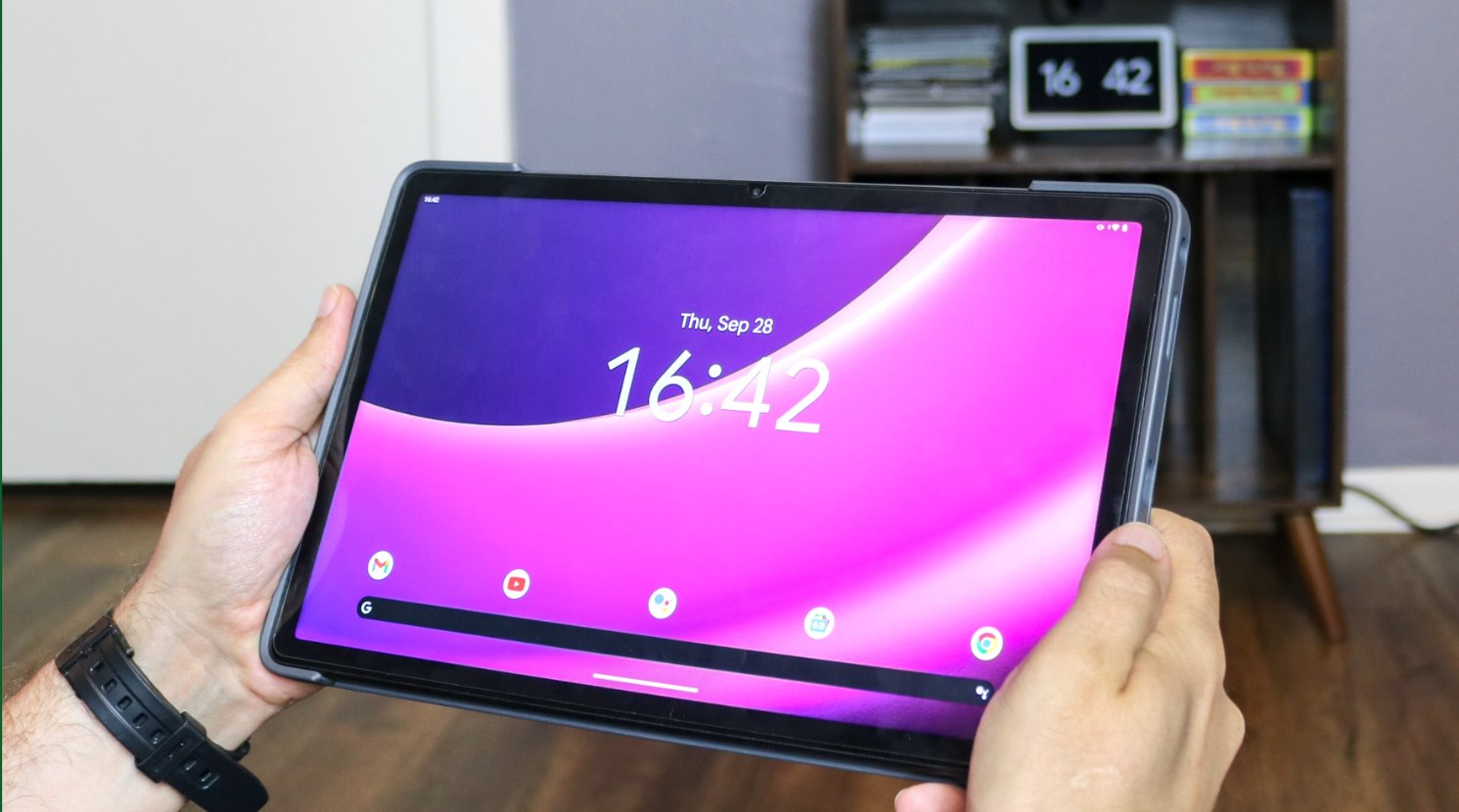
2. Android: Android is an open-source operating system used by various tablet manufacturers, including Samsung, Google, and Lenovo. Its customizable nature allows for a wide range of design choices and hardware options. Android tablets offer access to the Google Play Store, which houses millions of apps for productivity, entertainment, and more.
3. Windows: Windows tablets, like the Microsoft Surface, are powered by the Windows operating system. They provide a more familiar desktop-like experience and offer compatibility with a wide range of Windows software. Windows tablets are popular among professionals who require access to Windows-based applications and productivity tools.
When choosing an operating system, consider the following factors:
1. App availability: Each operating system has its own app store and ecosystem. Ensure that the OS you choose provides the apps you need for your intended use. Check for popular apps, productivity tools, gaming options, and any specific software you may require.
2. User interface: Try to get a feel for the user interface of each operating system. Consider if it aligns with your personal preferences and if you find it intuitive and easy to navigate. This can greatly impact your overall user experience.
3. Integration with other devices: If you own other devices such as a smartphone or laptop, consider how well the tablet’s operating system integrates with them. Some users prefer the seamless synchronization and ecosystem that comes with choosing an operating system from the same brand they already use.
By carefully evaluating the operating system options available and considering your personal preferences, app requirements, and integration needs, you can make an educated decision that ensures a smooth user experience with your tablet. Remember to test out different operating systems if possible and read reviews to gain insight into others’ experiences with each OS option.
Look at the screen size and resolution
When choosing a tablet, one of the primary considerations is the screen size and resolution. The screen plays a vital role in your overall viewing experience, whether you’re watching movies, playing games, or working on tasks. Here are some factors to consider when evaluating the screen size and resolution:
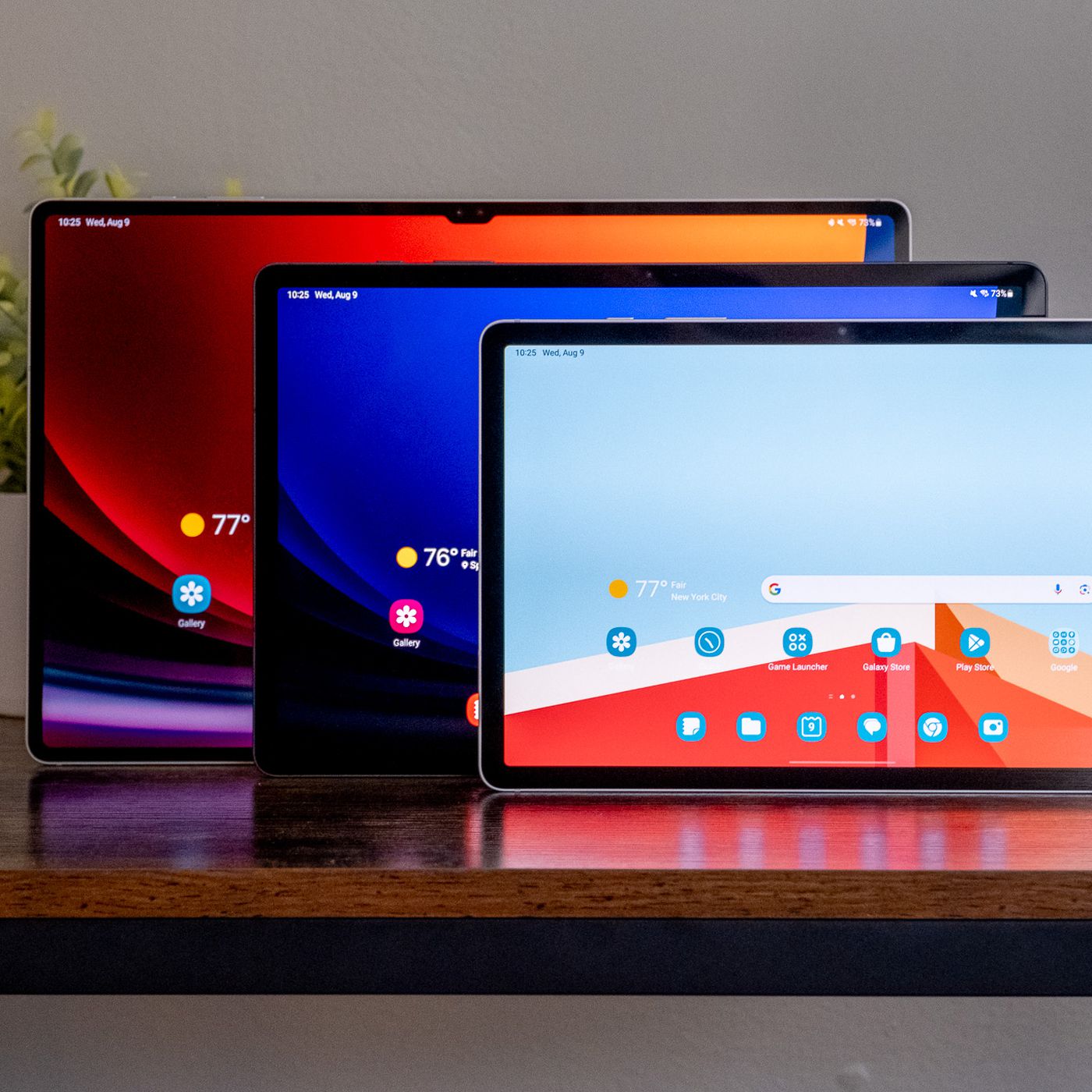
Screen Size: Tablets come in various screen sizes, typically ranging from 7 inches to 13 inches or more. The ideal screen size depends on your preferences and usage. If you need a portable tablet for on-the-go use, a smaller screen size might be more suitable. On the other hand, if you prioritize a larger viewing area for multimedia consumption or productivity tasks, a larger screen can offer a more immersive experience.
Consider where and how you will primarily use the tablet. If you plan to carry it in a bag or purse, a more compact size might be more practical. Conversely, if you anticipate using it primarily at home or in a fixed location, a larger screen may be preferable for enhanced comfort and visibility.
Screen Resolution: The resolution of a tablet’s screen determines the level of detail and clarity. Higher resolutions result in sharper images and text. Look for tablets with resolutions of at least 1080p (1920 x 1080 pixels) for a crisp display. However, some high-end tablets offer even higher resolutions, such as 2K or 4K Ultra HD, delivering stunning visuals and vibrant colors.
Consider your intended use for the tablet. If you plan to watch high-definition movies, edit photos, or play visually demanding games, a higher-resolution screen will provide a more immersive and visually appealing experience. However, if you primarily use the tablet for reading, browsing the internet, or casual tasks, a lower resolution may still be perfectly suitable.
It’s important to strike a balance between screen size and resolution based on your needs and preferences. Keep in mind that larger screens may necessitate higher resolutions to ensure optimal clarity, while smaller screens may not require ultra-high resolutions.
Ultimately, consider your usage patterns, portability requirements, and the types of content you will be consuming on the tablet. By finding the right balance between screen size and resolution, you can enjoy an immersive and visually pleasing experience that enhances your tablet usage.
Check the storage capacity and expandability options
When selecting a tablet, it’s important to consider the storage capacity and expandability options to ensure you have enough space for your files, apps, and media. Here are key factors to keep in mind:
Storage Capacity: Tablets come with varying storage capacities, typically ranging from 16GB to 512GB or more. Determine how much storage you will need based on your intended use. If you plan to store a large number of apps, high-resolution photos, videos, and music, opting for a tablet with higher storage capacity is advisable. However, if you primarily use cloud storage or stream media, a lower storage capacity might be sufficient.
Consider how much space your current files and apps occupy on your current device, if applicable. This will give you a better idea of the minimum storage capacity you should consider. Additionally, keep in mind that the operating system and pre-installed apps will consume some of the available storage, so always account for this when assessing your needs.
Expandability Options: Some tablets offer expandable storage via memory card slots. This allows you to insert a memory card to increase the available storage capacity. Check if the tablet you are considering has this option and if it supports the type of memory card you have or are planning to use.
Expandability is particularly useful if you anticipate needing more storage in the future. It provides flexibility and allows you to upgrade your storage without having to replace the entire tablet. Keep in mind that not all tablet models offer expandable storage, so if this is a crucial factor for you, be sure to verify if the tablet you are interested in has this feature.
By carefully assessing your storage needs and considering expandability options, you can select a tablet that provides ample space for your files and applications. Remember to regularly back up your data, especially if you rely heavily on the tablet’s internal storage, to protect your valuable content and free up space for new files.
Assess the processor and RAM
When choosing a tablet, it’s essential to assess the processor and RAM specifications, as they significantly impact the device’s performance and multitasking capabilities. Here are some factors to consider when evaluating the processor and RAM:
Processor: The processor is the brain of the tablet, responsible for executing tasks and running applications. Look for tablets with processors that offer a balance between performance and power efficiency. Manufacturers often mention the processor’s model and clock speed, indicating its power and speed of operations.
If you plan to use your tablet for demanding tasks such as gaming, video editing, or running resource-intensive applications, consider tablets with higher-end processors, such as those from Qualcomm, Apple, or Intel. These processors provide smooth performance and quicker response times.
However, if you primarily use the tablet for basic tasks like web browsing, email, and media consumption, a mid-range processor should suffice. Budget-friendly tablets often feature lower-end processors but can still handle these everyday tasks comfortably.
RAM: Random Access Memory (RAM) determines the amount of memory available for running multiple applications simultaneously. Tablets with higher RAM capacities allow for smoother multitasking and can handle running multiple apps without significant slowdowns.
Determine your multitasking needs and consider the amount of RAM that would suit your usage patterns. If you regularly switch between apps, perform heavy multitasking, or use memory-intensive applications, select a tablet with higher RAM capacity, typically 4GB or more.
For more basic usage, such as browsing, streaming media, and light productivity tasks, tablets with 2GB or 3GB of RAM should suffice. However, keep in mind that as apps and operating systems continue to evolve, more RAM may be required for optimal performance in the long run.
Ultimately, the processor and RAM work together to influence the tablet’s overall speed and performance. Consider your usage patterns, the types of applications you will be running, and your expectations for multitasking capabilities. By choosing a tablet with a suitable processor and sufficient RAM, you can ensure a smooth and efficient user experience.
Examine the battery life and charging options
When selecting a tablet, it’s crucial to examine the battery life and charging options to ensure it meets your needs for uninterrupted usage. Here are key factors to consider:
Battery Life: The battery life of a tablet determines how long you can use it on a single charge. Tablets with longer battery life provide greater convenience, especially if you plan to use the tablet on the go or for extended periods without access to a power source.
Check the manufacturer’s specifications or user reviews to get an idea of the expected battery life. Keep in mind that battery life can vary based on usage, screen brightness, connectivity, and other factors. Look for tablets that offer at least 8-10 hours of battery life for average usage, but if you require extensive usage without charging, consider tablets with longer battery life in the range of 10-12+ hours.
Charging Options: Consider the charging options available for the tablet. Most tablets come with a standard charging cable that connects to a power source, but some may offer additional options such as fast charging or wireless charging.
Fast charging allows you to recharge the tablet quickly, minimizing downtime. Wireless charging eliminates the need for cables and provides convenience, although it may be slower compared to traditional charging methods.
Additionally, check if the tablet’s charger is lightweight and portable, as this can be beneficial when traveling or using the tablet on the go.
It’s worth noting that the charging time can also vary based on the tablet’s battery capacity and the charger’s output. Look for tablets that offer efficient charging capabilities to ensure you can quickly recharge your device when needed.
Consider your usage patterns and charging habits to determine the battery life and charging options that will suit you best. If you anticipate long periods without access to a power source, prioritize tablets with longer battery life or consider investing in an external power bank to extend usage time.
By carefully examining the battery life and charging options, you can select a tablet that aligns with your usage requirements and provides a reliable power management solution.
Evaluate the camera quality and other features
When choosing a tablet, it’s important to evaluate the camera quality and other features to ensure they align with your requirements and preferences. Here are some factors to consider:
Camera Quality: Tablets are not typically known for their camera capabilities, but if you plan to use the tablet for photography or video calls, the camera quality becomes significant. Check the specifications and reviews to assess the camera resolution, image quality, and additional features such as autofocus, image stabilization, and low-light performance.
If you prioritize high-quality photos and videos, look for tablets with higher megapixel counts and advanced camera technologies. However, if the camera is not a primary concern for you or if you plan to use the tablet mainly for other purposes, a standard camera should be sufficient.
Other Features: In addition to camera quality, consider other features that may enhance your tablet experience. This can include fingerprint sensors for secure unlocking, stylus support for precise drawing and note-taking, or even water resistance for added durability.
Think about the features that are important to you based on your intended use. For instance, if you plan to use the tablet for media consumption, consider factors like speaker quality and audio capabilities. If you enjoy gaming, look for features like dedicated gaming modes or compatibility with gaming accessories.
Consider your preferences and usage patterns to determine which additional features will bring the most value to your tablet experience.
Remember that while camera quality and additional features can enhance your tablet experience, they may also contribute to the overall cost. Decide on the features that are necessary for your specific needs to avoid overspending on functionalities that you may not utilize.
By evaluating the camera quality and other features, you can select a tablet that offers the functionalities and capabilities that are most important to you. Consider your priorities, budget, and intended usage to make an informed decision.
Read reviews and compare user experiences
Before finalizing your decision on a tablet, it’s essential to read reviews and compare user experiences to gain insights from those who have already purchased and used the device. Here are some steps to take when conducting this research:
1. Professional reviews: Read reviews from trusted technology websites and publications. These reviews often provide a comprehensive analysis of the tablet’s performance, design, features, and overall user experience. Look for common themes and opinions among different reviews to identify strengths and weaknesses of the tablet.
2. User reviews: Check customer reviews on retailer websites, forums, and social media platforms. User reviews offer valuable firsthand experiences from people who have used the tablet in real-life situations. Look for feedback on performance, battery life, durability, and any specific features you are interested in. Pay attention to both positive and negative reviews to get a well-rounded understanding of the tablet’s pros and cons.
3. Compare user experiences: Engage with other tablet users to get their opinions and experiences. Join online communities, forums, or social media groups where tablet enthusiasts share their thoughts. Ask questions, seek advice, and listen to their recommendations. These interactions can provide valuable insights and help you identify any potential issues or benefits of specific tablets.
4. Consider reliability: When reading reviews and comparing user experiences, take note of any recurring problems or reliability issues reported by users. Look for tablets that have a good track record and positive overall feedback regarding performance, longevity, and customer support. This will increase the likelihood of purchasing a tablet that will meet your expectations and stand the test of time.
5. Prioritize trusted sources: While it’s important to consider a wide range of opinions, prioritize reviews and experiences from reputable and trusted sources. Pay attention to reviews that align with your preferences and needs. This will help you make a more informed decision and filter out biased or unreliable information.
By taking the time to read reviews and compare user experiences, you can gain valuable insights into the real-world performance and usability of the tablet you are considering. This research will enable you to make a more informed decision and select a tablet that meets your expectations and requirements.
Visit a store to test the tablets in person
While online research is invaluable, it’s highly recommended to visit a physical store to test the tablets in person before making a final decision. Here’s why:
Hands-on experience: By visiting a store, you can get a hands-on experience with the tablets you’re considering. This allows you to assess factors such as the size, weight, and ergonomics of the device. Hold the tablet in your hands, navigate through the interface, and test out the features to see how they feel and function in real life.
Screen quality: Seeing the tablet’s screen in person is crucial to evaluate its quality. Check the brightness levels, color accuracy, and viewing angles. Look for sharp text and vibrant colors to ensure an enjoyable viewing experience. Consider how the screen looks under different lighting conditions to gauge its versatility.
Performance testing: In-store testing allows you to evaluate the tablet’s performance directly. Open apps, switch between them, and perform basic tasks to assess the speed and responsiveness. Try out some resource-intensive applications or games to see how the tablet handles them. Testing in person provides a firsthand understanding of the tablet’s capabilities, ensuring you choose one that meets your specific performance needs.
Comfort and usability: Visiting a store allows you to evaluate the tablet’s comfort and usability. Test the on-screen keyboard for typing responsiveness and accuracy. Assess the placement and sensitivity of buttons and controls. Consider the ease of navigating the interface and accessing important settings. These factors contribute to the overall user experience and can greatly impact your tablet usage on a day-to-day basis.
Get expert advice: In-store visits provide an opportunity to interact with knowledgeable sales representatives. They can answer your questions, provide comparisons between different models, and offer personalized recommendations based on your needs and preferences. Their expertise can be valuable in helping you make an informed decision and selecting the right tablet for you.
Keep in mind that visiting a store doesn’t necessarily mean you have to make an immediate purchase. Use this opportunity to gather firsthand information, test different tablets, and make notes for further consideration. Then, you can compare your experiences with the online research you’ve done and use this combined knowledge to make a confident and well-informed decision.
By visiting a store to test the tablets in person, you can ensure that the tablet you ultimately choose is comfortable, performs well, and meets your expectations. This hands-on approach allows you to make a decision based on your own firsthand experiences rather than relying solely on online reviews and specifications.
Consider the warranty and customer support options
When purchasing a tablet, it’s essential to consider the warranty and customer support options to protect your investment and ensure a positive ownership experience. Here’s why this factor is important:
Warranty Coverage: Before making your final decision, review the warranty that comes with the tablet. The warranty typically covers manufacturing defects and malfunctions within a specified period. Look for a warranty that offers a reasonable duration, such as one or two years, to safeguard against unforeseen issues. Understand the terms and conditions of the warranty, including what is covered and any potential exclusions.
Consider whether the warranty is provided by the manufacturer or a third-party warranty provider. Manufacturer warranties often offer better coverage and access to authorized service centers. Additionally, some manufacturers offer extended warranty options for an additional cost, providing added peace of mind for an extended period.
Customer Support: Assess the customer support options provided by the tablet manufacturer. Research their reputation for responsive and helpful customer service. Look for platforms such as phone, email, live chat, or online ticket systems through which you can seek assistance in case of any issues or queries.
Check online forums and consumer reviews to get an understanding of customer experiences with the manufacturer’s support services. Prompt and reliable customer support can greatly enhance your ownership experience by addressing concerns and providing timely solutions.
Aftersales Services: Consider the availability and accessibility of aftersales services. Find out if there are authorized service centers near your location where you can get repairs or replacements done efficiently. Look for options that offer local servicing or convenient shipping solutions if repairs are needed.
Extended Warranty and Protection Plans: Some retailers or third-party providers offer extended warranty packages or protection plans. These plans go beyond the manufacturer’s warranty and provide additional coverage for accidents, damages, or other incidents that may occur during your ownership. Evaluate the terms, costs, and benefits of these options to determine if they are worth considering.
By considering the warranty coverage, customer support options, and aftersales services, you can ensure that you have reliable support in case of any issues or concerns. A robust warranty and responsive customer support can provide peace of mind and help resolve problems efficiently, enhancing your overall satisfaction with the tablet.
Make a decision and purchase the tablet
After conducting thorough research, comparing features, and considering all the factors mentioned above, it’s time to make a decision and purchase the tablet that best meets your needs. Here are some key steps to guide you in the final stages of the process:
Weigh the pros and cons: Review the notes you’ve taken throughout your research. Consider the strengths and weaknesses of each tablet you’ve assessed. Prioritize the features and specifications that matter most to you and align with your intended use of the tablet.
Consider your budget: Take into account the budget you’ve set for the purchase. Ensure that the tablet you choose falls within your financial limitations. Remember to factor in any additional costs such as accessories, extended warranties, or protection plans, if applicable.
Revisit user reviews and experiences: Take another look at user reviews and experiences to refresh your memory. Pay attention to the opinions and feedback of those who have used the tablets you are considering. This can help reaffirm your decision or bring up any potential concerns you may have missed.
Test the tablet in-store (if possible): If you had the opportunity to visit a store and test the tablets in person, reflect on your hands-on experience. Consider how the tablet felt, the usability of its features, and the overall user interface. Take this firsthand experience into account while making your final decision.
Ensure reliable purchasing: Purchase the tablet from a reputable and authorized seller. This can be an official retailer, online marketplace, or the manufacturer’s website. This ensures that you receive a genuine product with valid warranties and access to customer support services if needed.
Compare prices and deals: Before finalizing the purchase, compare prices from different sellers to ensure you get the best value for your money. Look for any ongoing promotions, discounts, or bundled deals that can further enhance your purchase.
Finalize your order: Once you’ve made your decision, double-check all the details, including the tablet model, specifications, and any additional accessories or warranties you may have chosen. Proceed with the purchase, following the seller’s instructions and providing accurate shipping and payment information.
Remember to keep a record of the purchase confirmation, warranty information, and any relevant receipts for future reference. This will assist you in case of any inquiries or warranty claims.
By following these steps and trusting your research, you can make an informed decision and confidently purchase the tablet that aligns with your needs and preferences. Enjoy your new tablet and explore the endless possibilities it offers!