Understanding the Insinkerator Connector
The Insinkerator connector is an essential component that facilitates the seamless installation and operation of your Insinkerator garbage disposal unit. This connector serves as the vital link between the electrical wiring and the disposal unit, ensuring a safe and reliable connection. Understanding the intricacies of this connector is crucial for ensuring a successful installation process.
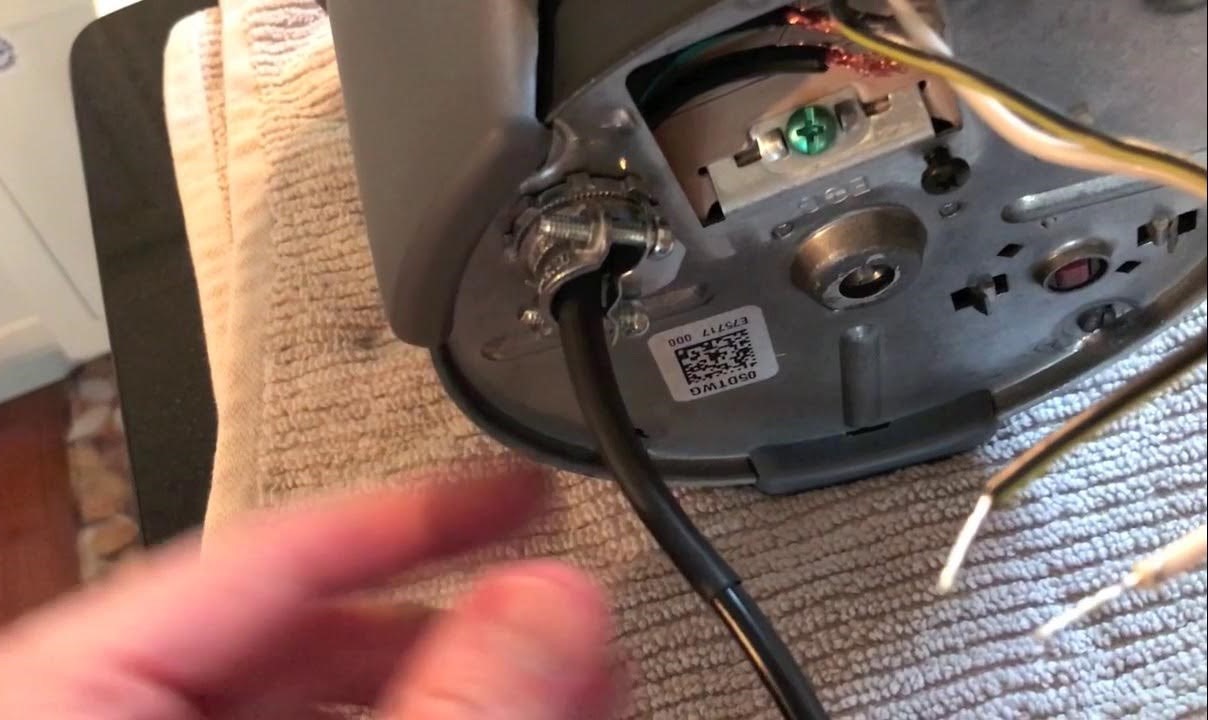
The Insinkerator connector typically consists of two main parts: the cable and the connector itself. The cable is responsible for transmitting electrical power from the power source to the disposal unit, while the connector serves as the interface between the cable and the unit. It is important to note that the connector must be compatible with the specific model of the Insinkerator disposal unit being installed, as different models may require different connector sizes and configurations.
When dealing with the Insinkerator connector, it is imperative to adhere to all safety guidelines and regulations. This includes ensuring that the electrical wiring is properly insulated and that all connections are secure. Additionally, it is essential to familiarize oneself with the electrical specifications of the disposal unit to ensure that the connector and cable can safely accommodate the unit's power requirements.
Furthermore, understanding the role of the Insinkerator connector in the broader context of the disposal unit's functionality is crucial. The connector not only provides the electrical connection but also plays a pivotal role in ensuring the overall safety and performance of the unit. As such, a thorough comprehension of the connector's function is paramount in guaranteeing the long-term reliability and efficiency of the garbage disposal system.
In summary, grasping the significance of the Insinkerator connector, including its components, compatibility requirements, safety considerations, and functional role, is fundamental to the successful installation and operation of an Insinkerator garbage disposal unit. With this understanding, individuals can proceed with confidence, knowing that they are equipped to effectively navigate the intricacies of the connector and optimize the performance of their disposal system.
Measuring the Cable
Before selecting the appropriate connector for your Insinkerator garbage disposal unit, it is crucial to accurately measure the cable that will be used to power the unit. This process ensures that the connector chosen is compatible with the specific dimensions and specifications of the electrical wiring, thereby facilitating a secure and efficient connection.
To measure the cable, begin by identifying the gauge or thickness of the wire. The gauge of the wire directly impacts the amount of electrical current it can safely carry, making it a critical factor in determining the appropriate connector size. The gauge is typically denoted by a numerical value, with lower numbers indicating thicker wires capable of handling higher currents. It is imperative to select a connector that is compatible with the gauge of the cable to prevent overheating and ensure optimal electrical conductivity.
Additionally, measuring the length of the cable is essential for determining the reach required for connecting the disposal unit to the power source. Accurately assessing the length of the cable enables individuals to select a connector with sufficient length and flexibility to accommodate the specific installation requirements. This step helps prevent strain on the cable and connector, reducing the risk of damage or disconnection over time.
Moreover, evaluating the insulation of the cable is vital in ensuring the safety and durability of the electrical connection. The insulation serves as a protective barrier, safeguarding against electrical shocks and minimizing the risk of short circuits. By assessing the quality and integrity of the insulation, individuals can make informed decisions when choosing a connector that complements the cable's insulation type and thickness, thereby enhancing the overall safety of the connection.
Choosing the Right Size of Connector
When selecting the connector for your Insinkerator garbage disposal unit, it is imperative to choose the right size to ensure a secure and reliable electrical connection. The connector serves as the critical interface between the electrical cable and the disposal unit, and its size directly impacts the compatibility and safety of the connection.
First and foremost, it is essential to consider the electrical specifications of the disposal unit. This includes assessing the voltage and current requirements of the unit to determine the appropriate connector size. Choosing a connector that aligns with the unit’s electrical specifications is crucial for maintaining the integrity of the electrical connection and preventing potential hazards such as overheating or electrical overload.
Furthermore, matching the connector size to the gauge of the cable is paramount for establishing a proper connection. The connector should be compatible with the gauge of the electrical wire to ensure optimal conductivity and prevent potential issues such as voltage drop or excessive resistance. By selecting a connector that aligns with the cable’s gauge, individuals can effectively mitigate the risk of electrical inefficiencies and safety hazards.
Additionally, considering the physical dimensions of the connector is essential for accommodating the installation requirements and spatial constraints. The connector should provide a secure and snug fit for the cable, minimizing the risk of loose connections or strain on the wiring. Ensuring that the connector size complements the cable’s dimensions promotes a secure and stable electrical connection, contributing to the overall safety and performance of the disposal unit.
Moreover, evaluating the compatibility of the connector with the specific model of the Insinkerator disposal unit is crucial. Different models may require distinct connector sizes and configurations to ensure a proper fit and seamless integration with the unit. By verifying the compatibility of the connector with the disposal unit, individuals can confidently select the right size of connector, thereby optimizing the functionality and reliability of the electrical connection.
Testing the Connection
After selecting the appropriate size of connector and completing the installation of the Insinkerator garbage disposal unit, it is crucial to conduct thorough testing of the electrical connection to ensure its safety and reliability. Testing the connection serves as a critical step in the installation process, providing assurance that the electrical components are functioning as intended and that the disposal unit can operate without risk of electrical issues.
One of the primary methods for testing the connection is to conduct a visual inspection of the entire electrical setup. This involves carefully examining the connector, cable, and wiring to check for any signs of damage, loose connections, or exposed conductors. Additionally, verifying that the connector is securely fastened to the disposal unit and that the cable is properly routed and supported can help identify any potential installation issues that could compromise the electrical connection.
Furthermore, utilizing a multimeter or voltage tester to measure the electrical continuity and voltage at various points along the connection can provide valuable insights into the integrity of the electrical circuit. This testing method helps confirm that the electrical current is flowing as expected and that there are no interruptions or irregularities that could indicate a faulty connection.
Conducting a functionality test of the disposal unit itself is also crucial for verifying the effectiveness of the electrical connection. This involves activating the unit and observing its operation while paying close attention to any unusual sounds, vibrations, or fluctuations in performance that could indicate underlying electrical issues. Additionally, testing the unit under varying load conditions can help assess the stability and resilience of the electrical connection.
Finally, it is essential to ensure compliance with all safety standards and regulations during the testing process. This includes confirming that the electrical components are installed in accordance with local electrical codes, and that all connections are properly insulated and protected from potential environmental hazards. Adhering to safety protocols helps mitigate the risk of electrical accidents and ensures the long-term reliability of the disposal unit’s electrical connection.