What is a CGB Connector?
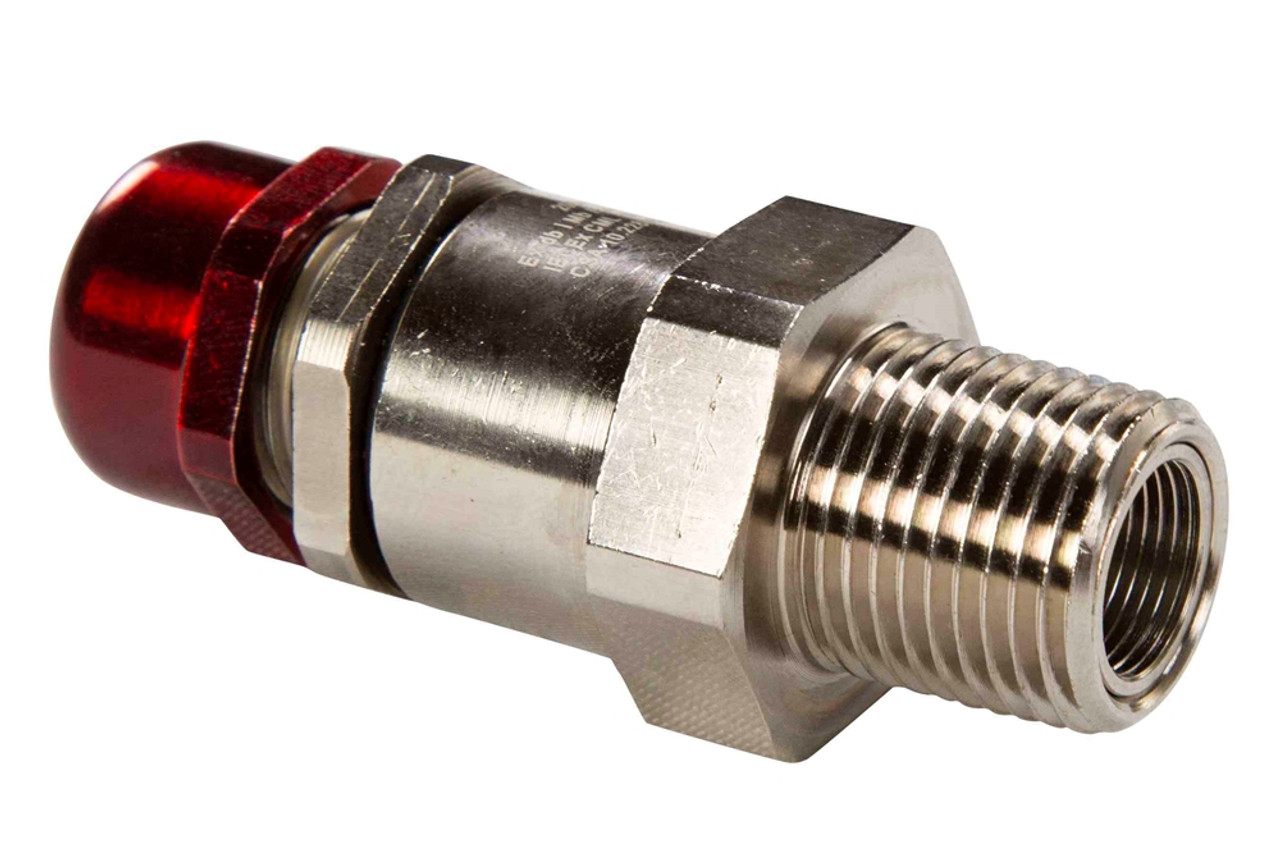
A CGB (Controlled Grounding Bushing) connector is a crucial component in electrical systems, designed to provide a reliable ground connection for electrical equipment. It serves as a protective interface between the grounding conductor and the metallic enclosure of electrical devices, ensuring the safe dissipation of fault currents and the prevention of electrical hazards.
These connectors are engineered to maintain the integrity of the electrical system by effectively grounding the equipment, thereby safeguarding both personnel and the equipment itself from potential electrical faults. The CGB connector is meticulously crafted to meet stringent industry standards and is widely utilized in various industrial, commercial, and residential applications.
At its core, a CGB connector is a specialized fitting that facilitates the secure termination of grounding conductors to electrical enclosures, conduits, or equipment. Its robust construction and reliable performance make it an indispensable component in electrical installations, providing a dependable pathway for fault currents to be safely directed away from sensitive electrical equipment and personnel.
Furthermore, CGB connectors are engineered to withstand environmental elements, corrosion, and mechanical stress, ensuring long-term reliability and safety in diverse operating conditions. These connectors play a pivotal role in maintaining the safety and functionality of electrical systems, making them a fundamental element in the realm of electrical engineering and installation.
The Components of a CGB Connector
A CGB (Controlled Grounding Bushing) connector comprises several essential components, each playing a vital role in ensuring the effective grounding and protection of electrical equipment. Understanding the key elements of a CGB connector is crucial for comprehending its functionality and significance in electrical systems.
1. Grounding Bushing: This is the central component of the CGB connector, serving as the interface between the grounding conductor and the metallic enclosure of the electrical equipment. The grounding bushing is meticulously designed to provide a secure and reliable connection, effectively dissipating fault currents and preventing electrical hazards.
2. Locknut: The locknut is employed to secure the grounding bushing to the electrical enclosure, ensuring a robust and stable connection. It plays a pivotal role in maintaining the integrity of the grounding system and preventing the dislodging of the connector under varying operational conditions.
3. Insulating Throat: This component is designed to insulate the grounding conductor from the metallic enclosure, preventing any unintended contact that could compromise the integrity of the grounding system. The insulating throat ensures that the grounding conductor is securely isolated, minimizing the risk of electrical faults.
4. Sealing Washer: The sealing washer is utilized to provide a moisture-resistant seal between the grounding bushing and the electrical enclosure. It safeguards the connection against environmental elements, moisture, and contaminants, preserving the reliability and longevity of the grounding system.
5. Grounding Lug: The grounding lug serves as the termination point for the grounding conductor, facilitating a secure and conductive connection to the electrical enclosure. It is engineered to withstand electrical currents and provide a low-impedance pathway for fault currents, ensuring the effective dissipation of electrical energy.
These components collectively form a robust and reliable CGB connector, essential for establishing a dependable grounding system in electrical installations. By integrating these elements, the CGB connector ensures the safe and efficient operation of electrical equipment, mitigating the risks associated with electrical faults and enhancing the overall safety of the electrical system.
How Does a CGB Connector Work?
A CGB (Controlled Grounding Bushing) connector functions as a critical link in the grounding system of electrical equipment, facilitating the safe dissipation of fault currents and ensuring the protection of personnel and assets. Understanding the operational principles of a CGB connector is essential for grasping its role in maintaining the integrity and safety of electrical systems.
When integrated into an electrical installation, the CGB connector serves as a secure interface between the grounding conductor and the metallic enclosure of the equipment. In the event of a fault or surge in the electrical system, the CGB connector provides a low-impedance pathway for fault currents to flow safely to the ground, preventing the buildup of dangerous electrical potential that could pose hazards to personnel and equipment.
The grounding bushing, a central component of the CGB connector, establishes a reliable connection between the grounding conductor and the equipment enclosure, effectively dissipating fault currents and providing a robust grounding path. This ensures that any errant electrical energy is promptly and safely directed away from sensitive components, mitigating the risk of electrical damage or hazards.
Furthermore, the insulating throat of the CGB connector plays a crucial role in isolating the grounding conductor from the metallic enclosure, preventing unintended contact and maintaining the integrity of the grounding system. By effectively insulating the grounding conductor, the CGB connector minimizes the likelihood of electrical faults and enhances the overall safety of the electrical installation.
Additionally, the sealing washer of the CGB connector provides a moisture-resistant barrier, safeguarding the connection against environmental elements and contaminants. This protective feature ensures the long-term reliability and effectiveness of the grounding system, even in demanding operating conditions.
Overall, the CGB connector works by establishing a secure and conductive pathway for fault currents to be safely dissipated, thereby preventing potential electrical hazards and preserving the operational integrity of electrical equipment. By effectively grounding the system and mitigating the risks associated with electrical faults, the CGB connector plays a pivotal role in enhancing the safety and reliability of electrical installations.
Common Uses of CGB Connectors
CGB (Controlled Grounding Bushing) connectors find widespread application across various sectors, playing a pivotal role in ensuring the safety and reliability of electrical systems. Their versatile design and robust functionality make them indispensable in numerous applications, ranging from industrial settings to residential installations.
1. Industrial Electrical Installations: In industrial environments, CGB connectors are extensively utilized to ground electrical equipment, machinery, and enclosures. Their ability to provide a secure grounding interface ensures the safe dissipation of fault currents, thereby minimizing the risk of electrical hazards and equipment damage in industrial settings.
2. Commercial Buildings: CGB connectors are commonly employed in commercial electrical installations to establish reliable grounding connections for various equipment and electrical enclosures. From office buildings to retail establishments, these connectors contribute to the overall safety and operational integrity of electrical systems in commercial settings.
3. Residential Electrical Systems: In residential applications, CGB connectors are utilized to ground electrical panels, service entrances, and other critical components of the home electrical system. By providing a dependable grounding interface, CGB connectors enhance the safety of residential electrical installations, offering protection against electrical faults and surges.
4. Renewable Energy Installations: CGB connectors play a crucial role in grounding systems within renewable energy facilities, such as solar farms and wind power installations. Their robust construction and reliable performance make them well-suited for ensuring the safe and effective grounding of electrical components in renewable energy applications.
5. Telecommunication Infrastructure: Within telecommunication networks and infrastructure, CGB connectors are utilized to establish secure grounding connections for equipment enclosures, ensuring the protection of sensitive electronic components and telecommunications infrastructure from electrical surges and faults.
6. Transportation Systems: In transportation applications, including railway systems and transit facilities, CGB connectors are employed to provide a reliable grounding interface for electrical equipment and infrastructure. Their ability to dissipate fault currents ensures the safe and uninterrupted operation of critical electrical systems in transportation networks.
Overall, the versatility and reliability of CGB connectors make them indispensable in a wide array of applications, contributing to the safety, integrity, and functionality of electrical systems across diverse sectors.
Advantages and Disadvantages of CGB Connectors
CGB (Controlled Grounding Bushing) connectors offer several advantages and disadvantages, influencing their suitability for various electrical applications. Understanding these factors is crucial for evaluating the benefits and limitations of integrating CGB connectors into electrical systems.
Advantages:
- Effective Grounding: CGB connectors provide a reliable and low-impedance grounding interface, ensuring the safe dissipation of fault currents and the protection of electrical equipment and personnel.
- Robust Construction: These connectors are engineered to withstand environmental elements, corrosion, and mechanical stress, ensuring long-term reliability and performance in diverse operating conditions.
- Versatile Application: CGB connectors find extensive use in industrial, commercial, residential, and specialized applications, demonstrating their adaptability and broad utility across diverse sectors.
- Enhanced Safety: By establishing secure grounding connections, CGB connectors mitigate the risks associated with electrical faults, contributing to the overall safety and integrity of electrical installations.
- Long-Term Reliability: The robust design and high-quality materials used in CGB connectors contribute to their longevity and consistent performance, minimizing the need for frequent maintenance or replacements.
Disadvantages:
- Complex Installation: Integrating CGB connectors may require specialized knowledge and tools, potentially increasing the complexity of installation and contributing to higher installation costs.
- Space Requirements: The physical dimensions of CGB connectors may necessitate adequate space within electrical enclosures, posing challenges in applications with limited space or compact equipment configurations.
- Maintenance Considerations: While CGB connectors are designed for long-term reliability, periodic inspection and maintenance may be necessary to ensure continued performance, adding to the overall maintenance requirements of the electrical system.
- Initial Investment: The upfront cost of CGB connectors, particularly for high-quality and specialized variants, may represent a significant initial investment for electrical installations, influencing the overall project budget.
- Compatibility: Ensuring compatibility with specific equipment and grounding systems is essential when selecting CGB connectors, as variations in design and specifications may impact their suitability for certain applications.
By weighing these advantages and disadvantages, electrical engineers, installers, and facility managers can make informed decisions regarding the integration of CGB connectors into electrical systems, considering factors such as safety, reliability, cost-effectiveness, and compatibility with existing infrastructure.