What are Car Fuses and Fusible Links?
Car fuses and fusible links are essential components of a vehicle’s electrical system. They are designed to protect the electrical circuits from overloading, short circuits, and other electrical faults. Both fuses and fusible links serve the same purpose, but they differ in their construction and operation.
A car fuse is a small, glass or plastic cylinder with a metal strip or wire inside it. When a circuit experiences an overload or short circuit, the metal inside the fuse will melt, breaking the electrical connection and preventing further damage to the circuit. Fuses are usually color-coded according to their amp rating, indicating the amount of current they can handle before blowing.
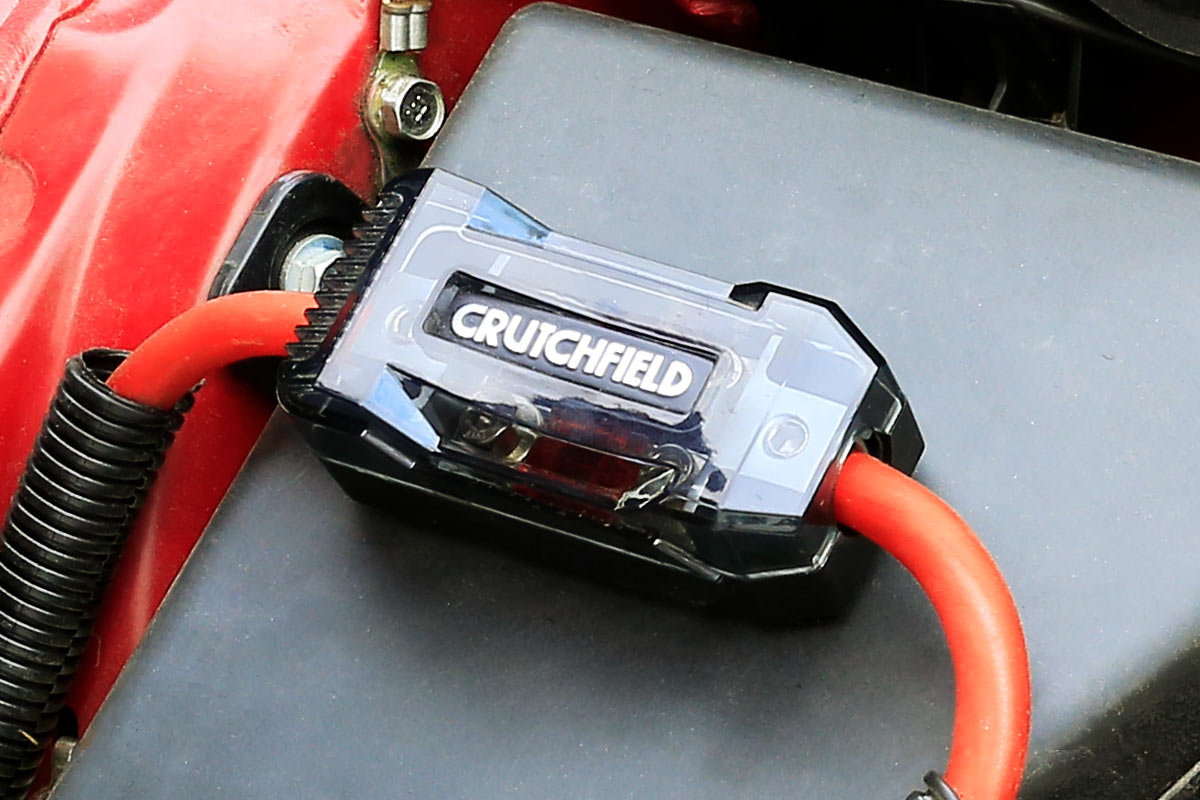
On the other hand, fusible links are heavy-gauge wires or cables with a built-in fuse element. They are often found in the main power distribution box and are used to protect high-current circuits, such as the alternator, starter motor, and battery. Fusible links have a higher current rating than regular fuses and are designed to withstand the high temperatures resulting from a fault condition.
The main difference between fuses and fusible links is their response time to an electrical fault. Fuses blow relatively faster than fusible links, providing quicker protection to the electrical system. Fusible links, on the other hand, are more tolerant of short-duration faults and can withstand higher current surges for a short period of time.
Why are Car Fuses and Fusible Links Important?
Car fuses and fusible links play a crucial role in ensuring the safety and proper functioning of a vehicle’s electrical system. Here are some reasons why they are important:
1. Protection against electrical faults: Car fuses and fusible links are designed to protect the electrical circuits from overloading, short circuits, and other electrical faults. They act as a barrier to prevent excessive current flow, which can damage sensitive components and cause electrical fires. Without fuses and fusible links, the electrical system would be vulnerable to damage and potential safety hazards.
2. Prevent damage to components: When an electrical fault occurs, such as a short circuit, the fuse or fusible link will blow, interrupting the electrical current. This prevents excessive current from flowing through the circuit and damaging various components. By sacrificing themselves in the event of a fault, fuses and fusible links protect expensive and critical components like the alternator, starter motor, and battery from potential damage.
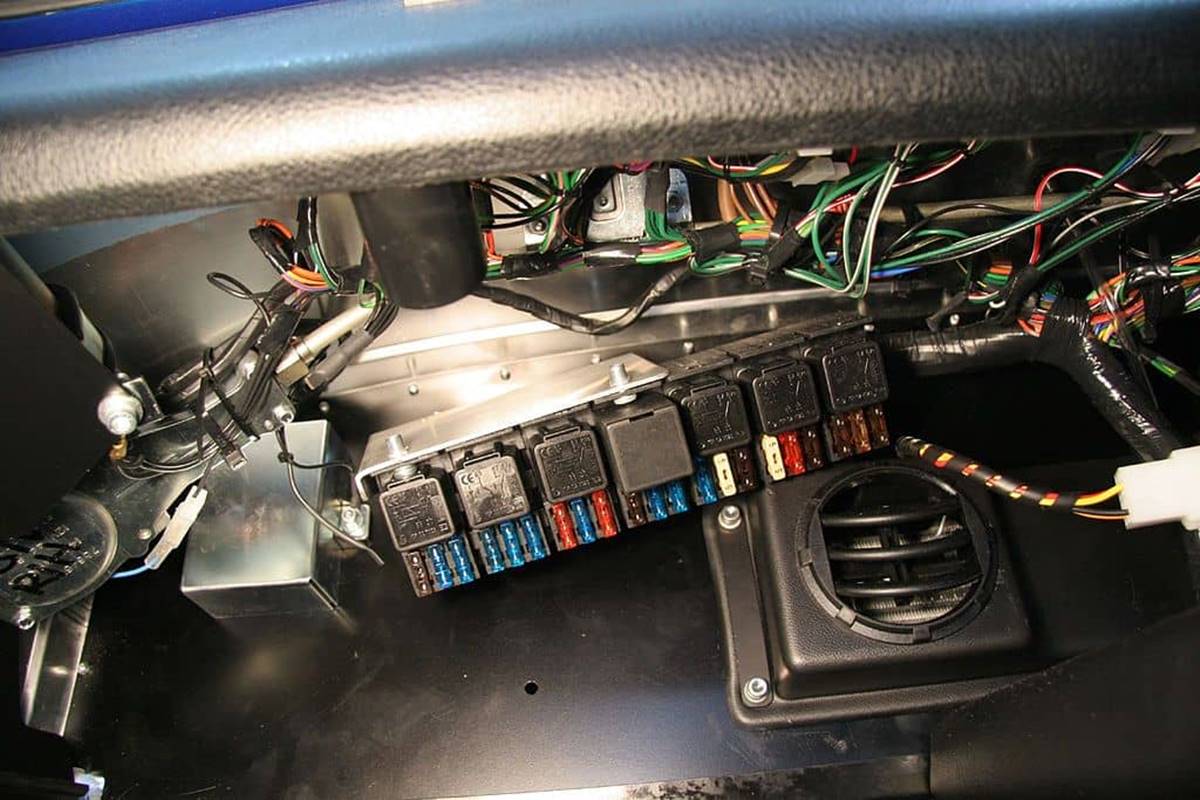
3. Easy and cost-effective to replace: In the event of a blown fuse or fusible link, they are relatively easy and inexpensive to replace. Most vehicles have a fuse box located in the engine compartment or interior cabin, making it convenient to access and replace the faulty fuse or fusible link. Regularly checking and replacing blown fuses or faulty fusible links can prevent further damage and avoid expensive repairs.
4. Electrical system troubleshooting: Fuses and fusible links also serve as indicators for electrical system issues. When a fuse blows or a fusible link melts, it is a sign that there is an underlying problem in the electrical circuit. By identifying which fuse or fusible link has blown, it can help pinpoint the source of the electrical issue, making troubleshooting and repairs more efficient and effective.
5. Safety for the driver and passengers: A vehicle’s electrical system powers critical components such as lights, airbags, and safety features. By ensuring that fuses and fusible links are in good condition, it helps maintain the safety features of the vehicle. For example, a blown fuse can cause a brake light or headlights to malfunction, compromising the driver’s ability to signal or see clearly on the road.
In essence, car fuses and fusible links are vital for the protection, functionality, and safety of a vehicle’s electrical system. Regular maintenance, including checking and replacing blown fuses and faulty fusible links, can prevent further damage and ensure the proper operation of the electrical components in the vehicle.
Different Types of Car Fuses
Car fuses come in various types, each designed for specific applications and current ratings. Here are some common types of car fuses:
- Glass Tube Fuses: These fuses are the most common type and are cylindrical in shape with metal caps on both ends. They have a glass tube that allows you to visually inspect the fuse element. Glass tube fuses are available in different ampere ratings and are commonly used for low to moderate current circuits.
- Blade Fuses: Also known as “ATC” (Automotive Type Circuit) or “ATM” (Automotive Type Mini) fuses, blade fuses are rectangular and flat in shape. These fuses have two or more metal prongs on one side, which plug into a fuse box or a fuse holder. Blade fuses are widely used in modern vehicles and come in various ampere ratings.
- Maxi Fuses: Maxi fuses are larger and have higher ampere ratings than blade fuses. They are typically used for higher current circuits such as the alternator or air conditioning system. Maxi fuses have metal terminals on both ends and are designed to handle heavy electrical loads.
- Micro2 and Micro3 Fuses: These fuses are smaller versions of blade fuses and are commonly used in newer vehicles. Micro2 fuses have two blade terminals, while Micro3 fuses have three blade terminals. They are designed to save space in the fuse box and are often used for low to moderate current circuits.
- Low-Profile Mini Fuses: Similar to blade fuses, low-profile mini fuses have a smaller and more compact design. They are commonly used in vehicles where space is limited. These fuses have a blade terminal on each end and are available in various ampere ratings.
- Cartridge Fuses: Cartridge fuses are ceramic fuses with metal end caps. They are typically used in older vehicles and have threaded ends that screw into a fuse holder. Cartridge fuses come in various sizes and ampere ratings.
- Smart Fuses: These fuses have built-in mini circuit breakers that automatically reset after a fault condition. They are designed to prevent the need for frequent fuse replacements and are commonly used in modern vehicles.
It is important to check your vehicle’s owner’s manual or consult a professional to determine the specific type and ampere rating of fuses required for your vehicle. Using the wrong type or rating of fuse can result in electrical system malfunctions or even damage.
Different Types of Fusible Links
Fusible links are heavy-duty wires or cables with a built-in fuse element. They are designed to protect high-current circuits in a vehicle’s electrical system. Here are some different types of fusible links commonly used in vehicles:
- Single-Wire Fusible Links: Single-wire fusible links consist of a single wire with a fusible element embedded in it. They are typically used in older vehicles and are identifiable by their thicker gauge wire. Single-wire fusible links are designed to handle high currents and protect circuits like the alternator, starter motor, and battery.
- Multiple-Wire Fusible Links: Multiple-wire fusible links have several parallel wires with fusible elements. They provide redundant protection and increased reliability compared to single-wire links. Multiple-wire fusible links are commonly used in newer vehicles and can be found in the main power distribution box.
- Primary Fusible Links: Primary fusible links are located near the battery or starter motor and protect the main power feed circuits. They have a higher current rating and are designed to handle the heavy loads associated with the vehicle’s primary electrical systems.
- Secondary Fusible Links: Secondary fusible links are used to protect specific circuits or components, such as the headlights, ignition system, or audio system. They have lower current ratings compared to primary fusible links and are often located closer to the circuits they protect.
- Color-Coded Fusible Links: Some manufacturers use color-coded fusible links to indicate their current ratings. For example, blue may represent a 30-ampere link, green for 40 ampere, and so on. These color-coded links make it easier to identify and replace the correct fusible link when needed.
- High-Temperature Fusible Links: High-temperature fusible links are designed to withstand extreme heat conditions, such as those near the engine or exhaust system. They are made with materials that have a higher melting point, ensuring their reliability and performance in high-temperature environments.
It is important to note that fusible links should only be replaced with the same type and current rating specified by the vehicle manufacturer. Using an incorrect fusible link can result in electrical problems or even damage to the vehicle’s electrical system. If you are unsure about which fusible link to use, it is recommended to consult the vehicle’s service manual or seek assistance from a qualified professional.
How Do Car Fuses Work?
Car fuses are crucial safety devices that protect the electrical circuits in a vehicle from overloading and short circuits. They work on a simple principle: when there is an excessive flow of current, the fuse will blow to prevent further damage to the circuit. Here’s how car fuses work:
1. Fuse Construction:
A typical car fuse consists of three main components:
- The Fuse Element: This is a thin metal strip or wire inside the fuse. It is the weakest point in the fuse and is designed to melt when the current exceeds a certain level.
- The Body: The body of the fuse is made of a non-conductive material, such as glass or plastic, to insulate and protect the fuse element.
- The End Caps: These metal caps provide connection points for the fuse and allow it to be inserted into a fuse holder or fuse box.
2. Current Flow:
When a circuit is operating normally, the current flows through the fuse element without any issues. The fuse element has a specific ampere rating, which indicates the maximum amount of current it can handle before it blows.
3. Overload or Short Circuit:
If the current in the circuit exceeds the rated capacity of the fuse, such as in the case of an overload or a short circuit, the fuse element heats up rapidly. This excessive heat causes the fuse element to melt or blow, thus breaking the electrical connection.
4. Circuit Protection:
When the fuse blows, it interrupts the flow of current in the circuit. This action protects the electrical components downstream from the fault condition. By breaking the connection, the fuse prevents excessive current from damaging components and potentially causing electrical fires.
5. Blown Fuse Indicator:
In some vehicles, blown fuses are indicated by a warning light on the dashboard. This helps drivers identify and address electrical issues promptly.
When a fuse blows, it must be replaced with a new one of the same ampere rating to restore the circuit’s functionality. It is crucial to identify and address the underlying cause of the blown fuse to prevent further issues.
Overall, car fuses provide an essential protective function in a vehicle’s electrical system, ensuring the safety of both the electrical components and the occupants. Regular inspection and maintenance of fuses can help prevent electrical problems and ensure the proper functioning of the vehicle’s electrical system.
Signs of a Blown Fuse
Blown fuses can cause certain electrical components or circuits in your vehicle to stop functioning. It’s important to be aware of the signs that may indicate a blown fuse. Here are some common signs to look out for:
1. Loss of Power: If a fuse related to a particular electrical circuit blows, you may experience a sudden loss of power to that component or system. For example, a blown fuse for the headlights can result in a complete loss of lighting, making it difficult to drive at night.
2. Non-Functioning Features: If the fuse for a specific feature, such as the power windows or radio, blows, those features may become unresponsive or fail to operate altogether.
3. Electrical Accessories Malfunctioning: Some electrical accessories, like the windshield wipers or air conditioning, may exhibit abnormal behavior when a fuse is blown. They may work intermittently, operate at a slower speed, or not work at all.
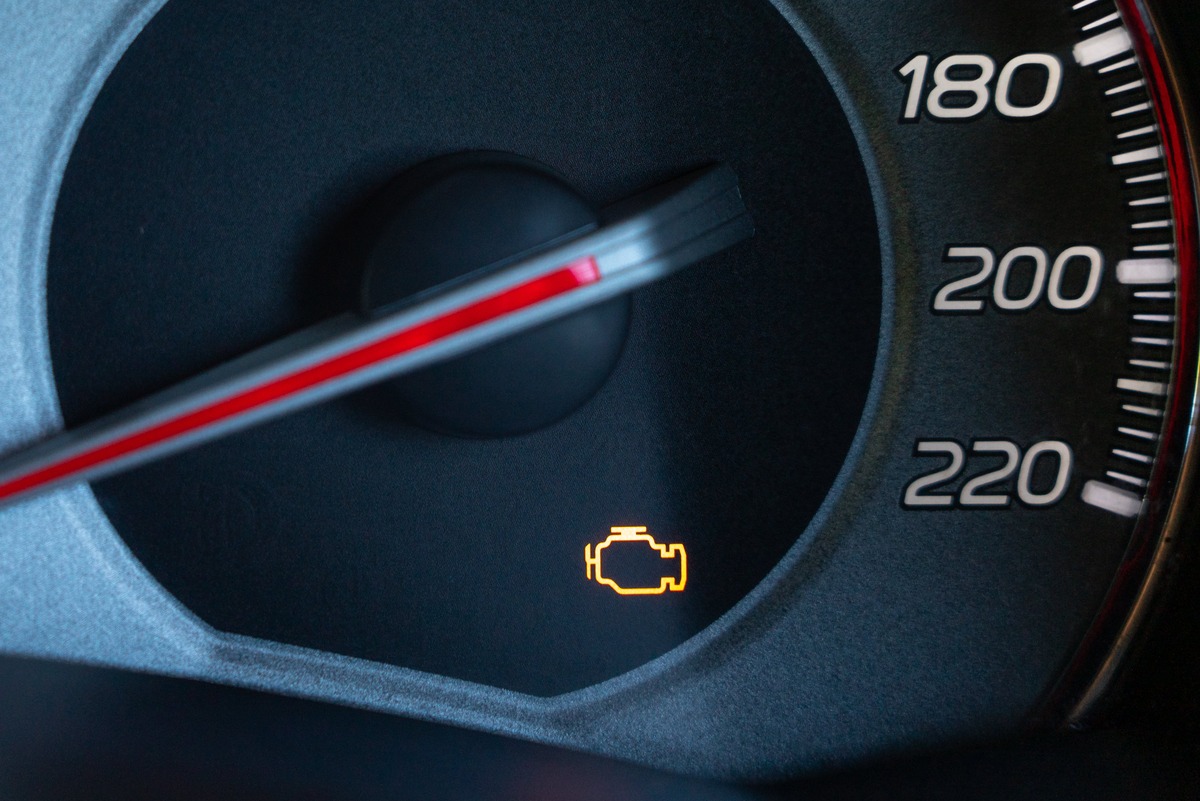
4. Dashboard Warning Lights: In some vehicles, a blown fuse can trigger a corresponding dashboard warning light to illuminate. These lights may vary depending on the make and model of the vehicle, but commonly include symbols for specific electrical systems like the battery, engine, or lights.
5. Noise or Burning Smell: In rare cases, a blown fuse may result in a popping noise or a burning smell. These signs are indicative of a serious electrical issue, and immediate attention is required. It’s important to turn off the affected circuit and consult a professional for assistance.
If you suspect that a fuse may have blown, the first step is to visually inspect the fuse box. Most vehicles have fuse boxes located under the dashboard, in the engine compartment, or in the trunk. Check for any fuses with a broken connection, melted appearance, or a discolored fuse element inside.
If you find a blown fuse, it is essential to replace it with a new fuse of the same ampere rating. Using a higher-rated fuse can cause damage or even start a fire, while a lower-rated fuse may blow again repeatedly, indicating an underlying issue.
If you are unsure about how to identify or replace a blown fuse, consult your vehicle’s owner’s manual or seek assistance from a qualified technician. They can help you diagnose the problem and ensure that your vehicle’s electrical system is in proper working order.
How to Replace a Car Fuse
Replacing a blown fuse in your car may seem daunting, but it is a straightforward process. Here is a step-by-step guide on how to replace a car fuse:
1. Locate the Fuse Box: The fuse box is typically located in the engine compartment or under the dashboard on the driver’s side. Consult your vehicle’s owner’s manual to find the exact location.
2. Identify the Blown Fuse: Inspect the fuses visually to identify the blown fuse. Look for a broken connection, melted appearance, or a discolored fuse element inside.
3. Turn Off the Ignition: Before replacing the fuse, ensure that the key is turned off, and all accessories are switched off. This will prevent any electrical damage or shock while working on the fuse box.
4. Remove the Blown Fuse: Use a fuse puller tool or a pair of needle-nose pliers to gently pull out the blown fuse from its socket. Be careful not to damage the fuse contacts or the surrounding components.
5. Replace with a New Fuse: Take a new fuse of the same ampere rating as the blown fuse and insert it into the empty fuse socket. Make sure it fits snugly but avoid forcing it in. If necessary, refer to your owner’s manual for the correct fuse rating.
6. Test the Circuit: Once the new fuse is in place, turn on the ignition and test the circuit or accessory that was previously not working. If the new fuse doesn’t blow and the circuit functions as expected, you have successfully replaced the fuse.
7. Secure the Fuse Box: Close the fuse box securely, ensuring that all connections are tight. This will protect the fuses from moisture, dust, and vibrations.
It’s important to note that if the replacement fuse blows immediately or soon after installation, there may be an underlying issue causing the fuse to blow repeatedly. In such cases, it is advisable to seek professional assistance to diagnose and rectify the problem.
Remember to keep a set of spare fuses of various ampere ratings in your vehicle at all times. This will ensure that you are prepared to replace a blown fuse whenever necessary. If you are unsure about the fuse replacement process or have specific concerns about your vehicle, consult your vehicle’s owner’s manual or seek help from a qualified technician.
When to Replace Fusible Links
Fusible links are designed to provide protection to high-current circuits in a vehicle’s electrical system. While they are durable and long-lasting, there may be instances when it becomes necessary to replace them. Here are some situations when you should consider replacing fusible links:
1. Melting or Damage: Inspect the fusible links visually for any signs of melting, damage, or discoloration. If you notice a fusible link that appears melted, has a burned appearance, or has lost its integrity, it is a clear indication that it needs to be replaced as soon as possible.
2. Blown Circuit: If a particular circuit protected by a fusible link consistently fails or does not operate, it may be due to a blown fusible link. In such cases, it is recommended to replace the fusible link to restore the functionality of the circuit.
3. Aging or High Mileage: Over time, fusible links may wear out or deteriorate, especially in vehicles with high mileage. Due to factors like heat, vibration, and exposure to the elements, the fusible links may become more susceptible to failure. If your vehicle has reached a significant mileage or is considered older, it is advisable to consider replacing the fusible links as part of regular maintenance.
4. Electrical System Upgrades: If you are modifying or upgrading your vehicle’s electrical system, it is important to evaluate the fusible links and ensure that they can handle the increased electrical load. Upgrading to higher capacity fusible links may be necessary to protect the new components and prevent electrical failures.
5. Diagnostic Troubleshooting: In some cases, when diagnosing electrical issues in your vehicle, a professional may determine that a fusible link needs to be replaced as part of the troubleshooting process. This can be due to suspected faults or inconsistencies found during testing and analysis.
Replacing fusible links should be done with caution and in accordance with the vehicle’s specifications. It is essential to use fusible links that have the same or higher current rating as the original ones provided by the manufacturer. Using lower-rated fusible links can lead to inadequate protection, while using higher-rated ones may pose a risk of electrical damage or fire hazards.
If you are uncertain about when or how to replace fusible links in your vehicle, consult your vehicle’s service manual or seek assistance from a qualified technician. They can guide you through the process and ensure that the replacement is carried out correctly and safely.
How to Replace Fusible Links
Replacing fusible links in your vehicle may be necessary if they have melted, become damaged, or are no longer providing the required protection to the electrical circuits. Here is a step-by-step guide on how to replace fusible links:
1. Prepare the Tools: Gather the necessary tools, including a socket wrench or pliers, wire strippers, and replacement fusible links with the same or higher current rating as the original ones.
2. Ensure Safety: Turn off the vehicle’s engine and disconnect the battery by removing the negative terminal cable. This will prevent any accidental electrical shock or short circuits during the replacement process.
3. Locate the Fusible Links: Consult your vehicle’s service manual or wiring diagram to locate the fusible link box. In some vehicles, the fusible link box is located near the battery or the engine compartment.
4. Identify the Blown Fusible Link: Inspect the fusible links visually for any signs of damage, melting, or discoloration. Identify the specific fusible link that needs to be replaced.
5. Disconnect the Old Fusible Link: Using a socket wrench or pliers, carefully loosen the bolts or fasteners securing the blown fusible link. Remove the old fusible link from its mounting location.
6. Prepare the Replacement Fusible Link: Ensure that the replacement fusible link has the same or higher current rating as the original. Cut the old fusible link’s wire close to the fusible link box, leaving enough room to connect the new fusible link.
7. Strip the Wire Ends: Use wire strippers to strip a small portion of insulation from the wire ends of both the old wire and the new fusible link. This will allow for proper connection and electrical conductivity.
8. Connect the New Fusible Link: Attach the stripped wire ends of the old wire and the replacement fusible link. Use a crimping tool or soldering iron to securely connect the wires. Ensure a tight connection to guarantee proper electrical conductivity.
9. Secure the Replacement Fusible Link: Install the replacement fusible link into its mounting location. Use a socket wrench or pliers to tighten the bolts or fasteners that secure the fusible link in place.
10. Reconnect the Battery: Reattach the negative terminal cable to the battery. Ensure a tight connection, and double-check that all connections are secure and properly insulated.
11. Test the Electrical Circuits: Start the vehicle’s engine and test the electrical circuits previously affected by the blown fusible link. Verify that the circuits are functioning properly without any issues.
If you are unsure about any step during the replacement process or have concerns about the electrical system, it is recommended to consult a professional technician. They can provide guidance and ensure that the replacement is carried out correctly and safely.
Common Issues with Car Fuses and Fusible Links
Car fuses and fusible links are essential components of a vehicle’s electrical system, but they can encounter issues over time. Here are some common problems that can arise with car fuses and fusible links:
1. Blown Fuses: Blown fuses are a common issue that occurs when a fuse in a circuit blows due to excessive current flow. This can be caused by a short circuit, an electrical overload, or a faulty component. Blown fuses can result in the loss of power to specific systems or accessories in the vehicle.
2. Fusible Link Failure: Fusible links can fail due to factors such as high temperatures, excessive current flow, or age. When a fusible link fails, it can disrupt the circuit it protects, leading to the loss of power or functionality of critical components like the alternator or starter motor.
3. Loose or Corroded Connections: Over time, the connections between the fuses, fusible links, and the electrical system components can become loose or corroded. Loose connections can result in intermittent electrical issues or poor conductivity, while corrosion can prevent proper electrical flow and lead to circuit failures.
4. Incorrect Fuse Replacement: Using the wrong type or rating of fuse during replacement can cause electrical issues. Using a higher-rated fuse than recommended can overload the circuit and potentially damage components, while using a lower-rated fuse may blow repeatedly and fail to provide adequate protection.
5. Electrical Short Circuits: Short circuits occur when two or more conductive materials come into contact, bypassing the normal electrical pathway. Short circuits can cause fuses to blow, resulting in the loss of power to the affected circuit. Identifying and addressing the underlying cause of a short circuit is crucial to prevent recurring issues.
6. Excessive Electrical Load: If the electrical system of a vehicle is modified or upgraded without considering the capacity of the fuses and fusible links, it can result in excessive current flow. This can overload the circuit and cause fuses or fusible links to blow, requiring the installation of higher-rated fuses or fusible links.
7. Age and Wear: Fuses and fusible links can deteriorate over time due to factors like heat, vibration, and age. When they age or become worn, their ability to protect the electrical system may be compromised. Regular inspections and proactive replacement can prevent issues arising from aging or worn fuses and fusible links.
It is important to address any issues with car fuses and fusible links promptly to avoid further electrical system damage or safety risks. If you encounter recurring fuse or fusible link failures or are unsure about the cause of an electrical issue, it is recommended to seek assistance from a qualified automotive technician. They can conduct a thorough diagnosis and ensure that the electrical system is functioning properly.
Tips for Maintaining Car Fuses and Fusible Links
Maintaining car fuses and fusible links is crucial to ensure the proper functioning and safety of the vehicle’s electrical system. Here are some tips for maintaining car fuses and fusible links:
1. Regular Inspection: Periodically inspect the fuses and fusible links in your vehicle to check for any signs of damage, melting, or discoloration. A visual examination can help identify potential issues before they escalate into more significant electrical problems.
2. Replace Blown Fuses: When a fuse blows, it must be replaced with a new fuse of the same ampere rating. Regularly check and replace blown fuses to ensure that all electrical circuits are protected and functioning as intended.
3. Choose Quality Replacements: Use high-quality replacement fuses and fusible links from reputable manufacturers. Low-quality or counterfeit products may not provide reliable protection and can potentially cause damage to the electrical system.
4. Follow Manufacturer’s Specifications: Always refer to your vehicle’s owner’s manual or consult a professional to determine the correct type and ampere rating of fuses and fusible links required for your vehicle. Using the wrong rating can lead to electrical issues or compromise the safety of the system.
5. Keep Spare Fuses: It’s a good practice to keep spare fuses of various types and ampere ratings in your vehicle’s glove compartment or emergency kit. This ensures that you have replacements readily available in case of a blown fuse.
6. Avoid Overloading Circuits: Be mindful of not overloading electrical circuits by connecting too many devices or using accessories that draw excessive power. Overloading circuits can cause fuses or fusible links to blow, potentially damaging the electrical system.
7. Protect from Moisture and Corrosion: Ensure that the fuse box and connections are properly sealed to protect against moisture and corrosion. Moisture and corrosion can lead to poor electrical connections and cause fuse or fusible link failures.
8. Be Cautious with Electrical Modifications: If you plan on modifying or upgrading your vehicle’s electrical system, consult a professional who can guide you on the appropriate steps to take. Modifying the electrical system without considering the capacity of fuses and fusible links can result in electrical issues or damage.
9. Seek Professional Help: If you are unsure about any aspect of maintaining car fuses and fusible links, or encounter recurring electrical issues, it’s best to seek assistance from a qualified automotive technician. They have the expertise to diagnose and address electrical problems effectively.
By following these tips and performing regular maintenance, you can ensure the longevity and reliability of your car’s fuses and fusible links. A well-maintained electrical system provides peace of mind and promotes the safe operation of the vehicle.
Frequently Asked Questions about Car Fuses and Fusible Links
Here are some frequently asked questions about car fuses and fusible links:
1. What are the signs of a blown fuse?
Signs of a blown fuse may include loss of power to specific components, non-functioning features, malfunctioning electrical accessories, dashboard warning lights, or even noise or a burning smell in rare cases.
2. How do I know which fuse has blown in my car?
You can visually inspect the fuses in your vehicle’s fuse box to identify a blown fuse. Look for a broken connection or a discolored fuse element inside the fuse. Additionally, your vehicle’s owner’s manual can provide information on the fuse locations and their functions.
3. Should I replace a blown fuse with a higher-rated fuse?
No, it is not recommended to replace a blown fuse with a higher-rated fuse. Fuses are designed to protect circuits from excess current flow. Using a higher-rated fuse can result in damage to the electrical system or even pose a fire hazard. Always replace blown fuses with a new fuse of the same ampere rating.
4. Can I replace a fusible link with a regular fuse?
No, fusible links and regular fuses are designed differently and have different operating characteristics. Fusible links are designed to handle higher currents and are more tolerant of short-duration faults. Using a regular fuse as a replacement for a fusible link can result in electrical issues or damage to the electrical system. Always replace fusible links with the appropriate type and rating specified by the vehicle manufacturer.
5. How often should I check my car’s fuses and fusible links?
It is a good practice to check your car’s fuses and fusible links periodically as part of regular vehicle maintenance. This can be done during routine inspections or when troubleshooting electrical issues. Additionally, inspect the fuses and fusible links before embarking on long journeys or when modifying the vehicle’s electrical system.
6. Can I reset a blown fuse?
No, fuses are one-time-use devices. Once a fuse blows, it needs to be replaced with a new fuse of the same rating. Attempting to reset a blown fuse can be unsafe and may cause further damage to the electrical components or the vehicle’s electrical system.
7. Do car fuses and fusible links have an expiration date?
Car fuses and fusible links do not have a specific expiration date. However, they may wear out or deteriorate over time due to factors such as heat, vibration, and age. Regular inspections and proactive replacement can help ensure the continued functionality and reliability of fuses and fusible links.
If you have further questions or concerns about car fuses and fusible links, it is recommended to consult your vehicle’s owner’s manual or seek assistance from a qualified automotive technician. They can provide specific guidance based on your vehicle’s make and model.