Most people think going viral is about luck or having millions of followers. It isn’t. The posts that spread fastest have very little to do with audience size and everything to do with how they make people feel in the first three seconds of scrolling. If you’ve ever posted something you were proud of and heard crickets, this is for you.
Key Takeaway: Shareable content is built on psychology, not popularity.
– Humor and relatability trigger the emotional response that makes people hit share before they even think about it.
– Visual formats like memes and quote images consistently outperform plain text across every major platform.
– The right tools let anyone create scroll-stopping content without design experience or a big budget.
The Real Reason People Hit Share
Sharing is a social act. When someone shares a post, they’re not just passing along information. They’re saying something about themselves. “This made me laugh.” “This is exactly how I feel.” “My friend needs to see this.”
That’s why the content that travels furthest usually hits one of three emotional notes: it’s funny, it’s relatable, or it’s useful. Not informative in a textbook way, but genuinely, immediately useful in a “I didn’t know I needed this” kind of way.
Research consistently shows that content triggering high-arousal emotions, whether that’s joy, surprise, or even mild frustration, gets shared more than content that leaves people feeling neutral. This isn’t a fluke of the algorithm. It’s basic human behavior.
Timing, Emotion, and Format: What Actually Drives Shares
Before you create anything, it helps to understand the three-part framework that separates content people share from content they scroll past.
Timing matters more than most creators realize. Posting during peak activity hours for your platform gives your content a better chance of landing in front of people when they’re actually paying attention. But timing isn’t just about the clock. It’s about cultural timing too: piggybacking on a trending conversation, a seasonal moment, or a widely shared feeling can give even a small account a disproportionate reach.
Emotion is the engine. People don’t share things they found “fine.” They share things that made them feel something specific. The best content creators know which emotional lever they’re pulling before they start writing.
Format is where most people leave performance on the table. Plain text is the hardest format to make shareable. Image-based posts, especially those using humor or a memorable phrase, outperform text on almost every platform. A quote maker is a practical entry point for understanding why certain visual formats travel so much further than a typed-out paragraph ever will.
No Design Skills? Start Here
The biggest barrier most people cite is not knowing how to design. They see polished graphics from big accounts and assume they need expensive software or a professional background to compete. They don’t.
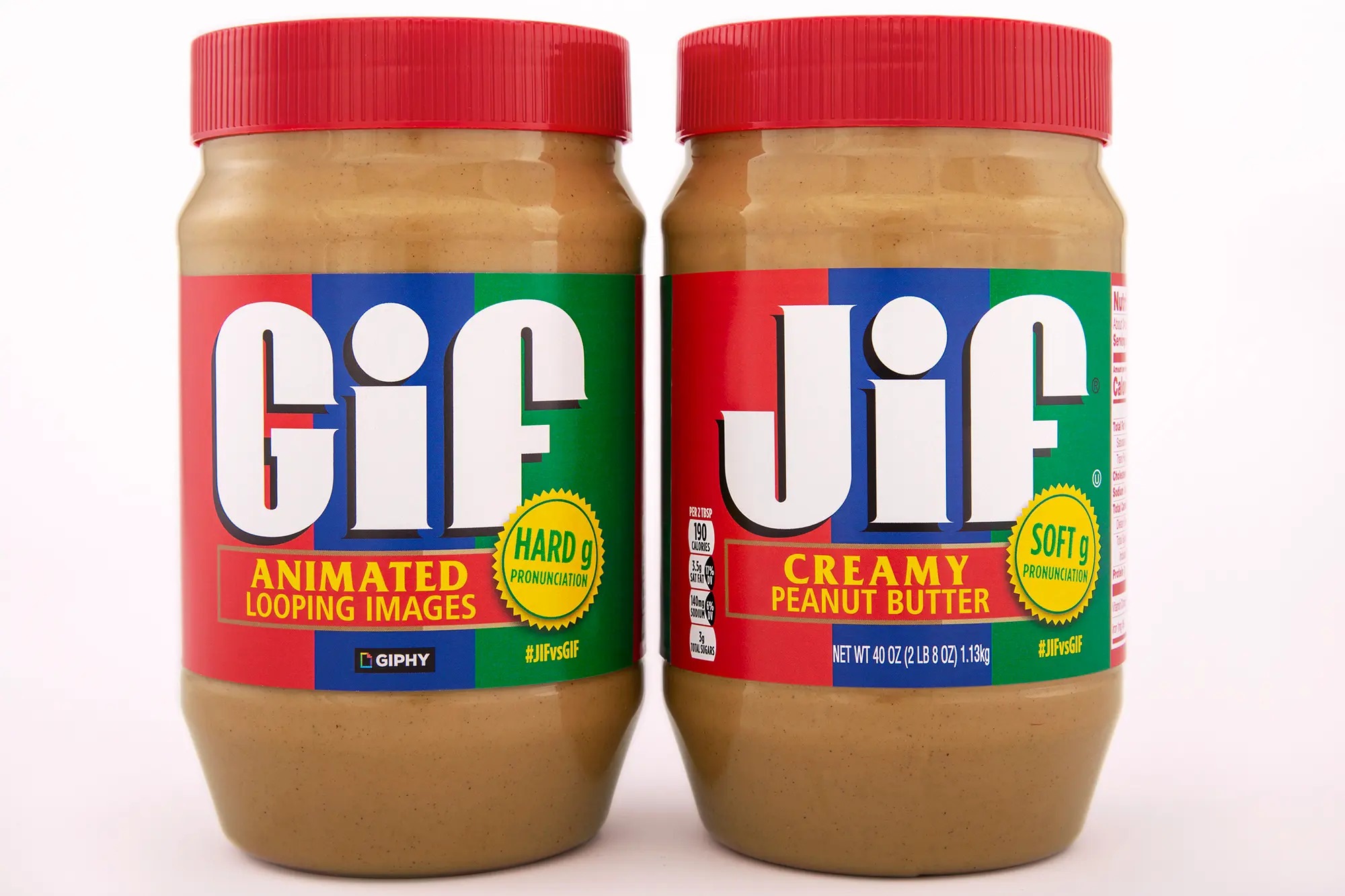
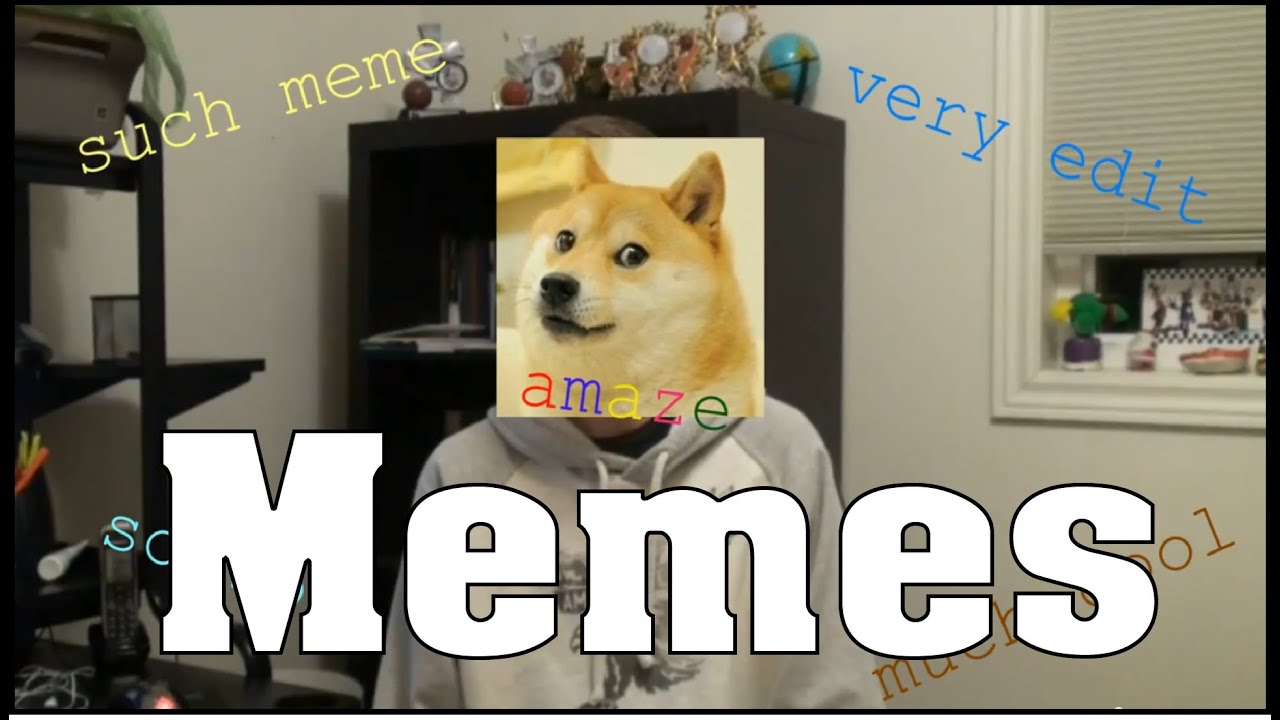
The rise of template-based creation tools has made it possible for anyone to produce high-quality visual content in minutes. Image-based posts, particularly memes, consistently outperform text-only content because they communicate instantly. A good meme lands in under two seconds. You don’t have to explain it.
A meme generator lets you build that kind of image-based post without touching design software. You pick a format that already resonates with an audience, add your own text, and publish. The format does the heavy lifting. Your job is just to find the right message.
This works because memes carry built-in cultural shorthand. The audience already knows how to read the format. All you’re doing is supplying fresh content inside a proven container.
How to Build a Content Structure You Can Repeat
One-off viral moments are nice. A repeatable system is better. The creators who build real audiences aren’t constantly reinventing the wheel. They develop a set of formats that work for their niche and rotate through them consistently.
Think of it like a content menu. You might have:
- A humor post format (meme, funny observation, relatable fail)
- A value post format (tip, how-to, myth-busting)
- A personal story format (behind-the-scenes, opinion, reflection)
- A visual post format (quote image, photo with caption, before-and-after)
Having these categories defined means you’re never starting from scratch. You’re just filling in a slot.
This idea of working from templates isn’t limiting. It’s freeing. The same principle applies to design: applying visual templates and format consistency creates a recognizable style that builds familiarity with your audience over time. Familiarity breeds trust. Trust breeds sharing.
When a Photo Does the Work For You
Not every shareable post needs words. Sometimes a single compelling image is enough to stop the scroll. Personal photos, before-and-after shots, and visually striking moments can outperform text-heavy posts when the image itself tells the story.
The challenge is that raw photos don’t always perform as well as polished ones. Lighting, color, and quality all factor in. If you’re working with older or lower-quality images, AI-assisted image tools can dramatically improve visual quality before you post, giving you a much more shareable result from material you already have.
The lesson here is that you don’t need expensive equipment or a professional photographer. You need content that looks intentional. A carefully processed image reads as more credible and more shareable than a blurry or washed-out alternative.
Content Creation as a Personal Brand Strategy
There’s a tendency to treat content creation as a marketing activity, something you do for a brand or a business. But for a growing number of people, it has become a deeply personal outlet.
Treating content creation as a creative hobby rather than a performance exercise changes how you approach it. You make things you actually find interesting. You share perspectives that are genuinely yours. And paradoxically, content made from that place tends to be more shareable than content engineered purely for reach.
Audiences are very good at detecting inauthenticity. When someone is creating just to grow numbers, you can feel it. When someone is creating because they have something to say, you can feel that too.
The Habits That Separate Consistent Creators From One-Hit Wonders
Here’s what the people who build real, engaged audiences have in common:
- They show up regularly, even when individual posts don’t perform
- They pay close attention to what resonates and do more of it
- They stay close to their audience’s actual concerns and sense of humor
- They experiment with format instead of just changing topics
- They don’t take a non-performing post personally
Consistency compounds. A post that gets 50 shares this week introduces you to 50 new potential followers. If even a fraction of them stick around, your next post starts from a larger base. This is how audiences grow in a way that’s actually sustainable.
Your First Shareable Post Starts With One Question
Before you create anything, ask yourself: “What would make someone stop, feel something, and immediately think of a specific person they’d want to send this to?”
That question reframes everything. You’re not thinking about an algorithm. You’re thinking about a human being holding a phone, ready to forward something to their friend.
If you’re ready to move from theory to practice, the collection of practical how-to guides on this site is a solid place to find techniques that work across formats and platforms.
Start small. Pick one format. Create something that you personally would share if you saw it in your feed. That gut-check is more reliable than any engagement metric when you’re just getting started.