Improved Communication and Connectivity
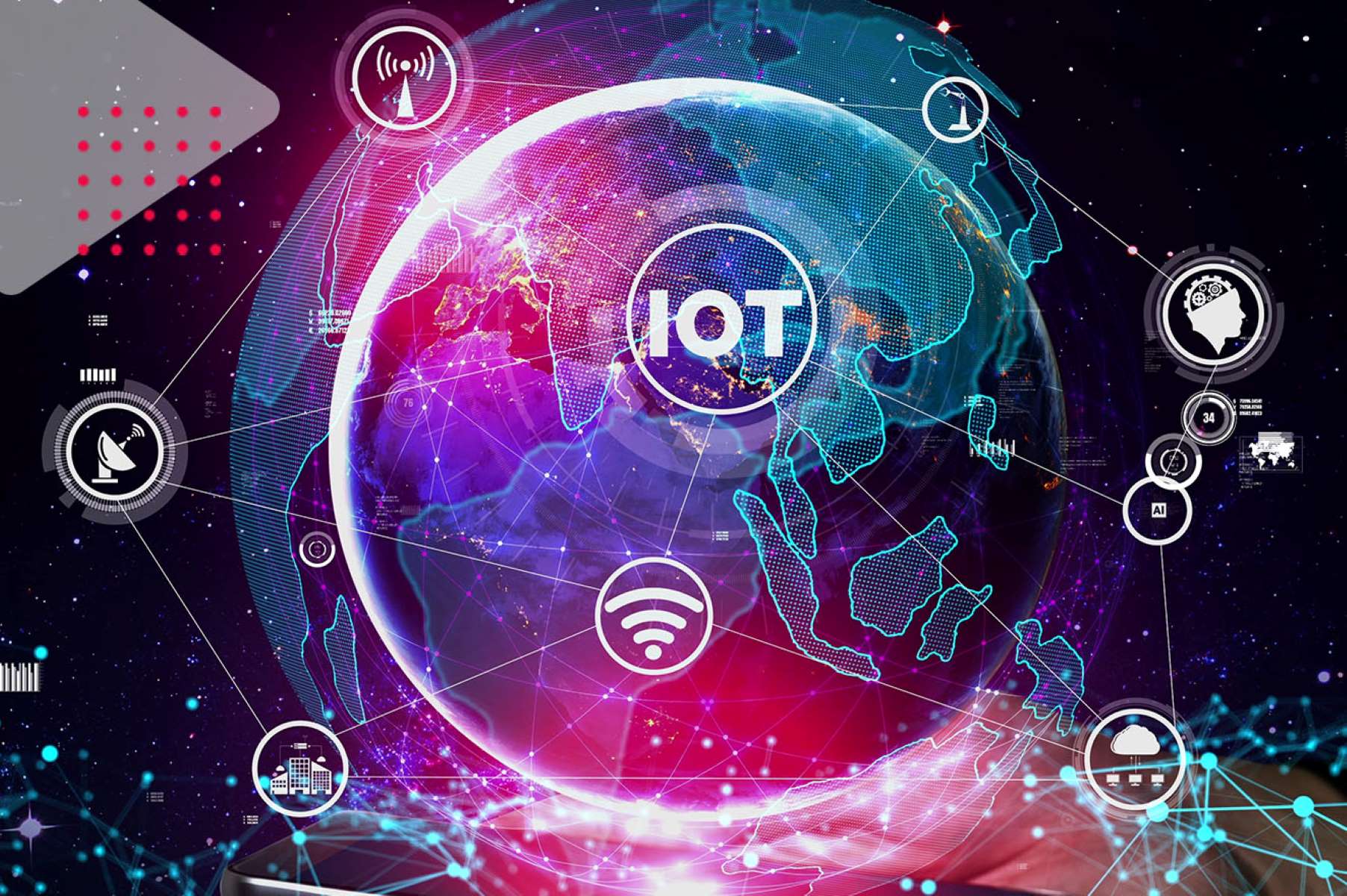
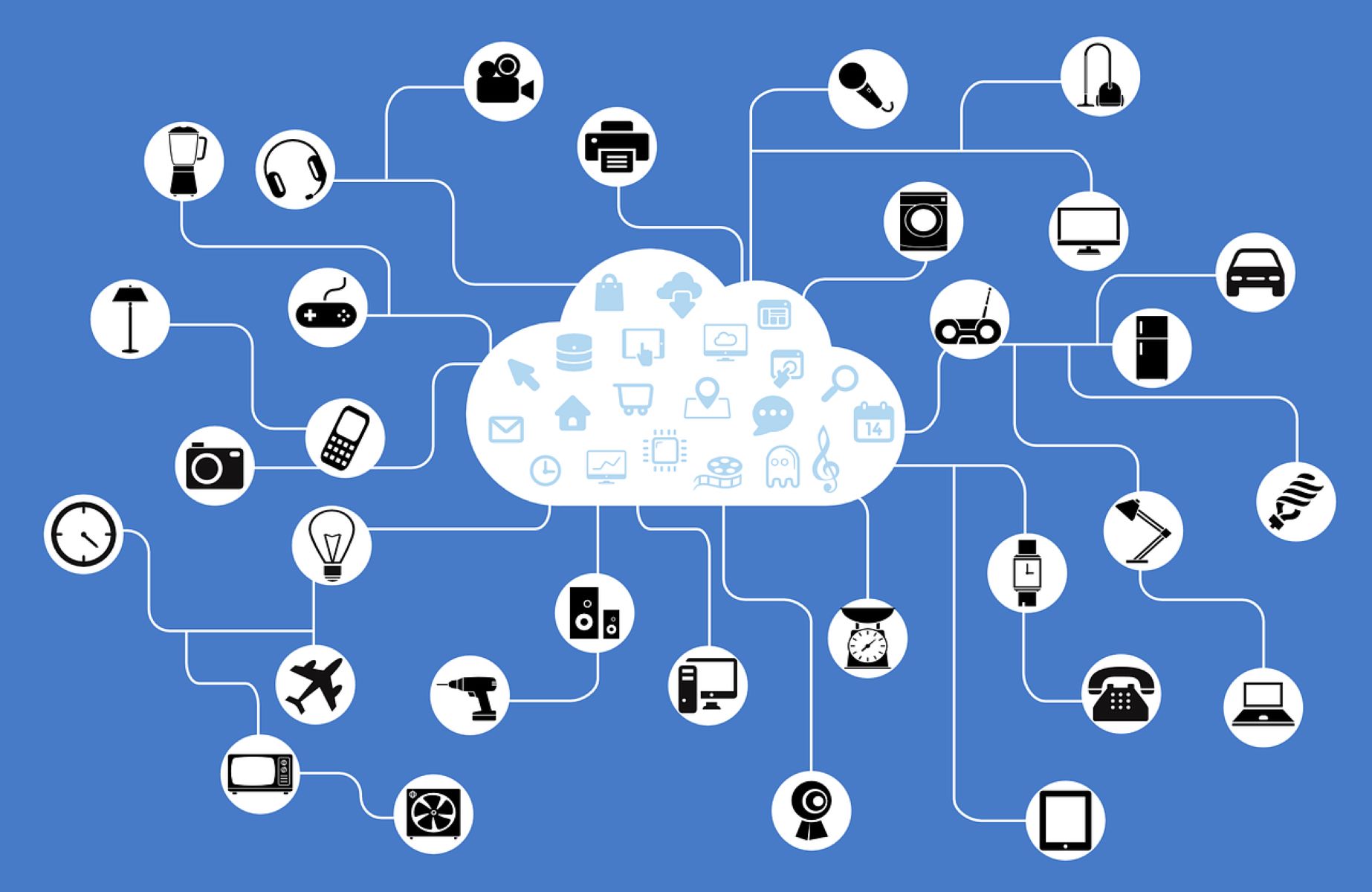
The Internet of Things (IoT) has revolutionized the way we communicate and stay connected in today’s digital era. By connecting devices and enabling them to share information seamlessly, the IoT has transformed the way we interact with the world around us. The benefits of improved communication and connectivity brought about by the IoT are numerous and far-reaching.
First and foremost, the IoT has enabled us to stay connected with people and businesses like never before. From messaging apps to video conferencing platforms, the IoT has made it possible to communicate with others from anywhere in the world, breaking down geographic boundaries and fostering global collaboration.
Beyond personal communication, the IoT has also facilitated improved communication within industries and organizations. With interconnected devices, data can be shared instantly and effortlessly, allowing for real-time collaboration and streamlined workflows. This enhanced communication has paved the way for increased efficiency and productivity across sectors.
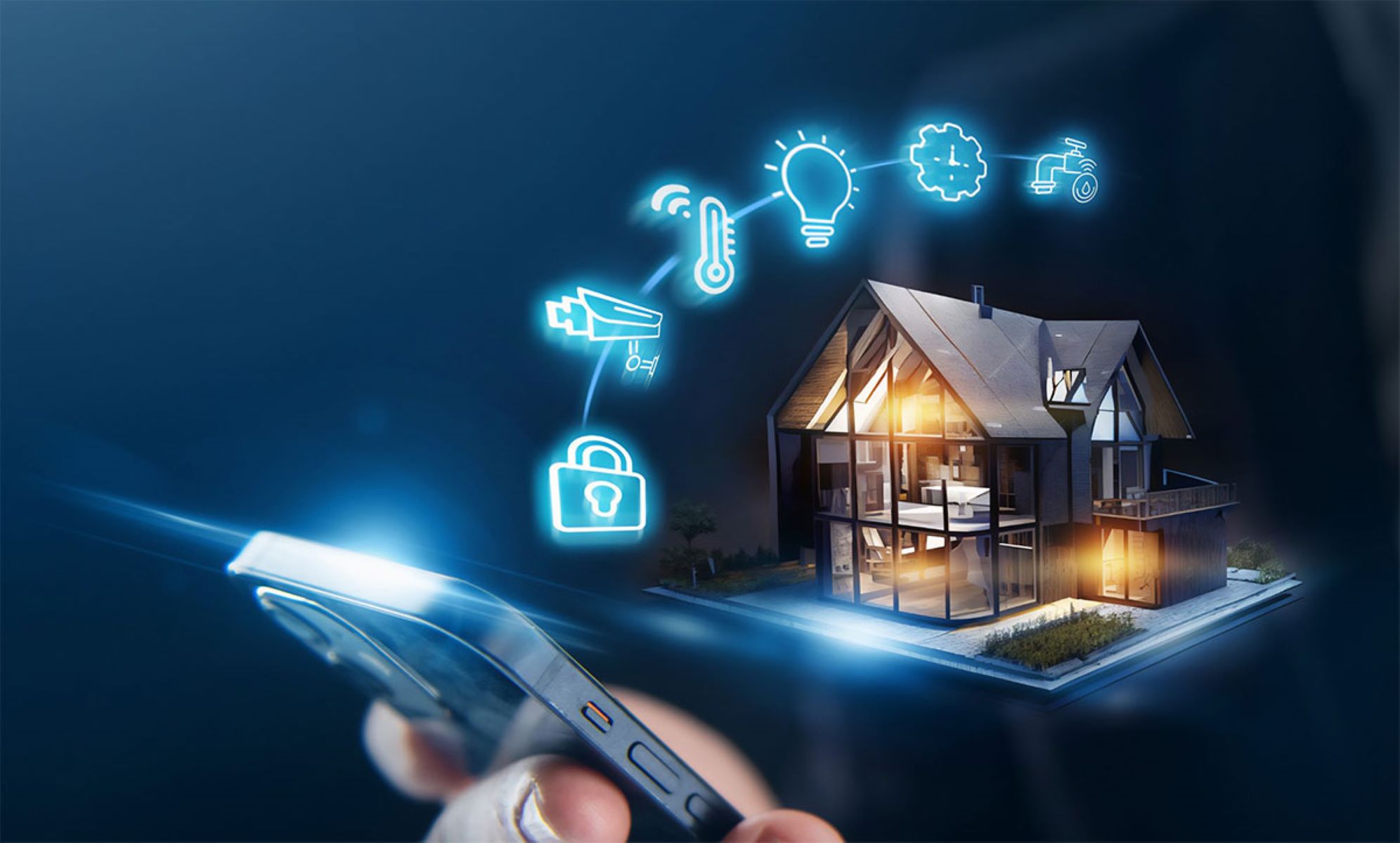
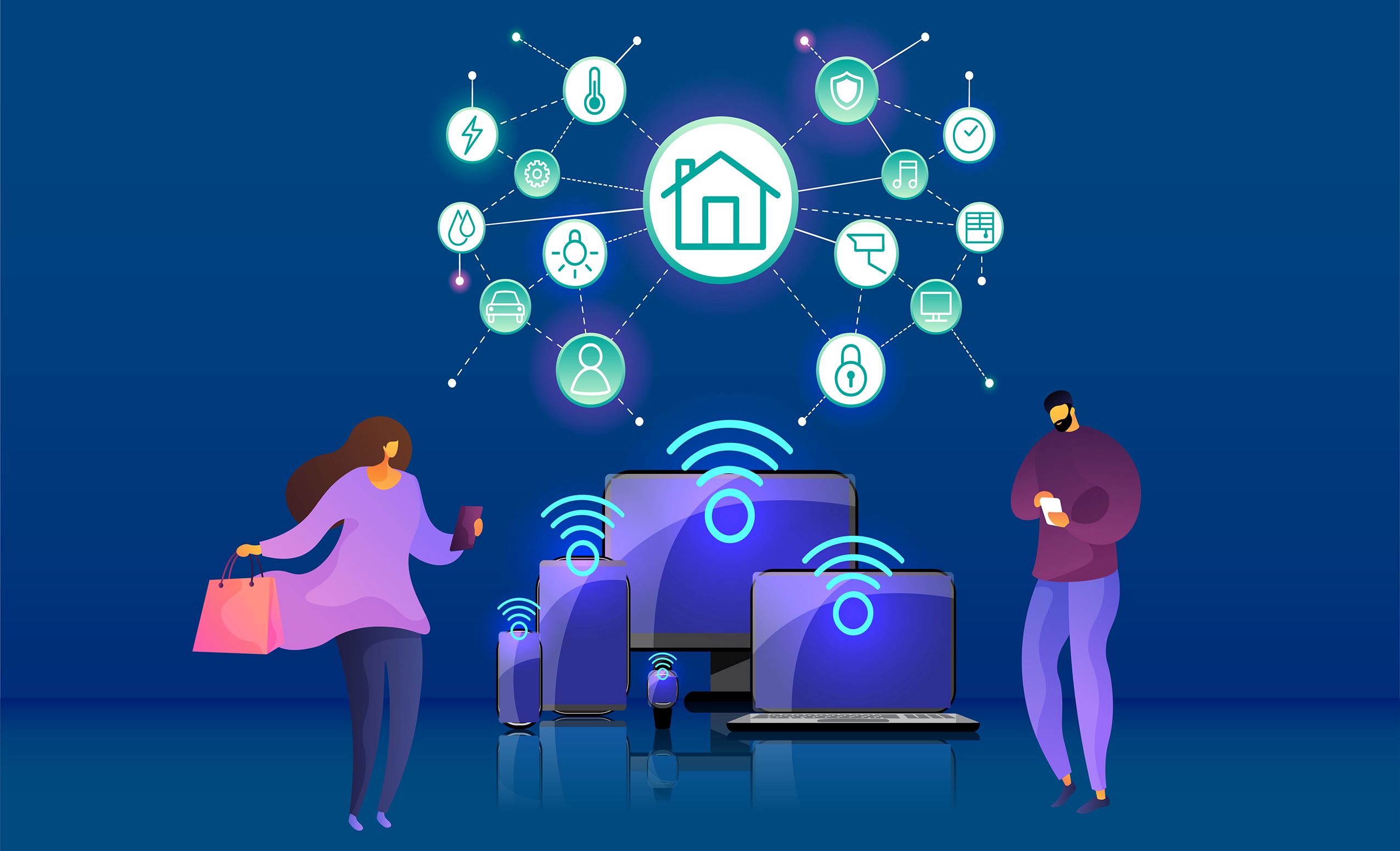
Moreover, the IoT has opened up new avenues for communication between devices themselves. From smart homes to connected cars, devices can now communicate with each other autonomously, providing a seamless user experience. For example, a smart home can adjust lighting and temperature settings based on the occupant’s preferences, creating a comfortable and personalized environment.
Furthermore, the IoT has improved communication in the healthcare sector. Medical devices can now transmit data in real-time, allowing healthcare professionals to remotely monitor patients’ vital signs and provide timely interventions. This has not only improved the quality of care but has also helped to save lives.
Improved communication and connectivity brought about by the IoT also have significant implications for businesses. For instance, it enables companies to collect and analyze customer data, allowing them to better understand their target market and tailor their offerings accordingly. This leads to more effective marketing strategies and enhances the overall customer experience.
The IoT also plays a crucial role in the transportation industry. With connected vehicles, traffic information can be shared in real-time, enabling drivers to choose the most efficient routes and avoid congestion. This not only saves time and reduces stress for individuals but also contributes to smoother traffic flow and reduced carbon emissions in cities.
Enhanced Data Collection and Analysis
The Internet of Things (IoT) has revolutionized the way data is collected and analyzed, opening up a world of possibilities for businesses and industries. Through interconnected devices and sensors, the IoT has enabled the collection of vast amounts of data from various sources, providing valuable insights that were previously inaccessible.
One of the key benefits of enhanced data collection and analysis is the ability to make informed decisions based on real-time information. With the IoT, businesses can gather data about consumer behavior, market trends, and operational processes, allowing for better decision-making and strategic planning. For example, retailers can track inventory levels in real-time, ensuring that products are always available to meet customer demands.
Furthermore, the IoT facilitates predictive analytics, enabling businesses to anticipate future trends and behaviors. By analyzing historical data, businesses can identify patterns and make accurate predictions about customer preferences, market demands, and resource utilization. This helps businesses stay one step ahead of their competitors and optimize their operations.
In addition, the IoT has revolutionized industries such as healthcare and agriculture by enabling the collection and analysis of data that was previously difficult to obtain. In healthcare, sensors can monitor patients’ vital signs and send real-time data to healthcare professionals, allowing for early detection of potential health issues and more personalized treatment plans. In agriculture, sensors can monitor soil conditions, weather patterns, and crop health, providing farmers with valuable insights to improve yields and minimize waste.
The enhanced data collection and analysis made possible by the IoT also contribute to increased efficiency and productivity. By monitoring and analyzing data from various devices and processes, businesses can identify bottlenecks, optimize workflows, and implement predictive maintenance strategies. This leads to reduced downtime, improved resource allocation, and overall cost savings.
Moreover, the IoT plays a crucial role in ensuring the safety and well-being of individuals. For example, wearable devices can track an individual’s health metrics and notify healthcare providers or loved ones in case of emergencies. Similarly, in industrial settings, sensors can detect potential hazards and alert workers, preventing accidents and ensuring a safer work environment.
Increased Efficiency and Productivity
The Internet of Things (IoT) has brought about significant improvements in efficiency and productivity across industries. By connecting devices, systems, and processes, the IoT enables automation, real-time monitoring, and optimization of resources, leading to enhanced efficiency and productivity gains.
One of the key ways the IoT improves efficiency and productivity is through automation. By leveraging interconnected devices, businesses can automate repetitive tasks and streamline workflows. For example, in manufacturing settings, IoT-enabled machines can automatically adjust production settings based on real-time demand, reducing human intervention and increasing throughput.
Real-time monitoring is another key driver of efficiency and productivity. With the IoT, data from connected devices and sensors can be collected and analyzed in real-time, providing valuable insights into operational performance. This allows businesses to identify bottlenecks, make timely adjustments, and optimize processes to improve efficiency. For instance, in logistics, IoT-enabled sensors can track the location and condition of goods, allowing businesses to optimize routes and ensure timely deliveries.
Moreover, the IoT enables predictive maintenance, which helps businesses prevent equipment failures and avoid costly downtime. By continuously monitoring the performance and health of machinery, businesses can analyze data and predict when maintenance is needed. This proactive approach allows for scheduling maintenance activities during planned downtime, minimizing disruptions and maximizing productivity.
The IoT also facilitates improved resource optimization. By collecting and analyzing data on resource usage, such as energy consumption or water usage, businesses can identify inefficiencies and implement strategies to optimize resource utilization. This not only reduces costs but also contributes to sustainability efforts by minimizing waste. For example, smart buildings equipped with IoT sensors can adjust lighting and temperature settings based on occupancy, resulting in energy savings.
Furthermore, the IoT enhances collaboration and communication among teams, leading to increased productivity. With interconnected devices and real-time data sharing, teams can collaborate seamlessly, regardless of their geographic locations. This fosters greater efficiency in project management, decision-making, and overall teamwork.
Overall, the IoT has transformed the way businesses operate, enabling automation, real-time monitoring, and resource optimization. These improvements in efficiency and productivity benefit businesses by reducing costs, increasing output, and improving competitiveness in the market.
Cost Savings and Resource Optimization
The Internet of Things (IoT) offers significant opportunities for businesses to achieve cost savings and optimize their use of resources. By leveraging interconnected devices and real-time data, organizations can identify inefficiencies, streamline processes, and make more informed decisions, resulting in substantial cost reductions and resource optimization.
One of the key ways the IoT enables cost savings is through improved asset management. With the ability to monitor and track assets in real-time, businesses can reduce the risk of loss, theft, or misplacement. This eliminates the need for costly replacements and improves overall asset utilization. Additionally, IoT-enabled asset tracking systems can help optimize inventory management, ensuring that businesses have the right products available at the right time, minimizing inventory holding costs and reducing the risk of stock-outs.
Furthermore, the IoT enables predictive maintenance, which can significantly reduce maintenance costs. By using real-time data from connected devices and sensors, businesses can identify potential issues before they lead to failure or breakdown. This proactive approach allows for planned maintenance activities, eliminating the need for costly emergency repairs and reducing downtime. Additionally, predictive maintenance can extend the lifespan of equipment, maximizing the return on investment and reducing the need for frequent replacements.
Energy efficiency is another area where the IoT can drive substantial cost savings for businesses. Connected devices and sensors can monitor energy consumption in real-time, providing insights into patterns and trends. This information allows businesses to identify areas of high energy usage and implement measures to reduce consumption. For example, smart lighting systems can automatically adjust brightness based on occupancy, resulting in significant energy savings over time. Similarly, smart HVAC systems can optimize temperature settings based on usage patterns, reducing energy waste and lowering utility bills.
The IoT also contributes to resource optimization in water management. Connected sensors can monitor water usage, detect leaks, and provide real-time data on consumption. This enables businesses to identify areas of excessive water usage and implement measures to conserve water. For instance, smart irrigation systems can adjust watering schedules based on weather conditions, preventing overwatering and reducing water waste.
In addition to asset management and energy and water optimization, the IoT can drive cost savings through improved supply chain and logistics management. By using real-time data on inventory levels, demand patterns, and shipping statuses, businesses can optimize their supply chain processes. This can lead to lower transportation costs, reduced inventory holding costs, and improved delivery times.
Overall, the IoT offers businesses significant opportunities to achieve cost savings and optimize resource utilization. By leveraging real-time data and interconnected devices, organizations can improve asset management, implement predictive maintenance strategies, enhance energy and water efficiency, and optimize supply chain processes. These efforts not only result in tangible cost savings but also contribute to sustainability and improved operational performance.
Automation and Convenience
The Internet of Things (IoT) has transformed the way we live and work by enabling automation and providing unparalleled convenience. With interconnected devices and smart technology, the IoT has streamlined mundane tasks, improved efficiency, and enhanced our overall quality of life.
One of the key benefits of the IoT is the automation of everyday tasks. Connected devices can communicate and work together seamlessly, allowing for the automatic execution of various activities. For example, smart homes can adjust lighting, temperature, and security systems based on predefined settings or sensor inputs. This eliminates the need for manual adjustments and simplifies daily routines for homeowners.
In addition to smart homes, the IoT has revolutionized other sectors. In healthcare, wearable devices can track vital signs, remind patients to take medication, and alert healthcare providers in case of emergencies. This automation of healthcare management simplifies the patient experience and improves overall health outcomes.
Another area where automation and convenience are prevalent is transportation. Connected vehicles equipped with IoT technology can offer features like GPS navigation, automated parking, and adaptive cruise control. This not only enhances the driving experience but also improves road safety and reduces accidents caused by human error.
Furthermore, the IoT has enabled the rise of smart cities. Through interconnected sensors and devices, cities can monitor and manage various aspects, such as traffic flow, waste management, and energy consumption. This automation enhances the efficiency of urban systems and improves the quality of life for residents.
Moreover, the IoT has brought convenience to our daily lives through smart devices and applications. Connected appliances, such as intelligent thermostats and voice-controlled assistants, allow for remote control and management. This convenience extends to shopping as well, with the rise of IoT-enabled e-commerce platforms that offer personalized recommendations and easy ordering processes.
Additionally, the IoT has made our homes more convenient and secure. From smart locks to video doorbells, homeowners can remotely monitor and control access to their homes, providing peace of mind and convenience. Connected appliances, such as refrigerators and washing machines, can also send alerts and reminders, making household chores more efficient and manageable.
Overall, the IoT has revolutionized automation and convenience in various aspects of our lives. From smart homes to connected vehicles and smart cities, the IoT simplifies tasks, enhances efficiency, and improves the overall quality of life. As technology continues to advance, we can expect even more innovative and convenient applications of the IoT in the future.
Improved Decision-Making
The Internet of Things (IoT) plays a crucial role in improving decision-making processes across industries. By providing real-time data and insights, the IoT empowers businesses to make informed decisions quickly and accurately, leading to better outcomes and a competitive advantage.
One of the key ways the IoT enhances decision-making is through data-driven insights. Connected devices, sensors, and systems generate a vast amount of data that can be collected, analyzed, and converted into actionable information. This real-time data enables businesses to gain a deeper understanding of their operations and make data-driven decisions. For example, retailers can use IoT data to analyze customer purchasing patterns, optimize product placement, and tailor marketing strategies accordingly.
Furthermore, the IoT facilitates predictive analytics, which helps businesses anticipate future trends and behavior. By analyzing historical data, businesses can identify patterns and make accurate predictions. This enables proactive decision-making, such as adjusting production levels based on anticipated demand or optimizing inventory levels to prevent stockouts.
Real-time monitoring and tracking provided by the IoT are also instrumental in improving decision-making. Businesses can continuously monitor key metrics, such as production output, supply chain performance, or equipment health, using connected devices and sensors. This enables proactive decision-making by detecting anomalies or bottlenecks in real-time. For instance, a manufacturing plant can adjust production schedules or allocate resources more effectively based on real-time performance data.
The IoT also improves decision-making by providing greater visibility into operations and processes. Businesses can acquire insights into various aspects of their operations, including energy consumption, asset utilization, and customer behavior. This visibility allows for better resource allocation, process optimization, and informed strategic planning.
Moreover, the IoT enables remote monitoring and control, which contributes to more efficient and timely decision-making. With connected devices and systems, businesses can remotely access and monitor operations, even from a distance. This allows for quick responses to emerging issues, minimizes downtime, and enables businesses to make critical decisions promptly.
Improved decision-making also extends to the realm of customer experience. The IoT enables businesses to collect data on customer interactions, preferences, and behaviors. By analyzing this data, businesses can gain insights into customer needs and expectations, facilitating improved customer service and personalized experiences.
Overall, the IoT revolutionizes decision-making by providing real-time data, predictive analytics, greater visibility, and remote monitoring capabilities. Businesses can leverage these insights to make informed decisions, optimize processes, enhance customer experiences, and gain a competitive edge in today’s data-driven world.
Enhanced Customer Experience
The Internet of Things (IoT) has revolutionized the way businesses interact with and cater to their customers, resulting in an enhanced customer experience. By leveraging connected devices and smart technology, businesses can provide personalized, seamless, and convenient experiences that meet and exceed customer expectations.
One of the key ways the IoT enhances the customer experience is through personalized offerings. With interconnected devices and sensors, businesses can collect and analyze data on customer preferences, behaviors, and usage patterns. This data allows for personalized recommendations, customized promotions, and tailored product offerings. For example, e-commerce platforms can suggest products based on a customer’s browsing history or previous purchases, providing a personalized shopping experience.
In addition, the IoT enables businesses to offer seamless and convenient experiences to customers. Connected devices, such as smartphones, wearables, and smart home devices, can communicate with each other, allowing for a unified and integrated experience. For instance, a smart home system can integrate with a smartphone app, enabling homeowners to control their home’s lighting, temperature, and security systems from anywhere. This convenience enhances the overall customer experience by providing ease of use and reducing friction in everyday activities.
The IoT also contributes to real-time customer engagement. By collecting data from connected devices and sensors, businesses can gain insights into real-time customer behavior and preferences. This information allows for immediate responses and personalized interactions. For example, fitness trackers can provide real-time feedback and encouragement to users during their workout sessions, enhancing the overall experience and motivation.
Moreover, the IoT enables businesses to proactively address customer needs and resolve issues. Through connected devices and sensors, businesses can identify problems or anomalies in real-time and take proactive measures before customers experience inconvenience. For instance, connected vehicles can alert drivers about upcoming maintenance needs or potential issues, allowing them to address them promptly and prevent breakdowns.
Customer service is also improved through the IoT. Connected devices enable businesses to offer remote troubleshooting and support, reducing the need for in-person visits or lengthy phone calls. For example, a customer with a smart appliance issue can connect with a customer service representative who can remotely diagnose and resolve the problem, minimizing downtime and inconvenience for the customer.
Furthermore, the IoT contributes to improved accessibility for customers. Voice-activated assistants and smart home systems enable customers to control devices and access information using natural language, making technology more accessible to a wider range of individuals. This inclusivity enhances the overall customer experience and ensures that everyone can benefit from IoT-enabled solutions.
Overall, the IoT enables businesses to deliver an enhanced customer experience through personalized offerings, seamless interactions, real-time engagement, proactive problem-solving, improved customer service, and increased accessibility. By leveraging the power of connected devices and smart technology, businesses can create memorable and engaging experiences that foster customer loyalty and satisfaction.
Improved Safety and Security
The Internet of Things (IoT) has significantly improved safety and security across various domains. By connecting devices, systems, and sensors, the IoT enables real-time monitoring, proactive measures, and enhanced protection against threats and risks.
One of the key ways the IoT enhances safety and security is through real-time monitoring. Connected sensors and devices can continuously monitor various aspects, such as environmental conditions, equipment performance, and personal safety. This real-time data allows for rapid detection of anomalies or potential hazards, enabling early intervention and preventive actions. For example, in industrial settings, IoT sensors can monitor temperature, pressure, and other variables, alerting operators or shutting down processes in case of abnormal readings to prevent accidents.
The IoT also enhances safety and security by enabling predictive maintenance. By continuously monitoring the performance and health of equipment, businesses can analyze data and predict when maintenance is needed. This proactive approach helps prevent failures and breakdowns, reducing the risk of accidents and ensuring that systems and equipment operate optimally. For instance, IoT-enabled predictive maintenance systems in the aviation industry can detect and address potential issues in aircraft engines before they can cause malfunctions or unsafe conditions.
Connected devices play a crucial role in personal safety and security. Wearables, such as smartwatches or panic buttons, can provide instant alerts and notifications in case of emergencies. This keeps individuals connected and enables quick responses from emergency services or personal contacts. Additionally, IoT-enabled home security systems allow homeowners to monitor their properties remotely, receive alerts about suspicious activities, and control access to their homes, enhancing overall safety and peace of mind.
Furthermore, the IoT contributes to improved safety and security in transportation. Connected vehicles can provide real-time data on road conditions, traffic congestion, and weather conditions, enabling drivers to make informed decisions and avoid potential risks. Additionally, in the logistics industry, IoT-enabled tracking systems ensure the secure transport of goods by continuously monitoring their location and condition, reducing the risk of theft or damage.
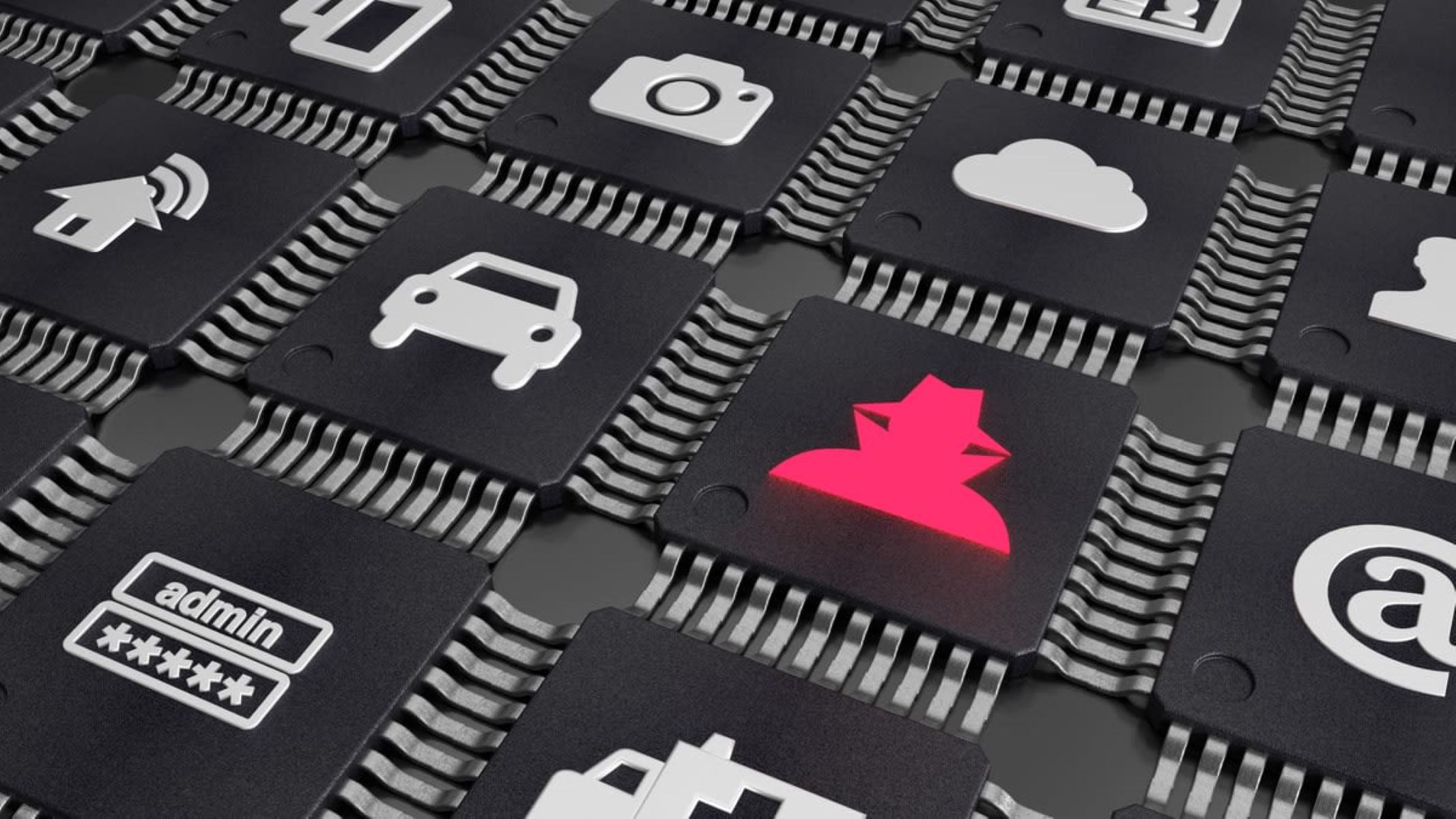
The IoT also plays a significant role in cybersecurity. With the increasing connectivity of devices and systems, the risk of cyber threats also rises. However, IoT technologies have evolved to include robust security measures to protect sensitive data and prevent unauthorized access. This includes encryption, authentication protocols, and advanced threat detection systems that help safeguard against cyberattacks.
In addition to physical safety and cybersecurity, the IoT enhances public safety and emergency response capabilities. Interconnected sensors and systems in smart cities enable real-time monitoring of critical infrastructure, such as bridges, transportation networks, and public utilities. This allows for early detection of potential issues or vulnerabilities, ensuring prompt measures are taken to prevent accidents or disruptions. Moreover, IoT-enabled emergency response systems can facilitate quick and coordinated responses to incidents, improving overall public safety.
Overall, the IoT has revolutionized safety and security by enabling real-time monitoring, proactive measures, and enhanced protection against threats. From personal safety and home security to industrial operations and public safety, the IoT plays a vital role in creating safer and more secure environments for individuals, businesses, and communities.
Environmental Benefits
The Internet of Things (IoT) has significant environmental benefits, playing a crucial role in sustainability efforts and the conservation of natural resources. By utilizing interconnected devices, sensors, and smart technology, the IoT enables energy efficiency, waste reduction, and environmental monitoring, contributing to a greener and more sustainable future.
One of the key ways the IoT promotes environmental sustainability is through energy efficiency. Connected devices can monitor and control energy consumption in real-time, ensuring efficient use of resources. For example, smart thermostats can adjust temperature settings based on occupancy, optimizing energy usage while maintaining comfort. Similarly, smart lighting systems can automatically adjust brightness levels based on natural light, reducing unnecessary energy waste. By maximizing energy efficiency, the IoT helps reduce carbon emissions and lowers the demand for fossil fuels.
Furthermore, the IoT enables smart grid systems, which optimize energy distribution and management. With interconnected devices and real-time data, utilities can monitor energy demand patterns, adjust supply accordingly, and detect and resolve issues efficiently. This reduces energy waste, improves grid reliability, and facilitates the integration of renewable energy sources into the power grid.
The IoT also contributes to waste reduction and recycling efforts. Connected sensors can monitor waste levels in bins, allowing for optimized collection routes and schedules. This reduces unnecessary trips and ensures that waste management resources are utilized efficiently. Additionally, smart recycling systems can sort and separate recyclable materials automatically, promoting recycling practices and reducing contamination in recycling streams.
Moreover, the IoT enables environmental monitoring and conservation efforts. Connected sensors can monitor air quality, water quality, and soil conditions, providing real-time data on the state of the environment. This data allows for early detection of pollution, habitat degradation, or other environmental issues, enabling prompt actions for mitigation and preservation.
In agriculture, the IoT plays a crucial role in resource optimization and sustainable farming practices. Sensors can monitor soil moisture levels, weather conditions, and crop health, allowing farmers to optimize irrigation, reduce chemical usage, and improve overall resource management. This promotes sustainable agriculture practices, minimizes water and chemical waste, and protects ecosystems.
Furthermore, the IoT contributes to sustainable transportation and urban planning. Connected vehicles can provide data on traffic patterns, congestion, and emissions, enabling smarter transportation management. This encourages the use of alternative modes of transportation, such as public transit or cycling, reduces traffic congestion, and lowers carbon emissions. Smart city initiatives, powered by the IoT, focus on sustainable urban planning by integrating transportation, energy, and infrastructure systems, leading to more efficient resource utilization and reduced environmental impacts.
Overall, the IoT has a significant positive impact on the environment, promoting energy efficiency, waste reduction, environmental monitoring, and sustainable practices. By leveraging interconnected devices and real-time data, the IoT contributes to a greener and more sustainable future, supporting conservation efforts and mitigating the impacts of climate change.
Opportunities for Innovation and New Revenue Streams
The Internet of Things (IoT) presents exciting opportunities for businesses to innovate and explore new revenue streams. By leveraging connected devices, data analytics, and smart technologies, the IoT opens up possibilities for creating innovative products, services, and business models that generate revenue and drive growth.
One of the key areas where the IoT fosters innovation is in product development. By integrating connectivity and sensors into traditional products, businesses can create smart and interconnected devices. For example, IoT-enabled home appliances offer advanced features such as remote control, automation, and data tracking, providing a differentiated user experience. This innovation not only enhances customer satisfaction but also opens up new revenue streams for businesses through premium pricing and recurring service subscriptions.
The IoT also enables businesses to offer value-added services that complement their products. For instance, manufacturers can leverage IoT data to offer predictive maintenance services to their customers. By monitoring device performance in real-time, businesses can anticipate maintenance needs, reduce equipment downtime, and offer proactive maintenance support. These services create additional revenue streams beyond the initial product sale and enhance customer loyalty.
Moreover, the IoT creates opportunities for businesses to develop and monetize data analytics capabilities. With the vast amounts of data generated by connected devices and sensors, businesses can leverage analytics tools to extract valuable insights. These insights can be used internally to optimize processes, improve decision-making, and enhance operational efficiency. Additionally, businesses can offer data analytics services to third parties, providing valuable insights that drive business outcomes in various industries.
Additionally, the IoT enables businesses to explore new business models and partnerships. For example, the sharing economy has been made possible through IoT-powered platforms that connect individuals who are willing to share their underutilized assets. This allows for the creation of new revenue streams by leveraging existing resources. Furthermore, the IoT facilitates collaborations between different organizations, enabling the development of innovative solutions through joint ventures or strategic partnerships.
The IoT also opens up opportunities for businesses to enter new markets and industries. The convergence of IoT with emerging technologies such as artificial intelligence, blockchain, and augmented reality provides avenues for cross-industry innovation. For example, healthcare companies can leverage IoT data and AI algorithms to develop remote patient monitoring systems or personalized health applications. These new products and services can tap into untapped markets and create new revenue streams.
Furthermore, the IoT enhances the customer experience, paving the way for new revenue streams through enhanced customer loyalty and repeat business. By leveraging data collected from connected devices, businesses can create personalized offerings and targeted marketing campaigns that resonate with their customers. This results in increased customer satisfaction, product adoption, and ultimately, higher revenue generation.
Overall, the IoT offers businesses abundant opportunities for innovation and new revenue streams. By capitalizing on its potential, businesses can develop innovative products and services, create value-added offerings, explore data analytics capabilities, adopt new business models, and enter new markets. Embracing the IoT allows businesses to stay competitive, generate growth, and unlock new sources of value.