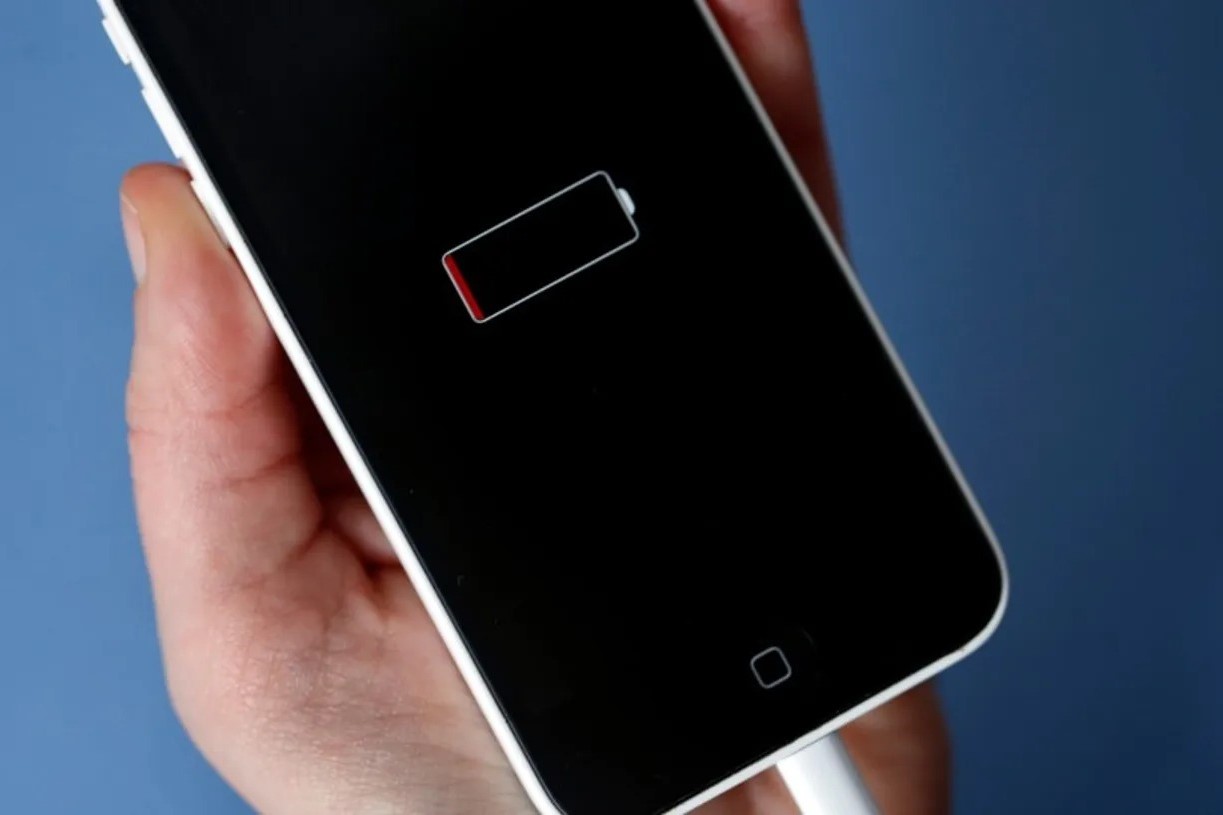
Sudden Shutdowns and Reboots
One of the most noticeable signs that your device is in dire need of a new battery is the occurrence of sudden shutdowns and unexpected reboots. If your device powers off abruptly, especially when the battery indicator shows a significant charge remaining, it’s a clear indication that the battery is struggling to sustain the device’s power requirements. Similarly, if the device frequently reboots without any apparent reason, it’s a red flag that the battery may be deteriorating.
The sudden shutdowns and reboots can be particularly frustrating, especially if they occur during important tasks or while using critical applications. Not only do they disrupt your workflow, but they also indicate that the battery’s capacity to deliver a consistent and stable power supply has significantly diminished. This can be a major inconvenience, impacting your productivity and causing unnecessary stress.
Moreover, these abrupt power interruptions can potentially lead to data loss or corruption, posing a risk to the integrity of your files and documents. Imagine being in the midst of an important project or a crucial communication, only to have your device shut down unexpectedly, jeopardizing your progress and potentially leading to the loss of unsaved work. Such scenarios underscore the urgency of addressing the battery issue promptly to avoid further disruptions and potential data-related mishaps.
Rapid Battery Drain
Another unmistakable sign that your device is thirsting for a new battery is the rapid depletion of its power reserves. If you find that your device’s battery percentage dwindles at an alarming rate, even with minimal usage and conservative power settings, it’s a clear indication that the battery’s ability to retain and deliver charge has significantly diminished. This can manifest as the battery percentage dropping rapidly within a short span of time, necessitating frequent recharges throughout the day.
Experiencing rapid battery drain can be exasperating, especially when you rely on your device to stay connected, productive, and entertained. The constant need to recharge can disrupt your daily routine and tether you to power outlets, limiting your mobility and flexibility. Whether it’s a smartphone that struggles to last through the day or a laptop that requires frequent top-ups, the persistent issue of rapid battery drain can impede your ability to use your device optimally.
Furthermore, rapid battery drain can engender a sense of uncertainty and anxiety, as you may constantly worry about running out of power at crucial moments. This can be particularly distressing when you’re traveling, attending important meetings, or engaging in activities where access to a power source is limited. The need to constantly monitor and conserve battery life can overshadow the enjoyment and utility of using your device, detracting from the seamless and uninterrupted experience that a fully functional battery can provide.
Overheating
When your device exhibits a tendency to become excessively hot during regular use, it’s a compelling indicator that the battery may be struggling to maintain its efficiency. Overheating is a common manifestation of a deteriorating battery, and it can have far-reaching implications for the device’s performance and longevity.
Excessive heat generation, especially in the vicinity of the battery compartment, can be a cause for concern. Not only does it signal potential battery degradation, but it also poses risks to the overall safety and functionality of the device. The heat emanating from the device can not only be uncomfortable to the touch but can also lead to discomfort during prolonged usage, detracting from the user experience.
Moreover, overheating can have detrimental effects on the device’s internal components, potentially compromising their integrity and longevity. The prolonged exposure to high temperatures can accelerate the degradation of sensitive electronic parts, leading to diminished performance and reliability. In extreme cases, overheating can even pose safety hazards, including the risk of thermal runaway or other battery-related malfunctions.
From a user’s perspective, an overheating device can be a source of frustration and inconvenience. It may necessitate frequent breaks during usage to allow the device to cool down, disrupting the continuity of tasks and activities. Additionally, the heat dissipation can impact the overall user experience, making the device uncomfortable to hold and use for extended periods.
Swollen Battery
Discovering that your device’s battery has swelled is a clear and visible indication that it requires immediate replacement. A swollen battery, often characterized by a bulging appearance, is a cause for serious concern and should not be overlooked. This physical manifestation of battery deterioration warrants prompt attention to mitigate potential risks and ensure the continued safe operation of the device.
When a battery swells, it signifies an internal fault or degradation that has led to the expansion of the battery cell or cells. This expansion can exert pressure on the device’s enclosure, potentially causing structural damage and compromising the overall integrity of the device. In addition to the visible bulge, a swollen battery may also exhibit deformation or warping, further emphasizing the urgency of addressing the issue.
From a safety standpoint, a swollen battery poses inherent risks, including the potential for leakage, rupture, or even combustion. The compromised structural integrity of the battery increases the likelihood of hazardous malfunctions, underscoring the importance of ceasing the use of the device and seeking a replacement battery as soon as possible.
Moreover, a swollen battery can impede the proper fitting of the device’s back cover or casing, resulting in an uneven or bulging appearance that detracts from the device’s aesthetics and ergonomics. This not only diminishes the device’s visual appeal but can also impact its usability and comfort, especially if the irregular shape affects the device’s handling and portability.
Inconsistent Charging
Experiencing irregularities in the charging behavior of your device is a telltale sign that the battery may be in need of replacement. Inconsistent charging patterns, such as erratic charging speeds, sudden disconnections and reconnecting during charging, or the inability to attain a full charge, can all point to underlying battery issues that warrant attention.
When a battery is no longer able to maintain a consistent and reliable charging cycle, it can lead to a host of inconveniences and uncertainties for the user. The inability to predict the time required for a full charge or encountering unexpected interruptions during charging can disrupt your daily routine and compromise the device’s usability.
Moreover, inconsistent charging behavior can impact the device’s overall reliability and functionality. If the battery fails to charge reliably, it can lead to situations where the device unexpectedly runs out of power, potentially causing disruptions and inconveniences. This can be particularly problematic during critical tasks or when the device is relied upon for essential communication and productivity.
Furthermore, inconsistent charging can also manifest as the device failing to recognize or maintain a stable connection with the charging cable or power source. This can lead to frequent disconnections and reconnections, potentially causing wear and tear on the charging port and cable, as well as creating a source of frustration for the user.
Low Battery Health Percentage
Monitoring the battery health percentage of your device can provide valuable insights into the overall condition of the battery. A consistently low battery health percentage, often indicated in device settings or diagnostic utilities, is a clear indicator of the battery’s deteriorating state. As the battery health percentage diminishes, it signifies a decline in the battery’s capacity to hold and deliver charge effectively.
When the battery health percentage remains persistently low, it underscores the need to address the battery-related concerns to restore the device’s optimal performance and longevity. A low battery health percentage can result in reduced battery life, necessitating more frequent recharging and diminishing the device’s portability and convenience.
Furthermore, a low battery health percentage can also lead to unpredictable and inconsistent battery performance. This can manifest as sudden power depletion, unexpected shutdowns, or rapid fluctuations in the displayed battery percentage, making it challenging for users to gauge the actual charge status of the device accurately.
From a user’s perspective, a low battery health percentage can diminish the overall satisfaction and utility derived from the device. It can lead to heightened anxiety about the device’s reliability and the constant need to monitor and manage the battery’s dwindling capacity. Additionally, the diminished battery health can impact the device’s resale value and desirability, as prospective buyers often consider the battery’s condition as a crucial factor in their purchasing decisions.