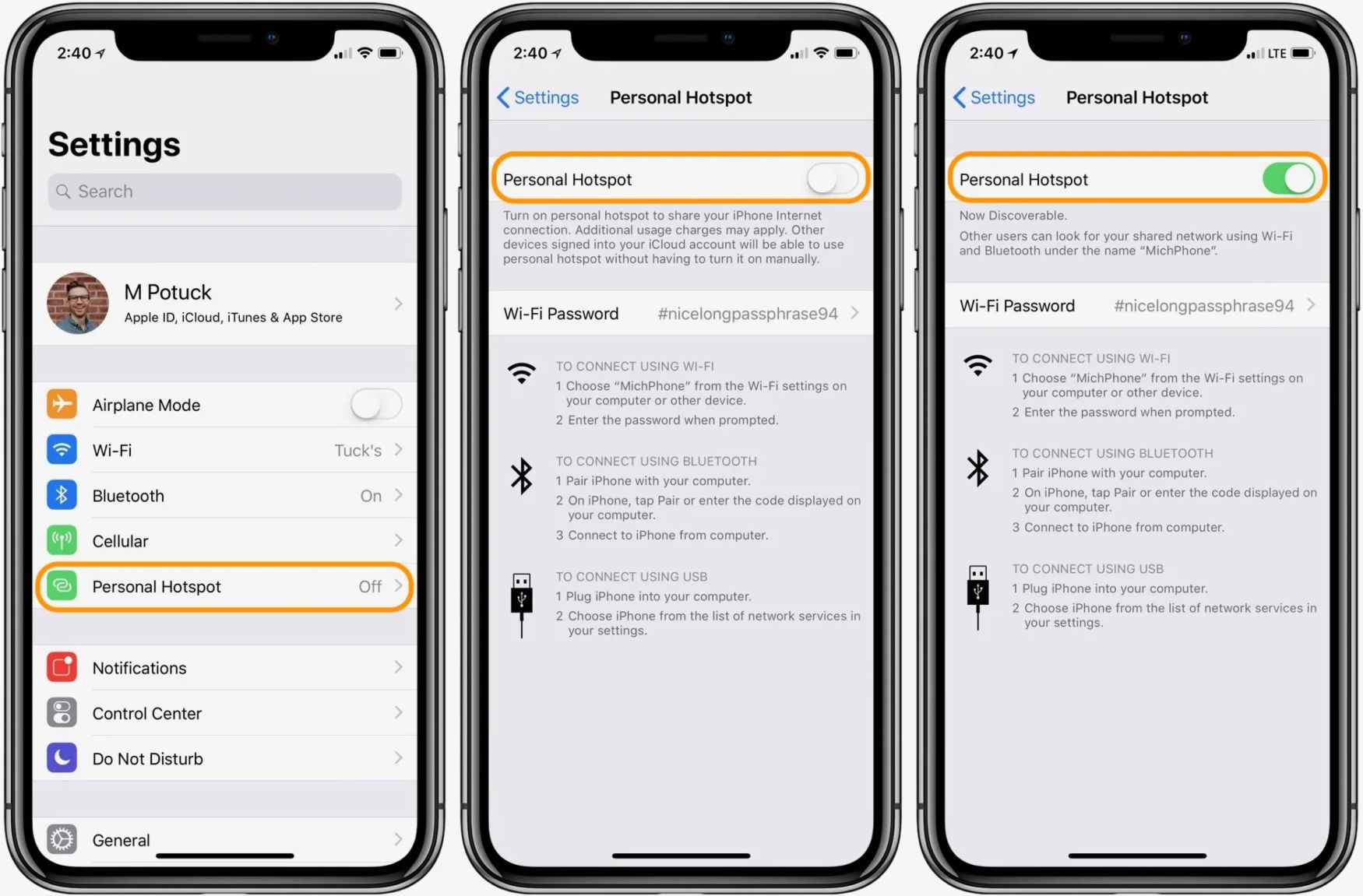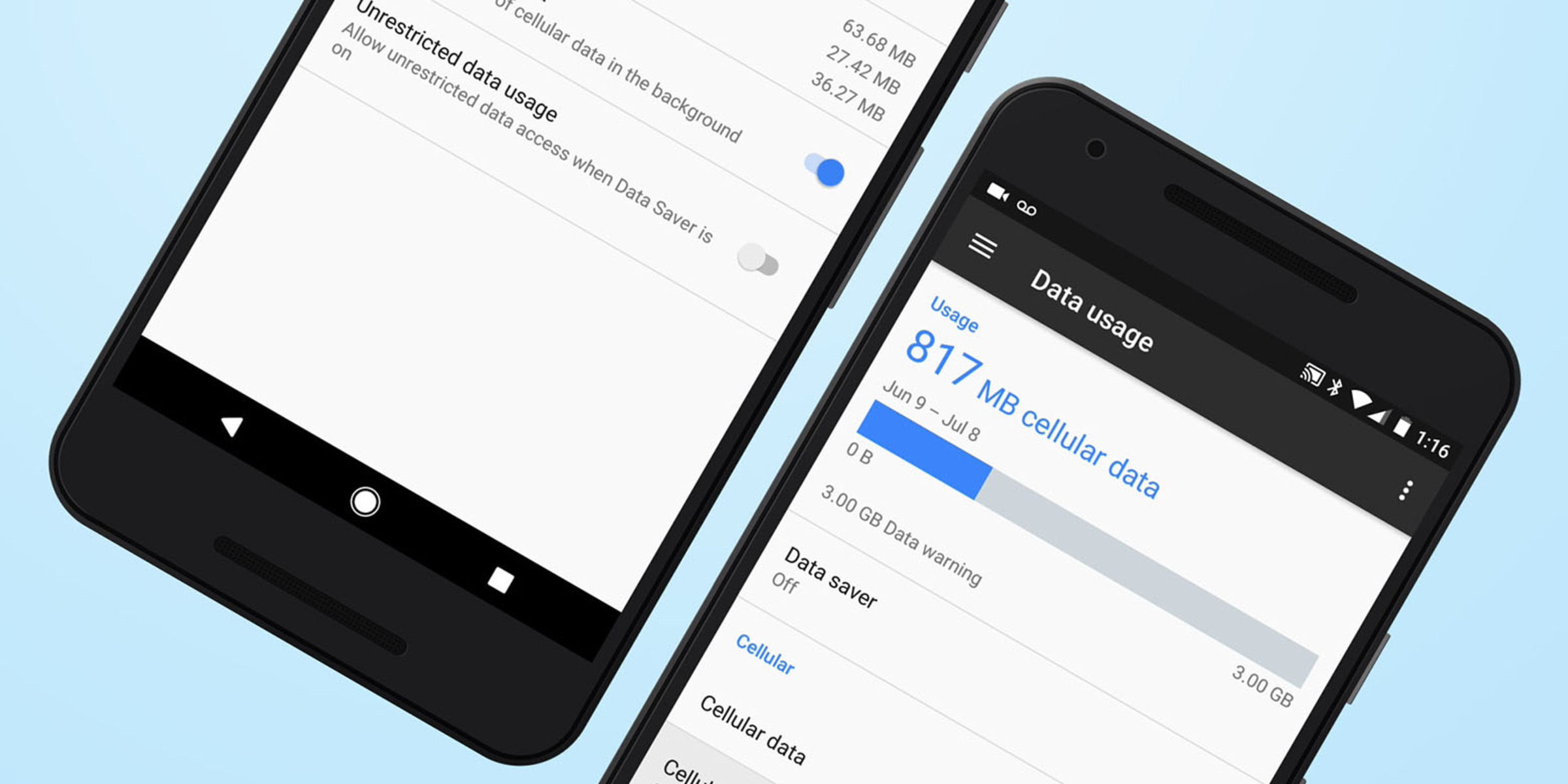
Understanding Hotspot in Low Data Mode
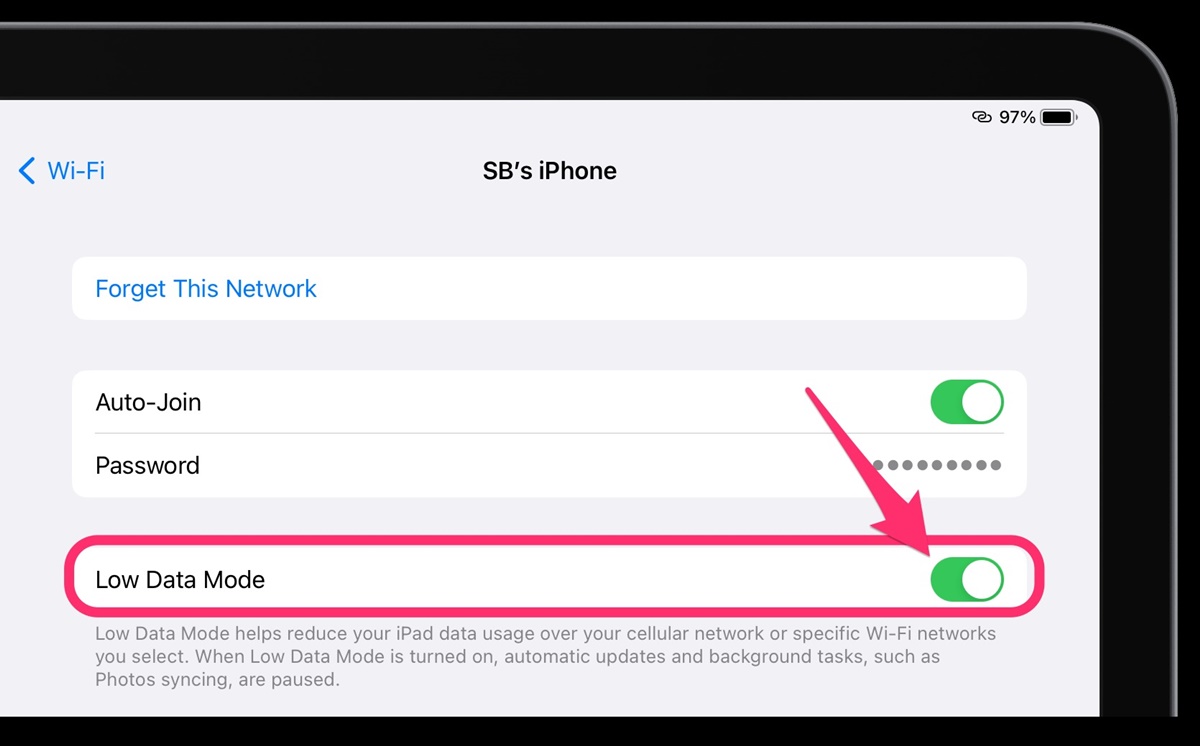
Using a hotspot in low data mode is a strategic way to manage data consumption while still staying connected. When a device is set to low data mode, it restricts background network usage, thus reducing the amount of data used. However, this setting can sometimes hinder the performance of certain apps and services that rely on a constant internet connection.
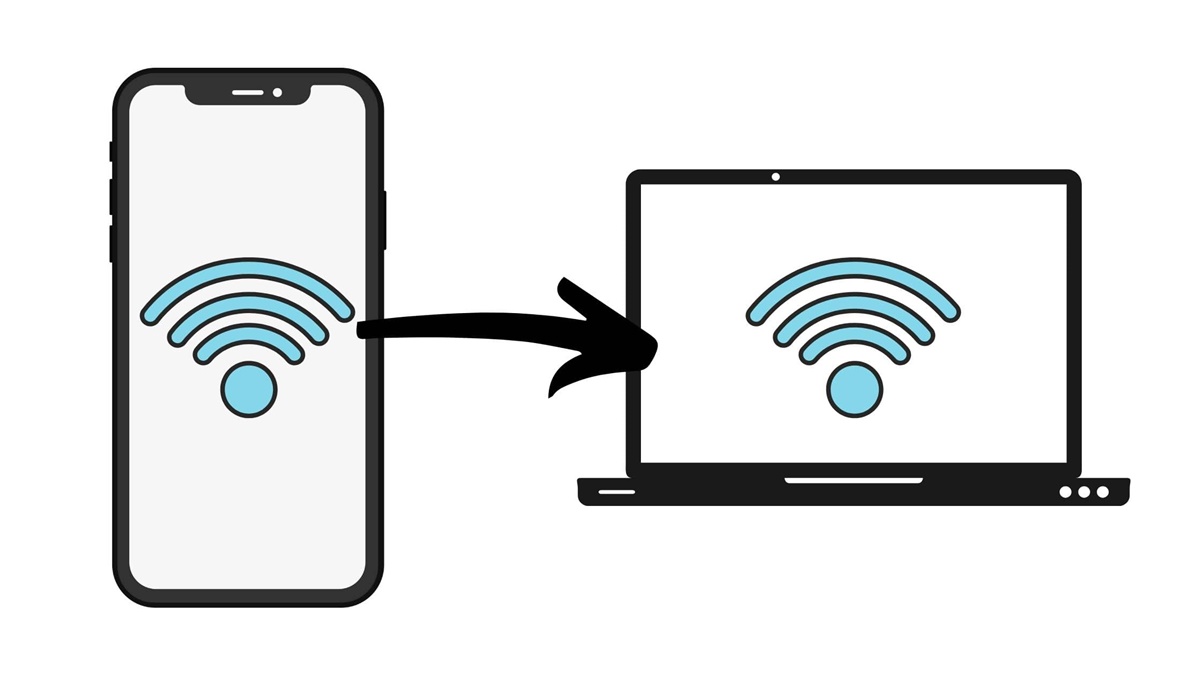
In low data mode, a hotspot can serve as a lifeline, allowing multiple devices to share a single internet connection. This is particularly useful when traditional Wi-Fi networks are unavailable or unreliable, such as in outdoor settings or during travel. By enabling low data mode on the hotspot, users can ensure that their data is used efficiently, preventing unnecessary background processes from consuming valuable data resources.
It's important to note that while low data mode helps conserve data, it may also affect the speed and responsiveness of the internet connection. This trade-off between data conservation and performance must be carefully considered when utilizing a hotspot in low data mode.
Understanding the intricacies of hotspot usage in low data mode empowers users to make informed decisions about their data management strategies. By recognizing the benefits and limitations of this mode, individuals can optimize their internet usage while minimizing data consumption. This knowledge forms the foundation for effectively managing data usage in low data mode, ensuring a balance between connectivity and conservation.
Benefits of Using Hotspot in Low Data Mode
Utilizing a hotspot in low data mode offers several advantages, especially in situations where data conservation and connectivity are crucial. One of the primary benefits is the ability to share a single data connection with multiple devices, enabling seamless internet access for a variety of purposes. Whether it’s for work, leisure, or emergencies, the hotspot serves as a versatile tool for staying connected in low data mode.
Another significant advantage is the preservation of data resources. By activating low data mode on the hotspot, users can ensure that their data allocation is utilized efficiently, reducing the risk of exceeding data limits or incurring additional charges. This is particularly beneficial for individuals and businesses operating within constrained data plans, as it allows them to maintain connectivity without compromising on data usage.
Furthermore, using a hotspot in low data mode promotes flexibility and mobility. Whether traveling, working remotely, or simply navigating areas with limited Wi-Fi availability, the hotspot serves as a reliable bridge to the internet. This flexibility empowers users to adapt to various environments and situations without being tethered to traditional Wi-Fi networks.
Additionally, the security and privacy offered by a personal hotspot in low data mode are noteworthy benefits. By using a dedicated connection, users can mitigate the risks associated with public Wi-Fi networks, enhancing the confidentiality and integrity of their data transmissions. This is especially crucial for handling sensitive information or conducting secure transactions while on the go.
Overall, the benefits of using a hotspot in low data mode extend beyond mere connectivity, encompassing data conservation, flexibility, and security. Understanding and leveraging these advantages can significantly enhance the efficiency and effectiveness of data management strategies, enabling users to navigate the digital landscape with confidence and control.
Managing Data Usage in Low Data Mode
Effectively managing data usage in low data mode is essential for optimizing connectivity while conserving valuable resources. By implementing strategic practices, individuals can ensure that their data allocation is utilized efficiently and responsibly. One key aspect of managing data usage in low data mode is monitoring the consumption patterns of connected devices. This involves tracking the data usage of individual devices to identify any excessive or unnecessary consumption, allowing for targeted optimization efforts.
Furthermore, prioritizing essential tasks and applications can contribute to efficient data management in low data mode. By identifying and focusing on critical activities, users can allocate their data resources judiciously, ensuring that vital functions receive precedence while non-essential processes are minimized. This selective approach helps maintain connectivity and productivity without unnecessary data expenditure.
Implementing data-saving features and settings on connected devices and applications is another effective strategy for managing data usage in low data mode. Many devices and applications offer built-in features that optimize data consumption, such as data saver modes, automatic updates control, and media download preferences. By leveraging these features, users can exert greater control over their data usage without compromising on functionality.
Regularly reviewing and adjusting data usage settings and limits is also crucial for effective data management in low data mode. This includes evaluating data caps, setting usage alerts, and adjusting data-saving parameters to align with specific requirements and constraints. By staying proactive and vigilant, users can prevent unexpected data depletion and maintain a balanced approach to data utilization.
Engaging in ongoing education and awareness regarding data management best practices is paramount for individuals utilizing a hotspot in low data mode. Staying informed about data-saving techniques, industry developments, and emerging technologies empowers users to adapt and refine their data management strategies, ensuring optimal efficiency and responsiveness.
By proactively managing data usage in low data mode, individuals can harness the full potential of their hotspot connectivity while safeguarding their data resources. This proactive approach not only optimizes data utilization but also promotes a sustainable and responsible approach to digital connectivity in diverse settings and circumstances.
Tips for Optimizing Hotspot in Low Data Mode
Optimizing a hotspot in low data mode involves implementing smart practices to maximize efficiency and minimize unnecessary data usage. By adhering to specific tips and techniques, users can enhance their data management strategies while maintaining seamless connectivity. One effective tip for optimizing a hotspot in low data mode is to prioritize essential tasks and applications. By identifying critical functions and allocating data resources accordingly, users can ensure that vital activities receive precedence, enabling productive and efficient use of the internet connection.
Another valuable tip is to leverage data-saving features and settings on connected devices. Many modern devices offer built-in functionalities that enable users to control and optimize data usage, such as data saver modes, background data restrictions, and automatic updates management. By utilizing these features, individuals can tailor their data consumption to align with their specific needs and preferences, conserving data without sacrificing functionality.
Monitoring data usage and setting usage alerts can also contribute to the optimization of a hotspot in low data mode. By regularly tracking data consumption and establishing usage thresholds, users can proactively manage their data allocation, preventing unexpected depletion and potential overage charges. This proactive approach empowers individuals to maintain control over their data usage and make informed decisions regarding their connectivity.
Employing caching and offline modes for content consumption and application usage is another effective strategy for optimizing a hotspot in low data mode. By preloading content and accessing offline modes where available, users can reduce their reliance on real-time data transmission, conserving valuable data resources while still enjoying seamless access to essential content and services.
Furthermore, staying informed about data-saving best practices and technological advancements is crucial for optimizing a hotspot in low data mode. By remaining attuned to industry developments, emerging technologies, and innovative solutions for data management, users can continually refine and enhance their approach to data conservation and connectivity, ensuring that they leverage the full potential of their hotspot while minimizing data usage.
By implementing these tips and techniques, individuals can effectively optimize their hotspot in low data mode, striking a balance between connectivity and data conservation. These strategies empower users to make the most of their data resources while maintaining seamless and efficient internet access, regardless of the constraints imposed by low data mode.