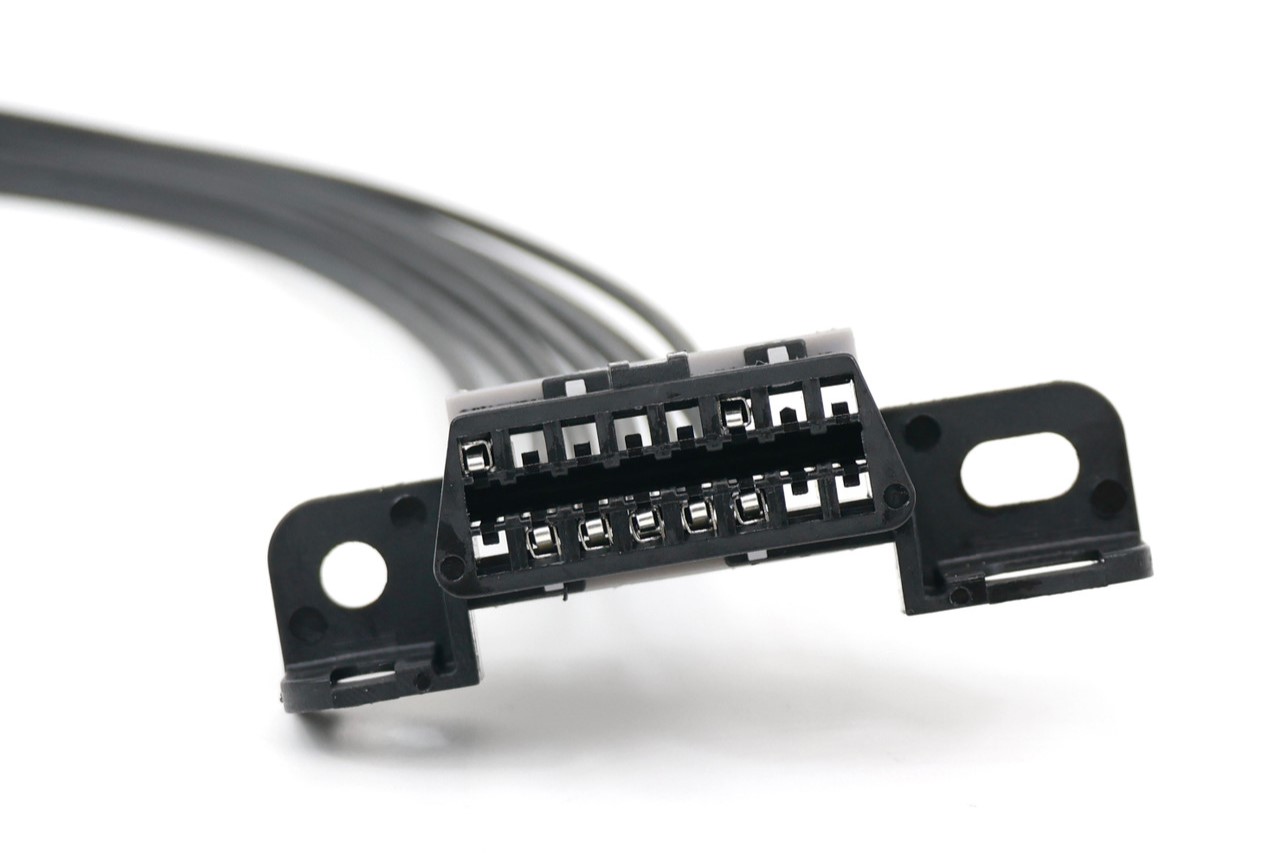
What is an OBDII Connector?
An OBDII (On-Board Diagnostics) connector is a standardized diagnostic port found in most modern vehicles, designed to provide access to the vehicle's computer system. This system monitors the performance of the engine, transmission, and emissions control systems, and can alert the driver to potential issues by illuminating the "Check Engine" light. The OBDII connector serves as a gateway for mechanics and car owners to retrieve diagnostic trouble codes (DTCs) and access real-time data from the vehicle's onboard computer.
This connector is a crucial component for diagnosing and troubleshooting vehicle issues, as it allows for the connection of diagnostic tools and code readers. By accessing the data through the OBDII connector, technicians can pinpoint the root cause of malfunctions, streamline the repair process, and reset the "Check Engine" light after addressing the underlying problem.
The OBDII connector utilizes a standardized 16-pin interface, making it compatible with a wide range of diagnostic tools and code readers. This standardization ensures that mechanics and car owners can use the same diagnostic equipment across different vehicle makes and models, simplifying the diagnostic process and reducing costs associated with specialized tools.
In essence, the OBDII connector serves as a vital link between a vehicle's internal computer system and external diagnostic tools, enabling efficient and accurate troubleshooting of mechanical and electronic issues. Its universal design and accessibility make it an indispensable resource for maintaining and repairing modern vehicles.
Understanding the significance of the OBDII connector is essential for both professional mechanics and car owners, as it empowers them to make informed decisions regarding vehicle maintenance and repairs. Whether it's identifying a faulty sensor, monitoring emission levels, or diagnosing engine performance issues, the OBDII connector plays a pivotal role in ensuring the optimal functionality of a vehicle's systems.
By leveraging the capabilities of the OBDII connector, individuals can gain valuable insights into their vehicle's health, address potential concerns proactively, and ultimately enhance the overall driving experience.
Why is the OBDII Connector Important?
The OBDII connector holds immense significance in the realm of automotive diagnostics and vehicle maintenance. Its importance stems from its pivotal role in facilitating efficient and accurate troubleshooting of a vehicle’s internal systems. By providing access to the onboard computer system, the OBDII connector empowers mechanics and car owners to address potential issues proactively, ultimately contributing to enhanced vehicle performance and longevity.
One of the key reasons why the OBDII connector is important is its ability to provide real-time access to crucial diagnostic data. This data includes diagnostic trouble codes (DTCs), which serve as valuable indicators of underlying issues within the vehicle’s engine, transmission, and emissions control systems. By retrieving and interpreting these codes through the OBDII connector, technicians can swiftly identify malfunctions and streamline the repair process, thereby minimizing downtime and optimizing the vehicle’s operational efficiency.
Furthermore, the OBDII connector plays a vital role in emissions testing and environmental compliance. As modern vehicles are equipped with sophisticated emissions control systems, the OBDII connector allows for the monitoring of emission-related data, enabling timely detection and resolution of issues that could impact the vehicle’s compliance with environmental regulations. This capability not only promotes environmental responsibility but also ensures that the vehicle operates within the prescribed emission standards, contributing to cleaner air and sustainable transportation.
Another compelling reason for the importance of the OBDII connector is its role in promoting cost-effective vehicle maintenance and repair. By leveraging the diagnostic capabilities facilitated by the OBDII connector, mechanics can accurately pinpoint the root cause of malfunctions, thereby avoiding unnecessary part replacements and minimizing diagnostic guesswork. This targeted approach to diagnostics not only saves time and resources but also enhances the overall efficiency of the repair process, translating to cost savings for vehicle owners.
Moreover, the OBDII connector’s universal standardization is a key factor in its importance. The standardized 16-pin interface ensures compatibility with a wide range of diagnostic tools and code readers, eliminating the need for proprietary equipment for different vehicle makes and models. This standardization promotes accessibility and ease of use, democratizing access to diagnostic capabilities and empowering car owners to take a proactive approach to vehicle maintenance.
In essence, the OBDII connector is important due to its role in providing real-time diagnostic data, facilitating emissions compliance, optimizing repair processes, and promoting universal accessibility to diagnostic capabilities. Its impact extends beyond mere connectivity, as it empowers individuals to make informed decisions regarding vehicle maintenance and repair, ultimately contributing to safer, more efficient, and environmentally conscious transportation.
Where to Find the OBDII Connector in Your Car
Locating the OBDII connector in your car is essential for accessing the vehicle’s onboard computer system and performing diagnostics. The placement of the OBDII connector may vary depending on the vehicle make and model, but there are several common locations where it can typically be found. Understanding these common locations can help car owners and mechanics quickly locate the OBDII connector and leverage its diagnostic capabilities effectively.
One of the most prevalent locations for the OBDII connector is beneath the dashboard on the driver’s side. Typically located within close proximity to the steering column, this placement allows for convenient access to the connector without necessitating extensive disassembly of the vehicle’s interior. Car owners and mechanics can easily identify the OBDII connector by locating a trapezoidal-shaped port with 16 pin receptacles, often accompanied by a removable cover for protection.
In some vehicles, the OBDII connector may be situated near the center console, providing accessibility from the front passenger area. This placement is commonly found in vehicles where the dashboard design or electronic components dictate an alternative location for the connector. Car owners should check the lower portion of the center console, near the transmission tunnel, to locate the OBDII connector in such cases.
Another common location for the OBDII connector is beneath the vehicle’s hood, particularly in trucks, SUVs, and certain European car models. When positioned in the engine compartment, the OBDII connector is typically located near the firewall, close to the driver’s side. This placement allows for direct access to the vehicle’s diagnostic interface without requiring entry into the passenger compartment, making it convenient for diagnostic procedures that involve engine monitoring or tuning.
Additionally, some vehicles feature a secondary OBDII connector in the trunk or cargo area, particularly in luxury vehicles or those equipped with advanced onboard electronic systems. This secondary connector may serve specific diagnostic functions related to the vehicle’s rear modules, entertainment systems, or suspension components, offering comprehensive diagnostic access beyond the primary connector’s capabilities.
It’s important to note that while these are common locations for the OBDII connector, car owners should consult the vehicle’s owner’s manual or seek professional guidance if they encounter difficulty locating the connector. In some cases, the OBDII connector may be concealed behind a panel or trim piece, requiring careful inspection to uncover its precise position.
By familiarizing themselves with the common locations of the OBDII connector, car owners and mechanics can streamline the diagnostic process and ensure efficient access to the vehicle’s onboard computer system. This knowledge empowers individuals to leverage the diagnostic capabilities of the OBDII connector effectively, facilitating proactive maintenance and timely resolution of vehicle issues.
Common Locations for the OBDII Connector
The OBDII (On-Board Diagnostics) connector, while standardized in its interface, can be found in various locations within different vehicle makes and models. Understanding the common locations for the OBDII connector is crucial for efficiently accessing the vehicle’s diagnostic interface and performing troubleshooting procedures. By familiarizing themselves with these common locations, car owners and mechanics can expedite the diagnostic process and ensure seamless connectivity with diagnostic tools.
One of the most prevalent locations for the OBDII connector is beneath the dashboard on the driver’s side. Positioned within close proximity to the steering column, this placement offers convenient access to the connector without requiring extensive disassembly of the vehicle’s interior. Car owners and mechanics can typically locate the OBDII connector by identifying a trapezoidal-shaped port with 16 pin receptacles, often accompanied by a removable cover for protection.
In certain vehicle models, the OBDII connector can also be found near the center console, particularly in cars with unique dashboard layouts or electronic configurations. Car owners should check the lower portion of the center console, near the transmission tunnel, to locate the OBDII connector in such cases. This placement ensures accessibility from the front passenger area, providing an alternative location for the connector based on the vehicle’s design.
For trucks, SUVs, and select European car models, the OBDII connector may be situated beneath the vehicle’s hood. Typically located near the firewall on the driver’s side, this placement allows for direct access to the vehicle’s diagnostic interface from the engine compartment. This positioning is particularly convenient for diagnostic procedures that involve engine monitoring, tuning, or troubleshooting of related systems.
In some instances, vehicles may feature a secondary OBDII connector in the trunk or cargo area, especially in luxury vehicles or those equipped with advanced onboard electronic systems. This secondary connector serves specific diagnostic functions related to the vehicle’s rear modules, entertainment systems, or suspension components, offering comprehensive diagnostic access beyond the capabilities of the primary connector.
While these locations represent common placements for the OBDII connector, it’s important to note that variations may exist based on the vehicle’s make, model, and electronic architecture. Car owners encountering difficulty in locating the OBDII connector should refer to the vehicle’s owner’s manual or seek professional assistance to identify its precise position.
By recognizing the common locations for the OBDII connector, individuals can effectively navigate the diagnostic process and ensure efficient access to the vehicle’s onboard computer system. This familiarity with the connector’s placements empowers car owners and mechanics to streamline diagnostic procedures, address potential issues promptly, and maintain the optimal functionality of their vehicles.
Tips for Locating the OBDII Connector
Locating the OBDII (On-Board Diagnostics) connector in a vehicle can sometimes be a challenging task, especially for individuals who are unfamiliar with its common placements. However, several tips and techniques can help car owners and mechanics effectively locate the OBDII connector, ensuring seamless access to the vehicle’s diagnostic interface and facilitating efficient troubleshooting procedures.
- Consult the Owner’s Manual: The vehicle’s owner’s manual is an invaluable resource for identifying the precise location of the OBDII connector. Car owners should refer to the manual’s index or electronic search function to locate information related to the OBDII connector’s position within the vehicle.
- Search Near the Steering Column: As a common placement for the OBDII connector, car owners should check beneath the dashboard on the driver’s side, near the steering column. This area often houses the connector and provides convenient access for diagnostic procedures.
- Explore the Center Console: In vehicles with unique dashboard layouts, the OBDII connector may be located near the center console, close to the transmission tunnel. Car owners should inspect this area for the presence of the connector, especially in models where the dashboard design dictates an alternative placement.
- Inspect the Engine Compartment: For trucks, SUVs, and certain European car models, the OBDII connector may be positioned beneath the vehicle’s hood, near the firewall on the driver’s side. Individuals should carefully examine this area to locate the connector, particularly if diagnostic procedures involve engine-related systems.
- Check the Trunk or Cargo Area: In vehicles equipped with advanced onboard electronic systems or luxury features, a secondary OBDII connector may be present in the trunk or cargo area. Car owners should explore this area to identify the secondary connector, which may offer additional diagnostic access.
- Use a Diagnostic Tool with OBDII Locator Feature: Some advanced diagnostic tools feature an OBDII locator function, which assists in pinpointing the connector’s position within the vehicle. Car owners and mechanics can leverage this feature to expedite the locating process and ensure accurate identification of the OBDII connector.
By employing these tips and techniques, individuals can navigate the process of locating the OBDII connector with greater confidence and efficiency. Whether consulting the owner’s manual, conducting thorough visual inspections, or leveraging advanced diagnostic tools, the goal is to identify the OBDII connector’s position and establish seamless connectivity for diagnostic procedures.
Ultimately, familiarity with these tips equips car owners and mechanics with the knowledge and strategies necessary to locate the OBDII connector effectively, promoting proactive maintenance and timely resolution of vehicle issues.
Using a Diagnostic Tool with the OBDII Connector
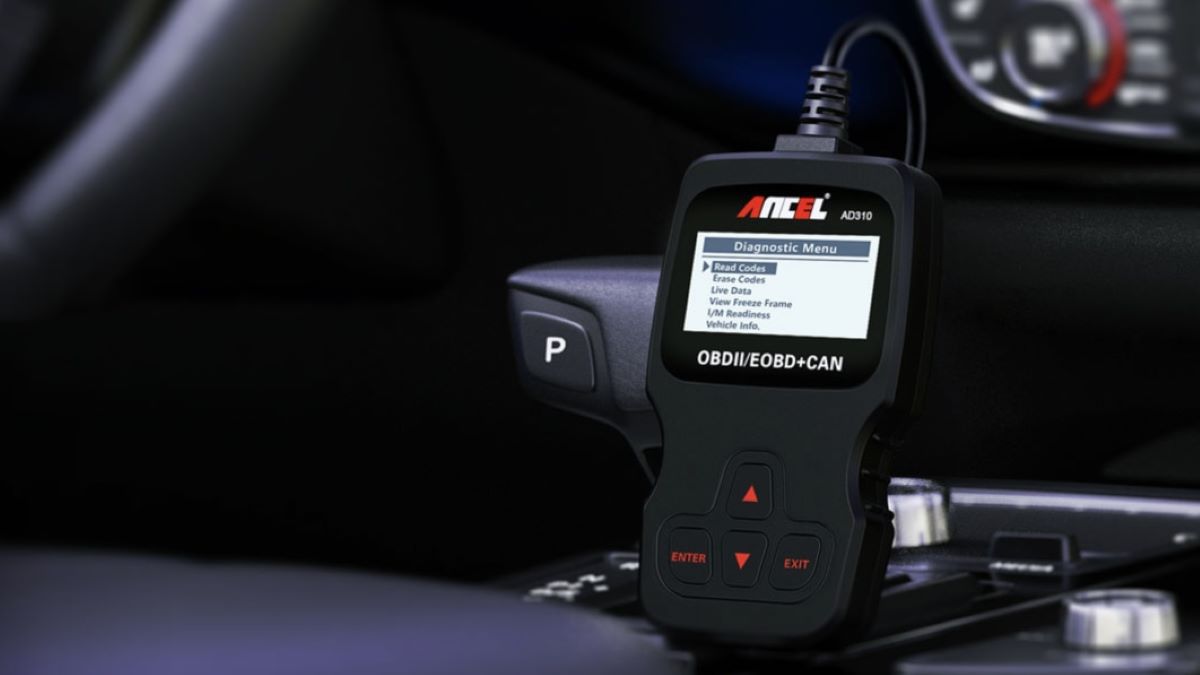
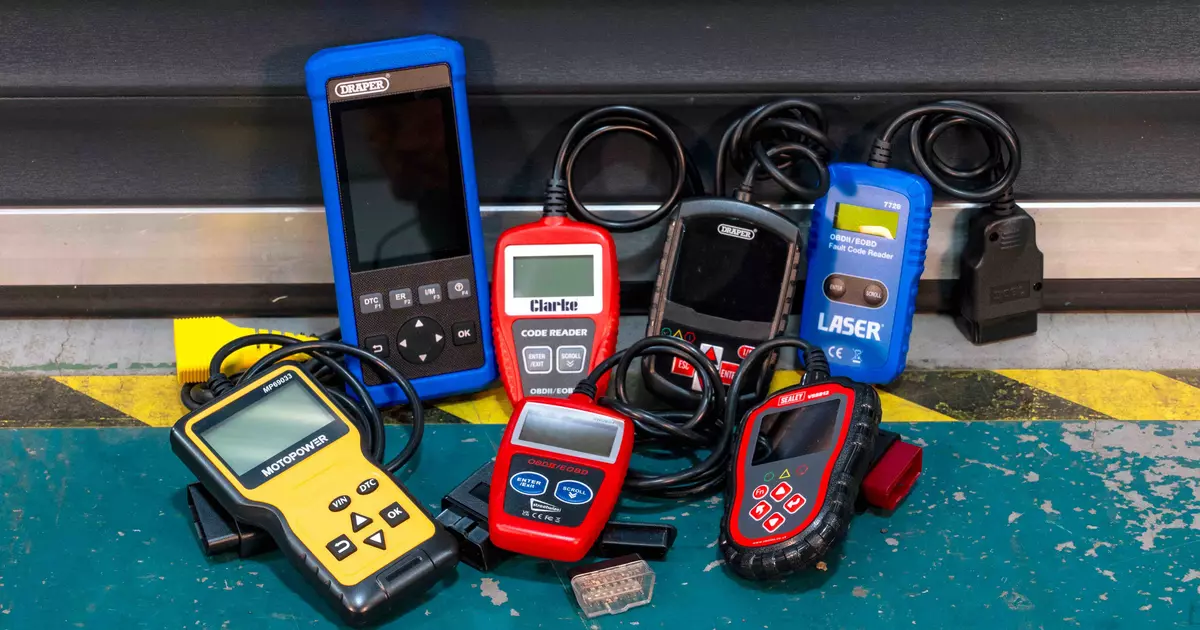
Utilizing a diagnostic tool with the OBDII (On-Board Diagnostics) connector is a fundamental aspect of modern vehicle maintenance and troubleshooting. These diagnostic tools, commonly known as OBDII scanners or code readers, are designed to interface with the OBDII connector, providing access to the vehicle’s onboard computer system and enabling the retrieval of diagnostic trouble codes (DTCs) and real-time data.
When using a diagnostic tool with the OBDII connector, the process typically involves the following steps:
- Locating the OBDII Connector: Before connecting the diagnostic tool, it is essential to locate the vehicle’s OBDII connector. As discussed in previous sections, the connector is commonly found beneath the dashboard on the driver’s side, near the center console, or in the engine compartment. Once the connector is located, the diagnostic tool can be connected to establish communication with the vehicle’s onboard computer system.
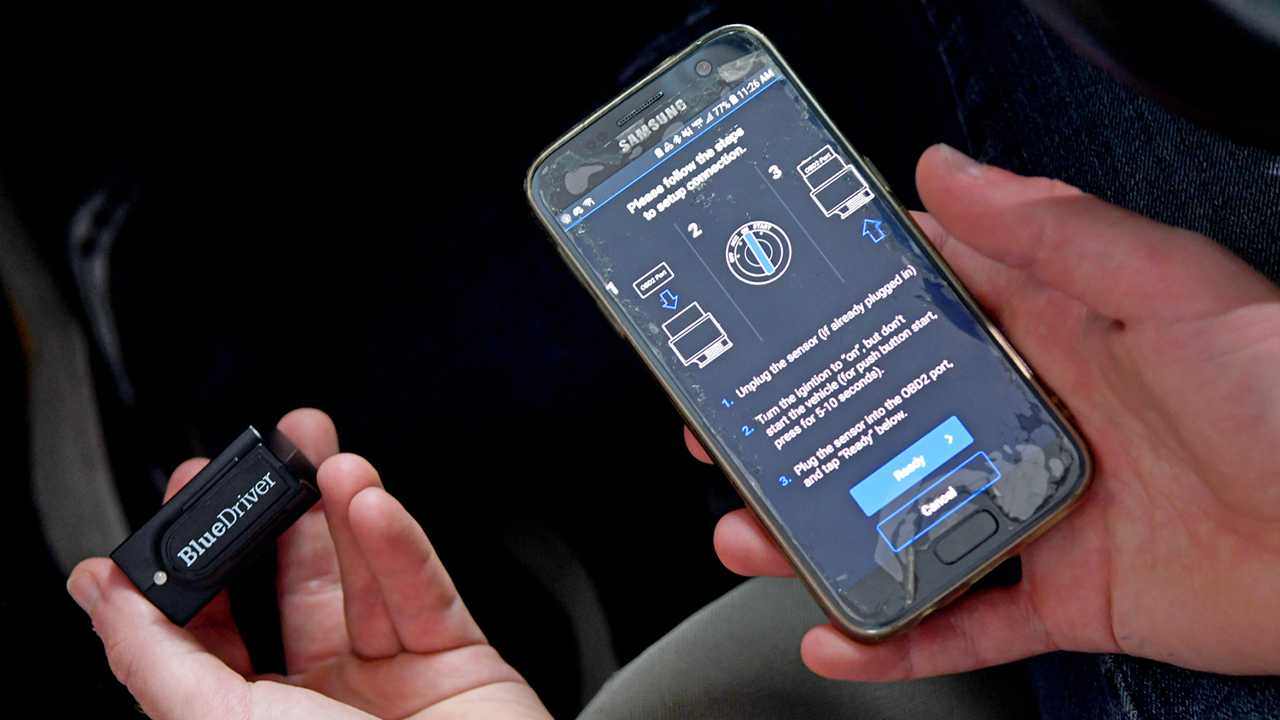
- Connecting the Diagnostic Tool: With the vehicle’s ignition turned off, the diagnostic tool’s connector is inserted into the OBDII port, ensuring a secure and snug connection. Once connected, the diagnostic tool is powered on, and the vehicle’s ignition may be turned to the "On" position, enabling the diagnostic tool to establish communication with the vehicle’s onboard computer system.
- Retrieving Diagnostic Data: After establishing communication, the diagnostic tool retrieves diagnostic trouble codes (DTCs) stored in the vehicle’s computer system. These codes provide valuable insights into potential issues affecting the engine, transmission, emissions control, and other systems. Additionally, the diagnostic tool can access real-time data, such as engine RPM, vehicle speed, oxygen sensor readings, and more, allowing for comprehensive system monitoring and analysis.
- Interpreting Diagnostic Data: Once the diagnostic data is retrieved, the diagnostic tool provides detailed descriptions of the DTCs, aiding in the identification of specific malfunctions or abnormalities within the vehicle’s systems. Car owners and mechanics can use this information to diagnose and address the root causes of issues, ultimately facilitating targeted repairs and maintenance.
- Performing System Resets and Clearing DTCs: In addition to retrieving diagnostic data, some diagnostic tools allow for the resetting of system parameters and the clearing of diagnostic trouble codes. This functionality is particularly useful after addressing identified issues, as it enables the restoration of system functionality and the elimination of stored DTCs, including the "Check Engine" light.
By following these steps and leveraging a diagnostic tool with the OBDII connector, car owners and mechanics can gain valuable insights into their vehicle’s health, address potential concerns proactively, and ultimately enhance the overall driving experience. The diagnostic capabilities facilitated by the OBDII connector and compatible diagnostic tools empower individuals to make informed decisions regarding vehicle maintenance and repairs, ensuring optimal performance and reliability.
Moreover, the accessibility and standardization of the OBDII connector enable the seamless integration of diagnostic tools across different vehicle makes and models, promoting efficiency and cost-effectiveness in the diagnostic process. This universal compatibility ensures that car owners and mechanics can utilize the same diagnostic equipment for various vehicles, streamlining diagnostic procedures and reducing the need for specialized tools.
Ultimately, the utilization of a diagnostic tool with the OBDII connector represents a pivotal aspect of modern vehicle diagnostics, offering a gateway to comprehensive system monitoring, targeted troubleshooting, and proactive maintenance. By harnessing the diagnostic capabilities facilitated by the OBDII connector, individuals can effectively address vehicle issues, optimize performance, and uphold the reliability of their vehicles.