Understanding the Voltage and Frequency Difference
When it comes to using European electronics in the US, one of the key factors to consider is the difference in voltage and frequency between the two regions. In Europe, most countries operate on a voltage of 220-240 volts at a frequency of 50 Hz, whereas the US operates on a voltage of 110-120 volts at a frequency of 60 Hz. This fundamental difference can pose a challenge for travelers or individuals who want to use their European electronics in the US.
The higher voltage and lower frequency in Europe means that European electronic devices are not directly compatible with the lower voltage and higher frequency in the US. Plugging in a European device directly into a US power outlet can result in damage to the device or even safety hazards.
To ensure the safe and proper functioning of European electronics in the US, it is important to use appropriate voltage converters and frequency adaptors. These devices help bridge the voltage and frequency gap, allowing European electronics to operate seamlessly in the US without any risk of damage.
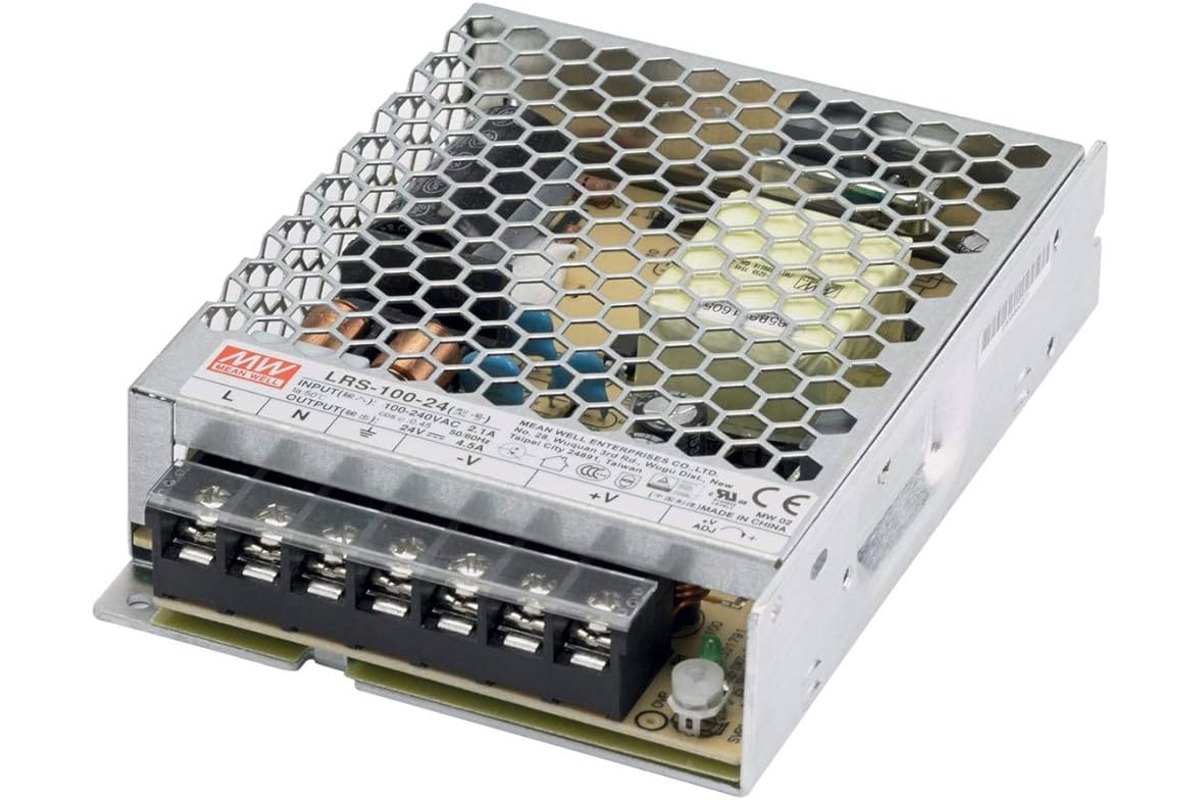
Voltage converters are electronic devices that step down the higher voltage used in Europe to match the lower voltage used in the US. They are available in various wattage capacities to accommodate different electronic devices. It is crucial to choose a voltage converter that is compatible with the wattage requirement of your European device to ensure efficient and safe operation.
Frequency adaptors, on the other hand, address the difference in frequency between Europe and the US. They convert the 50 Hz frequency of European devices to the 60 Hz frequency required in the US. This ensures that the device operates at the correct frequency and avoids any issues or malfunctions.
It is worth noting that voltage converters and frequency adaptors are typically separate devices, although some models offer a combination of both functionalities. So, depending on the specific needs of your European device, you may need to use either a voltage converter, a frequency adaptor, or both.
Before purchasing a voltage converter or frequency adaptor, it is essential to check the power requirements of your European electronic device. This information is usually indicated on the device’s label or in its user manual. It is important to choose a voltage converter or frequency adaptor that supports the wattage needs of your device to prevent any potential damage or issues.
By understanding the voltage and frequency difference between Europe and the US and taking the necessary precautions, you can safely and effectively use your European electronics in the US without any hassle or risk.
Using a Voltage Converter for Devices
When it comes to using European electronics in the US, one of the essential tools you’ll need is a voltage converter. As mentioned earlier, the voltage in Europe is typically 220-240 volts, while in the US, it is 110-120 volts. This voltage difference can cause damage or malfunction to your European devices if they are directly plugged into US power outlets.
A voltage converter serves as a bridge between the different voltage requirements of your European electronics and the US power supply. It steps down the higher voltage from European outlets to the lower voltage that is compatible with US outlets, ensuring the safe and efficient operation of your devices.
When choosing a voltage converter, it is important to consider the wattage capacity of your devices. Each electronic device has a specific power requirement, usually indicated on the device itself or in the user manual. It is crucial to select a voltage converter that can handle the wattage needs of your devices to avoid any issues or damage.
Voltage converters come in various wattage capacities, ranging from 50 watts to several thousand watts. To determine the appropriate wattage for your voltage converter, add up the wattage of all the devices you plan to use simultaneously. It’s recommended to choose a voltage converter with a wattage capacity slightly higher than the total wattage requirements of your devices to ensure optimal performance.
Once you have your voltage converter, using it is relatively straightforward. Start by plugging the voltage converter into the US power outlet. Then, connect your European electronic device to the voltage converter using an appropriate adapter if needed. The voltage converter will convert the US voltage to the voltage required by your device, allowing it to function safely and effectively.
It’s essential to pay attention to the power rating of your devices and the wattage capacity of the voltage converter. Exceeding the wattage capacity of the converter can cause overheating, damage to the converter, or even a fire hazard. If you have multiple devices with high power requirements, consider using multiple voltage converters or a higher-capacity converter to accommodate your needs.
It’s worth noting that voltage converters are not suitable for devices with built-in dual voltage capabilities, such as many modern laptops, smartphones, and camera chargers. These devices can automatically adjust to different voltage inputs, eliminating the need for a voltage converter. However, it’s still essential to double-check the specifications of your devices to ensure they are compatible with the US voltage range.
Using a voltage converter is a reliable solution for safely using your European electronics in the US. By following the manufacturer’s instructions and considering the wattage requirements of your devices, you can enjoy the convenience of using your favorite gadgets without worrying about voltage differences.
Adapting the Plug Type
Another crucial aspect to consider when using European electronics in the US is the difference in plug types. In Europe, the most common plug type is the Europlug, which has two round pins. In the US, the standard plug type is the NEMA plug, which has two flat pins or a combination of flat and rounded pins.
To ensure proper connection of your European devices to US power outlets, you’ll need to adapt the plug type. The easiest way to do this is by using a plug adapter, also known as a travel adapter. A plug adapter is a small device that allows you to physically convert the shape of the plug, making it compatible with the US power outlets.
When selecting a plug adapter, it’s essential to choose one that matches the type of plug used in your European device. There are various types of plug adapters available, each designed to accommodate specific plug types from different regions of the world. Make sure to find an adapter that is compatible with the Europlug used in Europe.
To use the plug adapter, simply insert the European plug into the adapter and then plug the adapter into the US power outlet. The adapter will bridge the gap between the different plug types, allowing you to connect your European device to the US power supply.
While plug adapters are convenient for adapting the plug shape, it’s important to note that they do not convert voltage or frequency. If your European device requires a different voltage or frequency than what is available in the US, you will still need to use a voltage converter or frequency adaptor in addition to the plug adapter.
It’s also worth mentioning that some devices, particularly those designed for international use, may have a detachable power cord. In such cases, instead of using a plug adapter, you may only need to replace the power cord with one that has a US plug. This eliminates the need for an adapter and ensures a seamless connection to US power outlets.
When using plug adapters or replacing power cords, always make sure to follow the manufacturer’s instructions and ensure that the adapter or replacement cord is compatible with the voltage requirements of your European device. Using the wrong adapter or cord can result in damage to the device or pose a safety hazard.
By adapting the plug type using a plug adapter or replacing the power cord, you can easily connect your European electronics to US power outlets without the need for extensive modifications or rewiring. This allows you to use your devices seamlessly, regardless of the plug type differences between the two regions.
Importance of Wattage Compatibility
When using European electronics in the US, it is crucial to consider the wattage compatibility between the device and the power source. Wattage refers to the amount of power consumed or generated by an electronic device. Using a device with a wattage that exceeds the capabilities of the power source can result in damage to the device or even pose a safety risk.
To ensure the safe and efficient functioning of your European electronics in the US, it is essential to understand the wattage requirements of your devices and match them with the power supply available. This can be particularly important when using voltage converters or transformers, as they have specific wattage capacities.
The wattage requirement of a device is usually indicated on the device itself or in the user manual. It is crucial to check this information before using the device with a different power source. If the wattage requirement of the device is higher than what the power source can provide, using the device can lead to overheating, electrical faults, or even damage to the device.
For example, if you are using a voltage converter to step down the higher voltage used in Europe to the lower voltage used in the US, the wattage capacity of the converter must be able to handle the power requirements of your European device. If the wattage of the device exceeds the capacity of the converter, it may not function correctly or can cause the converter to overheat.
Similarly, when using devices with built-in dual voltage capabilities, it is crucial to ensure that the power source can meet the wattage requirements of the device. While the device may be compatible with both US and European voltages, exceeding the device’s wattage capacity can still lead to issues.
To determine the wattage requirements of your devices, you can refer to the power rating indicated on the device or consult the manufacturer’s specifications. It’s important to note that some devices have variable wattage depending on their function or operation mode. In such cases, consider the highest wattage requirement to ensure compatibility.
If you have multiple devices that need to be powered simultaneously, add up the wattage requirements of all the devices to determine the total power needed. This will help you choose a power source that can handle the combined wattage and prevent overloading.
In summary, wattage compatibility is essential when using European electronics in the US. By understanding the wattage requirements of your devices and ensuring that they are compatible with the power source, you can ensure their safe and efficient operation. Always check the wattage capacity of voltage converters or transformers and make sure it aligns with the power requirements of your devices to avoid any potential issues or damage.
Checking for Dual Voltage Devices
One convenient option when using European electronics in the US is to check if your devices are compatible with both European and US voltages. Dual voltage devices are designed to work seamlessly in different regions without the need for voltage converters or transformers. These devices can operate on both the higher voltage used in Europe and the lower voltage used in the US.
To determine if your device is a dual voltage device, you can check the device itself or refer to the user manual. Look for information about the input voltage range or power supply specifications. If the device indicates that it can handle voltages from 110-240 volts, it is considered a dual voltage device.
Having a dual voltage device eliminates the need for voltage converters and allows you to use your European electronics directly with the US power supply. It also provides flexibility for traveling to different regions, as you can easily switch between voltage settings depending on the location. Simply ensure that your device is set to the appropriate voltage range before plugging it into the power outlet.
It’s worth noting that not all electronic devices are dual voltage. Some devices, especially older models or appliances with complex electrical circuitry, may only be designed to operate in a specific voltage range. Using such devices without the appropriate voltage converter can result in damage to the device or pose a safety risk.
If your device is not dual voltage, you can still use it in the US by using a voltage converter or transformer. These devices will step down the higher voltage used in Europe to match the lower voltage required by your device. However, it is crucial to ensure that the wattage capacity of the converter or transformer is sufficient to handle the power requirements of your device.
Before assuming that a device is dual voltage, it is always recommended to double-check the specifications and consult the manufacturer or user manual. Additionally, if you are unsure about the voltage compatibility of your device or if it is safe to use without a voltage converter, it is best to seek professional advice or consult the manufacturer directly.
In summary, checking for dual voltage capability is beneficial when using European electronics in the US. Dual voltage devices eliminate the need for voltage converters and provide flexibility for international use. Always verify the voltage specifications of your devices and take appropriate measures, such as using voltage converters or transformers, for devices that are not dual voltage compatible. By doing so, you can confidently and safely use your European electronics in the US.
Recommendations for Travelers
If you are a traveler planning to use your European electronics in the US, here are some recommendations to ensure a smooth and hassle-free experience:
- Check the voltage and frequency requirements of your devices: Before your trip, verify whether your devices are compatible with the US voltage and frequency. Look for indications of dual voltage capabilities or the need for voltage converters.
- Invest in a voltage converter: If your devices are not dual voltage, it is essential to purchase a voltage converter that can match the wattage requirements of your electronics. Choose a converter with a higher wattage capacity if you plan to use multiple devices simultaneously.
- Consider frequency adaptors: In addition to voltage converters, you may also need frequency adaptors to ensure your European devices work at the correct frequency (60 Hz) in the US. Not all devices require frequency adaptation, so check the specifications of your electronics to determine if an adaptor is necessary.
- Use plug adapters: To adapt the plug type from European to US standards, invest in plug adapters. These small devices allow you to physically connect your European plugs to US power outlets. Make sure to select an adapter that is compatible with the Europlug used in Europe.
- Check wattage compatibility: Pay attention to the wattage requirements of your devices and ensure they align with the capabilities of your voltage converter or power source. Exceeding the wattage capacity can lead to damage or malfunction.
- Consider buying dual voltage devices: If you frequently travel between Europe and the US, consider purchasing dual voltage devices. These devices can operate on a wide range of voltages and eliminate the need for converters or adaptors.
- Consult the manufacturer or seek professional advice: If you are unsure about the compatibility of your devices or the appropriate measures to take, it is always recommended to consult the manufacturer or seek professional advice. They can provide specific guidance tailored to your devices.
By following these recommendations, you can confidently use your European electronics in the US without sacrificing functionality or risking damage to your devices. Remember to always prioritize safety and ensure proper voltage and wattage compatibility to have a stress-free and enjoyable experience during your travels.