Why Do Electric Scooter Brakes Need Tightening?
Electric scooters have become increasingly popular as a convenient and eco-friendly mode of transportation. Just like any other vehicle, regular maintenance is essential to ensure optimal performance and safety. One critical aspect of maintenance is keeping the brakes in top condition. Over time, electric scooter brakes can become loose and less responsive, requiring tightening to restore their effectiveness.
One of the main reasons why electric scooter brakes need tightening is normal wear and tear. As you ride your scooter, the brake pads and cables gradually experience friction and strain, leading to loosening. Additionally, riding in different weather conditions can also contribute to brake cable stretch, causing a decrease in brake responsiveness.
Furthermore, if you frequently use your electric scooter in hilly areas or for intense maneuvers, such as sudden braking or fast acceleration, the brakes will undergo more stress. This increased strain can cause the brake components to become loose and may compromise their ability to effectively slow down or stop the scooter.
Another factor that can affect brake performance is the type of terrain you ride on. Riding on uneven or rough surfaces can cause the brake pads to wear down more quickly, resulting in loose brakes. Additionally, if the scooter has been exposed to water or moisture, it can lead to rust and corrosion on the brake components, making them less efficient.
It is worth noting that proper brake tightening is not only necessary for safety but also for prolonging the lifespan of the electric scooter. Neglecting to address loose brakes promptly can lead to further damage and potentially costly repairs in the future.
Regular maintenance and occasional brake tightening will ensure that your electric scooter brakes function optimally, providing you with a safe and enjoyable riding experience. In the following sections, we will explore the signs that indicate your electric scooter brakes need tightening and the step-by-step process to tighten them effectively.
Signs That Your Electric Scooter Brakes Need Tightening
Keeping a close eye on the performance of your electric scooter brakes is crucial for your safety and the overall functionality of your scooter. Here are some signs that indicate your electric scooter brakes may need tightening:
- Reduced Brake Responsiveness: If you notice that it takes longer for your electric scooter to slow down or stop, it could be a sign that the brakes are loose and need tightening. Loose brakes can cause a delay in the braking process, increasing the risk of accidents.
- Increased Brake Lever Travel: If you have to press the brake lever down further than usual for the brakes to engage, this indicates that the brake cable has become loose and needs tightening. This can lead to reduced control over the scooter and potential safety hazards.
- Squeaking or Grinding Noises: Unusual noises, such as squeaking, grinding, or rubbing sounds when applying the brakes, can indicate that the brake pads are not aligned properly or that they have worn down unevenly. This can be a sign that the brakes need tightening or that the brake pads need replacement.
- Brake Cable Slippage: If you notice any slippage or movement in the brake cable when you engage the brakes, it means that the cable is loose and needs adjustment. Loose brake cables can lead to decreased braking power and compromised safety.
- Uneven Brake Pad Wear: Take a close look at the brake pads. If you notice that they are worn down unevenly, it signifies that the brakes are not properly aligned and may need tightening. Uneven brake pad wear can result in less effective braking and decreased control over the scooter.
It is essential to address any of these signs promptly to ensure the safety and smooth functioning of your electric scooter. In the next sections, we will discuss the necessary tools and materials you’ll need to tighten your scooter brakes and guide you through the step-by-step process.
Necessary Tools and Materials
Tightening the brakes of your electric scooter requires a few essential tools and materials. Before you begin the process, make sure you have the following items on hand:
- Wrench or Allen Key Set: Depending on the type of bolts or screws used on your scooter brakes, you may need a wrench or an allen key set to loosen and tighten them. Check the specific requirements of your scooter model to ensure you have the right tools.
- Screwdriver: A screwdriver will be needed to adjust and tighten certain components of the brake system, such as the brake lever tension.
- Brake Cable Tension Adjuster: Some electric scooters have a dedicated brake cable tension adjuster, which allows you to fine-tune the tension of the brake cable. If your scooter has this feature, make sure you have the appropriate tool to adjust it.
- Lubricant: It is always beneficial to have a small amount of lubricant on hand to ensure smooth movement of the brake components. Apply lubricant to the brake pivot points and other relevant areas to prevent friction and promote optimal brake performance.
- Replacement Parts (if necessary): Assess the condition of your brake pads and other brake components. If any parts are excessively worn or damaged, you may need to replace them during the tightening process. Check your scooter’s manual or consult with a professional to ensure you purchase the correct replacement parts.
Gather all the required tools and materials before tackling the brake tightening process. This will help ensure that you can complete the task efficiently without interruptions. In the next section, we will provide a step-by-step guide on how to inspect and tighten the brake pads of your electric scooter.
Step 1: Inspecting the Brake Pads
Before you begin tightening the brakes of your electric scooter, it is essential to inspect the brake pads to assess their condition. Follow these steps to inspect the brake pads:
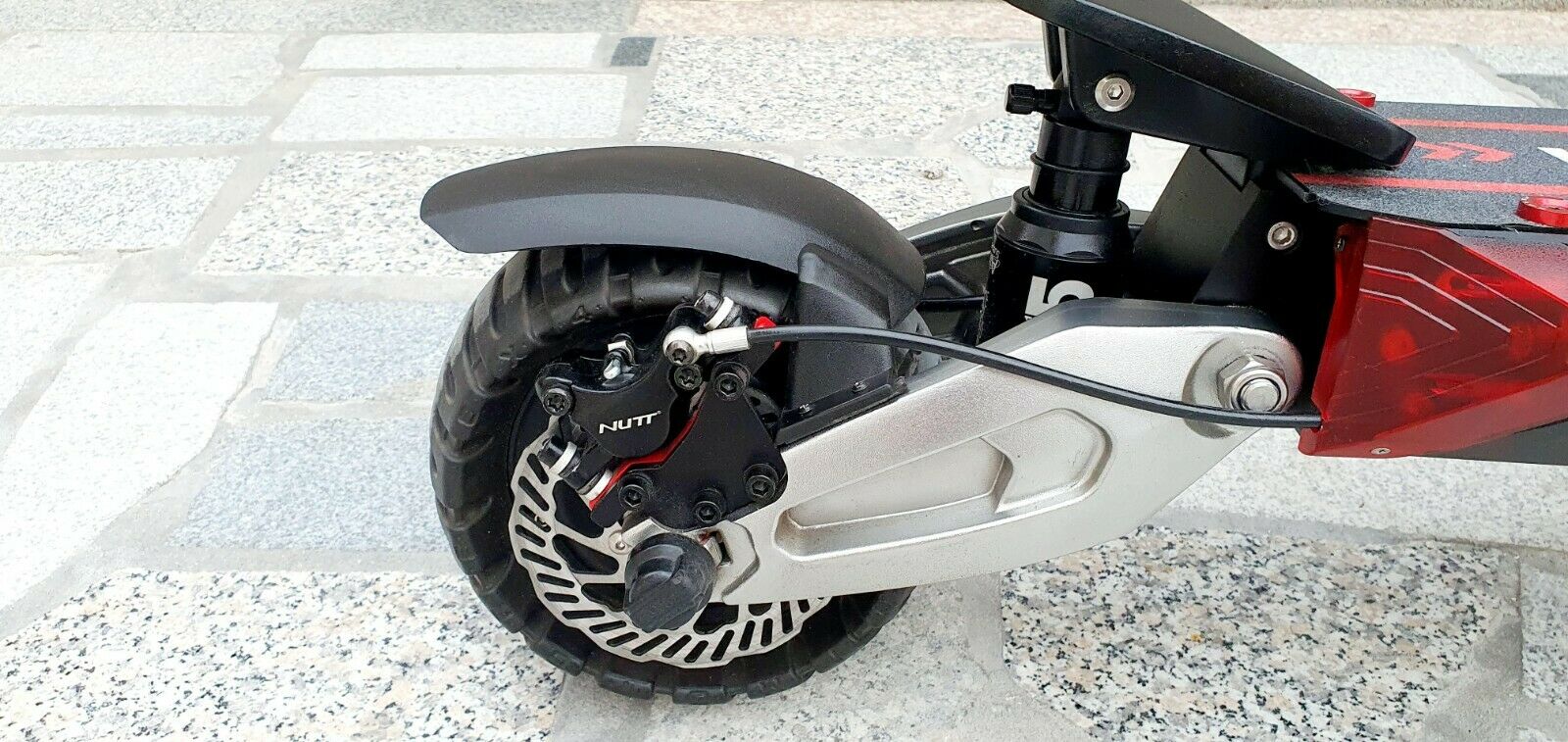
- Start by locating the brake caliper, which is the component that houses the brake pads. It is usually mounted near the wheel or on the handlebar, depending on the scooter model.
- Examine the brake pads for any signs of wear, such as thinning or unevenness. If they are significantly worn down or damaged, they may need to be replaced instead of tightened. Refer to your scooter’s manual for guidance on proper brake pad replacement.
- If the brake pads are still in good condition but have become misaligned, loosen the bolts or screws securing the caliper to the scooter frame using the appropriate tool.
- Position the brake pads so that they are evenly spaced on either side of the wheel rim. Make sure they are aligned with the rim and not rubbing against it. This will ensure optimal braking performance and prevent unnecessary wear.
- Tighten the bolts or screws to secure the caliper in its adjusted position. Be careful not to overtighten, as this can cause the brake pads to rub against the wheel unnecessarily.
Inspecting and adjusting the brake pads is a crucial step in tightening the brakes of your electric scooter. Properly aligned and intact brake pads will contribute to a safer and smoother riding experience. In the next section, we will guide you through adjusting the brake lever tension to further optimize your scooter’s braking system.
Step 2: Adjusting the Brake Lever Tension
Adjusting the brake lever tension is an important step in tightening the brakes of your electric scooter. Follow these steps to adjust the brake lever tension:
- Locate the brake lever on your electric scooter. It is usually mounted on the handlebar, within easy reach of your fingers.
- Identify the adjusting barrel or screw located near the brake lever. This is used to control the tension of the brake cable.
- Using a screwdriver, turn the adjusting barrel or screw clockwise to increase the tension or counterclockwise to decrease the tension, depending on your specific needs.
- Make small adjustments and test the brake lever after each adjustment. The ideal tension should allow you to engage the brakes smoothly and comfortably, with minimal effort required.
- If the brake lever feels too loose even after adjusting the tension, you may need to tighten the brake cable itself. Proceed to the next step for instructions on how to tighten the brake cable.
By adjusting the brake lever tension, you can fine-tune the responsiveness of your electric scooter brakes. Ensure that the brake lever is properly adjusted to provide a comfortable grip and optimal control over the braking system. In the following section, we will guide you through tightening the brake cable to further optimize your scooter’s brake performance.
Step 3: Tightening the Brake Cable
After adjusting the brake lever tension, the next step in tightening the brakes of your electric scooter is to address the brake cable. Follow these steps to tighten the brake cable:
- Locate the brake cable, which runs from the brake lever to the brake caliper.
- Inspect the brake cable for any signs of fraying, kinks, or damage. If the cable is severely damaged, it may need to be replaced.
- Identify the brake cable adjuster, which is typically located near the brake lever or at the brake caliper. This component allows you to tighten or loosen the brake cable.
- If the brake cable adjuster is located near the brake lever, turn it counterclockwise to loosen the cable and clockwise to tighten it. If the adjuster is located at the brake caliper, it may involve a different type of adjustment mechanism.
- Make incremental adjustments to tighten the brake cable. Test the brakes after each adjustment to ensure they engage properly without excessive play or slack.
- Once you have achieved the desired brake cable tension, securely fasten the brake cable adjuster to hold the tightened position in place.
Tightening the brake cable is essential for optimal brake responsiveness. A properly tightened brake cable ensures that the brake pads engage the wheel rim effectively when the brake lever is pressed. In the next section, we will cover testing the functionality of your electric scooter brakes to ensure they have been tightened correctly.
Step 4: Testing the Brake Functionality
Once you have completed the steps to tighten the brakes of your electric scooter, it is crucial to test their functionality before resuming regular riding. Follow these steps to test the brake functionality:
- Find a safe and open area where you can ride your electric scooter without any obstacles or potential hazards.
- Begin riding at a moderate speed, and when you feel comfortable, engage the brake lever to initiate braking.
- Pay close attention to the responsiveness of the brakes. They should engage smoothly and bring the scooter to a complete stop within a reasonable distance.
- If you notice any issues, such as delayed braking or inadequate stopping power, recheck the brake pad alignment, brake lever tension, and brake cable tightness. Make any necessary adjustments as needed.
- Repeat the braking test multiple times to ensure consistent and reliable braking performance. This will give you confidence in the functionality of your electric scooter brakes.
Testing the brake functionality is a crucial step to ensure the effectiveness of the tightened brakes. Regularly check and test your electric scooter brakes to maintain their optimal performance. In the next section, we will discuss additional tips and considerations to keep in mind when tightening the brakes of your electric scooter.
Step 5: Fine-tuning the Brakes
After testing the functionality of your electric scooter brakes, you might find the need for some fine-tuning to ensure their optimal performance. Follow these steps to fine-tune the brakes:
- If you notice any minor issues, such as slight brake squeaking or rubbing, consider applying a small amount of lubricant to the brake pivot points. This will help reduce friction and improve the smoothness of the brake operation.
- While riding, pay attention to the overall feel and responsiveness of the brakes. Make small adjustments to the brake lever tension or cable tightness, if needed, to achieve the desired brake performance.
- Remember to periodically check the brake pads for wear and replace them when necessary. Worn-out brake pads can significantly affect the braking performance and compromise your safety on the scooter.
- Keep an eye on any unusual noises, such as grinding or scraping sounds when using the brakes. These could be signs of misaligned or damaged brake components that may require professional inspection or adjustment.
- If you encounter any difficulties in fine-tuning the brakes or are unsure about the process, it is recommended to consult the owner’s manual of your electric scooter or seek assistance from a professional technician.
Fine-tuning the brakes is an ongoing process that ensures the continued performance and safety of your electric scooter. Regular maintenance and occasional adjustments will help keep your scooter brakes in optimal condition. With properly tightened and fine-tuned brakes, you can confidently enjoy a smooth and secure riding experience.
Additional Tips and Considerations
Tightening the brakes of your electric scooter is an important maintenance task that should be done with care. Here are some additional tips and considerations to keep in mind:
- Regular Maintenance: Make brake tightening a part of your regular maintenance routine. This will help ensure that your scooter’s brakes are always in optimal working condition.
- Inspect All Components: During the brake tightening process, take the opportunity to inspect other brake components, such as the brake cables and calipers, for any signs of damage or wear. Replace any worn-out or damaged parts as needed.
- Follow Manufacturer Guidelines: Always consult the owner’s manual or follow the guidelines provided by the scooter manufacturer for specific instructions on brake tightening. This will help ensure that you are performing the task correctly and safely.
- Seek Professional Help: If you are unfamiliar with the process of tightening the brakes or encounter any difficulties, it is best to seek assistance from a professional technician who can provide expert guidance and ensure the job is done correctly.
- Test Brakes After Adjustments: After making any adjustments or tightening the brakes, conduct a thorough test to ensure that the brakes are functioning as expected. This will give you peace of mind knowing that your scooter is safe to ride.
- Ride Safely: Remember to always ride your electric scooter safely, obey traffic rules, and be aware of your surroundings. Having properly tightened brakes is just one aspect of ensuring a safe ride.
By following these additional tips and considerations, you can maintain the longevity and performance of your electric scooter’s brakes while ensuring your safety on the road. Regular maintenance and attention to detail will go a long way in keeping your electric scooter in optimal condition.