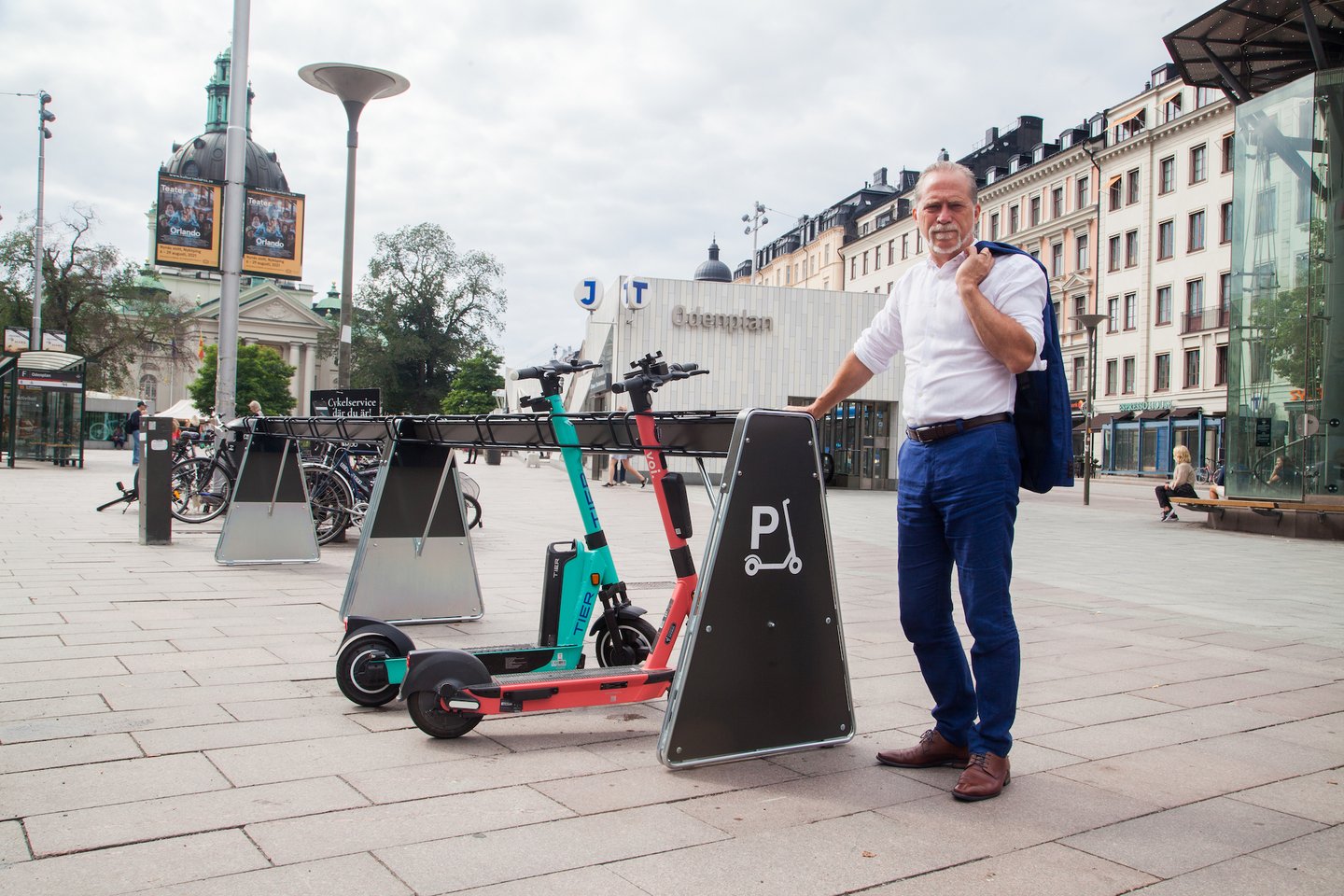
Choosing a Parking Spot
When it comes to parking an electric scooter, choosing the right spot is crucial for both convenience and safety. Here are some factors to consider when selecting a parking spot for your scooter:
- Accessibility: Look for a spot that is easily accessible and allows you to park your scooter without obstructing pedestrian or vehicle traffic. Avoid parking in areas where your scooter may cause inconvenience to others.
- Visibility: Opt for a parking spot that offers good visibility to passersby and potential riders. This not only helps deter potential theft but also promotes the usage of electric scooters as a viable mode of transportation.
- Well-lit areas: Security should be a top priority when parking your electric scooter. Choose a spot that is well-lit, especially if you plan on leaving your scooter unattended for an extended period.
- Protected from the elements: If possible, park your scooter in a spot that provides some level of protection from rain, snow, and direct sunlight. This can help prolong the lifespan of your scooter’s components and ensure a comfortable ride.
- Secure anchor points: Look for secure anchor points such as bike racks or designated scooter parking areas. Attaching your scooter to a fixed object like a sturdy railing or post adds an extra layer of security against theft.
- Proximity to your destination: Consider the distance between your parking spot and your intended destination. Parking closer to your destination saves you time and energy while ensuring convenience.
- Consider local regulations: Before parking your scooter, familiarize yourself with any local regulations or restrictions regarding scooter parking. Some cities may have specific parking zones or guidelines that you need to follow.
By taking these factors into account, you can ensure that you choose a parking spot that is both convenient and safe for your electric scooter. Remember, responsible parking not only benefits you but also helps to maintain a positive image of electric scooters in the community.
Identifying the Valid Parking Areas
When parking your electric scooter, it’s important to identify the valid parking areas to ensure compliance with local rules and regulations. Here are some tips to help you identify where you can park your scooter:
- Designated scooter parking areas: Many cities and towns have designated parking areas specifically marked for scooters. Look for these areas, usually identified by signage or painted markings, and park your scooter accordingly.
- Bike racks: In the absence of designated scooter parking areas, bike racks can serve as suitable alternatives. Make sure to position your scooter in a way that allows enough space for bicycles and doesn’t obstruct other parked vehicles.
- Municipal parking lots: Check whether municipal parking lots allow for scooter parking. Look for any specific signs that permit or restrict scooter parking in these lots, and follow the guidelines accordingly.
- Sidewalks and pathways: In some areas, parking on sidewalks or pathways may be permitted. However, it’s essential to ensure that your scooter does not impede pedestrian flow or create hazards for visually impaired individuals.
- Public transportation stops: If you’re using your electric scooter for commuting and need to park near bus or train stops, verify if scooter parking is allowed in those areas. Some stops may have dedicated parking spots for scooters.
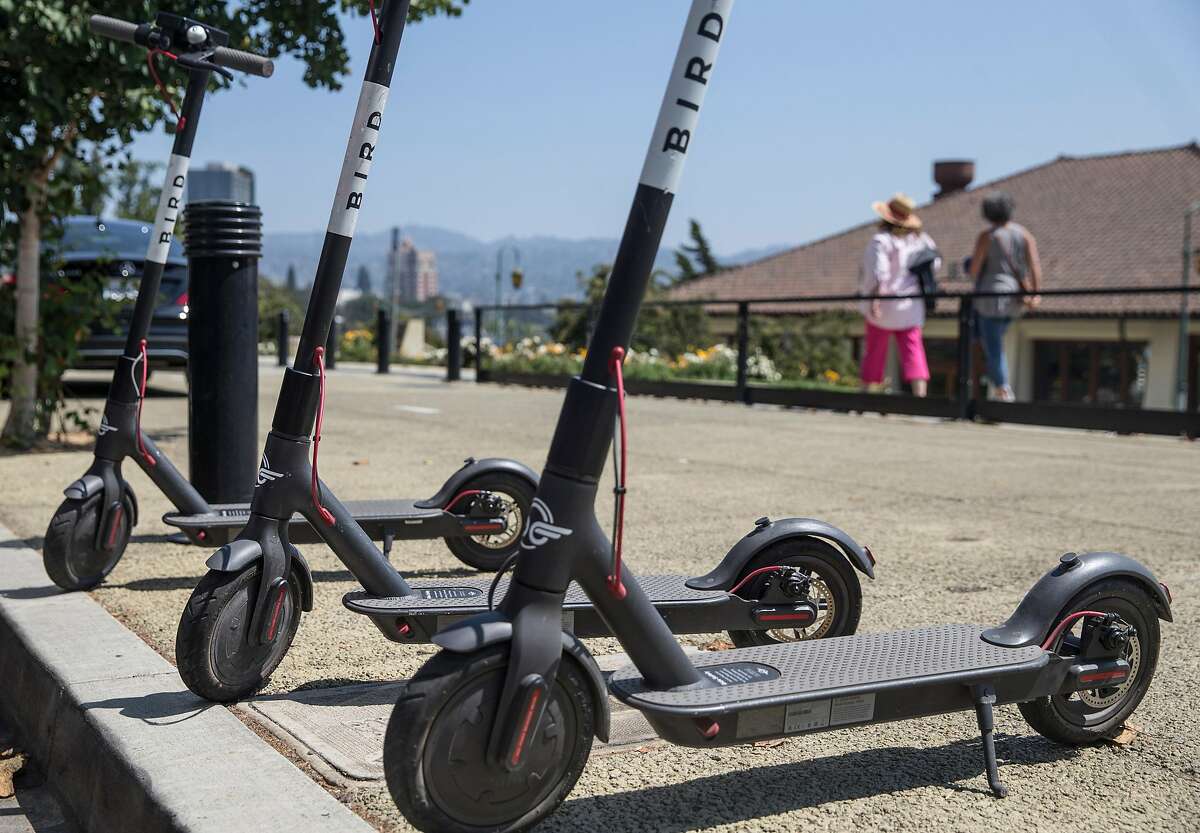
- Shared mobility parking zones: In cities with shared mobility programs, such as scooter-sharing services, there may be designated parking zones for these scooters. If you’re using a shared scooter, make sure to park it within the permitted zones.
Remember, it’s important to be observant and respect the rules set by the local authorities to maintain order and harmony in public spaces. Stay aware of any parking restrictions specific to your location, and always park responsibly to ensure the accessibility and safety of your electric scooter.
Avoiding Restricted Areas
When parking an electric scooter, it’s essential to be aware of and avoid restricted areas. These areas may include places where parking is prohibited or areas that pose safety risks. Here are some tips to help you avoid parking in restricted areas:
- No-parking zones: Be mindful of areas marked as no-parking zones. These could include fire hydrant zones, loading zones, bus stops, crosswalks, or areas with clear signage prohibiting parking.
- Private property: Avoid parking your electric scooter on private property without permission. Respect the property owners’ rights and find appropriate public parking locations instead.
- Emergency access points: Keep clear of emergency access points, such as ambulance bays, hospital entrances, or fire station driveways. These areas need to be accessible at all times for emergency vehicles.
- Pedestrian walkways and ramps: Never park your scooter on pedestrian walkways or ramps designated for wheelchair accessibility. Ensure these areas remain clear for pedestrians and individuals with disabilities.
- Bike lanes: Unless permitted, avoid parking your scooter in designated bike lanes. These lanes are meant for bicycles, and parking in them can disrupt the flow of bike traffic and cause safety concerns.
- Parks and recreational areas: Respect the rules and regulations of parks and recreational areas. Some places may have designated parking areas for scooters, while others may not permit scooter parking at all.
- School and hospital premises: Exercise caution when parking near schools and hospitals. Check for any restrictions or designated parking areas specific to these locations to ensure compliance and safety.
Remember, avoiding restricted areas is not only crucial for your own safety and convenience, but it also helps to maintain order in public spaces. Always be mindful of the rules and regulations set by local authorities and park your electric scooter in designated areas to ensure a positive and responsible experience.
Checking for Parking Signs and Regulations
Before parking your electric scooter, it’s important to carefully check for parking signs and regulations in the area. These signs provide crucial information regarding parking permissions, restrictions, and time limits. Here are some steps to follow when checking for parking signs and regulations:
- Observe posted signs: Look for any signs that specifically mention scooter parking. These signs may include images or symbols indicating whether parking is allowed or prohibited for scooters.
- Read parking regulations: Take the time to read any parking regulations or guidelines provided on signs or in designated parking areas. This will help you understand any specific rules or instructions for parking your electric scooter.
- Check for time limits: Some areas may have time limits for scooter parking. Take note of the allowed duration for parking to avoid violating any time restrictions or incurring penalties.
- Look for paid parking options: In certain areas, you may need to pay for scooter parking. Check for any payment instructions, parking meters, or designated payment apps that may be required to park your scooter legally.
- Understand any special restrictions: Be aware of any special restrictions that may apply to scooter parking. For example, some areas may have specific rules during rush hours, events, or street cleaning days.
- Seek local guidance: If you’re unsure about the parking regulations in a specific area, consider seeking guidance from local authorities or the property owner. They can provide you with clear instructions on where and how to park your electric scooter.
By carefully checking for parking signs and regulations, you can ensure that you park your electric scooter in accordance with the rules and avoid any potential penalties or inconveniences. Remember, being a responsible scooter rider includes being aware of and adhering to the parking regulations set in each area you visit.
Park Close to Other Vehicles
When parking your electric scooter, it’s beneficial to park close to other vehicles. This practice not only helps maximize the use of available parking space but also enhances the security of your scooter. Here are some reasons why parking close to other vehicles is advantageous:
- Increased visibility: Parking your electric scooter near other vehicles makes it more visible to bystanders and potential thieves. This increased visibility can act as a deterrent and discourage unauthorized access or theft.
- Crowd effect: By parking your scooter near other vehicles, you create the illusion of a crowded parking space. Thieves are less likely to target a crowded area as it increases the risk of being detected or identified.
- Added security: When you park close to other vehicles, you benefit from the additional security of having more eyes on your scooter. Other vehicle owners and passersby may notice any suspicious activity and report it, providing an extra layer of protection.
- Shared surveillance: Parking close to other vehicles means you can take advantage of their surveillance systems. Many modern vehicles are equipped with cameras or anti-theft systems that may deter potential thieves.
- Social presence: Parking near other vehicles makes it less likely that your scooter will be isolated, which can make it a target for theft or vandalism. Being in close proximity to other vehicles creates the perception that your scooter is part of a community and less vulnerable to criminal activity.
- Space optimization: By parking close to other vehicles, you contribute to efficient use of parking space. This is particularly relevant in busy areas where parking can be limited. When everyone parks closely together, more scooters can fit in the available space.
While parking close to other vehicles offers numerous benefits, it’s important to be considerate of others’ space. Avoid overcrowding or causing inconvenience to neighboring vehicles. Additionally, always ensure that you follow any specific parking regulations or guidelines provided by local authorities.
By parking your electric scooter close to other vehicles, you not only increase its security but also contribute to a well-organized parking area, benefiting both yourself and the scooter community as a whole.
Secure the Scooter Properly
Securing your electric scooter properly is essential to safeguard it from theft and ensure its safety while it’s parked. Here are some measures you can take to secure your scooter:
- Utilize locks: Invest in high-quality locks such as U-locks, chain locks, or disc locks. These locks can be used to secure your scooter to fixed objects, such as bike racks or sturdy poles, making it difficult for thieves to steal.
- Lock through the frame: When using a lock, make sure to pass it through the frame of your electric scooter rather than just securing the wheel. Locking through the frame provides greater security and prevents thieves from easily detaching the wheel and taking off with your scooter.
- Double-locking: For enhanced security, consider using multiple locks to deter potential thieves. Using a combination of a U-lock and a chain lock, for example, makes it more challenging for thieves to bypass the locks and steal your scooter.
- Visible deterrents: Use visible deterrents such as a steering lock or an alarm system. These not only make it harder for thieves to tamper with your scooter but also act as a visual warning that your scooter is protected.
- Consider GPS trackers: Installing a GPS tracker on your electric scooter can provide an additional layer of security. In the unfortunate event of theft, you can track the location of your scooter and increase the chances of recovery.
- Park in well-lit areas: When parking your scooter, choose well-lit areas that are visible to passersby. Well-lit spots can deter potential thieves and provide a sense of safety for your scooter.
- Be mindful of the surroundings: Assess the surroundings before parking your scooter. Avoid secluded or poorly monitored areas that may increase the risk of theft or vandalism.
- Secure detachable parts: If your electric scooter has detachable parts, such as a battery or display panel, remove them and take them with you. This makes your scooter less appealing to thieves and reduces the risk of theft or damage to these valuable components.
- Register your scooter: Consider registering your electric scooter with the manufacturer or local authorities. This can help in the identification and recovery of your scooter in case of theft.
By taking these security measures and properly securing your electric scooter, you not only protect your investment but also enjoy peace of mind knowing that your scooter is less susceptible to theft. Remember to always lock your scooter securely and be cautious of your surroundings when parking in public spaces.
Using the Kickstand
The kickstand on your electric scooter serves as a convenient and practical tool for parking and storing your scooter when not in use. Here are some essential tips for using the kickstand effectively:
- Stability: Before using the kickstand, ensure that the ground is level and stable. Parking on uneven or unstable surfaces may cause your scooter to tip over, resulting in damage or potential injury.
- Proper positioning: Position your scooter perpendicular to the ground when engaging the kickstand. This ensures optimal stability and prevents the scooter from rolling or falling over while parked.
- Engage the kickstand securely: When deploying the kickstand, make sure it is fully engaged and locked in place. A properly engaged kickstand provides reliable support and prevents your scooter from toppling over.
- Use the kickstand on solid ground: Avoid using the kickstand on soft or unstable surfaces such as grass, sand, or loose gravel. Use a solid surface like asphalt or concrete to ensure that the kickstand can securely hold the weight of your scooter.
- Position away from foot traffic: When parking your scooter using the kickstand, position it away from foot traffic areas to minimize the risk of accidentally tripping someone or causing obstruction.
- Be mindful of wind: If you anticipate strong winds, consider parking your scooter in a sheltered area or securing it further with additional measures such as a lock or tether. This helps prevent your scooter from being blown over, potentially causing damage.
- Inspect the kickstand regularly: Check the kickstand on a regular basis to ensure it is in good working condition. Look for any signs of damage, rust, or wear and tear. If you notice any issues, have the kickstand repaired or replaced to maintain its functionality and reliability.
- Practice good parking etiquette: When using the kickstand, be considerate of others and park your scooter in designated areas whenever possible. Avoid obstructing pathways, entrances, or parking spaces designated for vehicles.
By following these tips and using the kickstand correctly, you can ensure the stability and safety of your electric scooter while it is parked. Taking a moment to properly engage the kickstand and choosing suitable parking locations will not only protect your scooter from damage but also contribute to a more orderly and efficient use of public spaces.
Parking on Inclines
Parking an electric scooter on inclines requires extra caution and attention to ensure safety and prevent accidents. Here are some important tips for parking your scooter on inclines:
- Choose a level area: Whenever possible, try to find a level area to park your scooter. Flat surfaces provide the most stability and minimize the risk of your scooter rolling or tipping over.
- Position your scooter sideways: If you must park on an incline, position your scooter sideways to the slope rather than parallel to it. This helps distribute the weight more evenly and reduces the chance of your scooter rolling downhill uncontrollably.
- Engage the kickstand securely: Ensure that the kickstand is securely engaged on stable ground. Check that it is properly locked in place to support the weight of the scooter and prevent it from toppling over.
- Turn the front wheel towards the curb: If you are parking on a slope with a curb, turn the front wheel of your scooter towards the curb. This acts as an additional safety measure, preventing your scooter from rolling downhill.
- Apply the brakes: Before dismounting your scooter, engage the brakes to prevent it from rolling. This is especially important when parking on inclines, as the slope can create unintended movement if the brakes are not applied.
- Use additional security measures: Consider using additional security measures, such as a lock or tether, to further secure your scooter when parked on an incline. This provides added peace of mind against potential theft or accidental movement.
- Be cautious when mounting and dismounting: Exercise caution when getting on and off your scooter on inclines. Ensure that you have a firm footing and a secure grip on the scooter to maintain balance and stability.
- Check for local regulations: In some areas, there may be specific regulations or guidelines for parking on inclines. Familiarize yourself with any local rules or restrictions to ensure compliance and avoid any potential fines or penalties.
Remember, parking on inclines requires extra attention to ensure the safety of your electric scooter and those around you. Taking the time to find a level area or following the recommended tips for parking on inclines helps prevent accidents and maintains the integrity of your scooter.
Avoiding Obstructing Pedestrians or Traffic
When parking your electric scooter, it is crucial to be mindful of not obstructing pedestrians or traffic. Proper parking etiquette ensures the safety and convenience of everyone in the vicinity. Here are some important considerations to keep in mind:
- Choose designated parking areas: Whenever possible, park your scooter in designated parking areas specifically allocated for scooters or bicycles. This helps keep the sidewalks and walkways clear for pedestrians, ensuring their safe passage.
- Avoid blocking doorways or entrances: Ensure that your scooter is not parked in a way that blocks doorways, entrances, or exits. This includes avoiding parking in front of buildings, shops, or residential doorways.
- Giving space to pedestrians: When parking on a sidewalk, be considerate of pedestrians’ space. Leave ample room for pedestrians to comfortably walk by without obstruction, especially for those with strollers, wheelchairs, or mobility aids.
- Keep a safe distance from crosswalks: Avoid parking electric scooters too close to crosswalks. Leave enough space so that pedestrians can safely cross the street without any interference.
- Do not block driveways or loading zones: Be mindful not to park your scooter in front of driveways, loading zones, or areas designated for pick-ups and drop-offs. Blocking these areas can disrupt traffic flow and inconvenience others.
- Avoid obstructing sightlines: Ensure that your scooter is not parked in a way that obstructs drivers’ sightlines. Park far enough from intersections, bends, or corners to maintain visibility for motorists and cyclists.
- Do not park in bicycle lanes: Avoid parking your electric scooter in dedicated bicycle lanes. These lanes are specifically designated for bicycles and should be kept clear for their safe and unobstructed passage.
- Stay aware of local regulations: Different cities may have specific rules regarding scooter parking. Familiarize yourself with the local regulations to ensure your parking complies with the specific guidelines provided by the local authorities.
By following these guidelines and being considerate of pedestrians and traffic, you contribute to a safer and more harmonious environment for everyone. Remember, responsible parking ensures that electric scooters can be enjoyed by all while minimizing any inconvenience or hazards to pedestrians or motorists.
Being Mindful of Parking Time Limits
When parking your electric scooter, it is important to be mindful of any parking time limits that may be in place. Adhering to these time limits ensures fairness and allows others to use the available parking spots. Here are some tips for being mindful of parking time limits:
- Read signage carefully: Pay close attention to any parking signs or meter instructions that indicate the allowed parking duration. These signs may specify the time limit and the consequences of exceeding it.
- Set a reminder: If you anticipate exceeding the parking time limit, set a reminder for yourself. Use a phone alarm or timer to ensure you return to your scooter within the specified time frame.
- Consider alternative parking options: If you know that your intended stay will exceed the time limit, consider seeking alternative parking options. Look for long-term parking areas or garages that offer extended parking durations.
- Utilize parking apps: Some cities have parking apps that allow you to pay for parking and receive notifications about the remaining time on your parking session. Utilize these apps to stay informed and avoid exceeding the time limit.
- Respect rotation policies: In areas with high demand for parking, there may be rotation policies in place. Follow these policies and avoid overstaying your parking time to allow others to access the parking spot.
- Avoid parking in time-restricted zones: Be cautious of parking in areas where there are strict time restrictions. Some zones may have limited parking hours or time restrictions during peak traffic periods.
- Be aware of enforcement times: Understand the enforcement times for parking in your area. Some cities have specific times when parking restrictions and monitoring are more actively enforced.
- Check for updates: Stay informed about any changes to parking time limits in your area. Local regulations may undergo revisions, and it is your responsibility to comply with updated guidelines.
By being mindful of parking time limits, you contribute to a fair and efficient use of parking spaces for all users. Respect the regulations, set reminders for yourself, and explore alternative parking options when needed to ensure you comply with the specified time limits.
Parking Considerations in Bad Weather
When parking your electric scooter in bad weather conditions, it is important to take additional precautions to protect your scooter from damage and ensure its safety. Here are some important parking considerations to keep in mind during inclement weather:
- Sheltered parking: Whenever possible, try to find a sheltered parking area to protect your electric scooter from rain, snow, or direct sunlight. Look for covered parking structures, carports, or designated scooter parking areas that offer protection from the elements.
- Avoid standing water: Be cautious of parking your scooter in areas with standing water, as it can damage electrical components and lead to malfunctions. If you must park on wet ground, choose the driest spot available and ensure your scooter is positioned securely.
- Utilize scooter covers: Invest in a waterproof scooter cover to protect your electric scooter from rain, snow, or hail. A cover helps to prevent moisture from reaching sensitive components and reduces the risk of corrosion or water damage.
- Check for drainage: If you are parking in an outdoor area, check for proper drainage to avoid potential flooding. Parking in areas prone to flooding can damage your scooter and make it difficult to retrieve later.
- Take precautions in high winds: If strong winds are expected, park your electric scooter in a sheltered location away from tall structures that can act as wind tunnels. Secure your scooter with additional measures such as a lock or tether to prevent it from being blown over.
- Avoid extreme temperatures: Extreme heat or cold can have adverse effects on the battery and other components of your electric scooter. Avoid parking in direct sunlight for extended periods in hot weather or in extremely cold conditions to prolong the lifespan of your scooter.
- Check for icy conditions: When parking in winter, be cautious of icy conditions. Choose parking spots that have been cleared or treated to minimize the risk of slipping or sliding when parking or retrieving your scooter.
- Regularly maintain your scooter: In challenging weather conditions, it is crucial to regularly maintain your electric scooter. Clean off any debris, dry off any moisture, and inspect your scooter for any signs of damage that may have occurred while parked in bad weather.
By considering these parking tips in bad weather, you can protect your electric scooter from potential damage, ensure its functionality, and extend its overall lifespan. Be proactive in finding suitable sheltered areas, utilize covers, and prioritize the safety and well-being of your scooter in adverse weather conditions.
Removing Personal Belongings from the Scooter
Before parking your electric scooter, it is important to remove any personal belongings from it. Keeping personal items on the scooter while parked can expose them to theft or damage. Here are some reasons why you should remove personal belongings:
- Prevent theft: Leaving personal belongings on the scooter, such as bags, electronics, or valuables, increases the risk of theft. Removing them reduces the temptation for potential thieves and keeps your belongings safe.
- Protect from damage: Extreme weather conditions, such as rain, snow, or direct sunlight, can damage personal items left on the scooter. Removing them ensures that your belongings remain dry and protected from the elements.
- Avoid loss or misplacement: When you leave personal items on the scooter, there is a higher likelihood of misplacing or losing them. By taking everything with you, you minimize the risk of losing important or valuable belongings.
- Promote scooter safety: Removing personal items from the scooter helps maintain a clutter-free and safe environment. Loose items can interfere with the scooter’s controls, obstruct lights, or even cause accidents if they were to fall during operation.
- Encourage responsible scooter usage: Taking personal belongings with you signals responsible scooter usage. It sets a positive example for others and helps promote a sense of community and shared responsibility among scooter riders.
- Reduce liability: In the event of an accident or damage caused by the scooter, having personal belongings on it could potentially complicate insurance or liability claims. Removing personal items avoids any unnecessary complications or disputes.
- Minimize wear and tear: Constantly leaving personal belongings on the scooter can contribute to wear and tear, especially if they are not securely attached. Removing them reduces unnecessary strain on the scooter’s storage compartments or attachment areas.
- Ensure privacy and confidentiality: If your personal belongings contain sensitive or confidential information, it’s best to secure them with you to maintain privacy and prevent any potential breach of personal data.
By developing a habit of removing personal belongings from your electric scooter while parking, you protect your valuables, minimize the risk of theft or damage, and promote responsible scooter use. Remember, taking a few extra moments to gather your belongings ensures a worry-free and hassle-free experience.
Tips for Parking in Crowded Areas
Parking an electric scooter in crowded areas can be challenging, but with some strategic considerations and tips, you can find a suitable parking spot and ensure a seamless experience. Here are some helpful tips for parking in crowded areas:
- Be patient and observant: Take your time to find a suitable parking spot in crowded areas. Be patient and observe your surroundings for any available spaces or designated scooter parking areas.
- Utilize alternative parking options: If the immediate area is congested, consider nearby streets, parking garages, or public transportation stops as alternative parking options. These locations may offer more space or designated scooter parking areas.
- Follow local regulations: Familiarize yourself with local parking regulations and guidelines specific to crowded areas. Pay attention to any signs or markings that indicate designated scooter parking spots or restrictions.
- Share parking spaces: When parking in crowded areas, consider sharing parking spaces with other scooters or bicycles. Park your scooter in a way that maximizes the use of available space without obstructing others.
- Stack scooters vertically: In areas with limited horizontal space, consider utilizing vertical parking options, such as scooter racks or designated areas with hooks for hanging scooters. This can help optimize space and accommodate more scooters in crowded areas.
- Seek out scooter-friendly businesses: Some businesses in crowded areas may offer dedicated scooter parking or be more accommodating to scooter riders. Look for establishments that have designated parking areas specifically for scooters.
- Be considerate of pedestrians: Ensure that your parked scooter does not obstruct pedestrian pathways or create hazards for pedestrians. Leave enough space for people to pass by comfortably and safely.
- Use locking mechanisms: In crowded areas, secure your scooter with a lock or tether to prevent theft or unauthorized use. This adds an extra layer of security when parking in areas with high foot traffic.
- Return your scooter responsibly: If you’re using a shared electric scooter, make sure to park it within designated areas specified by the service provider. Follow any specific guidelines provided on the scooter-sharing app or website.
- Respect parking time limits: In crowded areas, it is especially important to respect parking time limits to allow others to have the opportunity to use the available parking spaces. Set a reminder to avoid overstaying your allocated time.
By applying these tips, you can navigate crowded areas more efficiently and find suitable parking for your electric scooter. Remember to be courteous, follow local regulations, and be considerate of others around you to ensure a positive experience for everyone.
Parking Etiquette for Shared Electric Scooters
As a user of shared electric scooters, it is essential to follow proper parking etiquette to ensure the smooth operation of the scooter-sharing service and the convenience of other riders. Here are some guidelines to help you practice good parking etiquette:
- Park in designated areas: Whenever possible, park shared electric scooters in designated parking zones or areas specified by the scooter-sharing service. These areas are typically marked on the app or designated with signage.
- Avoid blocking paths: Ensure that your parked scooter does not obstruct pathways, sidewalks, ramps, or access points for pedestrians, individuals with disabilities, or emergency services. Leave ample space for easy passage.
- Do not obstruct traffic: Avoid parking shared scooters in locations that impede vehicle traffic, block driveways, or create hazards for motorists. Park in areas where the scooter does not interfere with the flow of traffic.
- Secure scooters properly: When parking a shared electric scooter, engage the kickstand securely and position the scooter upright. Ensure that the scooter is stable and won’t accidentally tip over, causing damage or injury.
- Respect private property: Avoid parking shared scooters on private property without permission. Respect the rights of property owners and find suitable public parking spaces instead.
- Be mindful of pedestrian flow: Park shared scooters in a way that allows for smooth pedestrian flow. Consider the volume of foot traffic and position the scooter away from crowded areas or narrow pathways.
- Use docking stations when available: If a scooter-sharing service provides docking stations, make an effort to return the scooter to a station after use. This helps ensure that the scooter is properly parked and readily available for the next user.
- Report damaged or improperly parked scooters: If you come across a shared scooter that is damaged, obstructively parked, or in need of maintenance, report the issue to the scooter-sharing service promptly. This helps maintain the overall quality and usability of the shared scooter fleet.
- Do not monopolize scooters: Avoid parking shared scooters in areas where they are less likely to be used, such as in front of your home or workplace for extended periods. Allow others to have access to the scooters and maximize their availability within the community.
- Follow local regulations: Familiarize yourself with any local regulations or guidelines specific to shared electric scooters in your area. Stay updated on any changes to the rules and ensure that your parking practices align with the established guidelines.
By adhering to these parking etiquette guidelines, you contribute to a positive experience for all users of shared electric scooters. Respect for others and responsible parking practices help promote the sustainability and accessibility of scooter-sharing services, allowing everyone to enjoy the benefits of this convenient mode of transportation.