What is an Electronic Press Kit?
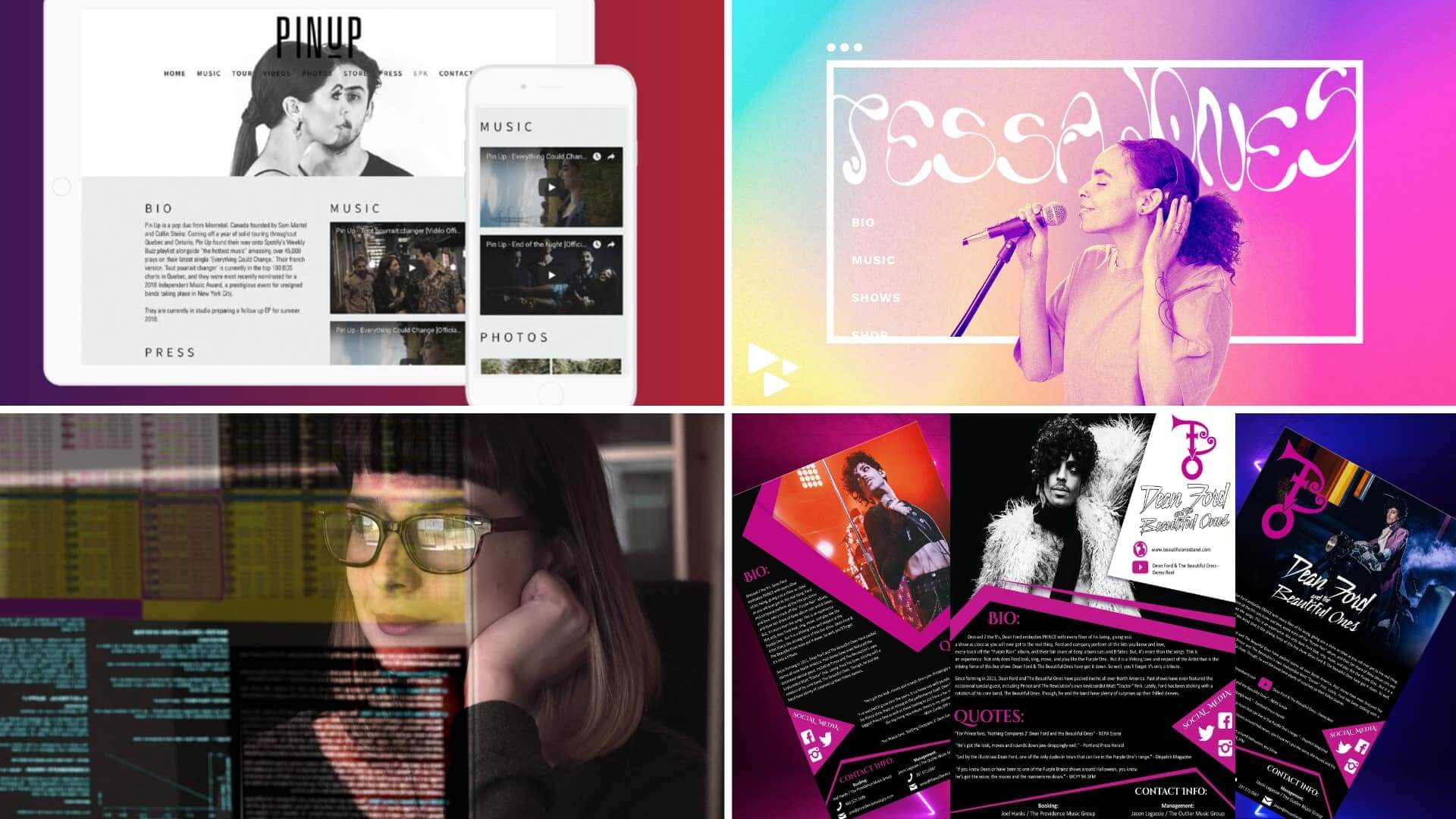
An electronic press kit (EPK) is a digital package that provides comprehensive information about a person, company, or event. It serves as a promotional tool used primarily in the entertainment industry to showcase an artist’s work, or in the business world to highlight a company’s achievements and capabilities. It is a modern version of the traditional press kit, but instead of physical documents and materials, an EPK is typically created in a digital format, such as a website or a downloadable file.
An EPK acts as a one-stop resource for journalists, bloggers, event organizers, and other media professionals who may require information about an individual or organization. It provides them with easy access to relevant materials like biographies, photos, press releases, music or video samples, and any additional media coverage and testimonials.
The primary objective of an EPK is to create a professional and polished presentation of the individual or organization’s story, background, and accomplishments. It is intended to generate interest, capture attention, and make it easier for media representatives to gather the necessary information to feature the artist, company, or event in their publications or programs.
In the digital age, an EPK offers numerous advantages over its traditional counterpart. It allows for easy distribution through email or online sharing platforms, eliminating the need for physical copies or postage. It can also be updated quickly to reflect new achievements, releases, or relevant news. Additionally, an EPK can include multimedia elements such as music and video samples, adding a dynamic and interactive element to the presentation.
Overall, an electronic press kit is an essential marketing tool for individuals, businesses, and events looking to establish their presence in the media. It provides a professional and convenient way to showcase their work, communicate their story, and attract the attention of influential voices in the industry.
Why Do You Need an Electronic Press Kit?
An electronic press kit (EPK) is an indispensable tool for individuals, businesses, and events seeking to garner attention and media coverage. Here are some key reasons why you need an EPK:
1. Professional Presentation: An EPK offers a polished and cohesive way to present your story, achievements, and offerings to the media. It showcases your brand in a visually appealing and well-organized manner, leaving a positive impression on journalists, bloggers, and industry influencers.
2. Convenience and Accessibility: With an EPK, you provide journalists and media professionals with immediate access to all the information they need. Unlike physical press kits, which can be time-consuming to assemble and mail, an EPK can be easily shared through email, uploaded to your website, or distributed via download links.
3. Efficient Media Coverage: Media outlets receive numerous pitches and press releases daily. Having an EPK that encompasses all relevant materials and media assets increases the likelihood of your story being picked up. It enables journalists to quickly and easily gather the necessary information to write a feature or conduct an interview.
4. Consistency and Control: An EPK ensures that your message is consistent and aligned with your branding. You have control over the content and how it is presented, allowing you to highlight the most important aspects of your story or offerings.
5. Time and Cost Savings: Creating and distributing an EPK electronically eliminates the need for printing physical copies, gathering materials individually for each press kit, or paying for postage. It saves you time, money, and effort, while still providing a professional and comprehensive representation of your brand.
6. Broad Reach: An EPK can be accessed globally, allowing journalists and media professionals from different locations to easily discover and learn about your brand. This expands your potential reach and increases the likelihood of gaining exposure in various markets.
7. Artistic or Product Representation: For artists, musicians, and creators, an EPK offers a platform to showcase their talent, style, and portfolio. It allows influencers, industry professionals, and event organizers to easily evaluate your work and potentially book you for performances, collaborations, or engagements.
Overall, having an electronic press kit is crucial for establishing your presence in the media, attracting media coverage, and effectively communicating your story or offerings. It provides a convenient and professional package that allows journalists and media professionals to quickly access the information they need to promote and feature you.
What Should Your Electronic Press Kit Include?
An electronic press kit (EPK) should contain essential elements that provide a comprehensive overview of your brand, making it easy for media professionals to gather the necessary information. Here are some key components to include:
1. Bio and Background: Include a well-crafted biography or company profile that highlights your story, accomplishments, and unique selling points. This section should provide a snapshot of who you are or what your brand represents.
2. Photos and Visuals: Include high-quality, professional images that showcase your brand, products, or performances. These visuals should captivate attention and reflect the essence of your brand’s identity.
3. Press Releases and News Coverage: Provide press releases about your latest news, events, product launches, or major achievements. Include any notable media coverage or features you have received in reputable publications or platforms.
4. Music or Video Samples: For artists, musicians, or performers, include music tracks, video clips, or showreels that demonstrate your talent. This allows media professionals to experience your work and assess its quality and appeal.
5. Quotes and Testimonials: Include quotes or testimonials from satisfied customers, industry experts, or influential figures who have endorsed your brand or work. These endorsements lend credibility and help establish your reputation.
6. Past Performances or Portfolio: For artists, include a list of past performances, exhibitions, or projects you have undertaken. This showcases your experience and demonstrates your versatility and professionalism.
7. Contact Information: Make it easy for media professionals to get in touch with you. Include your contact details, such as email address, phone number, and social media handles.
8. Social Media Links: Provide links to your official social media profiles, allowing media professionals to explore and connect with your online presence. This enables them to gain a deeper understanding of your brand’s engagement with the audience.
9. Accolades and Awards: If applicable, include a section that highlights any industry awards, recognition, or accolades you have received. This helps establish your credibility and expertise in your respective field.
10. Upcoming Events or Releases: Include a section that outlines your upcoming events, releases, or projects. This gives media professionals a glimpse into your future plans and provides an opportunity for them to cover or take part in your upcoming activities.
Remember, the goal of your EPK is to provide a concise and visually appealing package that conveys the essence of your brand and showcases your accomplishments. Continually update and refine your EPK to ensure it accurately represents your current objectives and achievements.
Gathering and Preparing Your Materials
Before you start creating your electronic press kit (EPK), it’s essential to gather and prepare all the necessary materials. Here are some steps to help you effectively collect and organize your EPK materials:
1. Compile Relevant Information: Begin by gathering all the relevant information about your brand, company, or event. This includes your biography, company history, mission statement, and any notable achievements or milestones. Make sure to include accurate and up-to-date information.
2. Collect Professional Photos: High-quality, professional photos are crucial for making a strong visual impact in your EPK. Collect a variety of photos that showcase your brand, products, or performances. Ensure the images are well-lit, properly framed, and truly represent your brand’s aesthetic and identity.
3. Write Compelling Press Releases: Craft well-written press releases that convey your latest news, events, or product launches. These should be engaging, concise, and highlight the unique aspects of your brand. Make sure to include relevant details, such as dates, locations, and key messages.
4. Curate Music and Video Samples: If you’re an artist or musician, select your best music tracks, video clips, or showreels that exemplify your talent and style. Choose pieces that showcase your versatility and capture the attention of media professionals.
5. Seek Testimonials and Press Coverage: Request testimonials from satisfied customers, industry experts, or influencers who have worked with you or experienced your brand. Additionally, gather any press coverage or features you have received from reputable media outlets. These endorsements and media mentions will enhance your credibility.
6. Design Your Layout: Consider the layout and design of your EPK to ensure it is visually appealing and well-organized. Use appropriate fonts, colors, and branding elements that align with your overall brand identity. A clean and professional design will make your EPK easy to navigate and aesthetically pleasing.
7. Create a Folder Structure: Organize your EPK materials into specific folders on your computer or cloud storage platform. This will help you easily access and update the materials whenever necessary. Use a consistent naming convention for your files to stay organized.
8. Consider File Formats: Be mindful of the file formats you use for your EPK materials. JPEG or PNG file formats are commonly used for photos, while PDFs are often used for documents and press releases. Ensure that your files are high-resolution and can be easily opened and shared by media professionals.
9. Proofread and Edit: Before finalizing your EPK, carefully proofread and edit all the content to ensure it is free of errors and grammatical mistakes. Ensure that your information is accurate, consistent, and reflective of your brand’s voice and tone.
10. Review and Update Regularly: Your EPK should be a living document that evolves alongside your brand. Regularly review and update your EPK with new achievements, releases, or testimonials to keep it current and impactful.
By gathering and preparing your EPK materials in a systematic way, you can create a compelling and professional electronic press kit that effectively showcases your brand’s story and achievements.
Writing a Biography
A well-written biography is a crucial component of your electronic press kit (EPK) as it provides a snapshot of your story, accomplishments, and unique value proposition. Here are some key considerations to keep in mind when writing your biography:
1. Be Concise: Your biography should be brief yet impactful. Aim for a length of around 150-250 words, capturing the most important aspects of your background and achievements. Avoid excessive details or rambling narratives.
2. Focus on Relevance: Highlight the experiences, skills, and achievements that are most relevant to your brand, profession, or industry. Emphasize those aspects that distinguish you from others in your field.
3. Start with an Engaging Hook: Begin your biography with a compelling opening sentence or paragraph that grabs the reader’s attention. This could be an interesting fact, a significant achievement, or a unique aspect of your background.
4. Showcase Your Brand’s Personality: Your biography should reflect the personality and spirit of your brand. Use language and tone that align with your brand identity, whether it’s professional, quirky, or authoritative.
5. Highlight Achievements and Milestones: Include notable achievements, awards, and milestones that demonstrate your expertise and credibility. These can be professional accomplishments, significant contributions to your field, or key projects you have successfully completed.
6. Include Relevant Background Information: Provide a brief overview of your educational background, training, or qualifications that are pertinent to your profession or industry. However, focus on the specifics that are most relevant to your current work.
7. Show Your Passion and Values: Communicate your enthusiasm and genuine passion for what you do. Share your values and motivations that drive your work, helping readers connect with your mission and purpose.
8. Add a Personal Touch: While maintaining a professional tone, inject some personal details that humanize your biography. This can be a hobby, an interesting anecdote, or a unique personal perspective that sets you apart.
9. Consider Third-Person Point of View: Biographies are often written in the third person, giving them a more objective and professional tone. However, if your brand’s voice necessitates a first-person perspective, tailor your biography accordingly.
10. Proofread and Edit: Before finalizing your biography, thoroughly proofread and edit the content to ensure it is free from grammatical errors or typos. A well-polished biography reflects positively on your professionalism.
Remember, your biography is a snapshot of your brand and your unique story. Craft it in a way that captivates readers, showcases your accomplishments, and effectively conveys your expertise and value to the audience.
Selecting Professional Photos
When creating your electronic press kit (EPK), selecting professional photos is crucial for making a strong visual impact and effectively representing your brand. Here are some key considerations to keep in mind when choosing the right photos for your EPK:
1. Showcase Professionalism: Select photos that exude professionalism and reflect the image you want to portray. Avoid amateur or low-quality images, as they may undermine the perception of your brand’s credibility and expertise.
2. High-Quality and High-Resolution: Opt for high-resolution photos that are clear, sharp, and visually appealing. High-quality images not only showcase your brand in the best possible light but also demonstrate attention to detail and professionalism.
3. Consistency with Brand Identity: Ensure that the selected photos align with your brand’s identity, style, and aesthetic. Choose images that reflect the values, tone, and personality of your brand, allowing viewers to make a visual connection between the photos and your overall brand image.
4. Show Diversity: If applicable, include a variety of photos that demonstrate the different aspects of your brand. This could include photos of your team, your products, your performances, or any other relevant visual representations. Showcasing diversity helps create a well-rounded and comprehensive portrayal of your brand.
5. Focus on Key Messages: Consider the key messages or themes you want to convey through your photos and select images that align with these messages. For example, if you want to highlight creativity, choose photos that showcase innovative or artistic elements.
6. Avoid Overused Stock Photos: If possible, try to avoid selecting overused stock photos that may appear generic or impersonal. Choose unique and original images that create a memorable impression and make your EPK stand out from the crowd.
7. Obtain Proper Permissions: If you plan to use photos taken by professional photographers or from other sources, ensure that you have obtained the necessary permissions or licenses to use those images in your EPK. Respect copyright laws and always credit the photographers or sources appropriately.
8. Consider Different Formats: Depending on the purpose of your EPK, you may need to select photos in a variety of formats. For digital EPKs, choose both landscape and portrait-oriented images, ensuring they are optimized for different screen sizes and resolutions.
9. Keep Your Audience in Mind: Consider the preferences and expectations of your target audience when selecting photos. Understand what visuals your audience is likely to resonate with and choose images that will captivate and engage them.
10. Regularly Update: As your brand evolves and you have new images available, regularly update your EPK with fresh photos to keep it current and relevant. This shows that your brand is dynamic and actively growing.
Remember, professional photos play a vital role in creating a positive and lasting impression. Invest time and effort in selecting images that accurately represent your brand, captivate viewers, and leave a lasting impact.
Writing a Press Release
A well-crafted press release is an essential component of your electronic press kit (EPK) and serves as a powerful tool to communicate important news, events, or announcements to the media and the public. Here are some key guidelines for writing an effective press release:
1. Clear and Concise Headline: Begin with a clear and attention-grabbing headline that succinctly conveys the main point of your press release. Make sure it is informative, engaging, and captures the essence of your news or announcement.
2. Write an Engaging Introduction: In the first paragraph, provide a compelling introduction that summarizes the key details of your news. Answer the important questions of who, what, when, where, and why to quickly establish the significance of your announcement.
3. Highlight Key Information: In the subsequent paragraphs, expand upon the details of your news, event, or announcement. Include important facts, statistics, quotes, and relevant information that support your message and provide context to the reader.
4. Use Clear and Concise Language: Write in a clear, concise, and informative manner. Avoid jargon, technical language, or excessive industry-specific terms that may confuse or alienate readers. Keep your sentences and paragraphs short and focused.
5. Include Quotes: Incorporate quotes from key individuals involved in the news or event. Quotes add credibility, provide a human perspective, and help capture the attention of readers. Make sure the quotes are relevant and add value to the press release.
6. Provide Supporting Details: Include any relevant background information, such as the history of your company, previous achievements, or industry trends that contextualize the news. This helps provide a more comprehensive understanding of your announcement.
7. Include Contact Information: Clearly state your contact information at the end of the press release, including a contact name, email address, phone number, and any relevant social media handles. This allows media professionals to easily follow up with any inquiries or interview requests.
8. Add a Boilerplate: A boilerplate is a short paragraph that provides an overview of your company or organization. Place it at the end of the press release to provide additional information about your brand, vision, and values.
9. Edit and Proofread: Review your press release multiple times to ensure it is free of errors, typos, or inconsistencies. Proofread for grammar, punctuation, and spelling errors, and have a fresh pair of eyes review it as well.
10. Follow Press Release Formatting: Use a standard press release format, including a clear headline, dateline, body text, and contact information. Format your press release in a way that makes it easy to read and skim through.
Remember, a well-written press release can effectively communicate your news, event, or announcement to the media and the public. Craft it in a concise, informative, and engaging manner to maximize its impact and increase the chances of media coverage.
Adding Music and Videos
Adding music and videos to your electronic press kit (EPK) can greatly enhance its impact and provide a dynamic and immersive experience for media professionals. Here are some key considerations when incorporating music and videos into your EPK:
1. Choose High-Quality Media: Select music tracks and videos that are of high quality and professionally produced. Opt for clear audio, sharp visuals, and well-edited content to ensure a polished and impressive presentation.
2. Showcase Your Talent and Style: Use music and videos to showcase your talent, expertise, or performances. Highlight your unique style and creative vision to captivate the audience and leave a lasting impression.
3. Keep It Concise and Engaging: When adding videos to your EPK, ensure they are concise and engaging. Aim for shorter clips that effectively capture the essence of your work and leave the viewer wanting more.
4. Include a Variety of Media: Incorporate a mix of music tracks and videos that represent the different facets of your brand or artistic repertoire. This allows media professionals to gain a comprehensive understanding of your abilities and versatility.
5. Ensure Rights and Permissions: If you use copyrighted music or footage from other artists or sources, make sure you have the necessary rights and permissions to include them in your EPK. Alternatively, consider using original content to showcase your creativity and avoid any legal issues.
6. Highlight Collaborations and Achievements: If you have collaborated with other artists or been part of significant projects or performances, include videos that showcase these collaborations. This can add credibility and create further interest from media professionals.
7. Feature Music Samples: Include a selection of music samples that exemplify your style and capabilities. Choose tracks that represent the range of your work, demonstrating versatility and expertise in different genres or styles.
8. Embed Videos or Provide Download Links: When adding videos to your EPK, consider embedding them directly into the EPK platform or providing download links for media professionals to access the files. Ensure that the videos are easily accessible and compatible with various devices and platforms.
9. Consider Streaming Services: If you are a musician or artist, consider including links to popular streaming services such as Spotify, Apple Music, or SoundCloud. This allows media professionals to listen to your full-length tracks or albums and explore your work in more depth.
10. Regularly Update and Refresh: Keep your music and video content up to date by regularly adding new releases, performances, or collaborations. This shows that you are active and continuously producing quality content.
By incorporating music and videos into your EPK, you provide a compelling and immersive experience for media professionals. Choose high-quality and diverse media that effectively represents your brand and talent, leaving a lasting impression on those who showcase your work.
Including Testimonials and Press Coverage
Testimonials and press coverage are invaluable elements to include in your electronic press kit (EPK) as they provide social proof and reinforce the credibility of your brand. Here are some key considerations when including testimonials and press coverage in your EPK:
1. Authentic and Diverse Testimonials: Include testimonials from satisfied clients, customers, or influencers who have experienced your brand or services. Ensure that the testimonials are genuine and varied, reflecting different perspectives and highlighting different aspects of your brand’s strengths.
2. Showcase Reputable Press Coverage: Incorporate excerpts or links to positive reviews, features, or articles about your brand from reputable media outlets. This press coverage serves as validation of your credibility and expertise.
3. Include High-Profile Endorsements: If you have received endorsements from well-known figures or industry influencers, feature these prominently in your EPK. Such endorsements can significantly enhance the credibility and influence of your brand.
4. Highlight Quantifiable Results: When including testimonials, consider those that highlight specific results or outcomes achieved by clients or customers. This demonstrates the tangible benefits and value that your brand provides.
5. Favor Variety and Balance: Aim for a diverse range of testimonials that represent different demographics, industries, or client profiles. This adds depth and appeal to your EPK and allows potential clients or media professionals to relate to the positive experiences of others.
6. Reinforce Key Messages: Choose testimonials that align with your key messages and highlight the unique aspects of your brand. This ensures consistency in the narrative and emphasizes the specific strengths and benefits that you offer.
7. Present Testimonials Professionally: Display testimonials in a visually appealing format within your EPK. Incorporate the testimonial giver’s name, photo (if available), and relevant affiliations, which lends credibility and authenticity to the testimonial.
8. Organize Press Coverage Effectively: Create a separate section within your EPK to showcase press coverage. Arrange articles or reviews in chronological order or categorize them based on themes or content. This allows media professionals to easily navigate and access the coverage they are interested in.
9. Update Regularly: Continuously update your EPK with new testimonials and press coverage as you receive them. This shows that your brand is active and continuously delivering outstanding results or garnering attention from the media.
10. Obtain Permission: Ensure that you have obtained proper permission from testimonial givers and media outlets to include their words or published content in your EPK. Respect their intellectual property rights and always attribute the sources appropriately.
By including testimonials and press coverage in your EPK, you provide external validation of your brand’s value and credibility. Thoughtfully select and organize these elements to maximize their impact and reinforce the positive perception of your brand among media professionals and potential clients.
Designing the Layout and Formatting
The layout and formatting of your electronic press kit (EPK) play a crucial role in creating a visually appealing and cohesive presentation. A well-designed EPK not only captures attention but also allows for easy navigation and comprehension of your content. Here are some key considerations when designing the layout and formatting of your EPK:
1. Consistency: Maintain consistency in terms of fonts, colors, and overall visual style throughout your EPK. Consistency creates a professional and polished look, making your EPK visually appealing and cohesive.
2. Clear Hierarchy: Establish a clear hierarchy of the content within your EPK to guide the reader’s attention. Use headings, subheadings, and varying font sizes to differentiate sections and emphasize important information.
3. Whitespace: Use whitespace strategically to create breathing room and avoid visual clutter. Well-placed whitespace enhances readability and helps draw attention to important elements of the EPK’s content.
4. Visual Elements: Incorporate relevant visual elements, such as icons, images, or graphics, to enhance the visual appeal and break up text-heavy sections. Visual elements should align with your brand and content, while complementing the overall design.
5. Easy Navigation: Ensure your EPK is easy to navigate by using a clear and logical structure. Use menus, clickable links, or a table of contents to allow for effortless access to different sections or files within the EPK.
6. Readable Typography: Choose easily readable fonts for the body text and headers. Opt for fonts that are clean, legible, and reflect your brand’s personality. Avoid using too many different fonts, as it can create visual confusion.
7. Use of Color: Incorporate colors that align with your brand identity and evoke the desired emotions. Use color selectively to highlight key information, create visual interest, or differentiate sections. Ensure that the color scheme remains consistent and doesn’t distract from the content.
8. Formatting for Mobile: Consider the responsiveness of your EPK on various devices, particularly mobile devices. Ensure the layout and formatting adapt well to smaller screens, allowing for easy viewing and navigation on mobile devices.
9. Call-to-Action Buttons: Include clear and prominent call-to-action buttons that direct readers to take specific actions, such as contacting you, downloading assets, or subscribing to your newsletter. These buttons can be styled to stand out and guide the reader’s attention.
10. Sense of Brand Identity: Infuse your EPK’s design with elements that showcase your brand identity. This could include your logo, brand colors, or visual motifs that reflect your brand’s personality and values.
Remember, the layout and formatting of your EPK should enhance the readability, visual appeal, and user experience. A well-designed EPK will impress media professionals and leave a lasting impression about your brand’s professionalism and attention to detail.
Creating a Digital Version
In today’s digital age, creating a digital version of your electronic press kit (EPK) is essential to ensure easy accessibility and widespread distribution. Here are some key considerations when creating a digital version of your EPK:
1. Choose a User-Friendly Format: Select a digital format that is widely supported and user-friendly, such as PDF or HTML. These formats allow for easy viewing and sharing across different devices and platforms.
2. Optimize for Online Viewing: Ensure that your digital EPK is optimized for online viewing. Consider factors such as file size, resolution, and load time to ensure a smooth and seamless experience for viewers.
3. Hyperlink and Navigation: Take advantage of the digital format’s capabilities by including hyperlinks and interactive navigation. This allows readers to quickly access different sections, webpages, or media files within your EPK.
4. Integrate Multimedia Elements: Embed or link multimedia elements, such as music tracks, videos, or interactive media, directly within your digital EPK. This adds an engaging and dynamic element to your presentation.
5. Consider Interactive Features: Explore interactive features and functionalities that enhance the user experience. This could include interactive menus, clickable buttons, or embedded forms for media inquiries or feedback.
6. Include Downloadable Assets: Provide downloadable assets, such as high-resolution images or music files, within your digital EPK. This allows media professionals to easily access and utilize these assets when featuring your brand.
7. Responsive Design: Ensure that your digital EPK is responsive and adapts well to different screen sizes and devices. This allows for optimal viewing and navigation, whether on desktop computers, laptops, tablets, or mobile devices.
8. Online Hosting and Cloud Storage: Consider hosting your digital EPK on a reliable and secure online platform or cloud storage service. This ensures accessibility, enables easy updates, and simplifies sharing of your EPK with media professionals.
9. Track Engagement and Analytics: Utilize analytics tools or platforms to track engagement metrics, such as the number of downloads or page views of your digital EPK. This valuable data can help you assess the effectiveness of your EPK and make informed improvements.
10. Regularly Update and Maintain: Just like with the physical version, regularly update and maintain your digital EPK to keep it accurate, relevant, and reflective of your brand’s current achievements and offerings.
By creating a digital version of your EPK, you ensure greater accessibility, wider distribution, and the ability to showcase multimedia elements. Keeping it user-friendly, interactive, and up-to-date allows for a seamless and engaging experience for media professionals interacting with your EPK.
Distributing Your Electronic Press Kit
After creating your electronic press kit (EPK), the next step is to effectively distribute it to media professionals and other relevant stakeholders. Here are some key strategies for distributing your EPK:
1. Email: Utilize email to send personalized messages along with a downloadable link to your EPK. Craft a compelling subject line and a concise introduction that piques the interest of the recipient and encourages them to open and explore your EPK.
2. Website: Upload your EPK to a dedicated page or section on your website. Make it easily accessible and ensure it is prominently featured on your website’s navigation menu. Include a brief description and a call-to-action to encourage visitors to view or download your EPK.
3. Social Media: Promote your EPK through your social media channels by sharing links, graphics, or snippets of content. Encourage your followers to explore and share your EPK to expand its reach and visibility.
4. Press Release Distribution: Write a concise press release announcing the availability of your EPK and distribute it through press release distribution services or targeted media outlets. Include a direct link to your EPK in the press release for easy access.
5. Online Platforms and Directories: Submit your EPK to relevant online platforms and directories that cater to your industry or target audience. These platforms often have large user bases, increasing the chances of media professionals discovering and accessing your EPK.
6. Physical Media Kits: If necessary or appropriate, create physical media kits that include a USB drive or a CD containing your EPK. Distribute these physical kits at events, conferences, or in-person meetings with media representatives.
7. Press Events and Interviews: During press events or when conducting interviews, share your EPK with attending journalists or media professionals. This provides them with comprehensive information and assets for their coverage.
8. Networking and Relationship Building: Build relationships with journalists, bloggers, influencers, and other media professionals who cover your industry or niche. Establish a rapport and share your EPK directly with them to enhance their familiarity with your brand.
9. Collaborations and Partnerships: Partner with other brands, artists, or influencers in complementary industries and mutually share each other’s EPKs. This cooperative approach can expand the reach and exposure of your EPK to new audiences.
10. Follow-Up Communication: After distributing your EPK, follow up with personalized messages to media professionals who have shown interest or engagement. This could include sending a thank-you note or reaching out to address any questions or requests.
Remember, an effective distribution strategy is essential to ensure that your EPK reaches the right audience and maximizes its impact. Utilize a combination of email, website, social media, press releases, and personal interactions to increase the visibility and accessibility of your EPK among media professionals.
Updating and Maintaining Your Electronic Press Kit
Keeping your electronic press kit (EPK) up-to-date and well-maintained is crucial to ensure that it continues to effectively represent your brand and provide accurate and relevant information to media professionals. Here are some key strategies for updating and maintaining your EPK:
1. Regular Content Review: Periodically review the content within your EPK to ensure its accuracy, relevance, and alignment with your current goals and achievements. Update sections as necessary, removing outdated information and adding new milestones or updates.
2. Refreshing Media Assets: Regularly review and refresh your media assets, such as photos, videos, or music tracks, to keep your EPK visually appealing and reflective of your latest work or products. Replace outdated or low-quality assets with fresh and high-quality ones.
3. Adding Recent Press Coverage: Continuously update your EPK with new press coverage or media mentions you receive. Include links or excerpts from recent articles, reviews, or interviews to demonstrate ongoing recognition and endorsement of your brand.
4. Monitoring Testimonials: Keep track of new testimonials or positive feedback you receive from clients, customers, or industry influencers. Incorporate these testimonials into your EPK to showcase the consistent satisfaction and positive experiences associated with your brand.
5. Monitoring Industry Trends: Stay informed about industry trends, advancements, or changes that may impact your brand or industry. Update your EPK accordingly to reflect your awareness and expertise in keeping up with evolving industry demands.
6. Collaborations and Partnerships: If you form new collaborations or partnerships, update your EPK to include information about these collaborations and highlight the joint projects or initiatives you are part of. Including such collaborations enhances your credibility and expands your network.
7. Checking Contact Information: Regularly verify that your contact information, including email addresses, phone numbers, and social media handles, is accurate and up-to-date. Incorrect or outdated contact details can hinder media professionals from getting in touch with you.
8. Adapting to Market Changes: Keep an eye on market changes, emerging trends, or shifts in audience expectations. Update your EPK to reflect any adjustments in your branding, messaging, or offerings, ensuring your EPK remains relevant and impactful.
9. Social Media Integration: Incorporate links to your social media profiles within your EPK and regularly update those profiles. This allows media professionals to explore your latest activities, engagements, and updates, fostering a dynamic and interactive experience.
10. Frequent Testing and Feedback: Test your EPK on various devices and platforms to ensure its functionality, accessibility, and responsiveness. Seek feedback from colleagues, industry peers, or media professionals to identify any areas that may need improvement or clarification.
By regularly updating and maintaining your EPK, you ensure that it remains an accurate and comprehensive representation of your brand. This ongoing effort allows you to present yourself consistently, showcase your latest achievements, and effectively engage with media professionals who interact with your EPK.