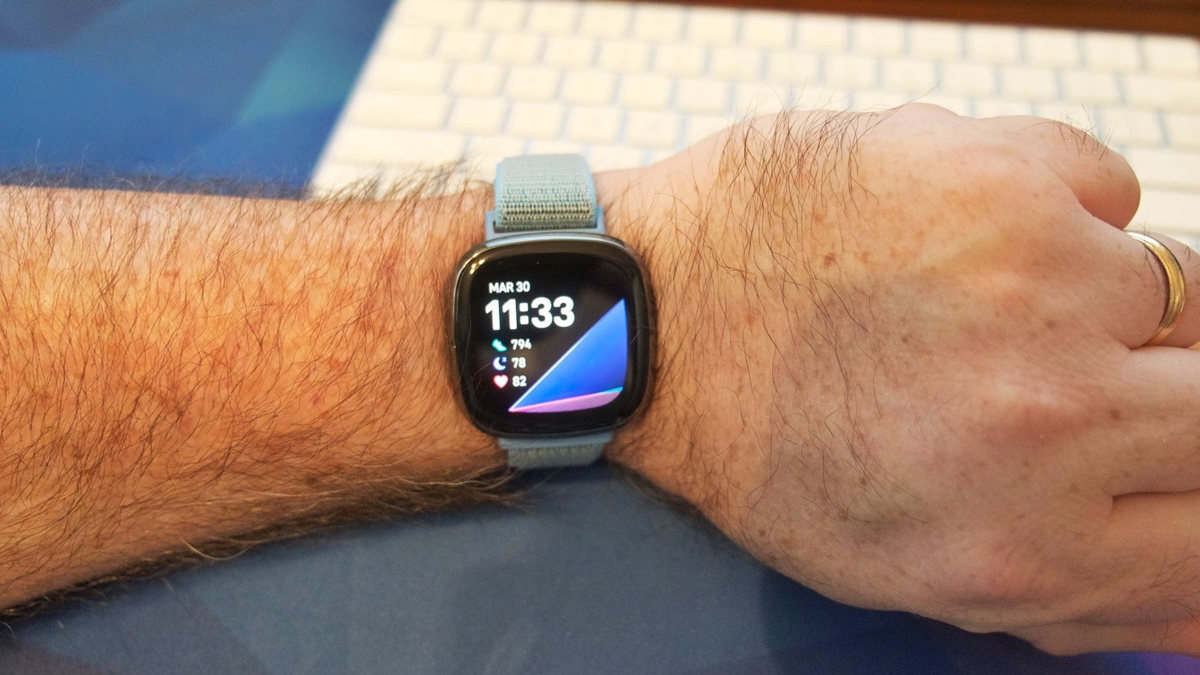
Common issues with Fitbit Flex
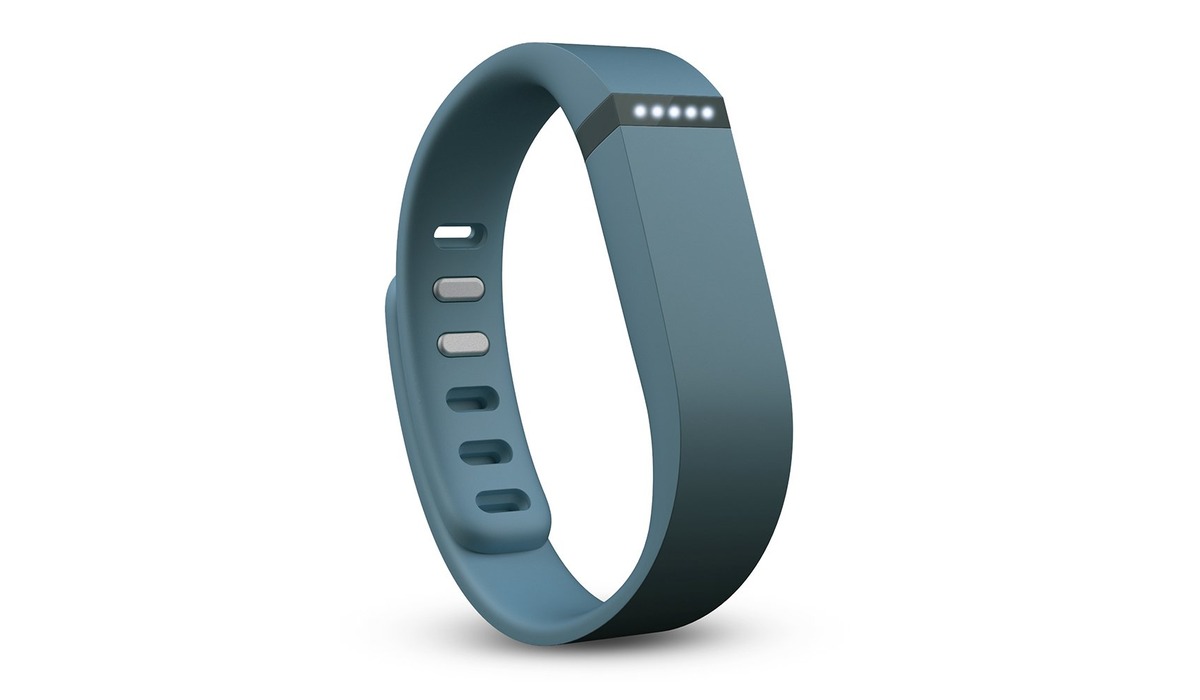
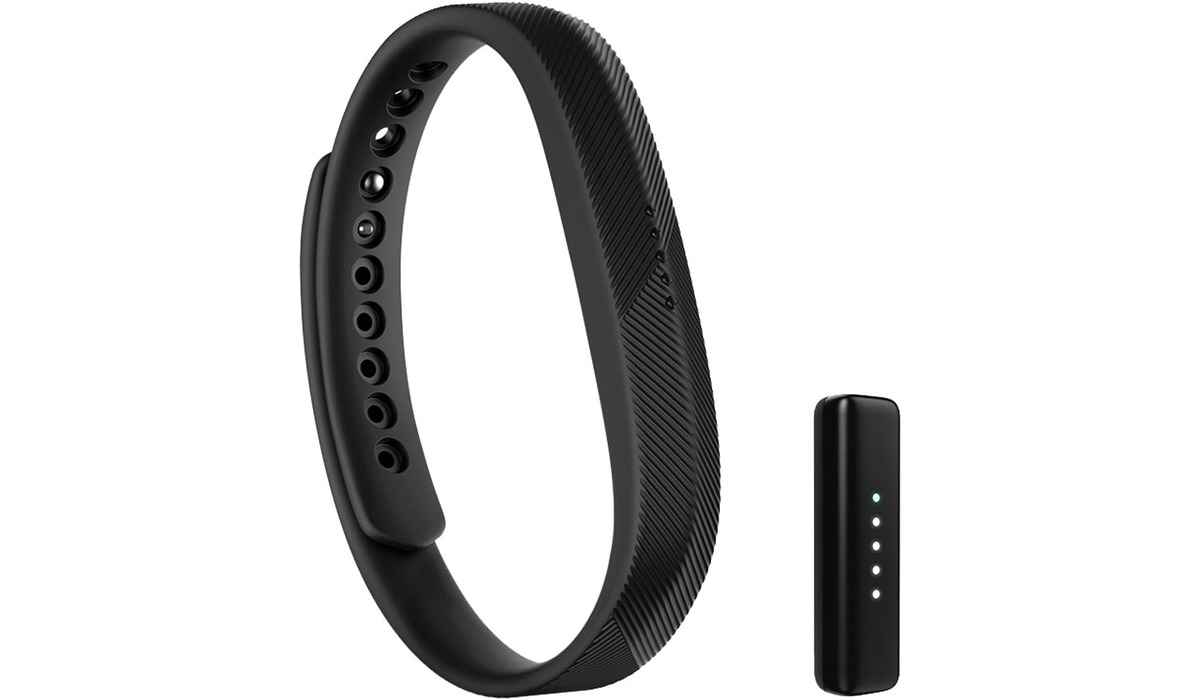
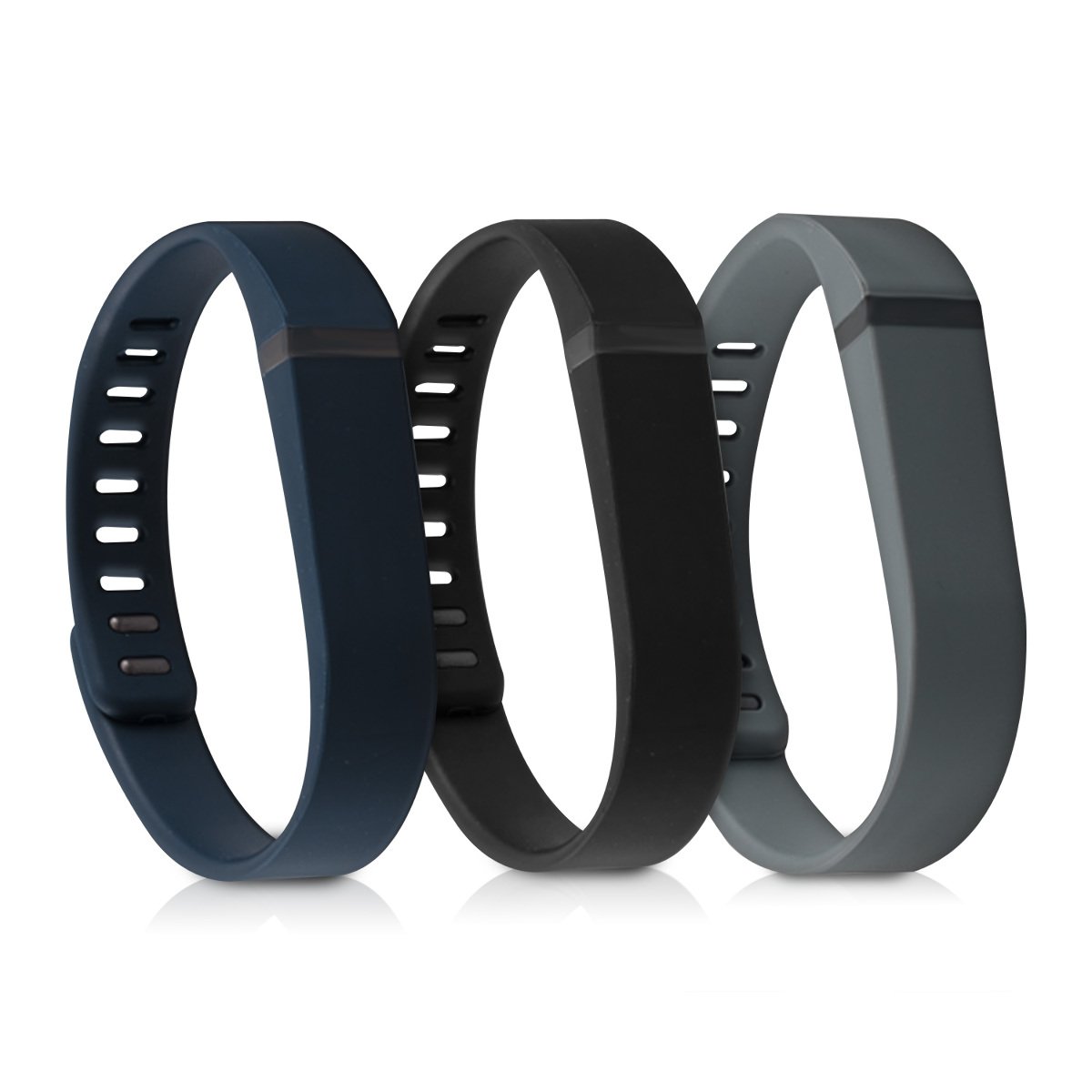
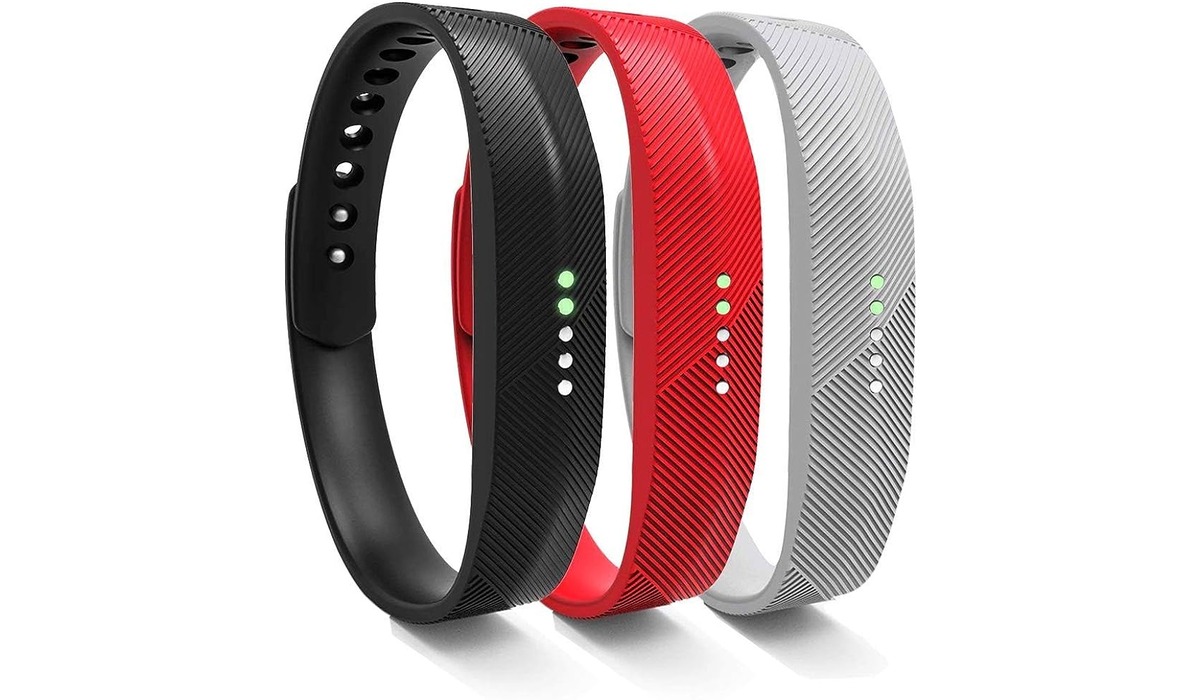
Fitbit Flex is a popular fitness tracker that helps users monitor their daily activity and sleep patterns. However, like any electronic device, it can encounter a few common issues that may require a reset to resolve. Understanding these issues can help you troubleshoot problems with your Fitbit Flex and get it back up and running smoothly. Here are some common issues you may encounter:
- Syncing problems: One of the most common issues with Fitbit Flex is syncing trouble. If your Fitbit is not syncing with your smartphone or computer, it may lead to discrepancies in your activity and sleep data. A reset can often resolve this issue and reestablish a proper connection between your Fitbit and the syncing device.
- Display issues: Sometimes, the display on your Fitbit Flex may act up. Whether it’s a blank screen, unresponsive display, or incorrect time display, a reset can help reset the screen and fix any software glitches that may be causing the problem.
- Battery problems: Another common issue is related to the battery. Your Fitbit Flex may experience a rapid drain of battery life or fail to charge altogether. Resetting your device can help recalibrate the battery and improve its performance.
- Inaccurate tracking: Occasionally, Fitbit Flex may provide inaccurate tracking results, such as overestimating or underestimating your steps, calories burned, or sleep data. A reset can help recalibrate the sensors and ensure more accurate tracking.
- Freezing or unresponsiveness: If your Fitbit Flex becomes unresponsive, freezes, or fails to respond to inputs, a reset can often resolve the issue by clearing any temporary software glitches causing the problem.
Encountering these issues can be frustrating, but performing a reset can often solve them and get your Fitbit Flex back to optimal functionality. It’s important to note that a reset should be considered as a troubleshooting step before contacting Fitbit support or considering a replacement.
When to reset your Fitbit Flex
Resetting your Fitbit Flex should not be the first solution you turn to for every small issue. However, there are certain situations where resetting your device can help resolve persistent problems. Here are some scenarios when you may consider resetting your Fitbit Flex:
- Syncing failure: If your Fitbit Flex consistently fails to sync with your mobile device or computer, a reset can often help establish a stable connection. Before performing a reset, make sure you have tried troubleshooting steps like restarting your device or updating the Fitbit app.
- Software glitches: If you notice erratic behavior or unexpected bugs on your Fitbit Flex, it could indicate a software glitch. Resetting the device can often clear these temporary glitches and restore normal functionality.
- Frozen screen or unresponsiveness: If your Fitbit Flex becomes unresponsive or the screen freezes, a reset can help resolve the issue by restarting the device and clearing any temporary software hang-ups.
- Battery issues: If you are experiencing abnormal battery drain or your Fitbit Flex fails to charge properly, a reset might help recalibrate the battery and improve its performance. However, before resetting, ensure that the battery is not simply running low or that the charging cable is working correctly.
- Tracking inaccuracies: If you find that your Fitbit Flex consistently provides inaccurate tracking data, such as incorrect step counts or sleep measurements, a reset can help recalibrate the sensors and improve the accuracy of your device.
Remember, resetting your Fitbit Flex should be a last resort after trying other troubleshooting methods. It’s always a good idea to reach out to Fitbit support or consult their website for specific solutions to your issue. Before resetting, make sure to back up any important data or settings on your device to ensure they can be restored after the reset process.
How to reset your Fitbit Flex
If you’re experiencing issues with your Fitbit Flex and need to perform a reset, there are a few different options available depending on the severity of the problem. Here are three methods to reset your Fitbit Flex:
- Option 1: Soft reset: A soft reset is the simplest and least invasive way to reset your Fitbit Flex. To perform a soft reset, follow these steps:
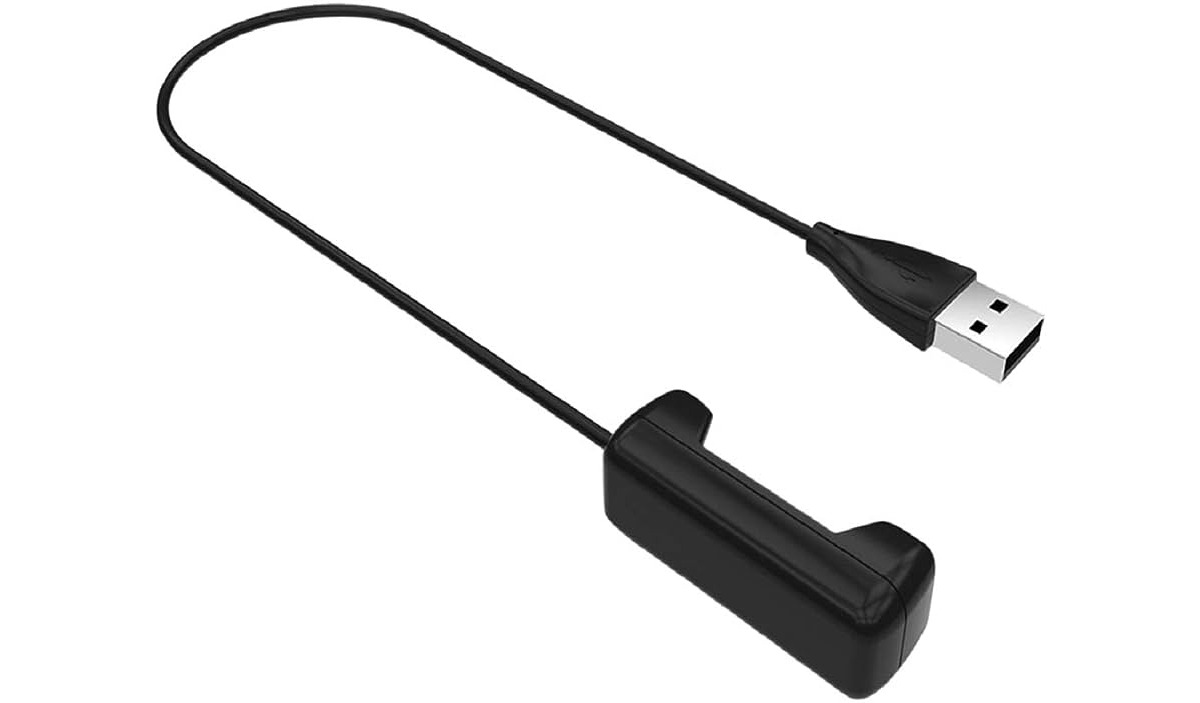
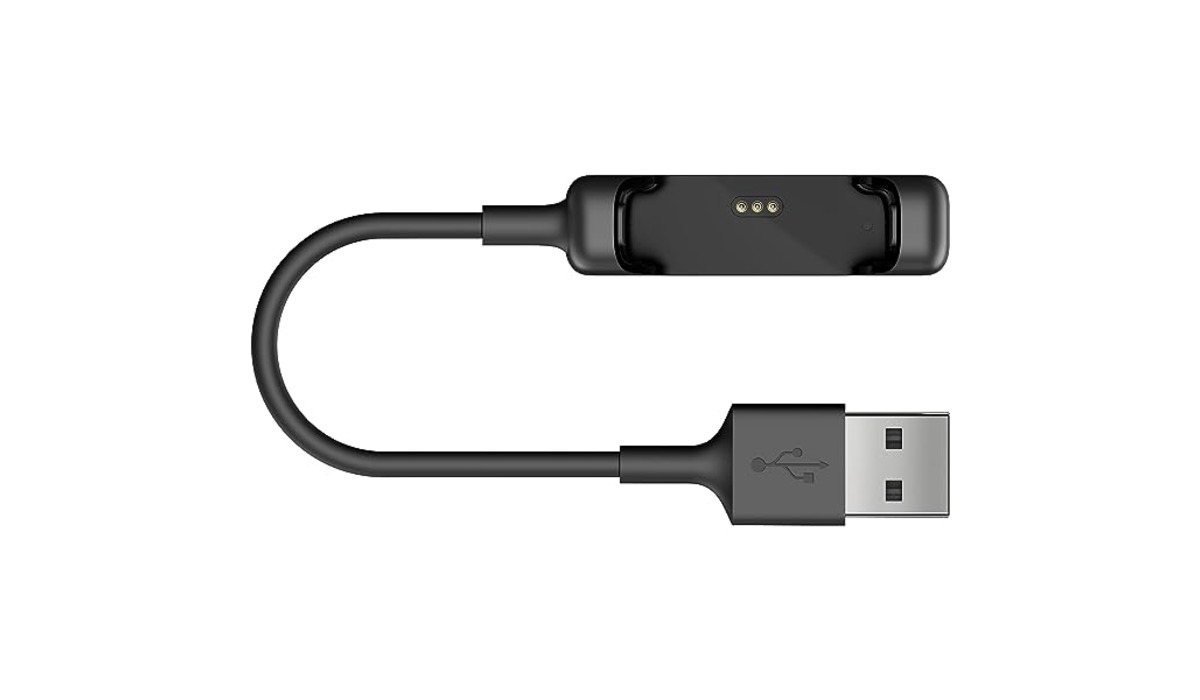
- Plug the charging cable into your computer or a USB wall adapter.
- Insert the other end of the charging cable into the port on the back of your Fitbit Flex.
- Make sure the pins on the charging cable are securely connected to the charging port of the device.
- Hold the button on the charging cable down for 3-5 seconds.
- Release the button and unplug the charging cable from your Fitbit Flex.
This should restart your device without erasing any data or settings.
- Option 2: Hard reset: If a soft reset doesn’t resolve the issue, you may need to perform a hard reset. The hard reset option will clear all data and reset your Fitbit Flex to its factory settings. To perform a hard reset:
- Plug the charging cable into your computer or a USB wall adapter.
- Insert the other end of the charging cable into the port on the back of your Fitbit Flex.
- Make sure the pins on the charging cable are securely connected to the charging port of the device.
- Hold down the button on the charging cable for about 10-12 seconds.
- Release the button and unplug the charging cable from your Fitbit Flex.
- Your device should now be reset to factory settings.
Be aware that this will erase all data and settings, and you will need to set up your Fitbit Flex again as if it were brand new.
- Option 3: Factory reset: If your Fitbit Flex is experiencing persistent issues that cannot be resolved with a soft or hard reset, a factory reset might be necessary. To perform a factory reset, follow these steps:
- Open the Fitbit app on your mobile device or go to the Fitbit website on your computer.
- Go to the “Settings” or “Account” section.
- Select your Fitbit Flex from the device list.
- Choose the option to “Factory reset” or “Remove device” to initiate the process.
- Follow the on-screen instructions to complete the factory reset.
This will erase all data and settings on your Fitbit Flex and restore it to its original state.
Before proceeding with any reset method, make sure to check Fitbit’s support website or contact their customer support for specific instructions related to your device model. Additionally, it’s a good idea to back up any important data or settings before performing a reset.
Option 1: Soft reset
A soft reset is the first step you should take when trying to troubleshoot issues with your Fitbit Flex. This method is quick and straightforward, and it does not erase any data or settings from your device. Here’s how you can perform a soft reset on your Fitbit Flex:
- Plug the charging cable into your computer or a USB wall adapter.
- Insert the other end of the charging cable into the port on the back of your Fitbit Flex.
- Ensure that the pins on the charging cable are securely connected to the charging port of the device.
- Hold down the button on the charging cable for about 3 to 5 seconds.
- Release the button and unplug the charging cable from your Fitbit Flex.
By following these steps, your Fitbit Flex should restart and resolve any minor software glitches that may have been causing issues. The soft reset process is quick and efficient, and it often resolves common problems like syncing failures, screen freezes, or unresponsiveness. However, if your device is still experiencing issues after a soft reset, you may need to consider a more extensive reset method.
It’s important to note that a soft reset should be attempted before performing a hard reset or a factory reset. This is because a soft reset does not erase any data or settings, allowing you to retain your activity history and personalized settings. Additionally, it’s always a good idea to check Fitbit’s support website or contact their customer support for specific troubleshooting instructions related to your Fitbit Flex model.
If the issue persists or if you encounter additional problems, you may need to proceed to the next reset options, such as a hard reset or a factory reset. These methods can help resolve more complex issues but keep in mind that they will erase your data and settings. Always backup important data before proceeding with any reset method, especially if you have valuable historical activity data or personalized settings that you want to preserve.
Option 2: Hard reset
If a soft reset does not resolve the issues you are experiencing with your Fitbit Flex, you may need to perform a hard reset. A hard reset is a more extensive reset option that clears all data and settings on your device, essentially restoring it to its factory state. Here’s how you can perform a hard reset on your Fitbit Flex:
- Plug the charging cable into your computer or a USB wall adapter.
- Insert the other end of the charging cable into the port on the back of your Fitbit Flex.
- Ensure that the pins on the charging cable are securely connected to the charging port of the device.
- Hold down the button on the charging cable for approximately 10 to 12 seconds.
- Release the button and unplug the charging cable from your Fitbit Flex.
By following these steps, your Fitbit Flex will undergo a hard reset and erase all data and settings. This reset method can be useful if you’re facing persistent issues that require a more thorough reset to resolve. It is important to note that a hard reset should be considered as a last resort and only performed if all other troubleshooting methods have failed to resolve the problem.
After performing a hard reset, your Fitbit Flex will be restored to its factory settings. This means that you will need to set up your device again as if it were brand new. You will also need to synchronize your device with the Fitbit app or website to retrieve your data and personalize your settings. Keep in mind that any historical activity data or personalized settings that were not backed up prior to the hard reset will be permanently lost.
If you still encounter issues or if the hard reset did not resolve the problem, you may need to consider performing a factory reset. However, before proceeding with any reset method, it is always a good idea to consult Fitbit’s support website or contact their customer support for specific instructions related to your Fitbit Flex model.
Option 3: Factory reset
If you are experiencing persistent issues with your Fitbit Flex that cannot be resolved with a soft reset or a hard reset, a factory reset may be necessary. Performing a factory reset will restore your Fitbit Flex to its original state, erasing all data and settings. Here’s how you can perform a factory reset on your Fitbit Flex:
- Open the Fitbit app on your mobile device or go to the Fitbit website on your computer.
- Navigate to the “Settings” or “Account” section.
- Select your Fitbit Flex from the list of connected devices.
- Choose the option to “Factory reset” or “Remove device.”
- Follow the on-screen instructions to confirm the factory reset.
By following these steps, your Fitbit Flex will undergo a factory reset, erasing all data and settings associated with your device. This reset method should only be considered as a last resort if other troubleshooting methods have failed to resolve the issues you are experiencing.
After performing a factory reset, you will need to set up your Fitbit Flex again as if it were brand new. This includes connecting it to your Fitbit account and personalizing your settings. It is important to note that all historical data, including activity and sleep tracking history, will be permanently lost after a factory reset. Therefore, it is crucial to back up any important data before proceeding with this reset method.
If you have any concerns or questions regarding the factory reset process, it is recommended to consult Fitbit’s support website or reach out to their customer support for specific instructions and guidance related to your Fitbit Flex device model.
Performing a factory reset should be a last resort and should only be considered after exhausting all other troubleshooting options. It is always beneficial to try soft resets or hard resets first, as these methods may resolve the issues without erasing all your data and settings.
Tips to avoid frequent resets
While resets can be a useful troubleshooting tool, it’s best to avoid having to perform them frequently. Here are some tips to help you minimize the need for frequent resets for your Fitbit Flex:
- Keep your firmware up to date: Ensure that your Fitbit Flex is running the latest firmware version. Fitbit regularly releases firmware updates that include bug fixes and optimizations, which can help address common issues and improve stability.
- Charge your Fitbit regularly: Low battery can often cause device malfunctions or syncing problems. Make sure to charge your Fitbit Flex regularly to maintain optimal performance. Follow Fitbit’s recommendations for charging frequency and duration.
- Sync your Fitbit frequently: Regularly syncing your Fitbit Flex with the Fitbit app or website can help prevent data discrepancies and syncing issues. Ensure that your device is connected to your smartphone or computer and sync your data at least once a day.
- Avoid exposure to liquids: While the Fitbit Flex is water-resistant, it is still advisable to avoid prolonged exposure to liquids. Moisture can cause damage to the device’s internal components, leading to malfunctions. Always remove your Fitbit Flex before swimming or taking a shower.
- Wear your Fitbit properly: Make sure your Fitbit Flex is securely fastened to your wrist, and the sensors are in contact with your skin. Loose or improper wearing may result in inaccurate tracking or connectivity issues.
- Regularly clean your Fitbit: Sweat, dirt, and debris can accumulate on your Fitbit Flex, hindering its performance. Clean your device regularly using a gentle cleanser and a soft cloth to ensure optimal functionality.
- Avoid excessive force: Handle your Fitbit Flex with care and avoid applying excessive force when using buttons or inserting the charging cable. Excessive force may cause physical damage to the device, leading to malfunctioning issues.
- Properly disconnect from devices: When disconnecting your Fitbit Flex from a computer or smartphone, follow the recommended ejecting procedures to ensure a safe disconnection. Abruptly disconnecting your device may cause data corruption or syncing issues.
By following these tips, you can help maintain the optimal performance of your Fitbit Flex and reduce the need for frequent resets. However, if you continue to face persistent issues despite taking these precautions, it is recommended to reach out to Fitbit’s customer support or consult their support website for further assistance.
Final thoughts
Resetting your Fitbit Flex can often solve common issues and restore its functionality. However, it’s important to approach resets as a troubleshooting step and consider them only when other methods have been unsuccessful. Here’s a quick recap of what we’ve covered:
We discussed common issues with the Fitbit Flex, including syncing problems, display issues, battery problems, inaccurate tracking, and freezing or unresponsiveness. Understanding these issues can help you identify when a reset might be necessary.
We then explored three different reset options: soft reset, hard reset, and factory reset. A soft reset is a simple way to restart your device without erasing any data or settings. If a soft reset doesn’t resolve the issue, a hard reset may be required to restore your Fitbit Flex to its factory settings. In more persistent cases, a factory reset erases all data and settings and should only be used as a last resort.
To avoid the need for frequent resets, we provided some helpful tips. Keeping your firmware up to date, regularly charging and syncing your device, and properly caring for your Fitbit Flex can help prevent issues and maintain its performance.
Remember, before performing any reset, it’s always a good idea to check Fitbit’s support website or reach out to their customer support for specific instructions related to your Fitbit Flex model.
By following these guidelines, you can troubleshoot common issues and keep your Fitbit Flex functioning optimally. Enjoy the benefits of tracking your activity and sleep patterns without interruptions!