What is the EVAP system and why is it important?
The EVAP system, short for Evaporative Emission Control System, is an integral component of modern vehicles that helps to reduce harmful emissions and prevent fuel vapors from escaping into the atmosphere. This system plays a crucial role in maintaining the overall efficiency and cleanliness of the vehicle’s fuel system.
The primary function of the EVAP system is to capture and store fuel vapors before they are released into the air. It does this by directing the vapors from the fuel tank into a charcoal canister, where they are stored temporarily. This stored vapor is then drawn into the engine and burned off during normal combustion, rather than being released directly into the atmosphere.
So why is the EVAP system important? Well, there are several reasons. Firstly, it helps to ensure compliance with environmental regulations by preventing the release of harmful pollutants into the air. Fuel vapors contain hydrocarbons, which are a significant contributor to air pollution and can contribute to the formation of smog.
Secondly, a properly functioning EVAP system helps to improve fuel efficiency. By capturing and utilizing the evaporated fuel, the system reduces wastage and allows the engine to use the fuel more effectively. This, in turn, can lead to better fuel economy and cost savings for vehicle owners.
Moreover, a well-maintained EVAP system can prevent fuel-related issues such as fuel leaks and fuel odor inside the vehicle. It ensures that the fuel system remains sealed and helps to prevent the escape of fuel vapors that could potentially be hazardous.
Why does the EVAP system monitor need to be ready?
The readiness of the EVAP system monitor is essential for several reasons. When you take your vehicle for an emissions test or inspection, the EVAP system monitor must be ready to ensure that your vehicle meets the necessary emissions standards. If the monitor is not ready, it may result in a failed test or inspection, leading to potential consequences such as registration issues or fines.
The EVAP system monitor serves as a check for the integrity and functionality of the EVAP system. It monitors the system’s components, such as the fuel tank, vapor lines, purge valve, and charcoal canister, to ensure they are operating effectively and not causing excessive emissions. If there is a problem with the EVAP system, such as a leak, malfunctioning valve, or clogged canister, the monitor will detect it and trigger a diagnostic trouble code (DTC) to indicate the issue.
By ensuring that the EVAP system monitor is ready, you can have peace of mind knowing that your vehicle’s emissions are within acceptable limits and that the EVAP system is functioning properly. It also helps to maintain the overall efficiency and performance of your vehicle by preventing potential fuel leaks or excessive fuel consumption.
Furthermore, having a ready EVAP system monitor can save you time and money. If the monitor is not ready, you may be required to complete a specific driving cycle (which will be discussed in detail later) to set the readiness status. This can be a time-consuming process, especially if you are in a hurry to get your vehicle inspected or tested. Additionally, a failed test or inspection due to an unready EVAP system monitor may result in costly repairs or adjustments to bring your vehicle into compliance.
How does the EVAP system monitor work?
The EVAP system monitor works by constantly monitoring the operation of the vehicle’s EVAP system to ensure its functionality and compliance with emissions standards. It utilizes several sensors and components to perform its monitoring tasks.
One key component of the EVAP system monitor is the fuel tank pressure sensor. This sensor measures the pressure inside the fuel tank and provides feedback to the engine control module (ECM) or onboard diagnostic (OBD) system. The ECM/OBD system then compares the pressure readings with predetermined values to check for any abnormalities that may indicate a leak or malfunction in the system.
Another important component is the leak detection pump (LDP) or the purge flow sensor, depending on the system design. The LDP pressurizes the EVAP system and checks for leaks by monitoring the pressure changes. If the system detects a significant drop in pressure, it indicates a leak that needs to be addressed. The purge flow sensor, on the other hand, measures the flow of vapors from the fuel tank to the engine during the purge cycle, ensuring that the flow is within the expected range.
In addition to these components, the EVAP system monitor also relies on various other sensors, such as the oxygen sensor and the vehicle speed sensor, to gather additional data and ensure the proper functioning of the EVAP system. These sensors provide inputs that allow the monitor to determine if the EVAP system is working as intended.
When the vehicle is in operation, the EVAP system monitor continuously runs diagnostic tests to assess the performance of the EVAP system. It analyzes data from the sensors and compares it against specific parameters set by the manufacturer. If any irregularities or deviations from the expected values are detected, the ECM/OBD system will trigger a diagnostic trouble code (DTC), which can be used to identify the specific issue that needs to be addressed.
Overall, the EVAP system monitor plays a crucial role in ensuring the proper functionality of the EVAP system and maintaining compliance with emissions regulations. It works in conjunction with various sensors and components to constantly monitor the EVAP system’s operation and detect any potential issues that may affect the vehicle’s emissions and performance.
How to know if the EVAP system monitor is not ready?
Knowing if the EVAP system monitor is not ready is crucial, especially when you need to complete an emissions test or inspection. There are a few indicators that can help you determine if the monitor is not yet in a ready state.
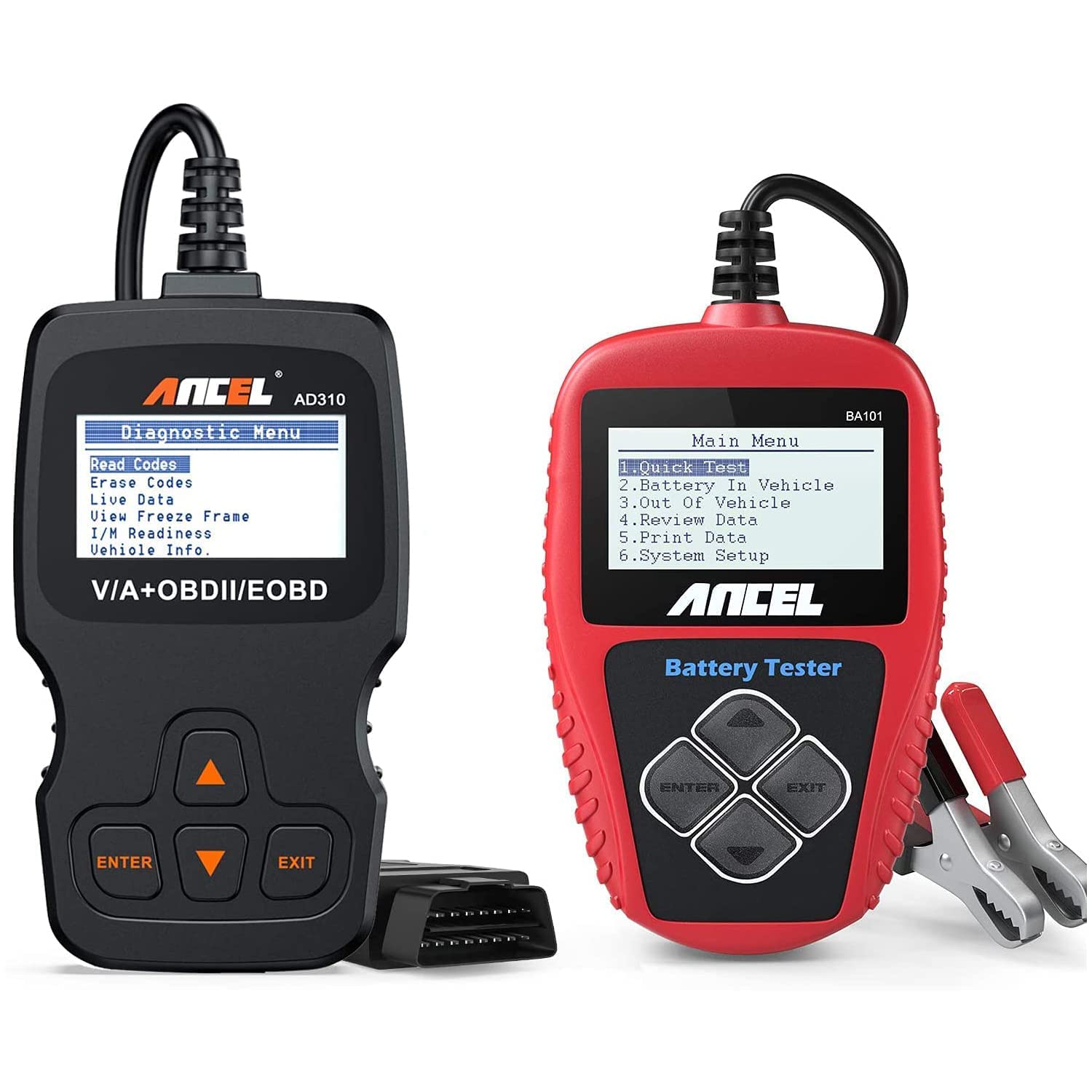
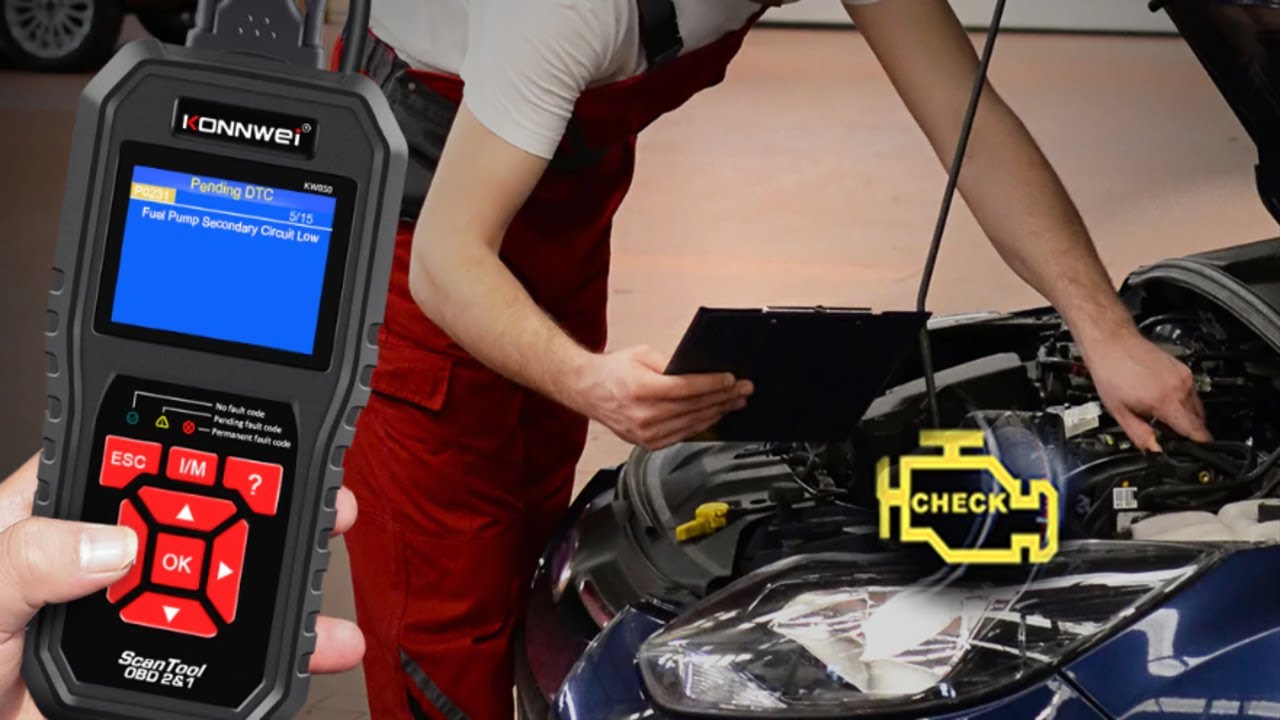
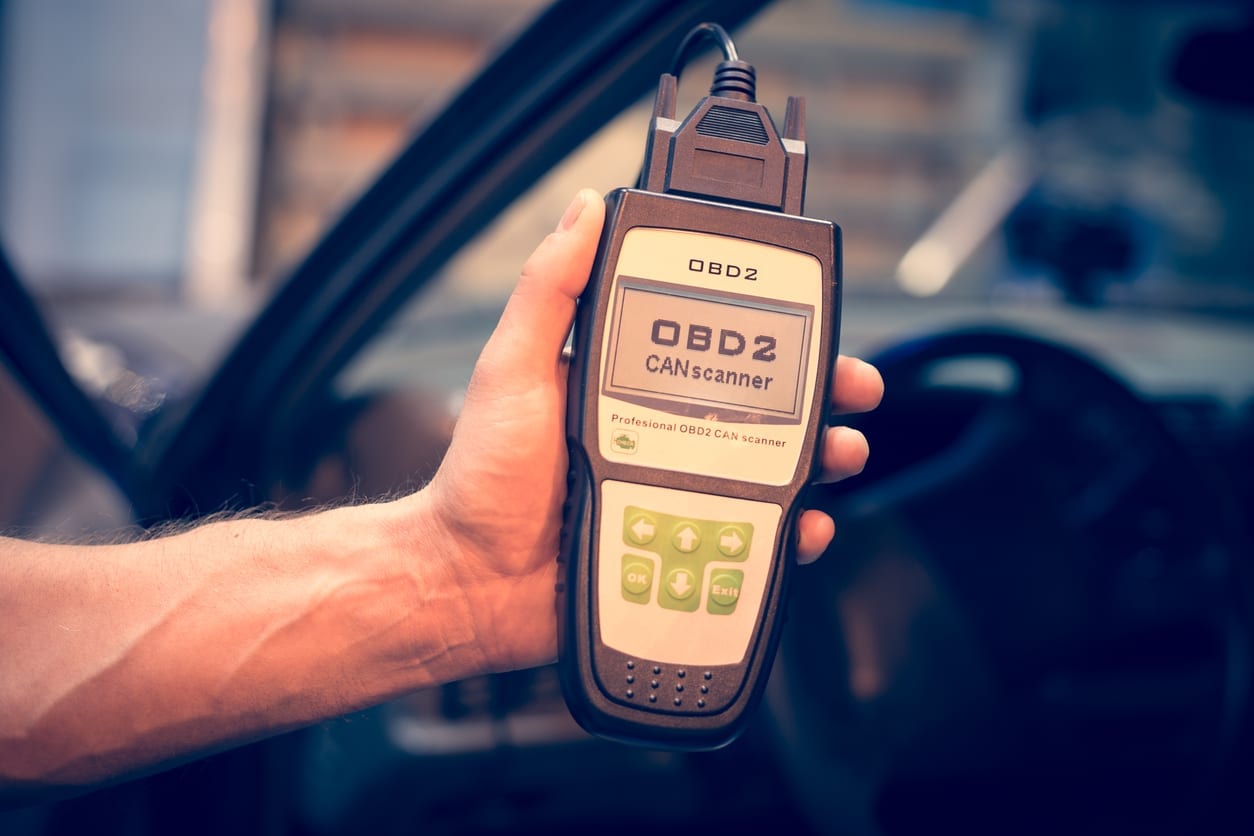
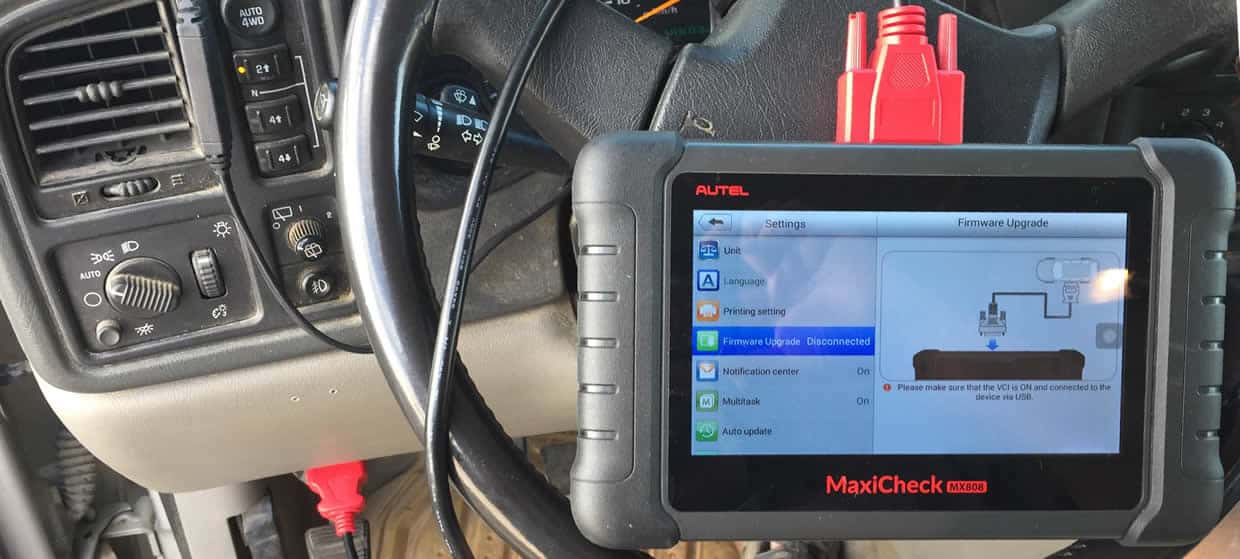
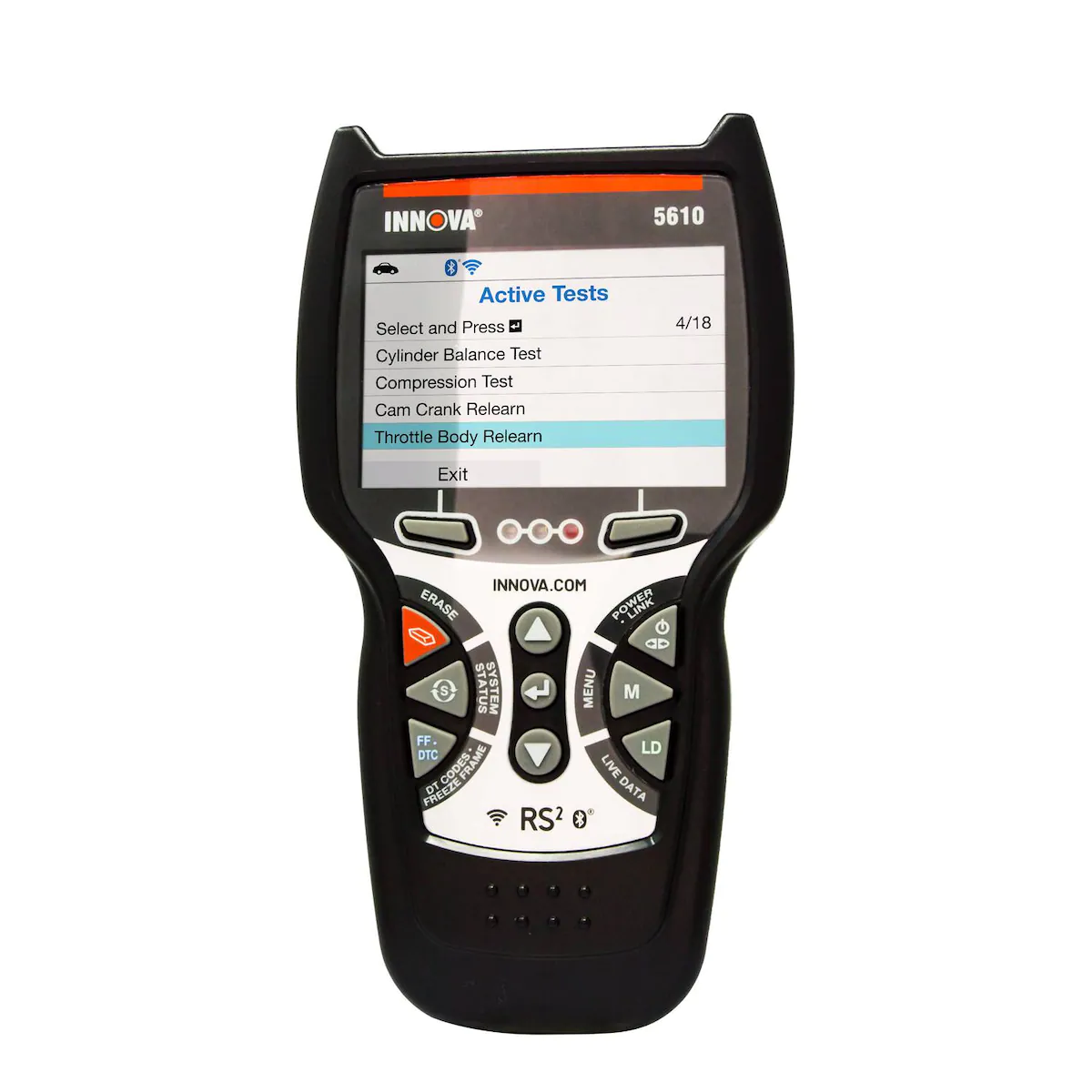
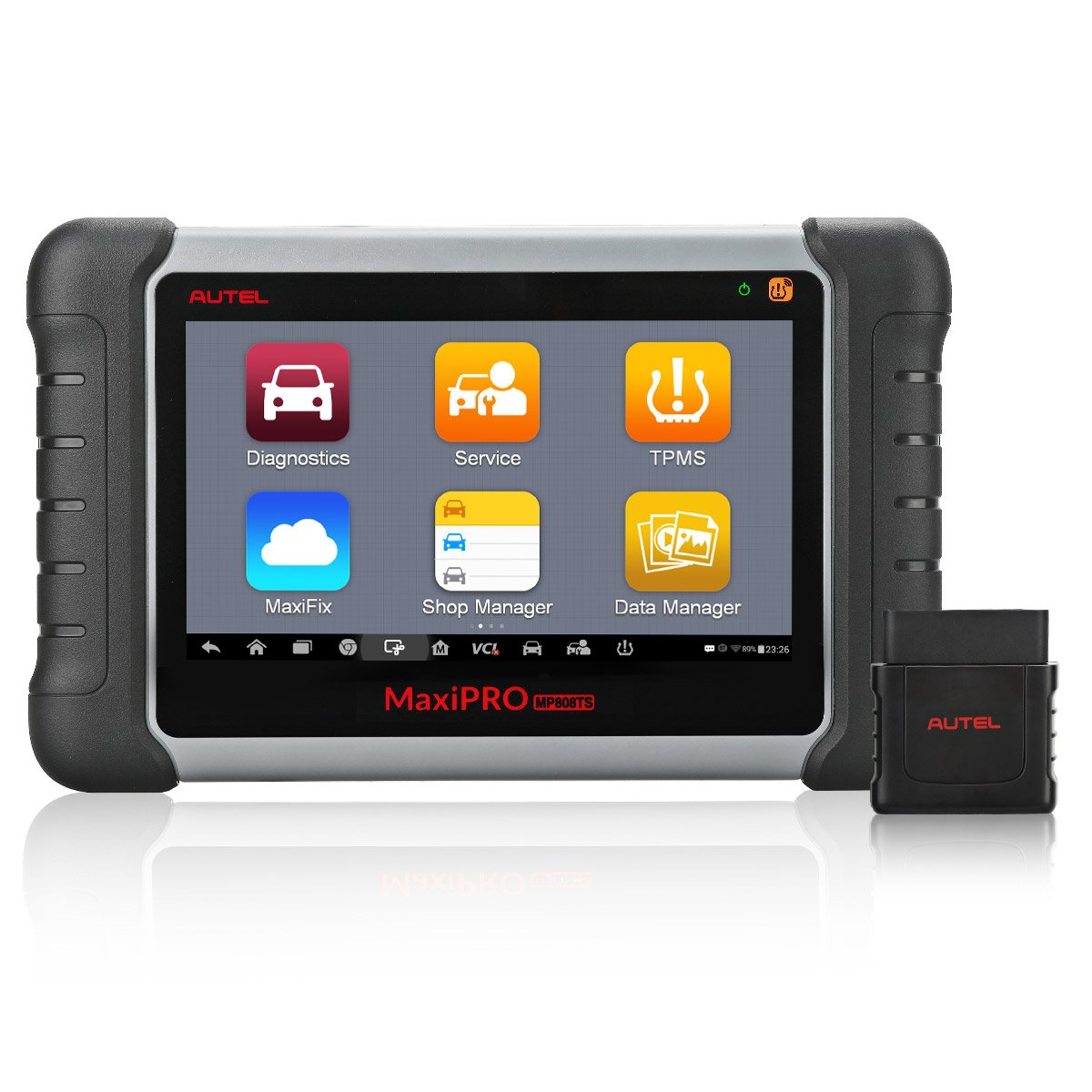
The most common way to check the readiness status of the EVAP system monitor is by using an onboard diagnostic (OBD) scan tool. This tool connects to the OBD port in your vehicle and retrieves diagnostic information, including the readiness status of different system monitors, including the EVAP system monitor. The scan tool will display the specific monitors that are not ready, allowing you to identify if the EVAP system monitor is one of them.
Alternatively, some vehicles have a built-in readiness monitor on the instrument cluster or dashboard. This monitor typically consists of a series of lights or symbols that indicate the readiness status of different vehicle systems, including the EVAP system monitor. Consult your vehicle’s owner manual to determine if your vehicle has this feature and how to interpret the readiness status display.
In some cases, if the EVAP system monitor is not ready, the check engine light or malfunction indicator lamp (MIL) may also be illuminated. However, it is important to note that the presence of the MIL does not necessarily mean that the EVAP system monitor is not ready. Other issues with the vehicle may also trigger the MIL, so it is recommended to check the readiness status using an OBD scan tool for a more accurate assessment.
If the EVAP system monitor is not ready, it means that the vehicle’s onboard computer has not completed the necessary tests to verify the proper functioning of the EVAP system. This could be due to several factors, such as recent battery disconnect, cleared diagnostic trouble codes (DTCs), or incomplete driving cycles. It is important to identify the reason why the monitor is not ready before attempting to resolve the issue.
Next, we will discuss the steps you can take to prepare your vehicle and set the EVAP system monitor to a ready state.
Preparing the vehicle for the EVAP system monitor
In order to set the EVAP system monitor to a ready state, it is important to prepare your vehicle appropriately. Here are the steps you can take to ensure that your vehicle is ready for the EVAP system monitor:
- Ensure that the fuel tank is between 1/4 and 3/4 full: The EVAP system monitor requires a specific fuel tank level to perform its tests accurately. Having the fuel tank within the recommended range will help facilitate the testing process.
- Address any existing diagnostic trouble codes (DTCs): If your vehicle has any pending or stored DTCs related to the EVAP system, it is important to address them before attempting to set the monitor to a ready state. Addressing the underlying issues will improve the chances of the monitor becoming ready.
- Avoid disconnecting the battery or clearing codes: Disconnecting the battery or clearing diagnostic trouble codes can reset the readiness status of the monitors, including the EVAP system monitor. To ensure that the monitor remains ready, avoid disconnecting the battery or clearing codes before an emissions test or inspection.
- Drive the vehicle under proper conditions: The EVAP system monitor requires specific driving conditions to complete its tests. This typically involves a combination of city and highway driving, varying speeds, and warm-up and cool-down periods. Consult your vehicle’s owner manual or contact a qualified technician to learn the recommended driving conditions for your specific vehicle model.
- Maintain a well-maintained vehicle: Regular maintenance of your vehicle is essential to ensure proper functioning of the EVAP system and other vehicle systems. Maintain a regular schedule of engine tune-ups, filter replacements, and inspections to keep your vehicle in optimal condition.
By following these steps, you can increase the chances of setting the EVAP system monitor to a ready state. It is important to note that the readiness status may take some time to update, so it is recommended to prepare your vehicle well in advance of an emissions test or inspection.
Driving cycle to ready the EVAP system monitor
In order to ready the EVAP system monitor, you will need to perform a specific driving cycle that allows the vehicle’s onboard computer to complete its diagnostic tests. This driving cycle involves a series of driving conditions and events that simulate typical driving scenarios and put the EVAP system through its paces. Here’s a general outline of the driving cycle:
- Cold Start: Start with a cold engine, ideally after the vehicle has been parked for at least eight hours.
- Idle: Let the vehicle idle for about two to three minutes to allow the engine to reach operating temperature.
- City Driving: Drive in city traffic for about 10 to 15 minutes, making frequent stops and starts. This helps simulate typical stop-and-go driving conditions.
- Highway Driving: Get onto a highway or open road and drive at a consistent speed of around 50 to 60 mph for about 10 minutes. This allows the vehicle to reach and maintain a higher speed.
- Deceleration and Idle: Exit the highway and decelerate to a stop. Let the vehicle idle for about three minutes.
- Repeat: Repeat steps 3 to 5 at least one more time to ensure thorough testing of the EVAP system.
It is important during the driving cycle to try and maintain a steady and consistent driving pattern without any sudden acceleration or deceleration. This helps the EVAP system monitor perform its tests accurately.
Please note that the specific driving cycle requirements may vary depending on the vehicle make, model, and year. It is recommended to consult your vehicle’s owner manual or contact a qualified technician to obtain the exact driving cycle instructions that are specific to your vehicle.
By following the recommended driving cycle, you increase the likelihood of setting the EVAP system monitor to a ready state. Once the driving cycle is completed, you can use an onboard diagnostic (OBD) scan tool to check the readiness status of the EVAP system monitor and ensure that it is ready for an emissions test or inspection.
What to do if the EVAP system monitor is still not ready?
If the EVAP system monitor is still not ready after following the necessary steps to prepare your vehicle and complete the driving cycle, there are a few additional actions you can take to troubleshoot the issue:
- Ensure proper completion of the driving cycle: Double-check that you have followed the recommended driving cycle accurately. Make sure you have met the required driving conditions, including speed, time, and temperature ranges. If you have missed any steps or conditions, repeat the driving cycle to give the monitor another chance to complete its tests.
- Check for diagnostic trouble codes (DTCs): Use an onboard diagnostic (OBD) scan tool to check for any stored or pending DTCs related to the EVAP system. If there are any error codes present, address the underlying issues and clear the codes. After resolving the issues, repeat the driving cycle to give the monitor another opportunity to set to a ready state.
- Verify the readiness criteria: Review the readiness criteria for the EVAP system monitor specific to your vehicle. Ensure that all the necessary conditions have been met and that there are no outstanding issues that could prevent the monitor from readying. Consult your vehicle’s owner manual or contact a qualified technician for accurate information.
- Perform system checks: Inspect the EVAP system components for any visible signs of damage, leaks, or loose connections. Pay attention to the fuel cap, vapor lines, canister, and purge valve. If you notice any issues, such as a loose or damaged component, address them accordingly to ensure the proper functioning of the EVAP system.
- Consider professional help: If you have followed all the necessary steps and troubleshooting methods and the EVAP system monitor is still not ready, it may be time to consult with a qualified technician. They have the expertise and proper diagnostic tools to assess the situation and pinpoint any underlying problems that may be preventing the monitor from readying. They can perform advanced diagnostics, conduct repairs if necessary, and guide you through the process of getting the EVAP system monitor ready.
Remember, troubleshooting the readiness of the EVAP system monitor may require patience and persistence. It is crucial to address any underlying issues and complete the necessary steps accurately to increase the chances of setting the monitor to a ready state. Following the recommended guidelines and seeking professional assistance when needed will help ensure the proper functionality of the EVAP system and compliance with emissions regulations.
Common issues and troubleshooting tips for the EVAP system monitor
The EVAP system monitor can encounter several common issues that may prevent it from getting ready. Here are some of the most common issues and troubleshooting tips to resolve them:
- Loose or damaged gas cap: A loose or damaged gas cap can cause the EVAP system to detect a leak and prevent the monitor from getting ready. Ensure that the gas cap is tightened properly and free from any damage. Consider replacing the gas cap if necessary.
- Leaking or damaged vapor lines: Check the vapor lines for any signs of leaks, cracks, or damage. These lines can deteriorate over time and may require replacement if issues are detected.
- Malfunctioning purge valve: The purge valve regulates the flow of fuel vapors from the charcoal canister to the engine. A malfunctioning purge valve can prevent the EVAP system monitor from getting ready. Test the purge valve for proper operation and replace it if necessary.
- Charcoal canister issues: Inspect the charcoal canister for any signs of damage or contamination. A malfunctioning canister can affect the proper functioning of the EVAP system. Replace the canister if needed.
- Wiring or electrical problems: Check the wiring and electrical connections related to the EVAP system components. Loose connections or damaged wires can cause the monitor to not ready. Repair any wiring issues as necessary.
- Evaporative system leaks: The EVAP system may develop leaks in various components, such as the fuel tank, vapor lines, or canister. Conduct a thorough inspection for leaks and address any detected issues promptly. Consider using a smoke machine to help identify hard-to-detect leaks.
It is important to note that some of these troubleshooting tips may require specialized tools and knowledge. If you are not confident in performing the diagnostics and repairs yourself, it is recommended to seek the assistance of a qualified technician. They can diagnose the specific issues affecting your vehicle’s EVAP system and provide the necessary repairs and solutions.
Remember, troubleshooting the EVAP system monitor may involve trial and error. It may take multiple attempts and steps to identify and resolve the underlying issues. Persistence and thoroughness in troubleshooting will ultimately help ensure the proper functionality of the EVAP system and the readiness of the monitor.
Benefits of a ready EVAP system monitor
Having a ready EVAP system monitor offers several benefits for both vehicle owners and the environment. Here are some key advantages of a ready EVAP system monitor:
- Compliance with emissions regulations: When the EVAP system monitor is ready, it indicates that your vehicle meets the necessary emissions standards set by regulatory authorities. This compliance ensures that your vehicle is not contributing to excessive harmful emissions that can negatively impact air quality and the environment.
- Passing emissions tests and inspections: A ready EVAP system monitor increases the chances of passing emissions tests and inspections. Many jurisdictions require vehicles to undergo regular emissions testing to ensure that they are not emitting excessive pollutants into the air. A ready monitor minimizes the risk of failing these tests, saving you time and money on retests or potential fines.
- Improved fuel efficiency: A properly functioning EVAP system helps improve fuel efficiency. By capturing and utilizing fuel vapors that would otherwise be wasted, a well-maintained EVAP system ensures that fuel is used more efficiently, resulting in better fuel economy and cost savings for vehicle owners.
- Risk prevention: The EVAP system monitor helps detect potential issues with the EVAP system, such as leaks or malfunctioning components, before they become more significant problems. By addressing these issues promptly, you can prevent costly repairs and potential safety hazards.
- Reduced environmental impact: The EVAP system plays a crucial role in reducing harmful emissions from vehicle fuel systems. By preventing fuel vapors from escaping into the atmosphere, a ready EVAP system monitor helps minimize air pollution and contributes to improved air quality in the environment.
Having a ready EVAP system monitor provides peace of mind, knowing that your vehicle is in compliance with emissions standards and is operating at its best. It allows for smoother vehicle inspections, helps you avoid penalties or fines, and promotes a cleaner, healthier environment.
Regular maintenance and prompt attention to any issues related to the EVAP system can help ensure that the monitor remains ready. By taking proper care of your vehicle and addressing any EVAP system-related concerns, you can reap the benefits of a ready EVAP system monitor for improved performance, fuel efficiency, and overall environmental impact.
Frequently asked questions about getting the EVAP system monitor ready
Here are answers to some frequently asked questions regarding the process of getting the EVAP system monitor ready:
- Why is the EVAP system monitor not ready?
- How long does it take for the EVAP system monitor to become ready?
- Can resetting the check engine light reset the EVAP system monitor?
- Do I need a professional scan tool to check the readiness status of the EVAP system monitor?
- Are there any other monitors that need to be ready for an emissions test?
The EVAP system monitor may not be ready due to several reasons, including recent battery disconnect, cleared diagnostic trouble codes (DTCs), or incomplete driving cycles. It is important to follow the recommended preparation steps and perform the required driving cycle to set the monitor to a ready state.
The time it takes for the EVAP system monitor to become ready can vary. It typically requires completing a specific driving cycle, which may take anywhere from several minutes to a few hours of driving under the recommended conditions. In some cases, it may require multiple driving cycles. Patience and adherence to the driving cycle instructions are key.
Resetting the check engine light (or MIL) will clear any pending diagnostic trouble codes (DTCs) and the readiness status of the EVAP system monitor. It is recommended to avoid clearing DTCs or resetting the check engine light before an emissions test or inspection to ensure the readiness status remains intact.
While a professional scan tool can provide detailed information and diagnostic capabilities, you can also check the readiness status of the EVAP system monitor using a generic OBD scan tool. These tools are widely available and relatively affordable. However, for advanced diagnostics and complex issues, consulting a qualified technician is recommended.
Yes, in addition to the EVAP system monitor, other monitors, such as the oxygen sensor, catalytic converter, and engine misfire monitor, also need to be ready for an emissions test. It is important to ensure that all necessary monitors are in a ready state before undergoing an emissions test or inspection.
Remember to consult your vehicle’s owner manual or contact a qualified technician for more specific information regarding the readiness requirements and procedures for your particular vehicle make, model, and year.