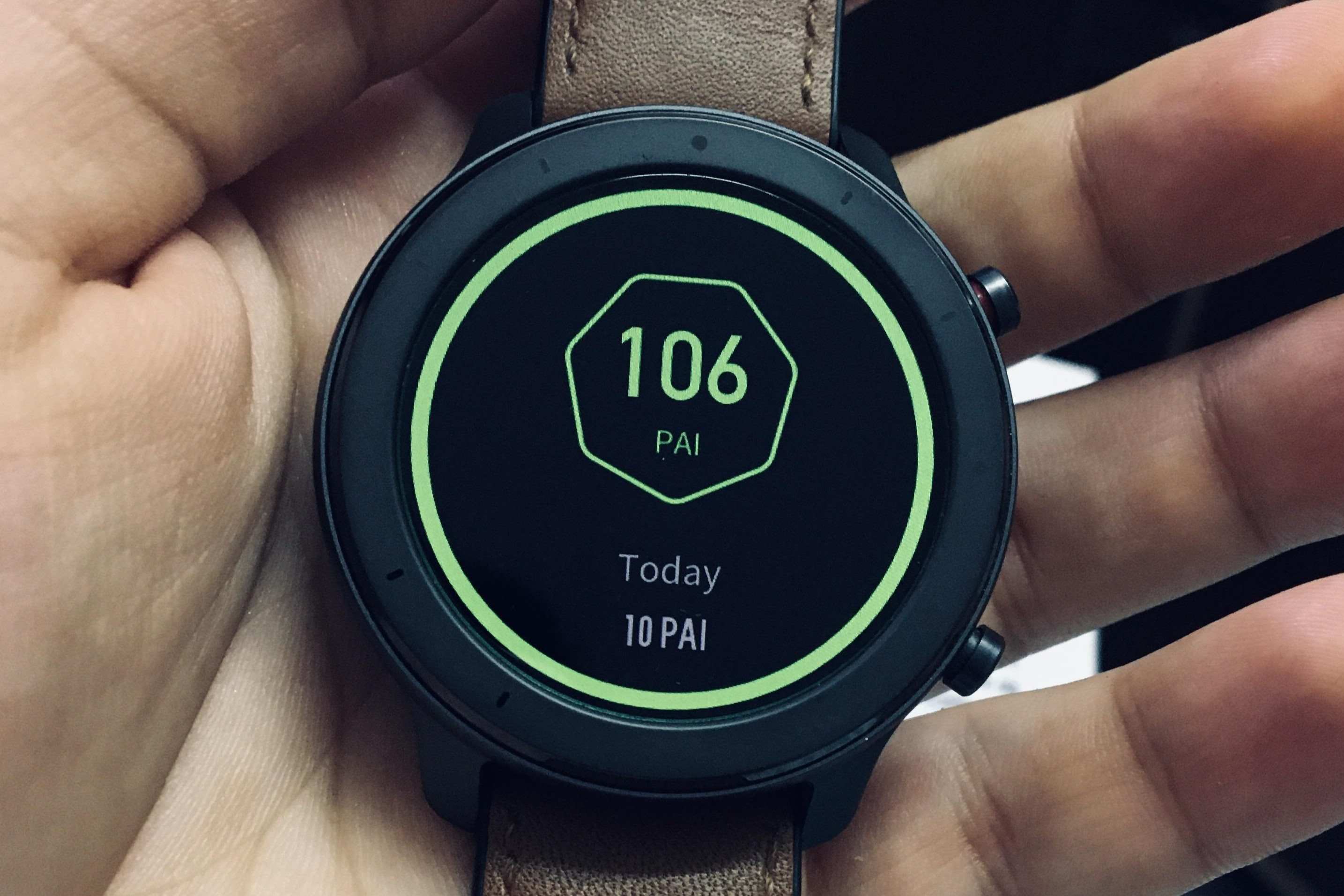
What is Pai on Smartwatches?
If you’ve recently delved into the world of smartwatches, you may have encountered the term “Pai” in relation to health and fitness tracking. Pai, which stands for Personal Activity Intelligence, is a revolutionary metric developed to provide a holistic approach to monitoring and improving one’s overall health. This innovative feature is commonly found in the latest generation of smartwatches and fitness trackers, aiming to offer users a more comprehensive understanding of their physical activity levels and their impact on their well-being.
Unlike traditional fitness metrics such as step count or calorie expenditure, Pai takes a more personalized and intuitive approach to health monitoring. It considers various factors such as heart rate, exercise intensity, and duration to provide users with a single, easy-to-understand score that reflects the overall impact of their physical activity on their health. This simplifies the often complex and technical data collected by smartwatches and presents it in a manner that is accessible and actionable for users of all fitness levels.
As a user-friendly and adaptive metric, Pai aims to empower individuals to take control of their health by offering a clear and tangible goal to strive for. By incorporating Pai into their daily routine, users can gain valuable insights into the effectiveness of their physical activity, enabling them to make informed decisions to improve their overall health and well-being.
How is Pai Calculated?
The calculation of Pai on smartwatches involves a sophisticated algorithm that takes into account various physiological and activity-related data to provide users with a personalized health metric. Unlike traditional fitness metrics that focus solely on the quantity of physical activity, Pai utilizes a more comprehensive approach, considering the quality and intensity of the exercise as well as individual user data.
The calculation of Pai begins with the continuous monitoring of the user’s heart rate during physical activity and at rest. This data is then analyzed to determine the user’s heart rate response to different levels of exertion, allowing the smartwatch to gauge the impact of the activity on the individual’s cardiovascular system.
Additionally, Pai takes into consideration the duration and intensity of the user’s physical activity, aiming to encourage a balanced and sustainable approach to exercise. By factoring in both the duration and intensity of the activity, Pai provides a more nuanced representation of the user’s overall physical exertion, moving beyond simple step counts or calorie expenditure.
Furthermore, Pai adapts to the user’s individual profile, considering factors such as age, gender, and resting heart rate to ensure that the calculated score accurately reflects the impact of the activity on the user’s health. This personalized approach allows users of varying fitness levels to engage with the metric effectively and receive meaningful insights into their health and well-being.
Overall, the calculation of Pai on smartwatches combines advanced physiological analysis with user-specific data to deliver a comprehensive and personalized health metric. By leveraging the power of technology and data analytics, Pai empowers users to make informed decisions about their physical activity and its impact on their overall health.
Understanding the Meaning of Pai
At its core, Pai, or Personal Activity Intelligence, serves as a groundbreaking health metric designed to offer individuals a simplified yet comprehensive understanding of the impact of their physical activity on their overall well-being. Unlike traditional fitness metrics that often focus on isolated aspects of physical activity, Pai takes a more holistic approach, considering various physiological and activity-related factors to provide users with a single, actionable score.
One of the key aspects of understanding Pai is recognizing its adaptability to individual users. By incorporating personal data such as heart rate response, age, gender, and resting heart rate, Pai tailors its calculations to each user, ensuring that the resulting score reflects the specific impact of physical activity on their health. This personalized approach enables users of all fitness levels to engage with the metric effectively, offering valuable insights into their overall well-being.
Moreover, Pai transcends the limitations of traditional fitness metrics by emphasizing the quality and intensity of physical activity rather than simply focusing on quantity. By considering the duration and intensity of exercise, Pai encourages users to engage in activities that have a meaningful impact on their cardiovascular health, thereby promoting a more holistic approach to fitness and well-being.
Furthermore, Pai serves as a practical and user-friendly metric, providing individuals with a clear and tangible goal to strive for in their daily physical activity. By aiming to achieve a designated Pai score, users can gain a better understanding of the effectiveness of their exercise routines and make informed decisions to optimize their health and fitness goals.
Overall, understanding the meaning of Pai involves recognizing its adaptability, holistic approach, and actionable nature. By embracing Pai as a valuable tool for health monitoring, individuals can harness its insights to make informed decisions and take proactive steps towards improving their overall well-being.
Importance of Pai in Health Monitoring
The integration of Pai, or Personal Activity Intelligence, into health monitoring represents a significant advancement in the field of fitness tracking and well-being assessment. This innovative metric holds immense importance in providing individuals with a more comprehensive and actionable understanding of their physical activity and its impact on their overall health.
One of the key aspects underscoring the importance of Pai in health monitoring is its ability to offer a holistic perspective on physical activity. Unlike traditional fitness metrics that may focus solely on step counts or calorie expenditure, Pai considers various physiological and activity-related factors to calculate a single, user-friendly score. This comprehensive approach enables individuals to gain valuable insights into the overall impact of their exercise routines on their cardiovascular health, fostering a more nuanced understanding of their well-being.
Moreover, Pai serves as a practical and adaptive tool for individuals of all fitness levels. By incorporating personal data such as heart rate response, age, gender, and resting heart rate, Pai tailors its calculations to each user, ensuring that the resulting score reflects the specific impact of physical activity on their health. This personalized approach enables users to engage with the metric effectively and receive meaningful insights into their overall well-being.
Furthermore, the importance of Pai in health monitoring lies in its role as a motivator for individuals to maintain an active and balanced lifestyle. By aiming to achieve a designated Pai score, users are encouraged to engage in physical activities that have a meaningful impact on their cardiovascular health. This proactive approach not only promotes a more holistic view of fitness but also empowers individuals to make informed decisions to optimize their health and well-being.
Overall, the integration of Pai in health monitoring signifies a shift towards a more comprehensive, personalized, and actionable approach to fitness tracking. By leveraging the insights provided by Pai, individuals can gain a deeper understanding of their physical activity and make informed decisions to enhance their overall health and well-being.
How to Use Pai to Improve Health and Fitness Goals
Utilizing Pai, or Personal Activity Intelligence, as a tool to enhance health and fitness goals involves leveraging its comprehensive insights to make informed decisions and optimize physical activity. By integrating Pai into daily routines, individuals can gain valuable guidance on improving their overall well-being and achieving their fitness objectives.
One of the fundamental ways to use Pai to improve health and fitness goals is to set and track personalized activity targets. By aiming to achieve a specific Pai score based on individual data and fitness levels, users can establish tangible goals for their physical activity. This proactive approach encourages individuals to engage in activities that have a meaningful impact on their cardiovascular health, promoting a more holistic view of fitness and well-being.
Furthermore, Pai serves as a valuable tool for monitoring the effectiveness of exercise routines. By consistently tracking Pai scores over time, individuals can gain insights into the impact of their physical activity on their overall health. This data-driven approach enables users to assess the efficacy of their fitness regimens and make adjustments to optimize their health and well-being.
Moreover, Pai can be utilized to maintain motivation and accountability in pursuing health and fitness goals. By striving to achieve and maintain a target Pai score, individuals are motivated to engage in regular physical activity and make conscious choices to improve their cardiovascular health. This proactive mindset fosters a sustainable and balanced approach to fitness, empowering individuals to stay committed to their well-being objectives.
Additionally, leveraging Pai to improve health and fitness goals involves utilizing its personalized insights to make informed decisions. By considering individual data such as heart rate response, age, gender, and resting heart rate, users can receive tailored recommendations for optimizing their physical activity. This personalized guidance enables individuals to make proactive choices that align with their specific health and fitness needs.
In essence, using Pai to improve health and fitness goals entails integrating its comprehensive insights into daily routines, setting personalized targets, monitoring progress, and leveraging personalized guidance to optimize physical activity. By embracing Pai as a valuable tool for health monitoring, individuals can make informed decisions and take proactive steps towards enhancing their overall well-being.