Cameras with Artificial Intelligence
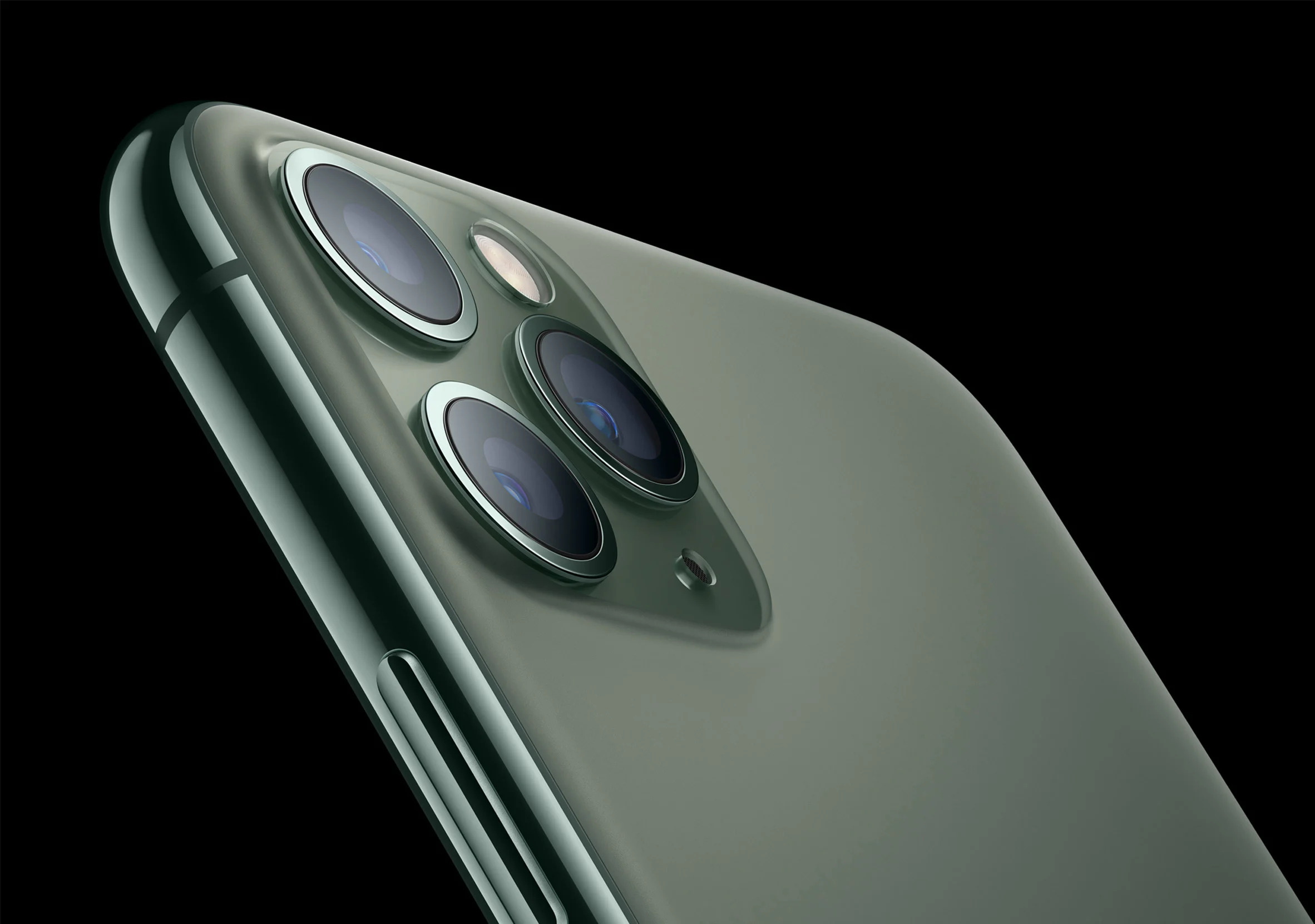
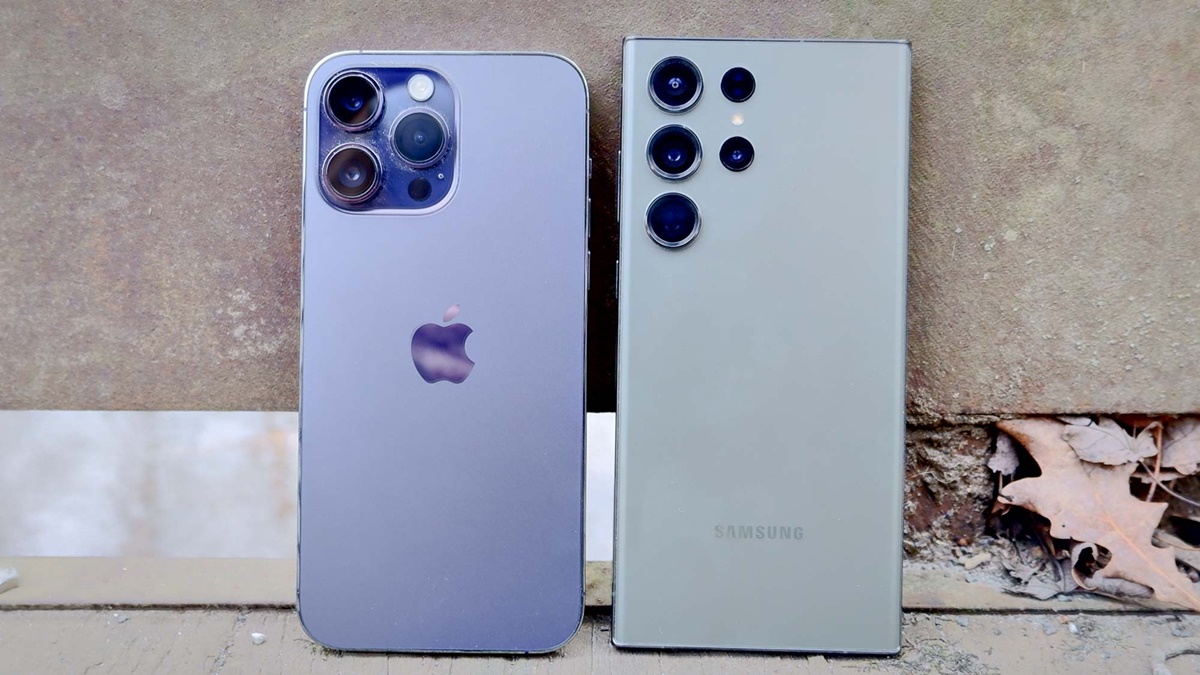
Cameras with artificial intelligence (AI) are set to revolutionize the world of photography. With AI algorithms integrated into camera systems, these intelligent devices can deliver enhanced capabilities and functionalities that were once unimaginable.
One of the key advantages of cameras with AI is their ability to automatically analyze scenes and apply optimized settings to capture the perfect shot. Advanced AI algorithms can analyze various factors such as lighting conditions, colors, and subjects to automatically adjust settings like exposure, white balance, and focus, ensuring that every photo is captured with precision and optimal quality.
But AI-powered cameras go beyond mere automatic scene recognition. They can also perform real-time image processing to enhance images on the fly. With AI algorithms, cameras can analyze and enhance the details, dynamic range, and colors in an image, resulting in stunning, professional-grade photos without the need for post-processing.
Moreover, cameras with AI can recognize and track subjects, whether it’s a person, object, or even a pet. This feature allows for improved focus and tracking, ensuring sharp and well-composed photos, even in fast-paced or unpredictable situations.
Another exciting area where AI is transforming cameras is in the realm of image recognition. With advanced AI algorithms, cameras can identify specific objects and scenes within a frame, enabling automatic tagging and sorting of photos based on their content. This simplifies the process of organizing and searching for specific photos, making it easier to locate and revisit cherished memories.
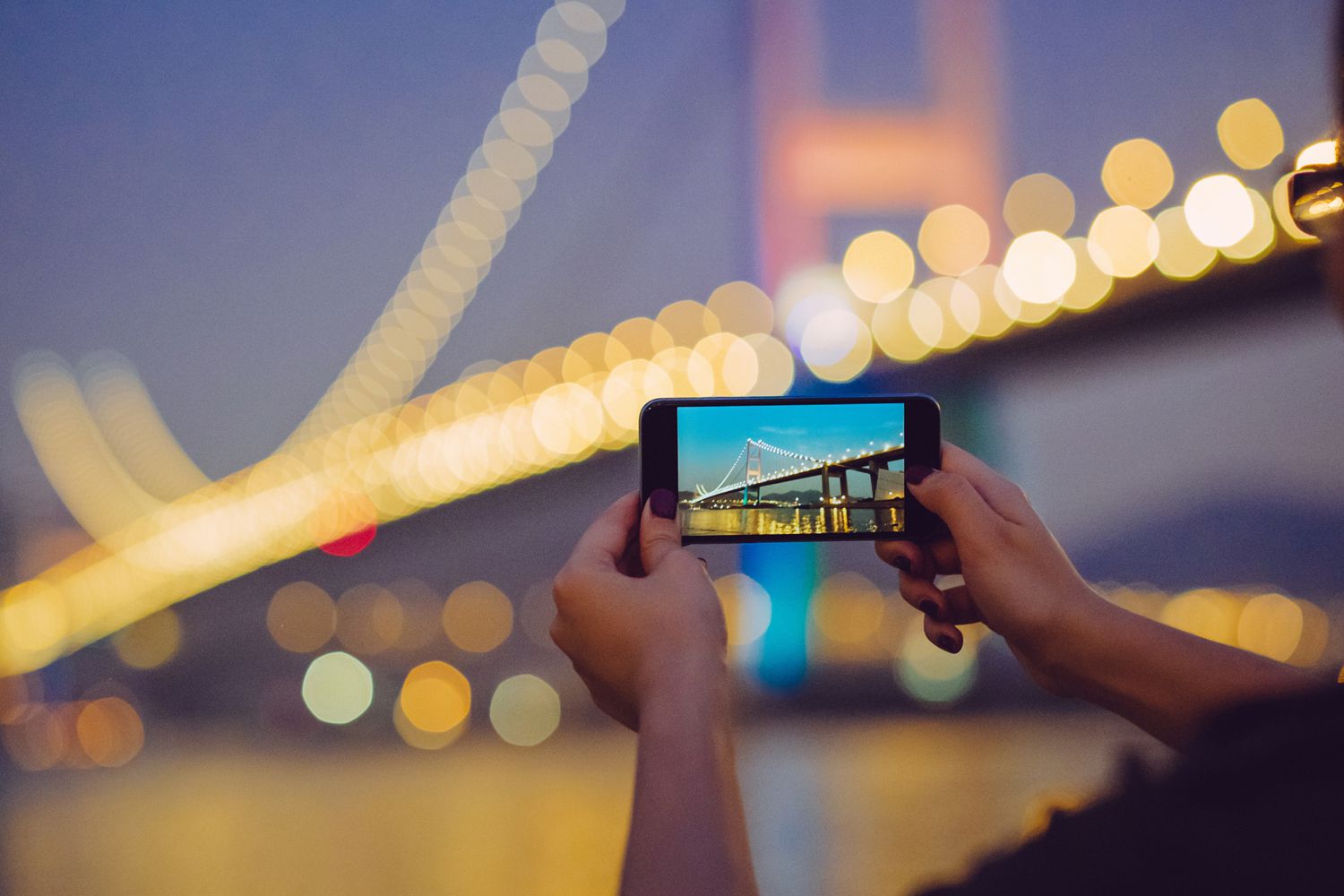
Furthermore, AI-powered cameras can also offer innovative shooting modes and features. For example, some cameras can leverage AI to create stunning bokeh effects, where the subject is in sharp focus while the background is artistically blurred. AI algorithms can detect the subject and apply the appropriate aperture settings to achieve this effect.
Light Field Cameras
Light field cameras are a groundbreaking technology that is changing the way we capture and interact with images. Unlike traditional cameras, light field cameras capture not only the intensity of the light entering the lens but also the direction in which it is traveling. This unique capability allows for a wealth of post-processing possibilities and creative freedom.
With a light field camera, photographers have the ability to adjust focus after the photo has been taken. This means that you no longer have to worry about capturing the perfect focus in the moment – you can simply take the shot and adjust the focus later in post-production. This is a game-changer for photographers, as it allows for more flexibility and precision in achieving the desired depth of field.
Another advantage of light field cameras is the ability to generate 3D images. By capturing the direction of light rays, these cameras can reconstruct a 3D representation of the scene. This opens up opportunities for immersive experiences and virtual reality applications.
In addition to focus and depth of field control, light field cameras also allow for changing the perspective of an image. With a traditional camera, once the photo is taken, you can only view it from the same angle. However, with a light field camera, you can adjust the perspective and explore the image from different viewpoints. This adds a new level of interactivity and creative possibilities to photography.
Light field cameras are still relatively new and are continuing to evolve. As the technology advances, we can expect even more innovative features and applications. For example, there are already experiments with light field cameras that can capture not only the direction of light but also its wavelength. This opens up possibilities for capturing more detailed information about the scene’s color and spectral composition.
Light field cameras may not yet be a mainstream technology, but they are undoubtedly a fascinating area of development in the world of photography. They offer photographers unprecedented control and freedom to manipulate and interact with images in ways that were previously unimaginable. As this technology continues to advance, we can expect to see it becoming more accessible and widespread, empowering photographers to push the boundaries of creativity.
Augmented Reality Cameras
Augmented reality (AR) cameras are taking photography and videography to a whole new level by seamlessly blending the real world with computer-generated elements. These cameras are equipped with advanced sensors and software that allow for the overlay of virtual objects onto the real environment in real-time.
One of the main applications of AR cameras is in the entertainment industry. Filmmakers and content creators can use these cameras to add lifelike digital elements to their scenes, creating stunning visual effects and immersive experiences. With AR cameras, it becomes possible to seamlessly integrate virtual characters, objects, or environments into live-action footage.
In addition to entertainment, AR cameras also have a wide range of practical applications. For example, in architecture and interior design, these cameras can be utilized to project virtual furniture or design elements onto a real space, allowing clients to visualize and assess different design options before making any physical changes.
Another practical use case for AR cameras is in the field of education. These cameras can be employed to create interactive educational experiences where virtual elements, such as 3D models or historical reenactments, can be overlaid onto real-world environments. This makes learning more engaging and immersive for students.
Furthermore, AR cameras are also empowering social media and communication platforms. Users can create augmented reality filters and effects that can be applied in real-time through their cameras. These filters enhance selfies and videos, adding playful and creative elements to the user’s content.
The development of AR cameras is also driving advancements in computer vision and object tracking. The cameras use sophisticated algorithms to accurately detect and track the real-world environment, allowing virtual objects to interact seamlessly with the surroundings. This level of precision and realism is crucial for creating convincing augmented reality experiences.
As AR technology continues to evolve, we can expect augmented reality cameras to become even more sophisticated and accessible. With improved sensors, processing power, and user-friendly interfaces, these cameras will unlock new creative possibilities and transform various industries. Whether it’s for entertainment, education, design, or social media, AR cameras have the potential to revolutionize the way we perceive and interact with the world around us.
Computational Photography
Computational photography is a field that combines advanced imaging techniques with powerful algorithms to produce stunning, high-quality photographs. This emerging technology goes beyond the capabilities of traditional photography by leveraging the computational power of devices to enhance and manipulate images in ways that were not previously possible.
One of the key aspects of computational photography is the ability to capture multiple images and use them to create a single, enhanced photo. With techniques like image stacking, HDR (High Dynamic Range), and exposure bracketing, cameras can capture a series of images with different settings and combine them to produce a single image that has enhanced dynamic range, improved exposure, and superior detail.
Another exciting application of computational photography is in the realm of low-light photography. With techniques like image noise reduction, long exposure simulation, and super-resolution, cameras can deliver impressive low-light performance, capturing well-exposed and noise-free images even in challenging lighting conditions.
Computational photography also enables exciting features such as portrait mode, which creates a shallow depth of field effect by accurately separating the subject from the background. This is achieved by utilizing algorithms that analyze depth information and apply sophisticated blur effects to create a professional-looking bokeh effect.
Furthermore, computational photography is advancing the field of image recognition and augmented reality. Through advanced algorithms, cameras can identify objects and scenes and overlay relevant information or virtual elements onto the image in real-time. This opens up a new world of interactive and informative visual experiences.
As computational power continues to improve, we can expect even more groundbreaking advancements in this field. For example, there are already experiments with computational photography techniques that allow for post-capture refocusing, where the focus point of an image can be adjusted after it has been taken. This level of flexibility and control over the final image is truly revolutionary.
Computational photography is reshaping the way we capture and manipulate images. By utilizing the power of algorithms and advanced image processing techniques, cameras can exceed the limits of traditional photography, delivering stunning results and unlocking new creative possibilities. As technology continues to evolve, we can anticipate more innovative features and applications in the field of computational photography.
Quantum Cameras
Quantum cameras are a revolutionary technology that harnesses the principles of quantum physics to capture images with unprecedented levels of sensitivity and precision. These cameras utilize the unique properties of quantum mechanics to enhance various aspects of photography, including resolution, sensitivity, and security. While still in the early stages of development, quantum cameras hold great potential for transforming the field of imaging.
One of the key advantages of quantum cameras is their ability to capture images at extremely low light levels. Traditional cameras rely on photons to capture light, but quantum cameras can leverage quantum effects such as entanglement and superposition to detect and amplify even the faintest traces of light. This opens up possibilities for capturing clear and detailed images in situations where conventional cameras would struggle, such as astrophotography or scientific research.
Moreover, quantum cameras have the potential to significantly increase image resolution. By exploiting quantum principles, these cameras can achieve sub-wavelength imaging, allowing for the capture of finer details and structures that are smaller than the wavelength of light. This breakthrough could have significant applications in fields like microscopy, where high-resolution imaging is crucial.
Quantum cameras also offer enhanced security features. Quantum cryptography, based on the principles of quantum physics, enables secure communication and image encryption that cannot be easily intercepted or decoded. By utilizing the quantum properties of entanglement and uncertainty, quantum cameras can produce encrypted images that are virtually impossible to decrypt without the correct quantum key.
Although quantum cameras are still in the experimental stage, they have already shown promise in several scientific applications. For instance, researchers have successfully used quantum cameras for quantum ghost imaging, where images can be obtained without any direct interaction between the camera and the object being imaged. This technique has potential applications in fields such as remote sensing and medical imaging.
As quantum technology continues to advance, we can expect quantum cameras to become more practical and commercially viable. With further research and development, these cameras could revolutionize various industries, including photography, astronomy, healthcare, and security. While there are still significant challenges to overcome, quantum cameras represent an exciting frontier in imaging technology and hold the promise of transforming the way we capture and perceive the world around us.
3D Cameras
3D cameras have brought a new dimension to the world of photography, literally. These cameras are designed to capture images and videos in three dimensions, giving viewers a more immersive and realistic visual experience.
Unlike traditional cameras that capture images on a flat plane, 3D cameras use multiple lenses or sensors to capture depth information. By capturing the same scene from slightly different angles, these cameras can recreate the depth and perspective that our eyes perceive in the real world.
With the advent of 3D cameras, photography has evolved from a two-dimensional representation of the world to a more immersive and engaging medium. Viewers can now experience images and videos with a sense of depth, making them feel like they are part of the scene.
One of the popular applications of 3D cameras is in the field of virtual reality (VR). By capturing scenes in 3D, these cameras enable the creation of immersive VR experiences where users can explore virtual environments as if they were physically present.
3D cameras also have practical applications in various industries. For instance, in architecture and interior design, 3D cameras can be used to create virtual walkthroughs and realistic renderings of spaces. This allows clients to visualize and assess design concepts before any physical construction takes place.
In the entertainment industry, 3D cameras have been used to capture stunning 3D movies that give viewers a truly immersive cinematic experience. From animated films to action-packed blockbusters, 3D cameras have brought a new level of realism and excitement to the big screen.
Furthermore, 3D cameras have found applications in various scientific fields. For example, in medical imaging, 3D cameras can capture detailed 3D models of anatomical structures, aiding in diagnostics and surgical planning.
As technology advances, we can expect 3D cameras to become more accessible and widespread. With improvements in image quality, ease of use, and affordability, 3D cameras have the potential to become a mainstream tool for capturing and sharing immersive experiences.
While 3D cameras offer a unique and exciting way to capture and explore the world, it’s important to note that they still face challenges. Capturing and viewing 3D content requires special displays or glasses, which limits its widespread adoption. However, with the growing interest in virtual reality and augmented reality, it’s possible that 3D cameras will become an integral part of these immersive technologies in the future.
Hyperspectral Imaging
Hyperspectral imaging is an advanced technique that allows for the capture and analysis of images across a wide range of wavelengths. Unlike traditional cameras that capture images in three primary color channels (red, green, and blue), hyperspectral cameras can capture images in numerous narrow and contiguous spectral bands.
This high spectral resolution enables hyperspectral cameras to capture detailed information about the composition and properties of the objects or scenes being photographed. Each spectral band corresponds to a specific wavelength, which can reveal unique characteristics such as chemical composition, material identification, and vegetation health.
Hyperspectral imaging has proven to be invaluable in a variety of fields. In agriculture, for example, it can be used to monitor crop health and optimize irrigation and fertilizer usage by analyzing the spectral signatures of different plants and identifying stress indicators.
Furthermore, in environmental monitoring, hyperspectral imaging can observe and analyze the composition of bodies of water, detect and track oil spills, and identify and monitor the spread of harmful algal blooms.
Hyperspectral imaging also finds applications in remote sensing and geology. By analyzing the unique spectral characteristics of different minerals and rock formations, hyperspectral cameras can help identify and map geological features, such as mineral deposits and geological structures.
Another fascinating application of hyperspectral imaging is in the field of art and cultural heritage. By analyzing the spectral fingerprints of artworks, conservators and art historians can gain insight into the materials used, detect hidden layers or alterations, and aid in the authentication and restoration of valuable pieces.
While hyperspectral imaging provides a wealth of data that is invaluable for scientific research and analysis, it also poses challenges in terms of data processing and analysis. The vast amount of data generated by hyperspectral cameras requires specialized software and algorithms to extract meaningful information and derive actionable insights.
Despite these challenges, hyperspectral imaging is a powerful tool with immense potential. With further advancements in technology and data processing techniques, it is likely that hyperspectral cameras will become even more accessible and refined, opening up new opportunities for scientific research, environmental monitoring, cultural preservation, and various other industries.
Gesture-Recognition Cameras
Gesture-recognition cameras are a groundbreaking technology that allows for the recognition and interpretation of human gestures and movements. These cameras utilize advanced sensors and algorithms to detect and analyze the subtle movements of the human body, enabling interaction with devices and systems in a hands-free and intuitive manner.
One of the primary applications of gesture-recognition cameras is in user interfaces and control systems. By recognizing specific hand or body gestures, these cameras can enable gesture-based control of devices such as smartphones, tablets, gaming consoles, and smart TVs. Users can navigate through menus, play games, control media, and interact with applications, all with simple gestures.
Gesture-recognition cameras also offer compelling possibilities in the field of virtual and augmented reality. By tracking the movements of the hands and body, these cameras can create immersive experiences where users can interact with virtual objects and environments using natural gestures. This enhances the sense of presence and interactivity in virtual worlds.
In addition to entertainment and gaming, gesture-recognition cameras have practical applications in various industries. For example, in healthcare settings, these cameras can be utilized for touchless control of medical equipment, reducing the risk of cross-contamination in hospital rooms and operating theaters.
Furthermore, gesture-recognition cameras have the potential to revolutionize the automotive industry. By analyzing the driver’s gestures, these cameras can detect drowsiness, distraction, or potential health issues, and alert the driver or initiate proactive safety measures. They can also enable gesture-based control of infotainment systems, reducing driver distraction.
Gesture-recognition cameras can also enhance accessibility for individuals with disabilities or limited mobility. By allowing them to control devices and interact with technology using gestures, these cameras can empower independence and improve the overall user experience.
While gesture recognition technology has made significant advancements, it still faces challenges such as accurately tracking complex hand or body movements and handling occlusions. However, ongoing research and development are addressing these limitations and further refining the capabilities of gesture-recognition cameras.
As technology continues to progress, we can anticipate more innovative applications and enhancements in gesture recognition. With improved accuracy, sensitivity, and ease of use, gesture-recognition cameras have the potential to revolutionize the way we interact with technology, opening up new possibilities for intuitive and immersive user experiences.
Wearable Cameras
Wearable cameras have become increasingly popular in recent years, enabling individuals to capture moments and experiences from their own unique perspectives. These compact and hands-free cameras can be attached to clothing, accessories, or even worn as part of eyewear, allowing for effortless and immersive photography and videography.
One of the main advantages of wearable cameras is their convenience and ease of use. They offer a hands-free experience, freeing users from holding a camera and allowing them to fully engage in the moment while still capturing high-quality photos and videos.
Wearable cameras are particularly popular among adventure enthusiasts, athletes, and travelers who want to capture their experiences in a unique and immersive way. Whether it’s skiing down a mountain, scaling a rock face, or exploring a new city, wearable cameras allow for a first-person perspective, offering a more realistic and dynamic documentation of the experience.
These cameras are also changing the way we document important events and moments in our personal lives. From capturing a child’s first steps to documenting a wedding ceremony, wearable cameras offer a more intimate and authentic view of these precious moments from the perspective of the individual directly involved.
Furthermore, wearable cameras are empowering content creators and social media enthusiasts to share their lives in real-time. With live streaming features and instant sharing capabilities, users can provide their followers with a glimpse into their experiences as they happen, creating a sense of immediacy and authenticity.
Wearable cameras are not limited to capturing images and videos alone. Many of these devices also come equipped with additional features such as GPS tracking, heart rate monitoring, and data recording capabilities. This makes them useful for tracking fitness activities, documenting outdoor adventures, or even monitoring vital signs for medical purposes.
As technology evolves, we can expect wearable cameras to become even more sophisticated and versatile. With improvements in image quality, battery life, and connectivity, these cameras will continue to push the boundaries of personal storytelling and provide users with innovative ways to capture and share their experiences with the world.
However, as wearable cameras gain popularity, it is important to address concerns regarding privacy and consent. Clear guidelines and responsible usage can help ensure that wearable cameras are used ethically and respect the privacy rights of others.
Overall, wearable cameras are transforming the way we capture and share our experiences, providing an immersive and authentic perspective that was not possible with traditional cameras. They are enabling us to tell our stories in new and exciting ways, and the future holds even more potential for this innovative technology.
Smart Cameras for Security
Smart cameras have revolutionized the field of security by combining advanced imaging technologies with intelligent features. These cameras, equipped with powerful sensors, algorithms, and connectivity options, offer enhanced surveillance capabilities, making them invaluable tools for various security applications.
One of the key advantages of smart cameras is their ability to analyze and interpret the visual data they capture in real-time. With built-in artificial intelligence algorithms, these cameras can automatically detect and track objects, people, and events, enabling proactive security monitoring and response. Whether it’s detecting unauthorized access, identifying suspicious behavior, or monitoring crowded areas, smart cameras can provide timely alerts and notifications, helping to prevent potential security threats.
Moreover, smart cameras offer advanced video analytics capabilities. Using features such as facial recognition, license plate recognition, and object detection, these cameras can quickly identify individuals, vehicles, or specific objects of interest. This assists in investigations, enables access control systems, and enhances overall security efficiency.
Smart cameras are also designed to adapt to different environmental conditions. They feature advanced image processing and optimization techniques to deliver clear and detailed images, even in challenging lighting or weather conditions. Additionally, with features like wide dynamic range and low-light sensitivity, smart cameras can capture accurate and usable footage in both bright and dark environments.
Another advantage of smart cameras is their integration with other security systems and technologies. These cameras can be seamlessly connected to alarm systems, access control systems, and centralized management platforms, creating a comprehensive and cohesive security infrastructure. This integration allows for streamlined monitoring, centralized control, and effective response coordination.
Furthermore, smart cameras can leverage connectivity options such as Wi-Fi or cellular networks to provide real-time remote access and monitoring. This enables security personnel to monitor the premises from anywhere, enhancing situational awareness and facilitating rapid response in case of emergencies.
As technology advances, smart cameras are becoming more sophisticated, incorporating features such as edge computing and cloud connectivity. Edge computing allows for on-site processing and analysis of video data, reducing reliance on external servers and improving response times. Cloud connectivity, on the other hand, enables storage and remote access to video footage, providing convenient retrieval and archival options.
Smart cameras have proven to be instrumental in enhancing security in a wide range of environments, including residential areas, commercial buildings, public spaces, and transportation hubs. The continuous advancements in smart camera technology promise further improvements in accuracy, scalability, and cost-effectiveness, making them an essential component of modern security systems.