What is Data-Efficient Connectivity?
Data-efficient connectivity refers to the ability to utilize internet services without consuming excessive data. This approach allows users to stay connected while minimizing data usage, making it an ideal solution for individuals who have limited data plans or are in areas with restricted access to Wi-Fi. One of the most effective methods of achieving data-efficient connectivity is by using a hotspot without consuming data.
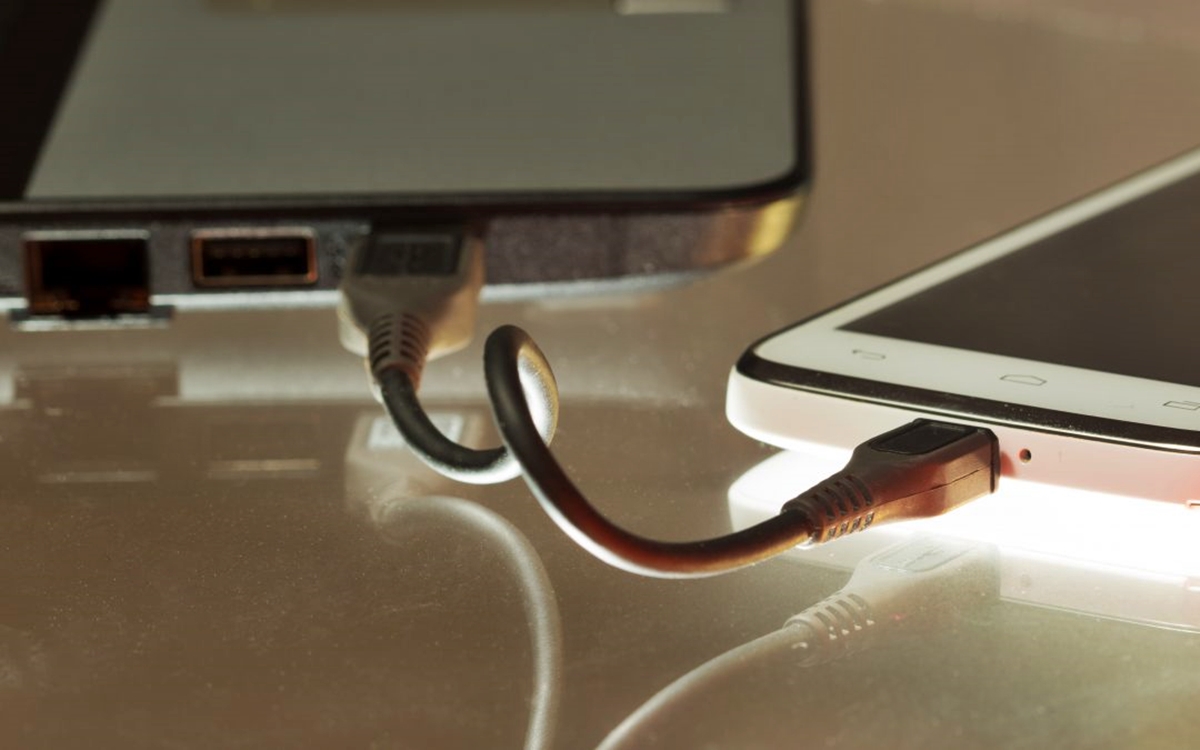
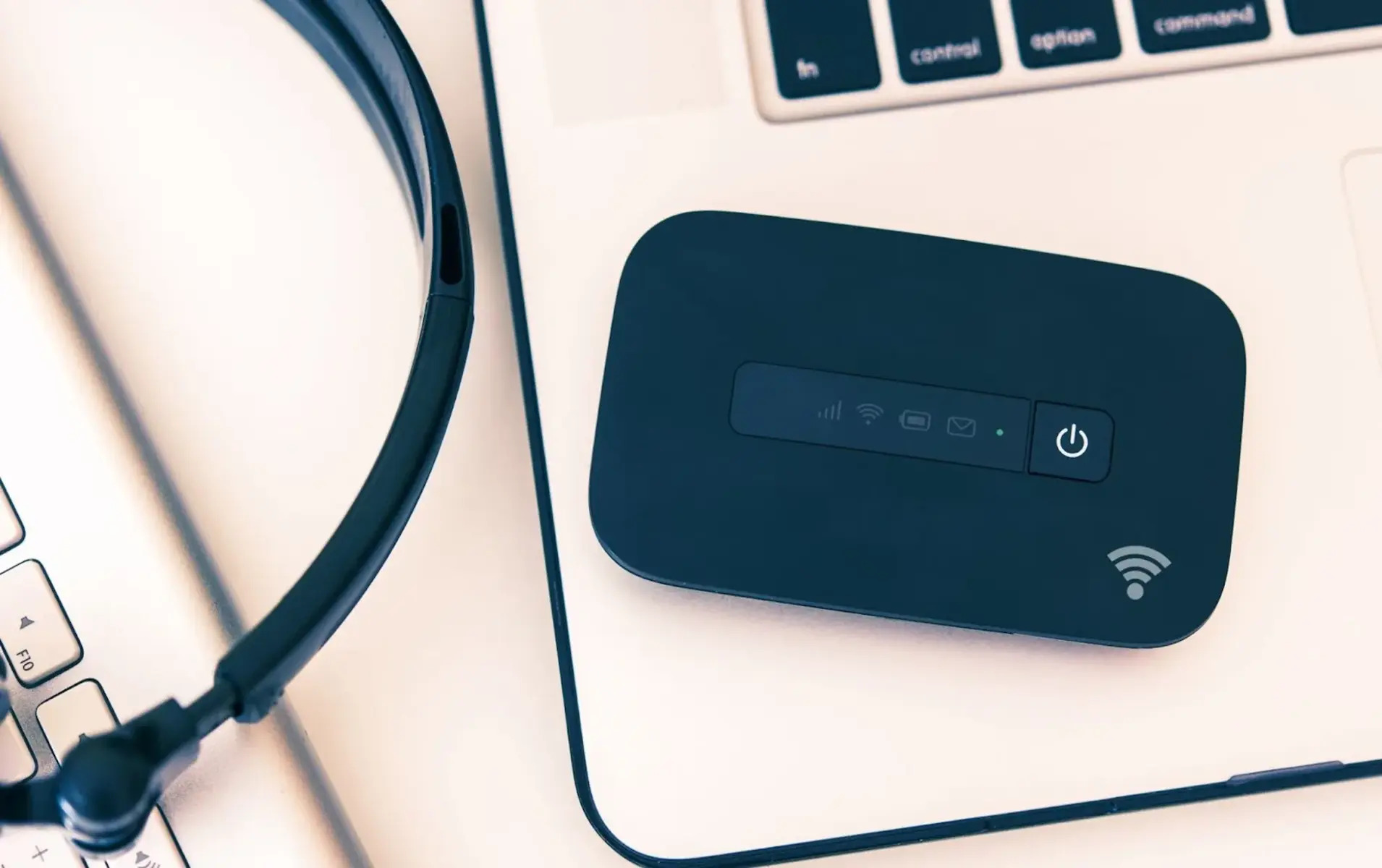
When you use a hotspot without consuming data, you can connect your devices to the internet through another device that has an active data connection, such as a smartphone or a portable Wi-Fi hotspot device. By doing so, you can take advantage of the existing data plan on the connected device without incurring additional data charges on the devices accessing the internet via the hotspot.
This method is particularly beneficial for individuals who need internet access on multiple devices but want to conserve data usage. Whether you are traveling, working remotely, or simply seeking a cost-effective way to stay connected, data-efficient connectivity through a hotspot offers a practical solution for managing data usage while maintaining internet access.
Benefits of Using Hotspot without Consuming Data
Utilizing a hotspot without consuming data offers several advantages, making it a valuable option for individuals seeking cost-effective and efficient connectivity.
- Cost Savings: By using a hotspot without consuming data, users can avoid exceeding their data limits and incurring additional charges. This approach enables individuals to make the most of their existing data plans without the fear of unexpected expenses.
- Flexibility: With a data-efficient hotspot, users can connect multiple devices to the internet using a single data source. This flexibility is particularly beneficial for individuals who need to access the internet on various devices, such as laptops, tablets, and other smartphones, without relying on separate data plans for each device.
- Accessibility: Hotspots provide internet access in areas where Wi-Fi may be unavailable or unreliable. By using a hotspot without consuming data, individuals can stay connected while on the go, whether they are traveling, attending outdoor events, or working in remote locations.
- Convenience: Setting up a hotspot without consuming data is relatively easy and can be done quickly, providing a convenient way to establish internet connectivity for devices that do not have direct access to a Wi-Fi network.
- Sharing: Data-efficient hotspots allow users to share their internet connection with others, fostering collaboration and connectivity in various settings, such as meetings, group projects, or social gatherings.
Overall, the benefits of using a hotspot without consuming data extend beyond mere cost savings, offering users the flexibility, accessibility, convenience, and sharing capabilities necessary to stay connected in a data-efficient manner.
How to Set Up a Data-Efficient Hotspot
Setting up a data-efficient hotspot is a straightforward process that enables users to share their device’s internet connection without consuming additional data. Follow these steps to create a data-efficient hotspot:
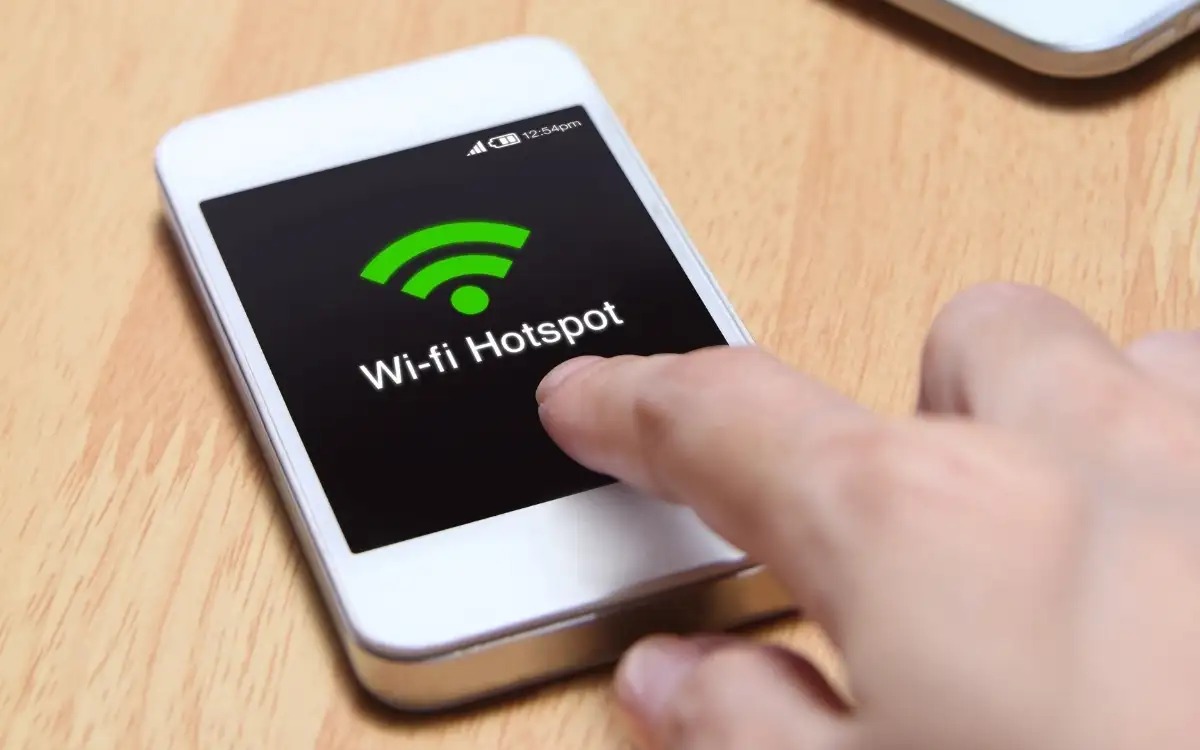
- Access Hotspot Settings: On your smartphone or portable hotspot device, navigate to the settings menu and locate the option for creating a hotspot. This feature may be labeled as “Mobile Hotspot,” “Tethering,” or “Personal Hotspot,” depending on the device and operating system.
- Configure Hotspot Settings: Once in the hotspot settings, customize the name (SSID) and password for your hotspot to ensure secure connectivity. Choose a strong password to prevent unauthorized access to your hotspot.
- Enable Hotspot: Activate the hotspot feature to start broadcasting your device’s internet connection. Ensure that the device’s cellular data or data plan is active and functioning properly to provide internet access to connected devices.
- Connect Devices: On the devices you wish to connect to the hotspot, access the Wi-Fi settings and select your hotspot from the list of available networks. Enter the password you set up in the previous step to establish a secure connection.
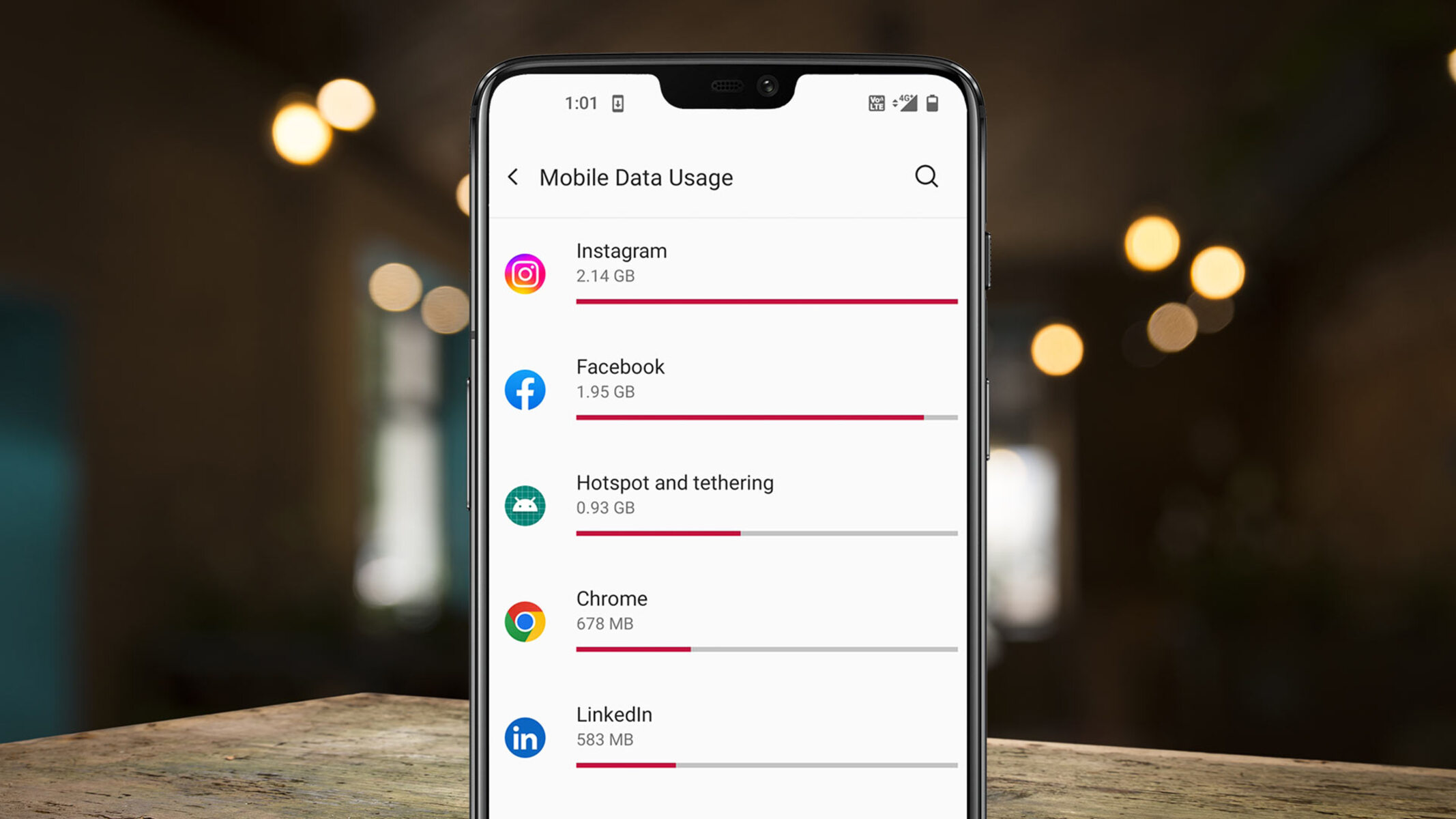
- Monitor Data Usage: Keep track of the data usage on the device hosting the hotspot to avoid exceeding data limits. Some devices provide data usage statistics, allowing users to monitor and manage their data consumption effectively.
By following these steps, users can create a data-efficient hotspot to share their internet connection with other devices, enabling them to stay connected without consuming additional data.
Tips for Maximizing Data-Efficient Connectivity
When using a hotspot without consuming excessive data, implementing certain strategies can help maximize data efficiency and optimize the overall connectivity experience. Consider the following tips to make the most of data-efficient connectivity:
- Limit Background Data Usage: Configure your devices to restrict background data usage for apps and services that are not actively in use. This can help conserve data and prevent unnecessary consumption while connected to a hotspot.
- Utilize Data-Saving Features: Many devices and apps offer data-saving features that compress images, reduce video quality, or minimize data usage during browsing. Enable these features to reduce data consumption without sacrificing the overall user experience.
- Monitor Data Usage: Regularly monitor the data usage on both the host device and the connected devices to stay informed about data consumption. Set data usage alerts or limits to receive notifications when approaching predefined data thresholds.
- Opt for Wi-Fi-Only Updates: Configure your devices to download software updates and app updates only when connected to a Wi-Fi network, preventing automatic updates from consuming cellular data while using a hotspot.
- Streamline Data-Intensive Activities: When connected to a data-efficient hotspot, prioritize essential tasks and minimize data-intensive activities such as high-definition video streaming or large file downloads to conserve data for critical usage.
- Explore Data-Optimized Apps: Use apps and services that offer data optimization options, allowing you to tailor settings for minimal data usage without compromising functionality.
- Consider Offline Access: Download content, such as maps, documents, and media, for offline access before connecting to a hotspot to reduce the need for real-time data retrieval.
- Implement Secure Connectivity: Ensure that the hotspot and connected devices utilize secure connections to safeguard data and prevent unauthorized access, enhancing both privacy and security.
By incorporating these tips into your data-efficient connectivity practices, you can effectively manage data usage and optimize connectivity while utilizing a hotspot without consuming excessive data.
Best Practices for Using Hotspot without Consuming Data
Employing best practices when utilizing a hotspot without consuming data can enhance the overall efficiency, security, and user experience. By following these recommended practices, individuals can make the most of data-efficient connectivity:
- Secure Your Hotspot: Set a strong password for your hotspot to prevent unauthorized access and protect your data from potential security threats. Avoid using easily guessable passwords and regularly update the hotspot’s security settings.
- Regularly Monitor Data Usage: Stay vigilant about data consumption on both the host device and connected devices. Monitoring data usage helps in identifying any unusual spikes in consumption and allows for timely adjustments to prevent exceeding data limits.
- Optimize Device Settings: Configure devices to minimize data usage by disabling automatic updates, limiting background data access, and enabling data-saving features. Tailoring device settings can significantly contribute to data efficiency.
- Establish Data Usage Guidelines: Communicate data usage guidelines and best practices to all users who connect to the hotspot. Encourage responsible data usage to ensure that the available data is utilized effectively and fairly among all users.
- Utilize Data Management Tools: Explore data management tools and apps that offer insights into data usage patterns, provide data-saving recommendations, and enable users to proactively manage their data consumption.
- Regularly Review Data Plans: Periodically review and assess the suitability of your current data plan based on usage patterns and requirements. Upgrading to a more suitable data plan can prevent overage charges and provide a better overall connectivity experience.
- Provide User Education: Educate users on the importance of data efficiency, the impact of data-heavy activities, and the benefits of responsible data usage. Empowering users with knowledge can promote a collective effort to maintain data-efficient connectivity.
- Explore Data-Optimized Services: Consider using data-optimized services and apps that are designed to reduce data consumption without compromising functionality, ensuring a seamless user experience while conserving data.
By adhering to these best practices, users can establish a secure, efficient, and well-managed approach to utilizing a hotspot without consuming excessive data, fostering a reliable and sustainable data-efficient connectivity experience.