Understanding Data Depletion
Understanding Data Depletion
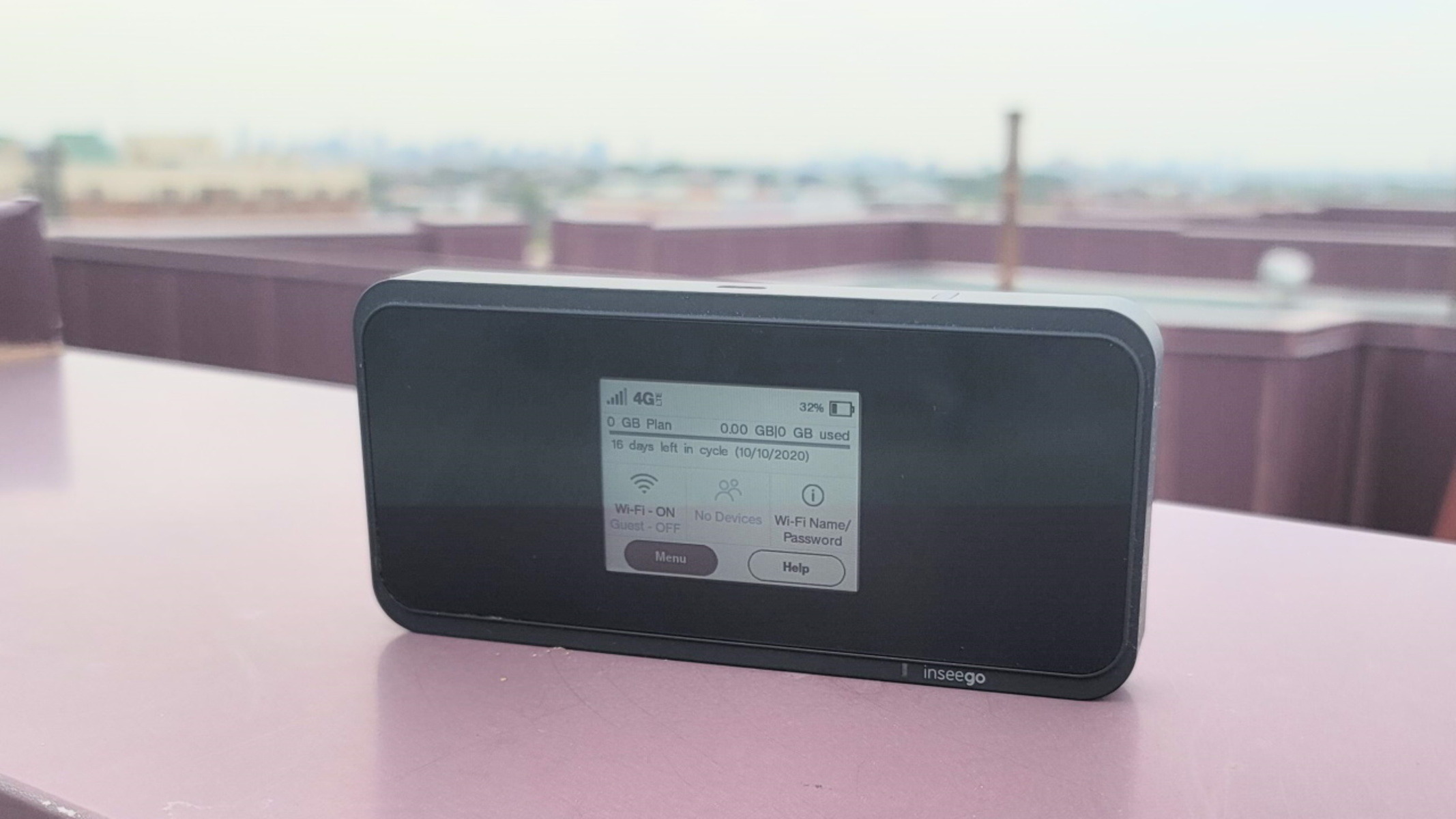
As an avid user of mobile data, it’s crucial to comprehend the concept of data depletion. When you subscribe to a data plan, you are allocated a specific amount of data to use within a given period, typically a month. This data encompasses all your online activities, including browsing the web, streaming videos, sending emails, and using social media platforms. Each action consumes a certain amount of data, and once you exceed your allotted limit, data depletion occurs.
Imagine your data plan as a finite resource, much like a fuel tank in a vehicle. Every time you engage in an online activity, it’s akin to using fuel from that tank. Once the tank runs dry, you are unable to power your vehicle. Similarly, when your data is depleted, your ability to access the internet is hindered, and you may experience reduced speeds or complete restriction from certain online activities.
It’s important to note that data depletion can occur at different rates based on your online behavior. Streaming high-definition videos, downloading large files, and engaging in online gaming consume significantly more data compared to casual web browsing or social media usage. Understanding your data consumption patterns is essential in managing your data effectively and avoiding premature depletion.
Furthermore, data depletion is not solely influenced by the volume of data you consume but also by the number of devices connected to your data plan. If multiple devices are simultaneously utilizing the same data plan, the depletion rate accelerates, leading to a quicker exhaustion of your data allocation.
By comprehending the dynamics of data depletion, you can make informed decisions regarding your internet usage and take proactive measures to optimize your data allocation. This understanding empowers you to navigate the digital landscape more efficiently, ensuring that your online experiences remain seamless and uninterrupted.
Impact on Internet Speed
When your data allocation is depleted, the repercussions extend beyond mere data unavailability. One of the most noticeable effects is the significant impact on your internet speed. As you approach the threshold of data depletion, your internet connection may begin to exhibit sluggishness, causing delays in loading web pages, buffering during video streaming, and sluggish responsiveness across various online platforms.
Imagine navigating through a densely crowded street versus an open highway. Prior to data depletion, your internet speed resembles the smooth flow of traffic on a spacious thoroughfare, allowing you to swiftly access online content and engage in seamless communication. However, as your data dwindles, the digital landscape transforms into a congested, gridlocked street, impeding the swift transmission of data and hindering your online activities.
The adverse impact on internet speed can be particularly frustrating, especially when you rely on a swift and consistent connection for work, education, or entertainment. Tasks that were previously executed with effortless efficiency may become laborious and time-consuming, leading to a decline in productivity and user satisfaction.
Moreover, the diminished internet speed can disrupt the quality of your online experiences, causing frequent interruptions during video calls, online gaming, and media streaming. The frustration stemming from these disruptions can detract from the enjoyment and utility of various online activities, creating a sense of inconvenience and dissatisfaction.
It’s important to recognize that the impact on internet speed is not uniform and can vary based on the specific terms and conditions of your data plan. Some service providers may throttle your internet speed immediately upon data depletion, while others may offer reduced speeds as a courtesy before imposing additional charges or restrictions. Understanding these nuances is crucial in managing your expectations and exploring alternative solutions to mitigate the impact on internet speed.
In essence, data depletion directly correlates with a decline in internet speed, transforming the digital landscape from a seamless expressway to a congested thoroughfare. Recognizing this impact empowers users to adopt proactive measures and seek alternative options to maintain a satisfactory online experience, even in the face of data scarcity.
Additional Charges and Fees
When your data allocation is exhausted, you may find yourself confronted with additional charges and fees from your service provider. Data overage fees are a common consequence of exceeding your allotted data limit, and they can swiftly accumulate, leading to unexpected expenses on your monthly bill.
Service providers typically outline the terms and conditions regarding data overage charges in their contracts or subscription agreements. These charges are often calculated based on the amount of data consumed beyond your plan’s limit, and they can significantly inflate your monthly expenses. The financial impact of these additional charges can catch users off guard, especially if they are unaccustomed to monitoring their data usage or managing their online activities within the confines of their plan.
Furthermore, some service providers may offer the option to purchase additional data once your initial allocation is depleted. While this can provide a temporary reprieve from data scarcity, it often comes at a premium price, further contributing to the financial burden on users. The prospect of paying inflated prices for supplementary data can be disheartening, especially for individuals on a tight budget or those seeking cost-effective internet solutions.
Moreover, the imposition of additional charges and fees can disrupt your financial planning and lead to budgetary strain. Unforeseen expenses resulting from data depletion can impact your ability to allocate funds to other essential needs, creating a sense of financial insecurity and unease.
It’s important for users to familiarize themselves with the specific terms and conditions governing additional charges and fees within their data plans. By understanding the potential financial implications of data depletion, individuals can proactively manage their data usage, explore alternative plans, or seek cost-effective solutions to mitigate the impact of additional charges.
In essence, data depletion often triggers a cascade of additional charges and fees, posing financial challenges for users and disrupting their budgetary stability. By staying informed and vigilant, individuals can navigate these potential financial burdens with greater awareness and seek solutions that align with their financial goals and priorities.
Alternative Options for Data Depletion
When faced with data depletion, exploring alternative options becomes imperative to maintain connectivity and mitigate the adverse impact on your online experiences. Several strategies and solutions can serve as viable alternatives to address data scarcity and alleviate the constraints imposed by depleted data allocations.
One effective approach is to leverage Wi-Fi networks as a substitute for mobile data. Wi-Fi connectivity, often available in homes, offices, public spaces, and commercial establishments, provides a reliable and cost-effective means of accessing the internet without depleting your mobile data. By prioritizing Wi-Fi usage for bandwidth-intensive activities such as video streaming and large file downloads, users can conserve their mobile data for essential on-the-go tasks, effectively extending the longevity of their data allocation.
Additionally, users can explore the option of data rollover offered by certain service providers. Data rollover allows unused data from the previous billing cycle to be carried over to the subsequent month, providing users with an extended buffer of data that can offset potential depletion. This feature can be instrumental in mitigating the repercussions of data scarcity and ensuring a more consistent and sustainable internet experience.
Another alternative involves optimizing data usage through the implementation of data-saving features and applications. Many smartphones and mobile devices offer built-in data-saving functionalities that restrict background data usage, limit video streaming quality, and compress web content, effectively reducing the amount of data consumed during online activities. Furthermore, third-party applications designed to monitor and manage data usage can provide valuable insights and control mechanisms to help users conserve their data allocation and avoid premature depletion.
For individuals consistently grappling with data depletion, exploring alternative data plans with higher allocations or unlimited data options may present a viable long-term solution. While these plans may entail higher subscription costs, they can offer greater flexibility, reduced concerns about data scarcity, and enhanced peace of mind regarding internet connectivity.
By embracing these alternative options, users can proactively address data depletion and navigate the digital landscape with greater resilience and adaptability. These strategies empower individuals to optimize their data usage, extend the longevity of their data allocation, and maintain a consistent and reliable internet connection, ultimately enhancing their overall online experiences.
Tips for Managing Data Usage
Effectively managing data usage is essential for optimizing your data allocation and avoiding premature depletion. By implementing mindful practices and leveraging available tools, individuals can exert greater control over their data consumption, ensuring a more sustainable and efficient utilization of their internet resources.
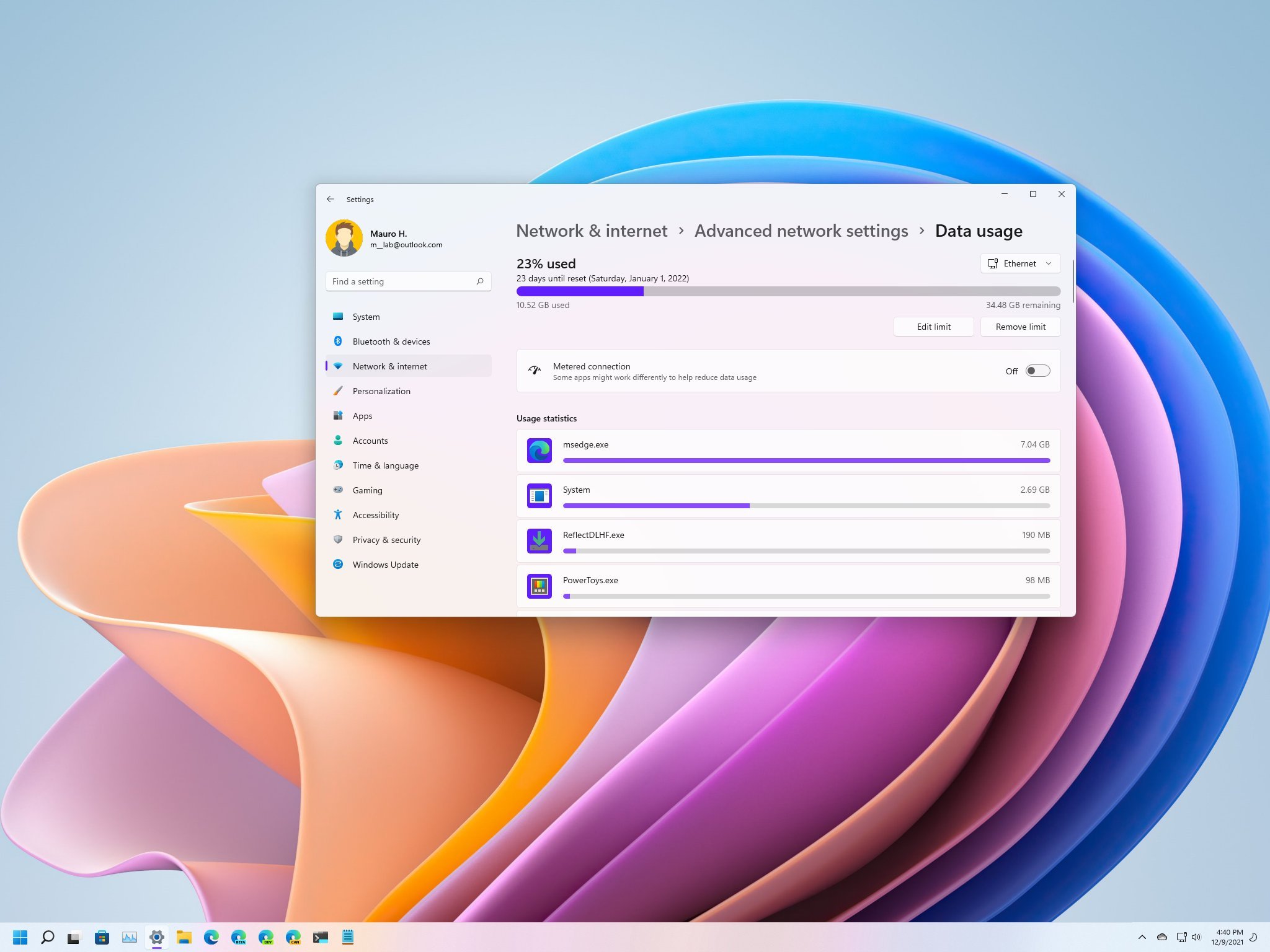
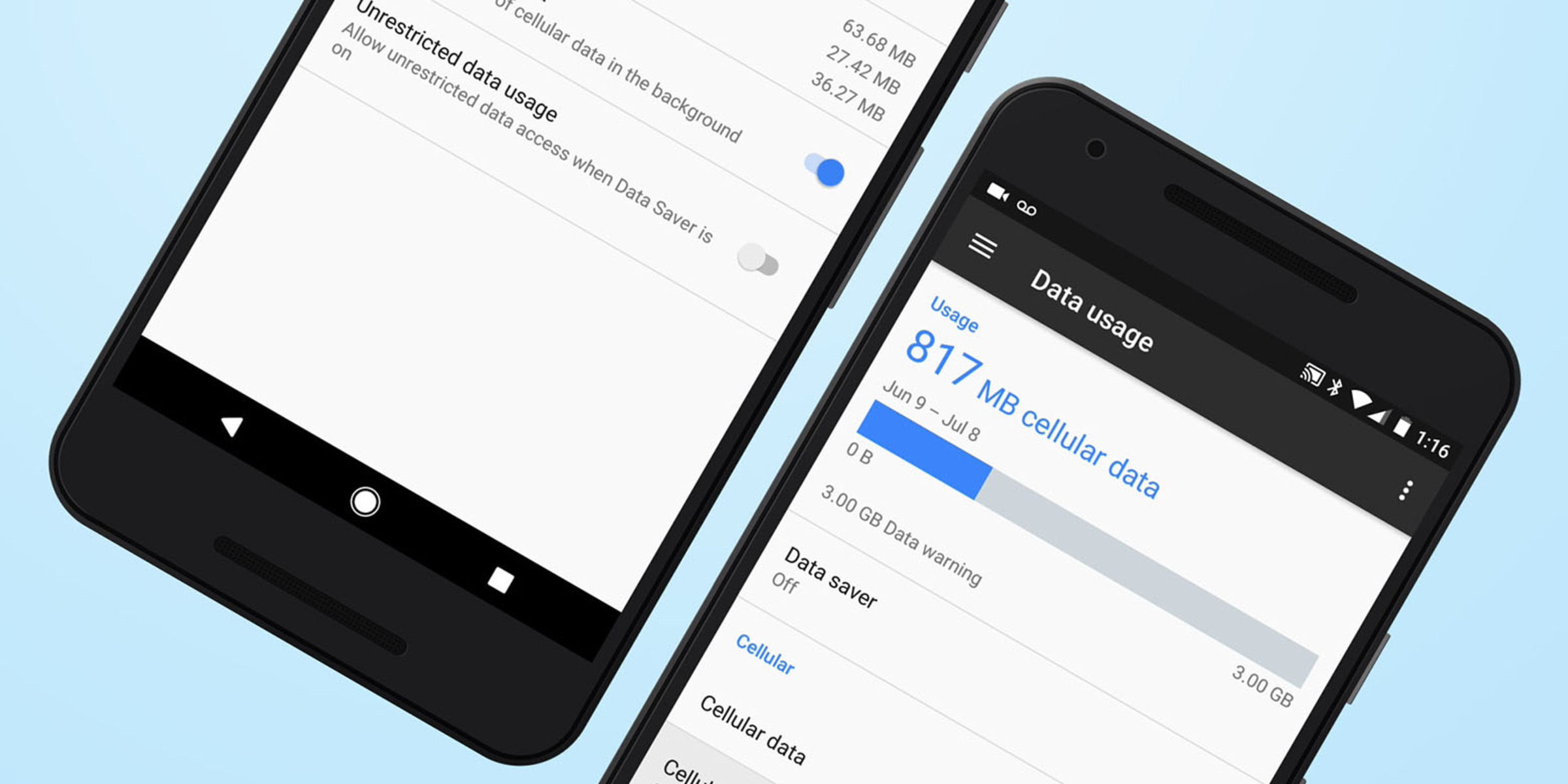
One fundamental strategy for managing data usage involves monitoring your data consumption regularly. Most smartphones and service providers offer tools to track data usage, enabling users to stay informed about their data consumption patterns and identify potential sources of excessive usage. By regularly reviewing these metrics, individuals can gain insights into their data habits and make informed adjustments to their online activities.
Furthermore, prioritizing Wi-Fi connectivity whenever possible can significantly alleviate the burden on mobile data. Utilizing Wi-Fi networks in homes, workplaces, and public spaces for data-intensive tasks can preserve mobile data for essential on-the-go activities, effectively extending the lifespan of your data allocation.
Embracing data-saving features and applications can also play a pivotal role in managing data usage. Activating settings that restrict background data usage, minimize video streaming quality, and compress web content can substantially reduce the amount of data consumed during online activities. Additionally, utilizing data-monitoring applications can provide real-time visibility into data usage and empower users to proactively adjust their online behavior to align with their data allocation.
Another effective tip for managing data usage is to identify and minimize data-hungry applications and services. Certain applications, particularly those that continuously sync data or stream high-definition content, can disproportionately deplete your data allocation. By assessing and potentially limiting the usage of these applications, users can mitigate excessive data consumption and preserve their data for essential tasks.
Lastly, exploring alternative data plans with higher allocations or unlimited data options can provide a more sustainable and stress-free approach to managing data usage. While these plans may entail higher subscription costs, they offer greater flexibility and peace of mind regarding data scarcity, ensuring a more consistent and reliable internet connection.
By incorporating these tips into their digital routines, individuals can proactively manage their data usage, optimize their data allocation, and navigate the digital landscape with greater confidence and control. These practices empower users to make the most of their data resources, enhancing their online experiences while mitigating the risk of data depletion.