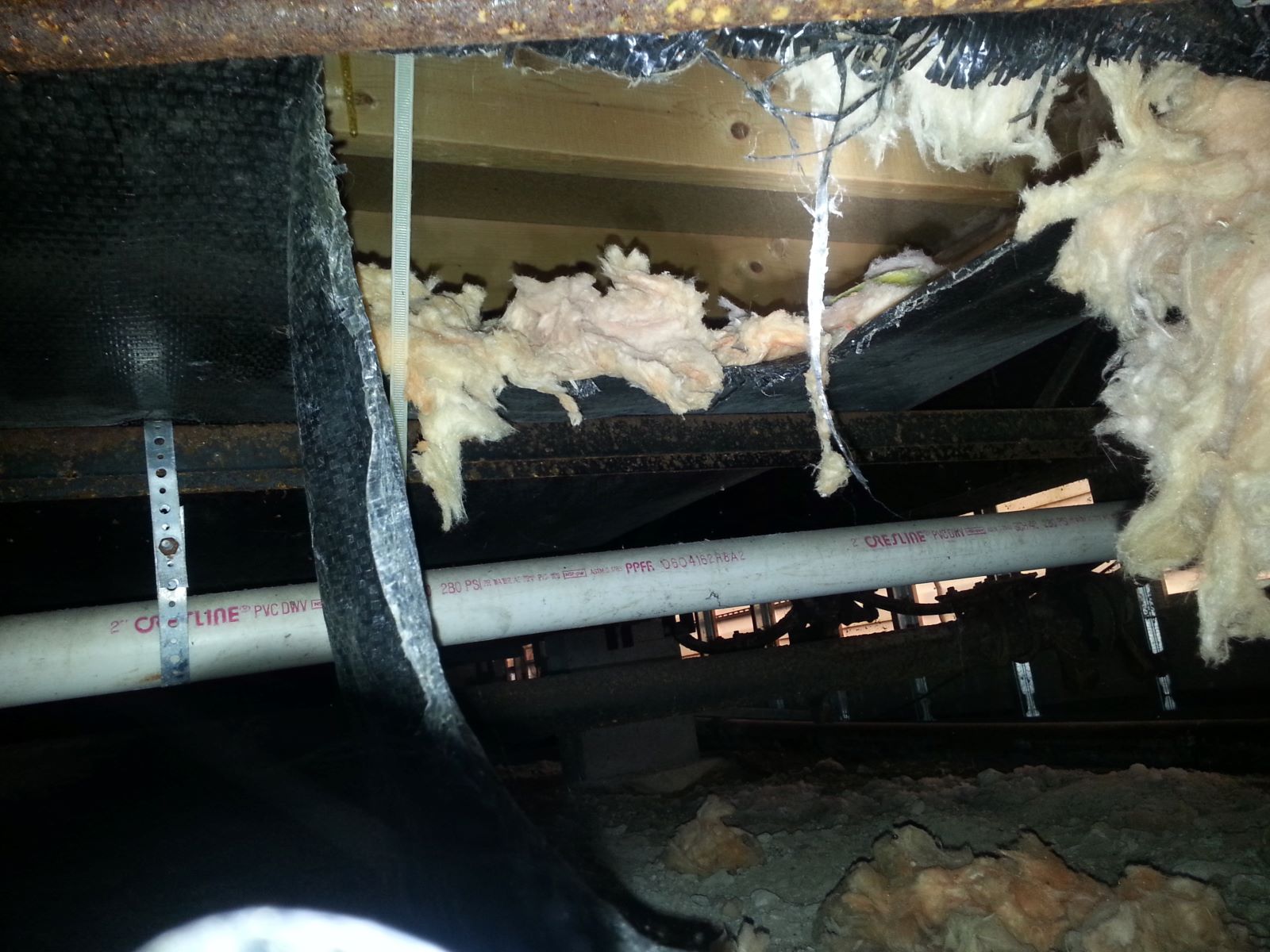
Common Signs of Incorrect Waterproof Barrier
Ensuring the proper installation of a waterproof barrier under a mobile home is crucial for safeguarding the structure against moisture-related issues. When the waterproof barrier is improperly installed or compromised, a range of telltale signs may manifest, indicating potential problems. By recognizing these signs early on, homeowners can take proactive measures to address the issues and prevent further damage. Here are some common signs to look out for:
Standing Water
The presence of standing water under a mobile home is a clear indication of a compromised waterproof barrier. This can occur due to poor drainage, damaged vapor barriers, or inadequate sealing around utility penetrations.
Mold and Mildew Growth
Excessive moisture from a faulty waterproof barrier can lead to the growth of mold and mildew, particularly in dark, damp areas. These fungi not only pose health risks but also indicate a serious moisture intrusion problem.
Warped or Buckling Floors
When moisture seeps through the barrier and saturates the subfloor, it can cause the floorboards to warp or buckle. This visible distortion is a red flag for underlying moisture issues.
Musty Odors
A musty or damp odor inside the mobile home often signifies the presence of mold, mildew, or stagnant water resulting from a compromised waterproof barrier.
High Humidity Levels
Inadequate moisture control due to a faulty waterproof barrier can elevate indoor humidity levels, leading to discomfort and contributing to the deterioration of building materials.
Cracked or Peeling Flooring
Moisture intrusion can cause flooring materials to crack, warp, or peel, signaling potential issues with the waterproof barrier's effectiveness.
Insect Infestations
Moist environments created by a compromised waterproof barrier can attract pests such as termites, ants, and cockroaches, which thrive in damp conditions.
Increased Utility Bills
Unexplained spikes in utility bills may stem from compromised insulation and increased energy consumption due to moisture-related issues caused by an ineffective waterproof barrier.
Damp or Wet Insulation
Moisture intrusion can compromise the insulation under the mobile home, reducing its effectiveness and potentially leading to further moisture-related problems.
Stained or Damp Walls
Water stains or damp patches on interior walls may indicate water intrusion from a compromised waterproof barrier, highlighting the need for immediate attention to prevent structural damage.
Identifying these signs of an incorrect waterproof barrier is crucial for prompt intervention to mitigate potential damage and preserve the integrity of the mobile home. By addressing these issues early on, homeowners can prevent costly repairs and ensure a healthy, comfortable living environment.
Standing Water
Standing water beneath a mobile home is a clear indication of a compromised waterproof barrier. This issue can arise from various factors, including poor drainage, damaged vapor barriers, or inadequate sealing around utility penetrations. When water is allowed to accumulate beneath the home, it can lead to a host of problems, ranging from structural damage to health hazards.
One of the primary causes of standing water is inadequate or damaged vapor barriers. These barriers are designed to prevent moisture from seeping into the subfloor and foundation of the mobile home. When compromised, they allow water to penetrate, leading to the formation of standing water. Additionally, poor drainage around the perimeter of the home can exacerbate this issue, as water may collect and stagnate beneath the structure.
Another common source of standing water is the lack of proper sealing around utility penetrations, such as plumbing and electrical entry points. If these penetrations are not adequately sealed, water can infiltrate the underside of the home, contributing to the accumulation of standing water.
Standing water poses significant risks to the structural integrity of the mobile home. It can lead to wood rot, corrosion of metal components, and degradation of insulation materials. Moreover, stagnant water creates an ideal breeding ground for mold, mildew, and pests, posing health risks to occupants and further compromising the structural integrity of the home.
Addressing standing water requires a comprehensive approach that includes identifying and rectifying the underlying causes. This may involve repairing or replacing damaged vapor barriers, improving drainage systems, and ensuring proper sealing around utility penetrations. By addressing standing water promptly, homeowners can mitigate the potential for extensive damage and create a healthier, more resilient living environment.
Mold and Mildew Growth
Excessive moisture resulting from a compromised waterproof barrier can create an environment conducive to mold and mildew growth beneath a mobile home. These fungi thrive in damp, poorly ventilated spaces and can pose significant health risks while indicating underlying moisture intrusion issues.
When a waterproof barrier is compromised, moisture can seep into the subfloor and foundation of the mobile home. In the presence of organic materials, such as wood or insulation, this moisture provides an ideal breeding ground for mold and mildew. Dark, damp areas beneath the home are particularly susceptible to fungal growth, and once established, mold and mildew can spread rapidly, compromising indoor air quality and posing health hazards to occupants.
Identifying mold and mildew growth under a mobile home often requires a thorough inspection of the subfloor and crawl space. Visible signs may include discolored patches, fuzzy growth, or a musty odor emanating from the underside of the home. Additionally, occupants may experience allergic reactions or respiratory issues, further indicating the presence of mold and mildew.
Addressing mold and mildew growth necessitates a multifaceted approach. This may involve remediation efforts to eliminate existing fungal colonies, addressing the underlying moisture issues by repairing or replacing the waterproof barrier, and improving ventilation in the crawl space. Additionally, measures to control humidity and promote airflow can help prevent future mold and mildew growth.
By addressing mold and mildew growth promptly, homeowners can mitigate health risks and prevent further structural damage to the mobile home. Furthermore, taking proactive steps to address moisture intrusion can contribute to a healthier indoor environment and the long-term preservation of the home’s structural integrity.
Warped or Buckling Floors
Warped or buckling floors beneath a mobile home can be indicative of moisture intrusion resulting from a compromised waterproof barrier. When the barrier fails to prevent moisture from reaching the subfloor, it can lead to the warping, buckling, or swelling of flooring materials, compromising the structural integrity and aesthetic appeal of the interior.
Moisture that penetrates the subfloor due to a compromised waterproof barrier can cause wood-based flooring materials to absorb the excess moisture, leading to warping and buckling. Additionally, the presence of moisture can compromise adhesives used in flooring installation, further contributing to the distortion of the floor surface.
Identifying warped or buckling floors often involves visual inspection of the interior spaces of the mobile home. Signs may include uneven or raised areas in the flooring, visible gaps between floorboards, or a spongy or soft feel underfoot. These indicators suggest that moisture has affected the subfloor and flooring materials, compromising their structural integrity.
Addressing warped or buckling floors requires a comprehensive approach that begins with identifying and rectifying the underlying moisture issues. This may involve repairing or replacing the compromised waterproof barrier, addressing drainage and ventilation concerns, and addressing any structural damage that may have resulted from prolonged moisture exposure.
By addressing warped or buckling floors promptly, homeowners can prevent further structural degradation and ensure the safety and stability of the mobile home. Additionally, taking proactive measures to address moisture intrusion can contribute to the preservation of the home’s aesthetic appeal and long-term structural integrity.
Musty Odors
Musty or damp odors inside a mobile home can serve as a noticeable indicator of potential moisture-related issues resulting from a compromised waterproof barrier. These odors often stem from the presence of mold, mildew, or stagnant water, signaling the need for thorough inspection and remediation to address underlying moisture intrusion.
When a waterproof barrier is compromised, moisture can infiltrate the subfloor and crawl space, creating an environment conducive to the growth of mold and mildew. As these fungi proliferate, they release volatile organic compounds (VOCs) that contribute to the characteristic musty odor often associated with damp environments.
Identifying musty odors requires attentive observation within the interior spaces of the mobile home. Occupants may notice a persistent, unpleasant smell that is particularly pronounced in areas with poor ventilation or high humidity. Additionally, musty odors may intensify following periods of increased moisture, such as heavy rainfall or high humidity levels.
Addressing musty odors involves a comprehensive approach that targets the underlying causes of moisture intrusion. This may include repairing or replacing the compromised waterproof barrier, remediation efforts to eliminate mold and mildew, and implementing measures to improve ventilation and control humidity levels within the crawl space.
By addressing musty odors promptly, homeowners can mitigate potential health risks associated with mold and mildew exposure and prevent further structural damage to the mobile home. Furthermore, taking proactive steps to address moisture intrusion can contribute to a healthier indoor environment and the long-term preservation of the home’s structural integrity.
High Humidity Levels
High humidity levels within a mobile home can often be attributed to moisture intrusion resulting from a compromised waterproof barrier. When the barrier fails to effectively prevent moisture from reaching the subfloor and crawl space, it can lead to elevated indoor humidity levels, posing comfort issues for occupants and contributing to the deterioration of building materials.
Excessive moisture from a compromised waterproof barrier can elevate indoor humidity levels, creating a damp and uncomfortable living environment. High humidity can also contribute to the degradation of building materials, including wood, insulation, and drywall, leading to structural issues and compromising the integrity of the home.
Identifying high humidity levels may involve the use of hygrometers or similar devices to measure the moisture content in the indoor air. Additionally, occupants may notice condensation on windows, a clammy or sticky feel in the air, or an overall sense of discomfort associated with elevated humidity levels.
Addressing high humidity levels necessitates a multifaceted approach that begins with identifying and rectifying the underlying causes of moisture intrusion. This may involve repairing or replacing the compromised waterproof barrier, improving ventilation and airflow within the crawl space, and implementing measures to control indoor humidity levels.
By addressing high humidity levels promptly, homeowners can improve indoor comfort, mitigate the potential for structural degradation, and create a healthier living environment. Additionally, taking proactive measures to address moisture intrusion can contribute to the long-term preservation of the mobile home’s structural integrity.
Cracked or Peeling Flooring
Cracked or peeling flooring beneath a mobile home can be a visible manifestation of moisture intrusion resulting from a compromised waterproof barrier. When the barrier fails to prevent moisture from reaching the subfloor, it can lead to the deterioration of flooring materials, compromising both the aesthetic appeal and structural integrity of the interior spaces.
Moisture that penetrates the subfloor due to a compromised waterproof barrier can cause flooring materials to crack, warp, or peel. Additionally, the presence of moisture can compromise adhesives used in flooring installation, leading to the separation and peeling of flooring materials from the subfloor.
Identifying cracked or peeling flooring often involves visual inspection of the interior spaces of the mobile home. Signs may include visible cracks in the flooring material, areas where the flooring has lifted or separated from the subfloor, or a general deterioration in the appearance and condition of the flooring.
Addressing cracked or peeling flooring requires a comprehensive approach that begins with identifying and rectifying the underlying moisture issues. This may involve repairing or replacing the compromised waterproof barrier, addressing drainage and ventilation concerns, and addressing any structural damage that may have resulted from prolonged moisture exposure.
By addressing cracked or peeling flooring promptly, homeowners can prevent further deterioration of the interior surfaces and ensure a safe and visually appealing living environment. Additionally, taking proactive measures to address moisture intrusion can contribute to the long-term preservation of the mobile home’s structural integrity.
Insect Infestations
Insect infestations beneath a mobile home can often be linked to moisture-related issues stemming from a compromised waterproof barrier. When the barrier fails to effectively prevent moisture intrusion, it can create a conducive environment for various pests, including termites, ants, and cockroaches, which thrive in damp conditions.
Moisture resulting from a compromised waterproof barrier can attract and sustain insect populations beneath the mobile home. Termites, for example, are drawn to moist environments and can cause extensive damage to wood components of the structure. Similarly, ants and cockroaches seek out sources of water and can proliferate in areas with high humidity and moisture accumulation.
Identifying insect infestations may involve the observation of pest activity around the perimeter of the home, such as termite swarmers, ant trails, or cockroach sightings. Additionally, homeowners may notice signs of structural damage caused by pests, further indicating the presence of insect infestations related to moisture issues.
Addressing insect infestations necessitates a multifaceted approach that targets the underlying causes of moisture intrusion. This may involve repairing or replacing the compromised waterproof barrier, implementing pest control measures to eradicate existing infestations, and improving drainage and ventilation to deter future pest activity.
By addressing insect infestations promptly, homeowners can mitigate structural damage caused by pests and create a healthier living environment. Additionally, taking proactive measures to address moisture intrusion can contribute to the long-term preservation of the mobile home’s structural integrity and prevent future infestations.
Increased Utility Bills
Unexplained spikes in utility bills can often be attributed to moisture-related issues resulting from a compromised waterproof barrier beneath a mobile home. When the barrier fails to effectively prevent moisture intrusion, it can lead to increased energy consumption, reduced insulation effectiveness, and other factors that contribute to higher utility costs.
Moisture intrusion resulting from a compromised waterproof barrier can compromise the insulation beneath the mobile home, reducing its effectiveness in regulating indoor temperatures. As a result, the heating and cooling systems may need to work harder to maintain comfortable indoor conditions, leading to increased energy consumption and higher utility bills.
Identifying increased utility bills requires a comparison of energy usage patterns over time, particularly in relation to changes in weather and seasonal variations. Homeowners may notice unexplained spikes in energy costs despite consistent usage patterns, signaling potential issues related to moisture intrusion and compromised insulation.
Addressing increased utility bills necessitates a comprehensive approach that targets the underlying causes of moisture intrusion and reduced insulation effectiveness. This may involve repairing or replacing the compromised waterproof barrier, improving insulation in the crawl space, and implementing energy-efficient measures to reduce overall energy consumption.
By addressing increased utility bills promptly, homeowners can reduce ongoing expenses, improve energy efficiency, and create a more sustainable living environment. Additionally, taking proactive measures to address moisture intrusion can contribute to the long-term preservation of the mobile home’s structural integrity and lead to cost savings in the long run.
Damp or Wet Insulation
Damp or wet insulation beneath a mobile home is a clear indication of moisture intrusion resulting from a compromised waterproof barrier. When the barrier fails to prevent moisture from reaching the subfloor and crawl space, it can compromise the effectiveness of insulation materials, leading to a range of issues including reduced energy efficiency and potential structural damage.
Moisture intrusion can compromise the integrity of insulation materials, reducing their ability to regulate temperature and moisture levels within the home. Wet or damp insulation not only diminishes its thermal resistance but also creates an environment conducive to mold growth and structural degradation.
Identifying damp or wet insulation may involve visual inspection of the crawl space and subfloor, where signs of moisture saturation in insulation materials may be evident. Additionally, homeowners may notice changes in indoor comfort, increased energy consumption, or musty odors, all of which can indicate issues related to compromised insulation.
Addressing damp or wet insulation necessitates a comprehensive approach that targets the underlying causes of moisture intrusion. This may involve repairing or replacing the compromised waterproof barrier, removing and replacing saturated insulation, and implementing measures to improve drainage and ventilation within the crawl space.
By addressing damp or wet insulation promptly, homeowners can improve energy efficiency, prevent potential structural damage, and create a more comfortable living environment. Additionally, taking proactive measures to address moisture intrusion can contribute to the long-term preservation of the mobile home’s structural integrity and lead to cost savings in energy consumption.
Stained or Damp Walls
Stained or damp walls within a mobile home can serve as visible indicators of potential moisture-related issues resulting from a compromised waterproof barrier. When the barrier fails to effectively prevent moisture intrusion, it can lead to unsightly stains, discoloration, and dampness on interior walls, signaling the need for thorough inspection and remediation to address underlying moisture problems.
Moisture resulting from a compromised waterproof barrier can seep into the walls, leading to visible staining and dampness. This not only detracts from the aesthetic appeal of the interior but also indicates potential structural issues and health hazards associated with prolonged moisture exposure.
Identifying stained or damp walls may involve visual inspection of the interior spaces of the mobile home. Homeowners may notice discoloration, water stains, or visible dampness on the walls, particularly in areas adjacent to the subfloor and crawl space. Additionally, the presence of a musty odor or changes in indoor comfort may further indicate underlying moisture issues.
Addressing stained or damp walls necessitates a multifaceted approach that targets the underlying causes of moisture intrusion. This may involve repairing or replacing the compromised waterproof barrier, addressing drainage and ventilation concerns, and addressing any structural damage that may have resulted from prolonged moisture exposure.
By addressing stained or damp walls promptly, homeowners can prevent further deterioration of the interior surfaces and ensure a visually appealing and healthy living environment. Additionally, taking proactive measures to address moisture intrusion can contribute to the long-term preservation of the mobile home’s structural integrity.