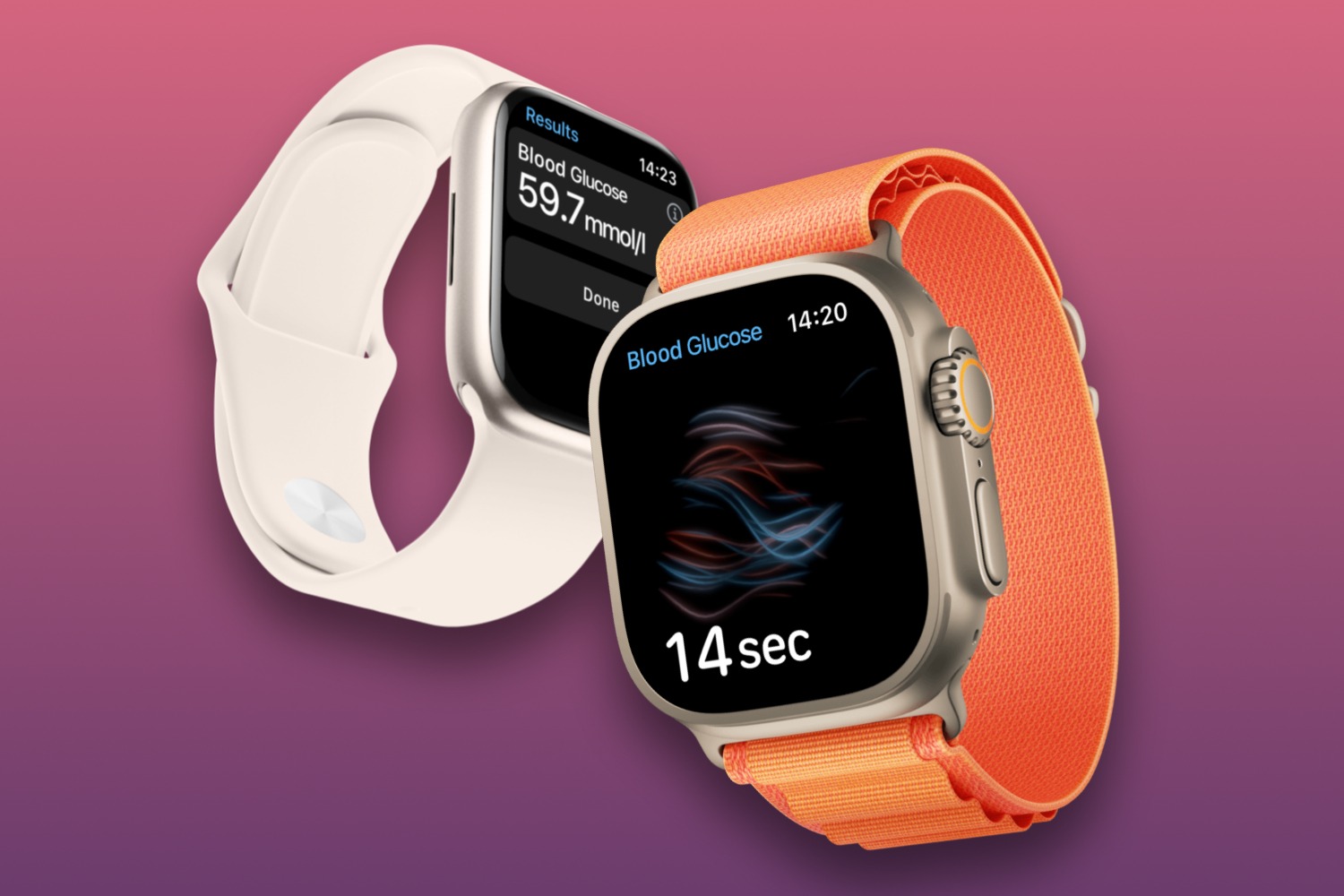
Factors Affecting Apple Smartwatch Pricing
When considering the cost of owning an Apple smartwatch, various factors come into play, influencing the overall pricing and value proposition for consumers. Understanding these factors is crucial for making an informed decision about investing in this popular wearable technology.
Brand Reputation and Innovation
Apple's brand reputation and commitment to innovation significantly impact the pricing of its smartwatches. As a leading technology company renowned for its cutting-edge products, Apple invests heavily in research and development to deliver advanced features and functionalities. This dedication to innovation often translates to a higher price point for its smartwatches compared to other brands.
Material Quality and Design
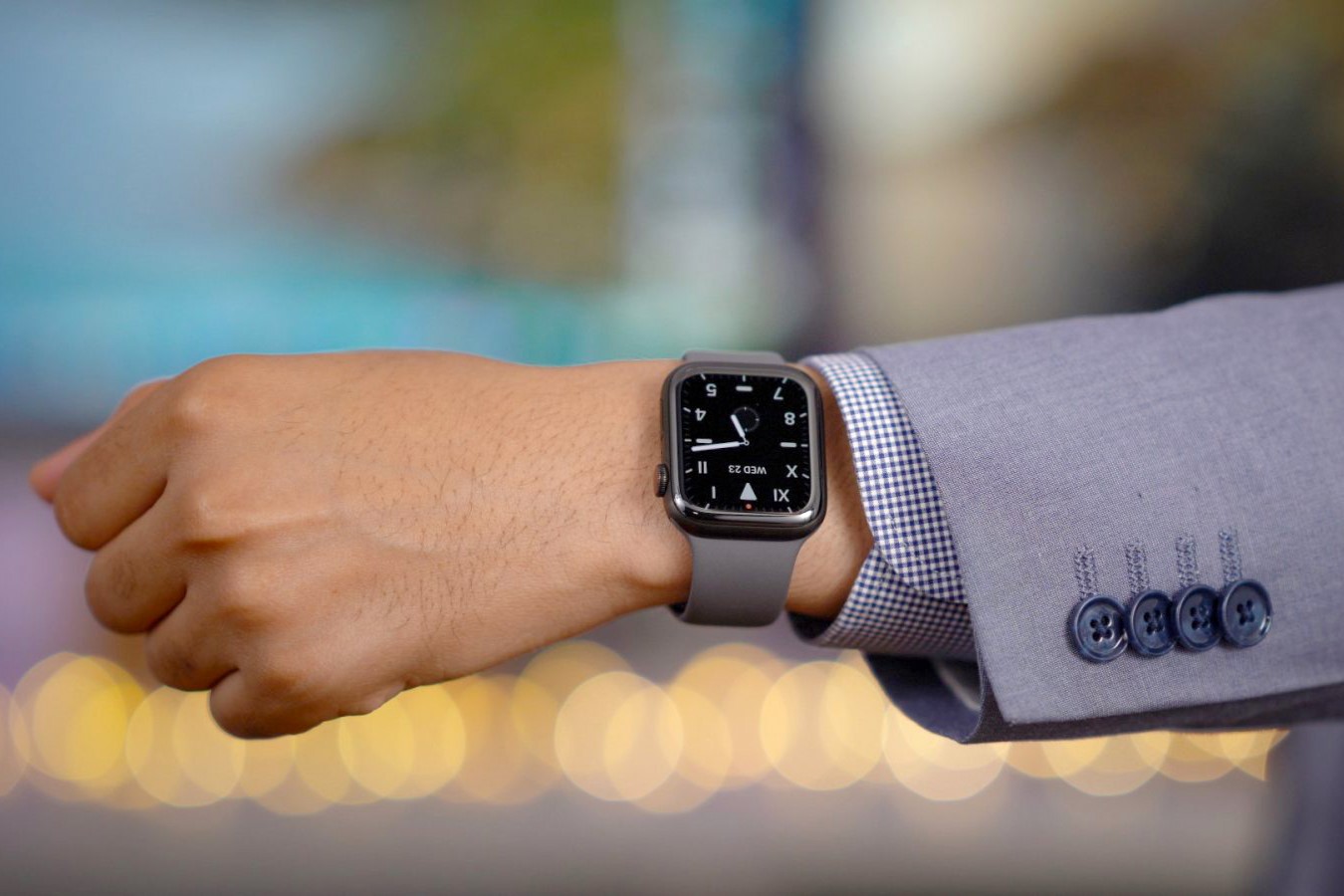
The use of premium materials and meticulous design in Apple smartwatches contributes to their pricing. The incorporation of high-quality materials, such as durable aluminum, stainless steel, and ceramic, enhances the aesthetic appeal and durability of the devices. Moreover, Apple's attention to detail in crafting sleek and stylish smartwatches adds to their overall cost, reflecting the company's commitment to delivering a premium user experience.
Technological Capabilities and Performance
The advanced technological capabilities and superior performance of Apple smartwatches play a pivotal role in determining their pricing. These devices boast state-of-the-art features, including heart rate monitoring, GPS tracking, water resistance, and seamless integration with other Apple products. The incorporation of such cutting-edge technologies and functionalities contributes to the overall cost of Apple smartwatches, positioning them as high-performance wearable devices.
Research and Development Costs
The extensive research and development efforts undertaken by Apple to continually enhance its smartwatch offerings impact their pricing. The investment in creating and refining innovative features, improving user experience, and ensuring seamless compatibility with other Apple devices necessitates a substantial financial commitment. As a result, these costs are factored into the pricing of Apple smartwatches, reflecting the company's dedication to pushing the boundaries of wearable technology.
Market Positioning and Demand
Apple's strategic market positioning and the demand for its smartwatches influence their pricing. With a focus on delivering premium products that cater to a discerning consumer base, Apple strategically positions its smartwatches as sought-after accessories that seamlessly integrate with its ecosystem of devices. The strong demand for Apple smartwatches, driven by their reputation for quality and functionality, contributes to their pricing, reflecting their coveted status in the wearable technology market.
Understanding these factors provides valuable insight into the pricing dynamics of Apple smartwatches, empowering consumers to evaluate the cost of ownership and the value proposition offered by these innovative wearable devices.
Upfront Cost of Apple Smartwatch
When contemplating the purchase of an Apple smartwatch, the upfront cost is a crucial consideration for consumers. This initial investment encompasses the price of the device itself, which varies based on the specific model and features selected.
Model and Features
The upfront cost of an Apple smartwatch is primarily determined by the model and features chosen by the consumer. Apple offers a range of smartwatch models, each catering to diverse preferences and requirements. The base model, typically more affordable, provides essential functionalities, while higher-end models incorporate advanced features such as cellular connectivity, larger display sizes, and premium materials. Consequently, the price point varies accordingly, allowing consumers to select a model that aligns with their budget and desired capabilities.
Storage Capacity
The storage capacity of an Apple smartwatch also influences its upfront cost. Models with larger storage capacities command a higher price, offering users the convenience of storing more music, apps, and data directly on the device. This consideration is particularly relevant for individuals who prioritize having ample storage space on their smartwatches for seamless access to media and applications without relying heavily on external devices or cloud storage.
Material and Band Options
Apple provides diverse material and band options for its smartwatches, allowing consumers to personalize their devices based on their style preferences. The choice of materials, such as aluminum, stainless steel, or titanium, alongside various band options, including sport bands, leather straps, and metal bracelets, contributes to the upfront cost. Premium materials and specialized bands may entail additional expenses, reflecting the customization and luxury elements offered by Apple smartwatches.
Accessories and Warranty
While the upfront cost primarily pertains to the smartwatch itself, consumers may opt to purchase additional accessories and extended warranty coverage, which can influence the overall investment. Apple offers a range of accessories, such as magnetic charging docks, protective cases, and interchangeable bands, allowing users to enhance the functionality and aesthetics of their smartwatches. Additionally, choosing to invest in an extended warranty or AppleCare+ for added protection and support entails an extra upfront expenditure, contributing to the total cost of ownership.
By considering these factors, consumers can make informed decisions regarding the upfront cost of owning an Apple smartwatch, aligning their preferences with the available models, features, and customization options to suit their individual needs and budget.
Additional Costs for Apple Smartwatch Accessories
Enhancing the functionality, style, and protection of an Apple smartwatch often involves the consideration of additional accessories, which contribute to the overall cost of ownership. These accessories cater to diverse user preferences and requirements, offering a range of customization and utility options to complement the smartwatch experience.
Protective Cases and Screen Protectors
To safeguard their investment and preserve the pristine condition of their Apple smartwatches, consumers may opt to purchase protective cases and screen protectors. These accessories shield the device from scratches, impact, and daily wear, ensuring its longevity and aesthetic appeal. The cost of protective cases and screen protectors varies based on the materials, design, and level of protection offered, allowing users to select options that align with their preferences and usage patterns.
Charging Accessories
Charging accessories, such as magnetic charging docks and portable power banks, are essential additions for ensuring the seamless and convenient charging of Apple smartwatches. These accessories provide users with versatile charging solutions, allowing them to power up their smartwatches at home, in the office, or while on the go. The cost of charging accessories is influenced by factors such as design, portability, and additional features, catering to the diverse charging needs of smartwatch users.
Interchangeable Bands
Apple offers a wide array of interchangeable bands, including sport bands, leather straps, and metal bracelets, enabling users to personalize the appearance and comfort of their smartwatches. The cost of interchangeable bands varies based on the materials, design intricacy, and special features, allowing consumers to curate a collection of bands to suit different occasions and personal styles. This customization option adds a layer of personalization to the smartwatch experience, albeit with additional costs for acquiring multiple bands.
Wireless Earbuds and Headphones
For users seeking a holistic and integrated experience with their Apple smartwatches, investing in wireless earbuds or headphones is a common consideration. These accessories complement the smartwatch’s capabilities, enabling seamless music playback, hands-free calling, and audio interaction with the device. The cost of wireless earbuds and headphones varies based on factors such as sound quality, battery life, and additional functionalities, providing users with options to tailor their audio experiences to their preferences.
Health and Fitness Accessories
Individuals prioritizing health and fitness may explore additional accessories, such as heart rate monitors, armbands, and specialized fitness trackers, to augment the capabilities of their Apple smartwatches. These accessories provide users with comprehensive health and activity tracking features, expanding the utility of the smartwatch as a fitness companion. The cost of health and fitness accessories varies based on the level of integration and specialized functionalities, catering to the diverse needs of active users.
Considering these additional costs for Apple smartwatch accessories allows consumers to comprehensively evaluate the investment involved in optimizing their smartwatch experience, aligning their accessory choices with their usage patterns and personal preferences.
Long-term Cost of Ownership for Apple Smartwatch
While the upfront cost of purchasing an Apple smartwatch is a significant consideration, it is equally essential for consumers to assess the long-term cost of ownership, encompassing ongoing expenses and potential maintenance requirements. Understanding the sustained investment associated with owning and utilizing an Apple smartwatch provides valuable insight into its overall value proposition and financial implications.
Software Updates and Compatibility
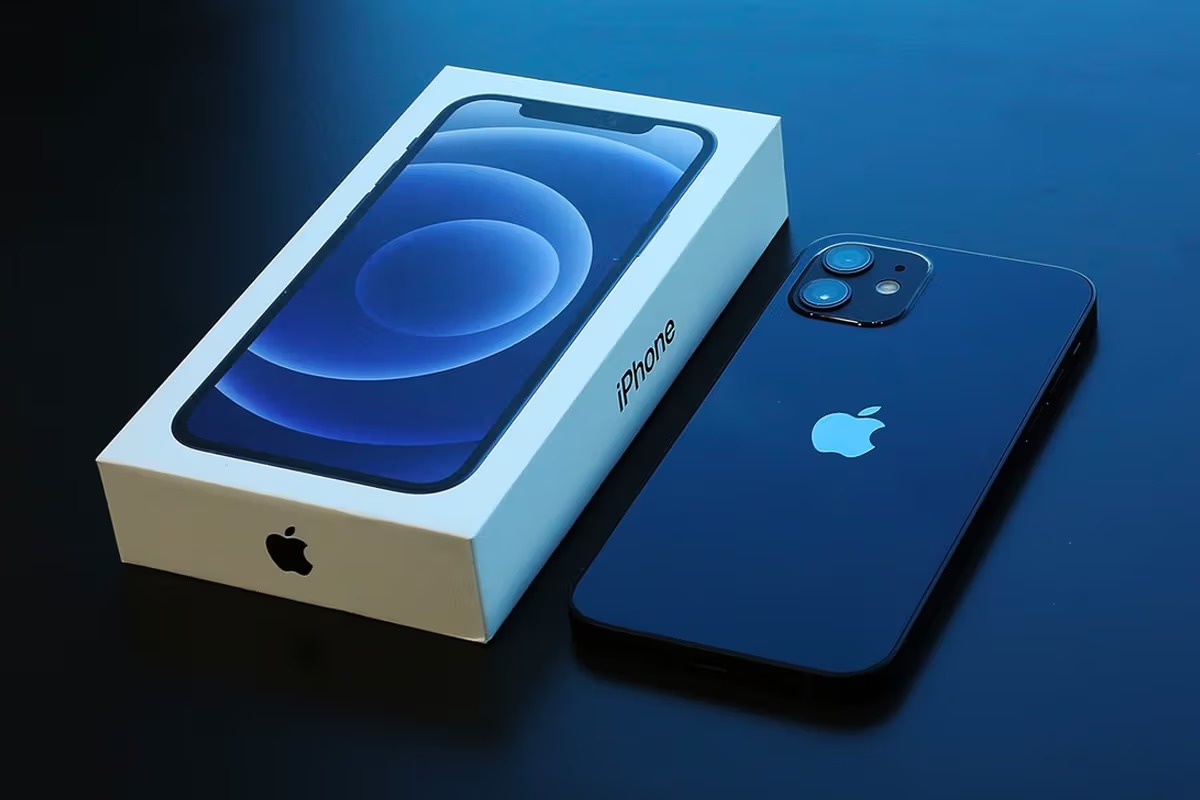
Apple consistently releases software updates and feature enhancements for its smartwatches to improve performance, security, and functionality. Ensuring that the device remains up-to-date with the latest software versions and compatible with evolving technologies is essential for a seamless user experience. While these updates are typically provided at no additional cost, the long-term cost of ownership involves the need for compatible devices, such as iPhones and accessories, to maximize the smartwatch’s capabilities.
Battery Replacement and Maintenance
Over time, the battery performance of an Apple smartwatch may diminish, necessitating potential battery replacement or maintenance. While Apple smartwatches are designed to offer long-lasting battery life, factors such as usage patterns and environmental conditions can impact battery health. The long-term cost of ownership encompasses the consideration of potential battery replacement services or the procurement of genuine Apple replacement batteries to sustain the device’s functionality.
Extended Warranty and Support Services
Investing in extended warranty coverage, such as AppleCare+, and support services can contribute to the long-term cost of ownership for Apple smartwatches. These offerings provide users with additional protection, technical support, and service benefits beyond the standard warranty period, ensuring comprehensive coverage and peace of mind. While these services entail an upfront cost, they can mitigate potential expenses related to repairs, replacements, and expert assistance, aligning with the long-term maintenance needs of the smartwatch.
Accessory Replacements and Upgrades
As users integrate various accessories, such as bands, charging docks, and protective cases, into their smartwatch experience, the long-term cost of ownership encompasses the potential need for accessory replacements and upgrades. Factors such as wear and tear, style preferences, and technological advancements may prompt users to invest in new accessories over time, contributing to the ongoing investment in optimizing and personalizing their smartwatch usage.
Value Retention and Resale Considerations
Assessing the long-term cost of ownership also involves evaluating the value retention and potential resale considerations for Apple smartwatches. While the initial investment is significant, the ability of the device to retain its value over time and the demand for pre-owned models in the secondary market can influence the overall cost of ownership. Understanding the depreciation and resale potential of Apple smartwatches allows users to gauge the long-term financial implications of their ownership experience.
By comprehensively evaluating the long-term cost of ownership for Apple smartwatches, consumers can make informed decisions regarding their investment, aligning their expectations with the ongoing expenses and maintenance considerations associated with utilizing and maximizing the value of these innovative wearable devices.
Comparing Apple Smartwatch Pricing with Competitors
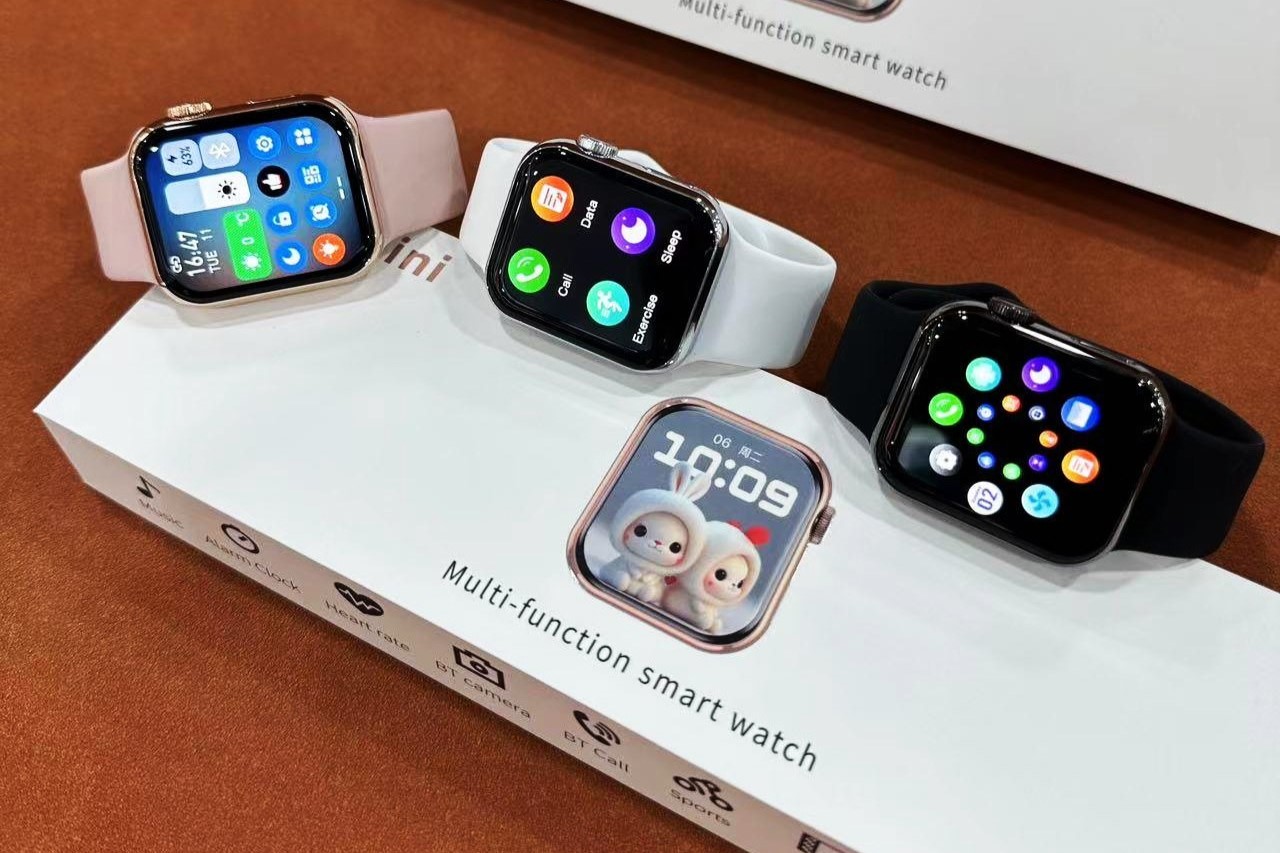
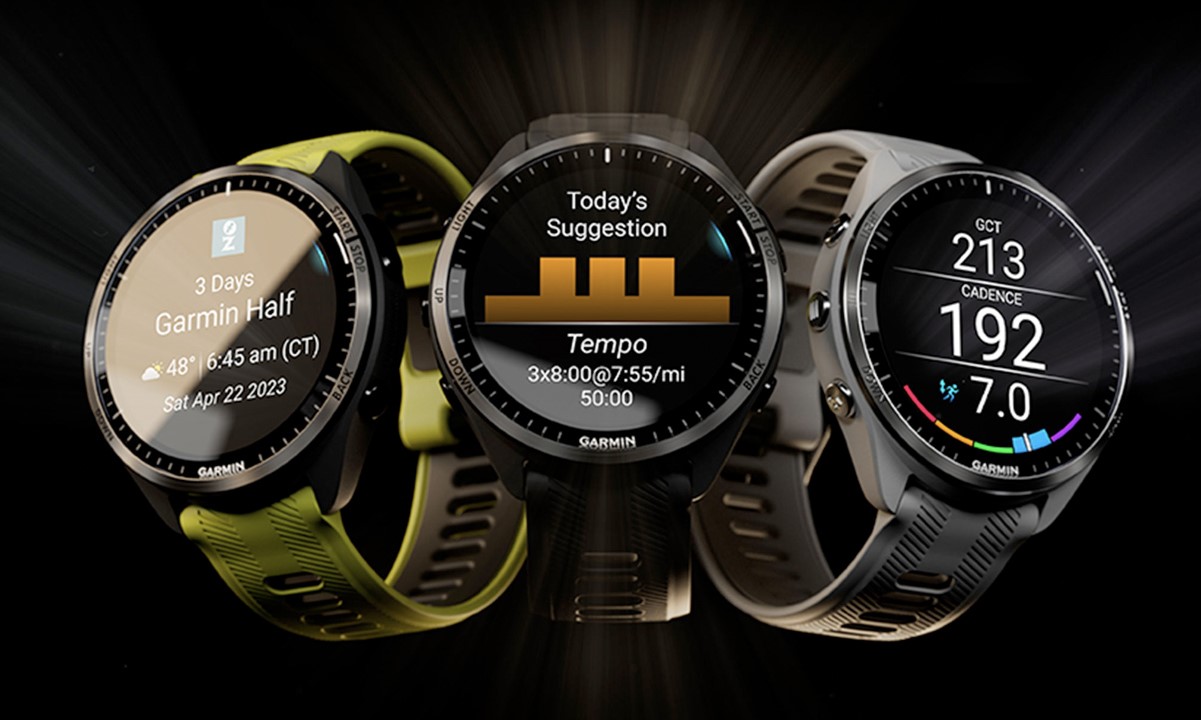
When exploring the pricing dynamics of Apple smartwatches, it is valuable to compare and contrast their cost with that of competitors in the wearable technology market. This comparative analysis provides consumers with insights into the positioning, value proposition, and affordability of Apple smartwatches relative to alternative offerings, fostering informed decision-making and a comprehensive understanding of the market landscape.
Feature-to-Price Ratio
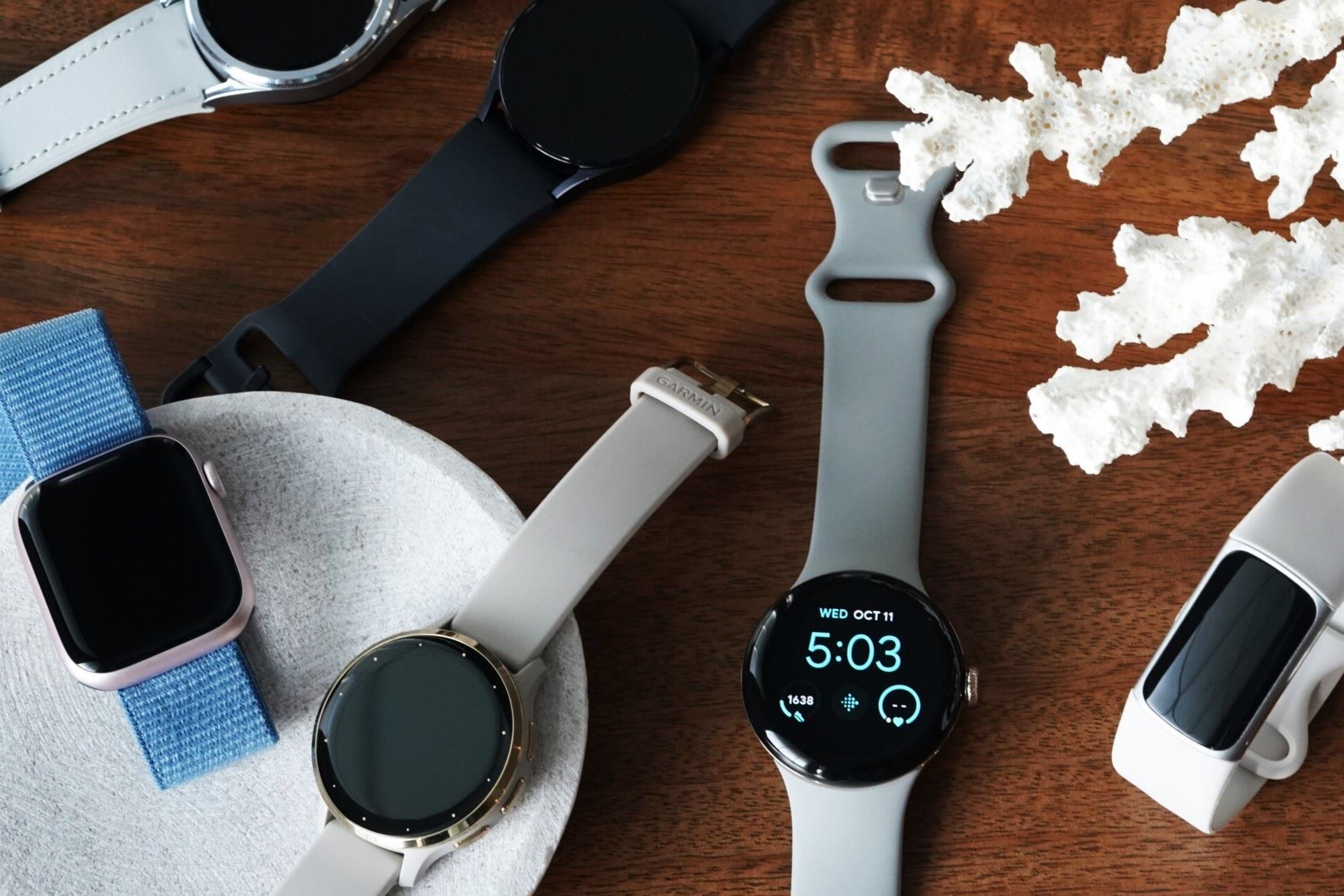
One of the primary considerations when comparing Apple smartwatch pricing with competitors is the feature-to-price ratio. Assessing the functionalities, performance capabilities, and integrated technologies offered by Apple smartwatches in relation to their pricing allows consumers to gauge the value proposition relative to competing products. Factors such as display quality, health tracking features, app ecosystem, and connectivity options are pivotal in evaluating how Apple smartwatches stack up against their counterparts in the market.
Build Quality and Materials
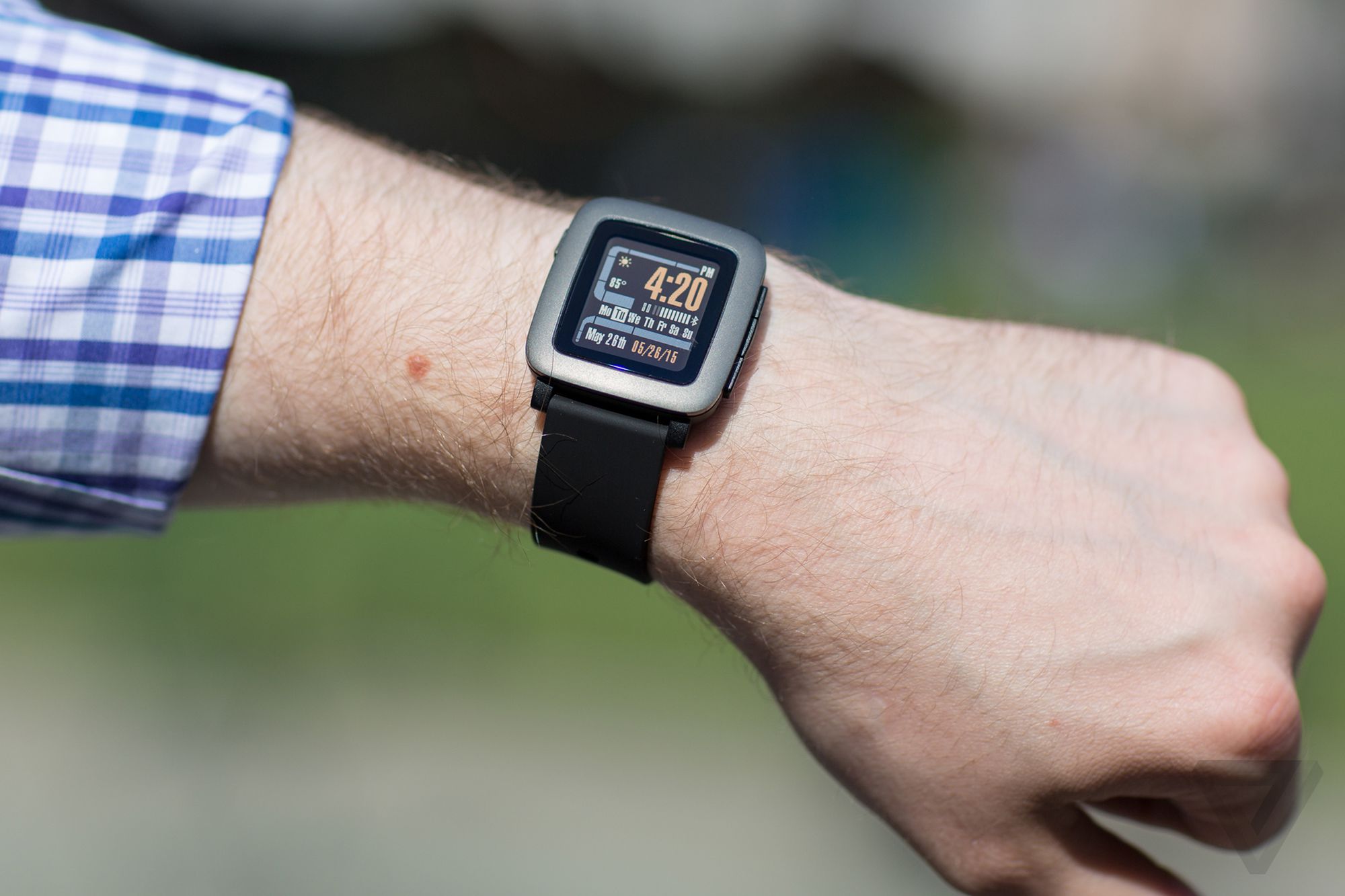
The build quality and materials utilized in the construction of Apple smartwatches warrant comparison with those of competing devices. Assessing the durability, craftsmanship, and aesthetic appeal of Apple smartwatches relative to their pricing enables consumers to discern the tangible and perceived value offered by these devices compared to alternatives. Factors such as the use of premium materials, water resistance, and customization options contribute to the overall assessment of the pricing competitiveness of Apple smartwatches.
Ecosystem Integration and Compatibility
Apple’s ecosystem integration and compatibility with its range of devices and services are key differentiators that influence the comparative pricing analysis. The seamless connectivity, synchronization, and cross-device functionalities offered by Apple smartwatches within the broader Apple ecosystem contribute to their value proposition. Evaluating how this integration compares with the interoperability and ecosystem offerings of competing smartwatches provides consumers with insights into the holistic cost and benefits of ownership.
After-Sales Support and Services
Assessing the after-sales support, warranty coverage, and service offerings provided by Apple in contrast to those of competitors is integral to the pricing comparison. The availability of extended warranty options, technical support, and repair services, alongside the associated costs, influences the overall cost of ownership and the long-term value proposition of Apple smartwatches relative to alternative products. Understanding the comprehensive support ecosystem enhances the consumer’s assessment of the total investment involved in owning and utilizing smartwatches.
Market Positioning and Brand Value
Considering the market positioning and brand value of Apple smartwatches in comparison to competing products contributes to the pricing evaluation. Apple’s brand reputation, innovation leadership, and market presence impact the perceived value and desirability of its smartwatches. Understanding how these factors align with the pricing strategies and brand positioning of competitors provides consumers with a holistic perspective on the competitive landscape and the relative affordability of Apple smartwatches.
By engaging in a comprehensive comparison of Apple smartwatch pricing with that of competitors, consumers can gain a nuanced understanding of the value, features, and overall cost competitiveness of these devices within the dynamic wearable technology market, empowering them to make informed purchasing decisions aligned with their preferences and budget considerations.