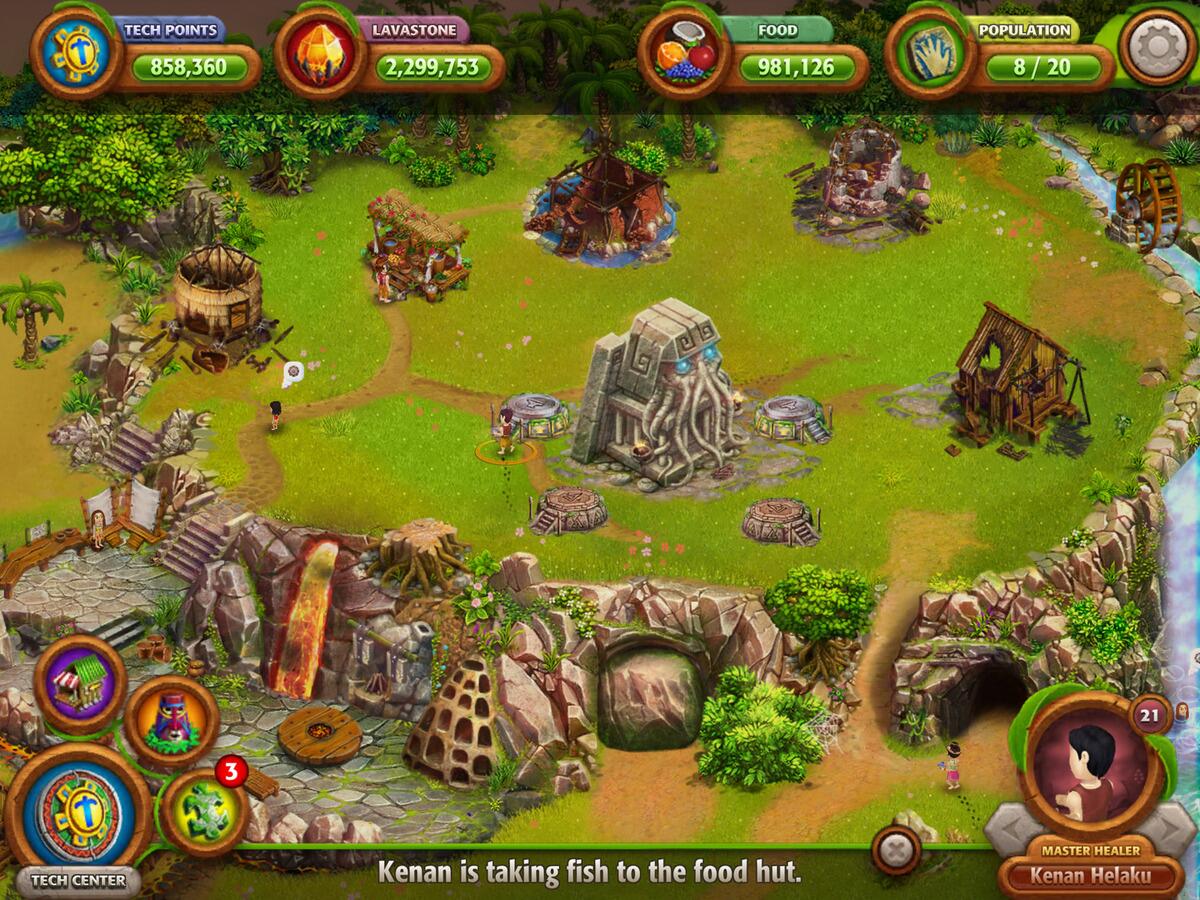
Types of Food in Virtual Villagers
Virtual Villagers is a captivating simulation game where players must manage a village and ensure the survival and prosperity of its inhabitants. One crucial aspect of the game is food, as it sustains the villagers and allows them to carry out their daily tasks effectively. There are various types of food available in Virtual Villagers, each with its own benefits and uses.
The first type of food is fruits and berries. These can be found naturally in the village’s surroundings, such as in the jungle or near fruit trees. Fruits and berries are an excellent source of immediate sustenance for the villagers, providing them with vital nutrients and energy. Keep an eye out for ripe fruit on the trees or bushes and instruct your villagers to gather them regularly.
The second type of food is seafood. The village is located near the beach, making it a prime spot for fishing. Fish and other marine creatures can be caught using fishing nets or by sending villagers into the water to catch them manually. Seafood is a valuable food source as it is nutritious and can be stored for longer periods, ensuring a steady supply of food for the village.
Another type of food is crops. As the village grows, it becomes essential to cultivate crops to meet the increasing food demands. Clear a patch of land and assign villagers to plant and tend to the crops. Wheat, carrots, and other vegetables can be grown and harvested to provide a significant food source. However, it takes time for crops to grow, so be patient and ensure your villagers are regularly tending to the fields.
Last but not least, there are mushrooms and herbs. These can be found in the deep forest or hidden areas of the island. Mushrooms and herbs have medicinal properties and can provide special benefits to the villagers. They can be used to cure illnesses or enhance certain abilities, so it’s worth exploring the island to find these valuable resources.
Make sure to diversify the food sources in your village to avoid relying too heavily on one type. This not only ensures a balanced diet for the villagers but also reduces the risk of food shortages in case one source becomes scarce.
How to Gather Food from Nature
In Virtual Villagers, gathering food from nature is crucial for the survival and growth of your village. It provides a sustainable and readily available source of nutrition for your villagers. Here are some tips on how to effectively gather food from nature:
1. Assign villagers to forage: You can assign villagers to forage for food by dragging them to areas with fruit trees, bushes, or mushroom patches. They will gather fruits, berries, and mushrooms on their own and bring them back to the village’s food storage. Keep an eye on the resources in the surrounding areas and ensure your villagers are regularly sent to collect them.
2. Explore the jungle: The jungle is a treasure trove of food resources. Send your villagers on expeditions into the jungle to discover new fruit trees, berry bushes, and mushroom patches. Encourage their exploration by clearing paths and removing obstacles that may obstruct their way. The more they explore, the more opportunities they’ll find for gathering food.
3. Harvest from the ocean: The beach is an excellent place to gather food. Instruct your villagers to go fishing by dragging them to the water’s edge or assigning them to use fishing nets. They will catch fish, crabs, and other marine creatures to bring back to the village. Remember to replenish the fishing nets regularly to ensure a steady supply of seafood.
4. Utilize the technology: As your village progresses, you can unlock technologies that help in gathering food from nature. Research skills like farming and exploration to enhance the efficiency of your villagers in finding and gathering food. These technologies can also unlock new food sources and increase the variety of your village’s diet.
5. Maintain a food surplus: It’s essential to keep a surplus of food to ensure your villagers never go hungry. Regularly check the food storage to assess if you have enough food to sustain the village in case of unforeseen events like droughts or emergencies. If the food supply is running low, focus on gathering more food from nature or consider trading for additional provisions.
By following these tips, you can ensure that your villagers have a steady supply of food from nature. Remember to regularly check on their food needs and provide support through technology advancements to keep your village thriving and prosperous.
Cultivating Crops: A Step-by-Step Guide
Cultivating crops in Virtual Villagers is a vital aspect of sustaining your village’s food supply and ensuring the well-being of your villagers. By following these steps, you can successfully grow and harvest crops in your village:
Step 1: Clear the land: Start by clearing a patch of fertile land for your crops. Assign one or more villagers to continuously remove rocks, debris, and weeds from the designated area. This will create a suitable space for planting and ensure that your crops have room to grow.
Step 2: Plant the seeds: Once the land is cleared, instruct your villagers to plant seeds. You can choose from a variety of crops such as wheat, carrots, or other vegetables. Ensure that there are enough seeds available in your inventory before assigning villagers to plant them. Drag the villagers to the cleared area and release them to plant the seeds.
Step 3: Water the crops: Crops need water to grow. If there is a water source nearby, such as a river or pond, assign villagers to bring water to the crop area. They will automatically water the crops, aiding in their growth. If there is no water source nearby, consider researching and unlocking the irrigation technology to provide a sustainable water supply for your crops.
Step 4: Tend to the crops: Your villagers will need to regularly tend to the crops to ensure their healthy growth. Assign them to work in the crop area to remove weeds and pests that may hinder the growth of your crops. This will also increase the yield and overall quality of your harvest.
Step 5: Harvest the crops: Once the crops have reached maturity, they are ready for harvesting. Assign villagers to gather the ripe crops by dragging them to the crop area. The villagers will collect the harvested crops and transport them to the food storage area, where they will be available for consumption by the rest of the village.
Step 6: Repeat the process: After harvesting, the crop area will be ready for a new round of planting. Ensure that you have a sufficient supply of seeds to continue the cultivation cycle. It’s important to maintain a continuous rotation of crops to ensure a steady food supply for the village.
By following this step-by-step guide, you can successfully cultivate crops in your village and provide a stable and nutritious food source for your villagers. Keep in mind that crops require regular care and attention to thrive, so be sure to monitor their progress and make adjustments as needed.
Fishing Tips and Tricks
Fishing is a crucial activity in Virtual Villagers that provides a valuable source of food for your village. To make the most of your fishing endeavors, consider these helpful tips and tricks:
1. Upgrade your fishermen: As your village progresses, research fishing technology to improve the efficiency of your fishermen. The higher their fishing skill, the more fish they can catch in a shorter amount of time. This will ensure a steady supply of fish to sustain your villagers.
2. Use multiple fishing nets: Increase your fishing productivity by placing multiple fishing nets along the shoreline. Villagers will automatically use these nets to catch fish, crabs, and other aquatic creatures. Having multiple nets will significantly increase your chances of catching more fish, providing a surplus for your village’s food storage.
3. Keep an eye on the fishing nets: Regularly check the fishing nets to ensure they are not damaged or unusable. Repair any damaged nets promptly, as this will improve their efficiency and increase the catch. You can assign villagers with appropriate skills to repair the nets or purchase new ones from the trading post.
4. Time your fishing activities: Take note of the best times to fish in Virtual Villagers. Fishing is most successful during early morning or late afternoon when fish are more active. Plan your villagers’ fishing shifts accordingly to maximize their chances of a successful catch.
5. Explore other fishing spots: Don’t limit your fishing activities to just one location. Encourage your villagers to explore different areas along the beach or near the fishing rocks. Different fishing spots may yield different varieties of fish, providing more diversity to your village’s diet.
6. Trade for fishing equipment: If you’re struggling to catch enough fish, consider trading with other villages or passing ships for fishing equipment. This can include better-quality nets or even fishing rods that can improve your fishing success rate. Keep an eye out for opportunities to trade and upgrade your fishing equipment.
7. Manage the fish distribution: Once you have a bountiful catch, it’s important to manage the distribution of fish within your village. Ensure that all villagers have access to a proper portion of fish to maintain a balanced diet and prevent food shortages. You can do this by manually distributing the fish or by assigning a dedicated villager to manage the food storage and distribution.
By following these fishing tips and tricks, you can optimize your fishing efforts in Virtual Villagers and ensure a steady supply of fish for your villagers. Remember to continuously improve your fishing technology, explore different fishing spots, and manage the fish distribution effectively to keep your village thriving.
Using the Food Bin: Managing and Distributing Food
In Virtual Villagers, the food bin plays a vital role in managing and distributing food resources among your villagers. Effectively using the food bin ensures that everyone in your village has access to an adequate food supply. Here are some tips on how to manage and distribute food using the food bin:
1. Position the food bin strategically: Place the food bin in a central location within your village. This makes it easily accessible to all villagers, minimizing the time they spend traveling to collect their meals. Consider placing the food bin near important structures like the housing area or the workspace where villagers spend most of their time.
2. Monitor the food levels: Regularly check the food levels in the bin to ensure that it never runs out. Villagers rely on a consistent food supply to stay healthy and perform their tasks effectively. If the food levels are running low, assign villagers to gather food from nature, fish, or trade for additional provisions to replenish the food bin.
3. Prioritize villagers with low food levels: Keep an eye on individual villager’s food levels and prioritize those who are low on food. By assigning them to collect food from the food bin first, you ensure that they receive a sufficient amount of nourishment. This helps prevent starvation or weakened performance due to hunger.
4. Avoid overstocking the food bin: While it’s important to maintain a surplus of food, avoid overstocking the food bin as it can lead to spoilage. Keep the food levels at a manageable level that your villagers can consume within a reasonable period. This prevents food waste and ensures that the food is fresh and nutritious for consumption.
5. Share responsibilities: To efficiently manage and distribute food, assign one or more dedicated villagers to take charge of the food bin. Their responsibility is to monitor food levels, distribute meals to villagers, and coordinate efforts to gather or trade for additional food when necessary. This streamlines the process and ensures that food distribution is organized and consistent.
6. Upgrade the food bin: As your village progresses, consider researching food-related technologies to upgrade the food bin. Upgrades can include increasing the storage capacity of the bin or improving food preservation methods. These upgrades enhance the efficiency of managing and distributing food, making it easier to meet the needs of your expanding population.
By effectively managing and distributing food using the food bin, you provide a steady supply of nourishment to your villagers. This supports their well-being, productivity, and overall growth of your village. Remember to regularly monitor food levels, prioritize villagers with low food levels, and assign dedicated villagers to oversee the food bin to ensure a well-functioning food management system within your village.
Hunting for Food: What You Need to Know
Hunting for food is a valuable skill in Virtual Villagers, providing an alternative source of sustenance for your villagers. If you want to supplement your food supply or diversify the types of food available in your village, here’s what you need to know about hunting:
1. Use skilled hunters: Assign villagers with a high fitness level and hunting skill to be your hunters. These individuals are better equipped to track and catch animals, increasing your chances of a successful hunt. To improve their hunting skill, consider researching hunting-related technologies that can enhance their abilities.
2. Explore the forest: Send your hunters to explore the forested areas of the island. Animals such as rabbits, squirrels, and birds can be found hiding in the trees or scurrying on the forest floor. Encourage your hunters to explore different areas of the forest to maximize their chances of spotting and catching game.
3. Be patient and observant: Hunting requires patience and keen observation. Instruct your hunters to approach cautiously and quietly, as sudden movements or loud noises can scare away the animals. Train your hunters to patiently wait for the right moment to strike, increasing their chances of a successful hunt.
4. Upgrade hunting tools: Research technologies that improve hunting tools such as spears or traps. These upgrades can increase the effectiveness and efficiency of your hunters, making the process of capturing game easier. Upgrading hunting tools also allows your hunters to target larger animals, which can provide more substantial amounts of food.
5. Butcher and store the meat: Once your hunters have successfully caught game, bring the animals back to the village to be butchered. Assign villagers with appropriate skills to process the meat and store it in the food storage area. This ensures that the meat is properly preserved and available for consumption by the entire village.
6. Balance hunting and conservation: While hunting can provide a valuable food source, it’s crucial to maintain a balance between hunting and conserving the animal population. Overhunting can deplete the animal population in the surrounding areas, making future hunts more challenging. Be mindful of your hunting activities and consider implementing sustainable hunting practices to preserve the ecosystem’s balance.
By understanding the basics of hunting in Virtual Villagers, you can introduce a new and exciting food source for your village. With skilled hunters, exploration of the forest, and proper utilization of hunting tools, you can successfully bring game back to your village and ensure a diverse and plentiful food supply for your villagers.
The Benefits of Trading for Food
In Virtual Villagers, trading for food can be a valuable strategy to supplement your village’s food supply and provide a diverse range of food options for your villagers. Here are some benefits of trading for food:
1. Access to different types of food: Trading allows you to acquire food items that are not readily available in your village. You can obtain unique and exotic foods from other villages or trading ships, providing your villagers with a wider variety of meals. This diversity in food options can improve their overall nutrition and well-being.
2. Overcome food shortages: When your village is experiencing a shortage of food due to unforeseen circumstances like drought or crop failure, trading can help to fill the gap. By acquiring food through trading, you ensure that your villagers have enough to eat and prevent starvation or weakened performance due to a lack of nutrition.
3. Trade surplus resources: Trading is not only about acquiring food; it’s also an opportunity to exchange your surplus resources for the items you need. If your village has an excess of certain resources like stones, wood, or cloth, you can trade them for food with other villages or passing trading ships. This helps to optimize the use of resources and maintain a balanced economy in your village.
4. Build relationships with other villages: Establishing trade relationships with other villages can lead to mutual benefits. By regularly trading, you can build trust and rapport with other villagers, opening up opportunities for future collaborations or alliances. These relationships can be invaluable in times of need, such as during emergencies or crises.
5. Acquire advanced food-related technologies: Through trading, you may come across villages or trading partners who possess advanced food-related technologies. By acquiring these technologies through trade, you can improve your own food production methods and enhance your village’s long-term sustainability. These technologies may include advanced farming methods, efficient food storage techniques, or innovative food preservation methods.
6. Enhance your village’s reputation: Successful trading can enhance your village’s reputation in the virtual world. As your village becomes known for its trading prowess, more opportunities for profitable exchanges may arise. This can lead to increased prestige and influence within the virtual community, offering potential benefits beyond just food acquisition.
Trading for food in Virtual Villagers offers several advantages, including access to different types of food, overcoming food shortages, optimizing resources, building relationships with other villages, acquiring advanced technologies, and enhancing your village’s reputation. By strategically engaging in trade, you can ensure a thriving food supply and create a prosperous and well-rounded village for your virtual community.
Exploring Food-related Technologies
Virtual Villagers offers a wide range of technologies that can greatly enhance your village’s food production and management. By researching and unlocking food-related technologies, you can improve your villagers’ quality of life and ensure a sustainable food supply. Let’s explore some of these technologies:
1. Farming: Researching farming technology allows you to cultivate crops more efficiently. This technology improves planting, irrigation, and harvesting methods, increasing both the quantity and quality of your crops. With farming, you can grow staple crops like wheat, carrots, and other vegetables to sustain your villagers’ nutritional needs.
2. Cooking: Unlocking cooking technology introduces new culinary skills to your villagers. This allows them to prepare and cook raw ingredients into delicious meals. Cooked food provides additional nutritional value and can boost the overall happiness and satisfaction of your villagers. Experiment with different recipes and ingredients to discover unique combinations and special dishes.
3. Food preservation: As your village grows, it becomes equally important to preserve excess food for longer periods. Researching food preservation technology enables you to store food through methods like drying, smoking, or pickling. Preserved food not only prevents wastage but also provides a valuable reserve during times of scarcity or emergencies.
4. Animal domestication: Animal domestication technology opens up the opportunity to raise livestock in your village. By domesticating animals like chickens, cows, or pigs, you gain a renewable source of food such as eggs, milk, or meat. This technology adds diversity to your food supply and reduces dependency on hunting or gathering.
5. Fishing enhancements: Advancing fishing technology improves your villagers’ fishing skills and capabilities. They become more adept at catching fish and other marine creatures, boosting the quantity and efficiency of your fishing expeditions. With better fishing equipment and techniques, you can ensure a steady supply of fresh seafood for your villagers.
6. Efficient food storage: Researching efficient food storage technology allows you to optimize your village’s food management. This technology introduces better storage methods, like granaries or root cellars, that prolong the shelf life of food and reduce spoilage. Efficient food storage ensures you have a reserve of food during times of scarcity and prevents unnecessary waste.
7. Advanced agricultural techniques: Unlocking advanced agricultural techniques takes your farming abilities to the next level. These techniques might include hydroponics, vertical farming, or aeroponics, enabling you to grow crops in innovative ways and in limited spaces. By embracing these techniques, you can maximize your crop yields and ensure a consistent food supply for your village.
By exploring and researching food-related technologies, you can significantly enhance your village’s food production, storage, and overall sustainability. Experiment with different technologies, tailor them to your village’s needs, and adapt to the evolving demands of your population. Embrace the advancements and watch your virtual community thrive with a bountiful and diverse food supply.
Unlocking Special Food-related Achievements
In Virtual Villagers, there are various special achievements related to food that you can unlock. These achievements not only add a sense of accomplishment but also provide additional advantages for your village. Let’s explore some of the special food-related achievements you can aim for:
1. Master Chef: Master the art of cooking by experimenting with various ingredients and recipes. Successfully prepare a certain number of unique dishes to earn the Master Chef achievement. This achievement not only showcases your culinary expertise but also increases the overall happiness of your villagers by providing them with delicious and satisfying meals.
2. Farmer Extraordinaire: Become a successful farmer by consistently growing and harvesting a variety of crops. Maximize your crop yields, experiment with different farming techniques, and maintain a flourishing crop area to earn the Farmer Extraordinaire achievement. This achievement not only ensures a steady food supply but also boosts the overall prosperity of your village.
3. Fishing Champion: Showcase your fishing skills by consistently reaping bountiful catches from the sea. Catch a designated number of fish and other marine creatures to earn the Fishing Champion achievement. This achievement not only provides a reliable source of seafood for your village but also elevates the fishing abilities of your villagers.
4. Food Preservation Expert: Master the art of food preservation by successfully storing and preserving surplus food. Use various preservation techniques such as drying, smoking, or pickling to ensure a longer shelf life for your food. Achieve the Food Preservation Expert title to safeguard your village against food shortages and waste.
5. Sustainable Agriculture Pioneer: Embrace advanced agricultural techniques and maintain a sustainable farming system. Adopt practices like hydroponics, vertical farming, or crop rotation to optimize your crop yields and minimize resource usage. This achievement not only ensures a sustainable food supply but also positions your village as a pioneer in innovative agricultural practices.
6. Livestock Connoisseur: Successfully raise a variety of domesticated animals in your village, such as chickens, cows, or pigs. Earn the title of Livestock Connoisseur by managing and caring for your animals effectively. This achievement not only provides a consistent source of food such as eggs, milk, or meat but also adds diversity to your village’s food options.
7. Food Trading Maestro: Excel in the art of food trading by establishing multiple lucrative trade routes. Consistently engage in successful trades, acquiring rare and valuable food items from other villages or trading ships. The Food Trading Maestro achievement not only enriches your village’s food supply but also enhances your reputation as a skilled trader.
Unlocking these special food-related achievements adds depth and excitement to your virtual village. Aim to accomplish them by maximizing your culinary skills, mastering farming and fishing techniques, adopting sustainable practices, and excelling in food trading. These achievements not only showcase your village’s prosperity but also provide tangible benefits that contribute to the overall success and well-being of your villagers.
Troubleshooting: When You’re Running Out of Food
In Virtual Villagers, there may come a time when you find yourself running low on food. It’s a crucial situation that requires immediate attention to prevent your villagers from going hungry. Here are some troubleshooting tips to help you navigate through food shortages:
1. Assess the situation: Take a moment to assess the severity of the food shortage. Check the food storage and determine how long your current supply can sustain your villagers. Understanding the magnitude of the shortage will help you prioritize your actions and make informed decisions.
2. Immediate action: Assign villagers to gather food from nature or go fishing to quickly replenish the food supply. Focus on high-yield activities such as harvesting crops, searching for fruits and berries, or sending villagers to fish. This will provide an immediate source of food while you formulate a long-term plan.
3. Review resource allocation: Evaluate how resources are being allocated within your village. Ensure that enough villagers are dedicated to food-gathering activities. Consider reassigning villagers from other tasks to focus on food production, temporarily reducing efforts in non-essential areas until the food shortage is resolved.
4. Prioritize farming: If you haven’t already, prioritize farming as a primary source of food. Allocate sufficient villagers to tend to the crops and ensure that they are watered and maintained regularly. Harvest the crops as soon as they are mature to maximize the yield.
5. Explore new food sources: Expand your exploration into uncharted territories. Encourage exploration in the jungle to discover new fruit trees, berry bushes, or mushroom patches. Look for hidden areas of the island that may yield different food sources, such as new animal species or edible plants.
6. Trade for food: If possible, engage in trade with other villages or passing trading ships to acquire additional food. Prioritize essential food items and negotiate fair trades with surplus resources from your village. Trading can be an effective short-term solution until you can stabilize your own food production.
7. Research advanced food technologies: Research and unlock advanced food-related technologies to improve your village’s food production and storage capabilities. These technologies can enhance farming, fishing, food preservation, and more. Investing in these technologies will equip your village with the tools to avoid future food shortages.
8. Plan for the long term: Once the immediate food shortage is addressed, develop a long-term plan to avoid similar situations in the future. This could involve increasing the capacity of your food storage, diversifying food sources, researching sustainable farming methods, or establishing reliable trade relationships.
By addressing food shortages with a proactive approach and implementing these troubleshooting measures, you can overcome the challenge and ensure the well-being and survival of your villagers. Regularly monitor your food supply and take preemptive actions to minimize the risk of future shortages.