Checking the Fuses
When faced with the frustrating situation of encountering a dashboard with no lights despite a fully functional battery, the first step is to methodically troubleshoot the potential causes. One of the primary culprits could be a blown fuse, a relatively simple and inexpensive issue to resolve.
Start by locating the fuse box, often situated beneath the dashboard or in the engine compartment. Once found, refer to the vehicle’s manual to identify the specific fuse associated with the dashboard lights. Using a fuse puller or a pair of needle-nose pliers, carefully remove the relevant fuse for inspection.
Upon extraction, hold the fuse up to a source of light to assess its condition. A blown fuse will display a visibly broken wire within the fuse body, indicating the need for replacement. In contrast, a functioning fuse will show an unbroken wire. If the fuse appears intact, it is advisable to use a multimeter to test for continuity, ensuring that it is not faulty despite its outward appearance.
If the fuse is indeed blown, replace it with a new fuse of the exact same amperage, as using a fuse with a higher or lower rating could lead to electrical complications. Once the new fuse is securely in place, turn the vehicle’s ignition to the “on” position and check if the dashboard lights illuminate as expected.
By meticulously examining and, if necessary, replacing the fuses, one can effectively eliminate this potential cause of the dashboard lights malfunctioning. However, if the issue persists, it becomes imperative to proceed with further diagnostic steps to pinpoint the root of the problem.
Inspecting the Light Bulbs
Another pivotal aspect to consider when troubleshooting a dashboard with non-illuminated lights despite a fully charged battery is the condition of the light bulbs themselves. Over time, these bulbs can wear out or become faulty, resulting in a loss of illumination.
To commence the inspection, access the dashboard cluster by removing the trim or panel surrounding it. This may involve unscrewing components or utilizing panel removal tools, depending on the vehicle’s make and model. Once the cluster is accessible, identify the bulbs responsible for illuminating the dashboard.
Gently remove the bulbs from their sockets, taking care not to apply excessive force that could damage the delicate components. Inspect the bulbs closely, looking for any signs of blackened or broken filaments, which indicate that the bulbs have indeed burned out and require replacement.
In the event that the bulbs appear intact upon visual inspection, it is advisable to use a multimeter to test for continuity. This process involves checking if an electrical current can flow through the bulb, thereby confirming its functionality. If the multimeter indicates a lack of continuity, it signifies that the bulb is defective and necessitates replacement.
When replacing the bulbs, ensure that the new ones are of the correct type and wattage, as using incompatible bulbs can lead to irregular illumination or electrical issues. Once the new bulbs are securely in place, reassemble the dashboard cluster, taking care to align and affix all components properly.
By meticulously examining and, if necessary, replacing the light bulbs, one can effectively address this potential cause of the dashboard lights malfunctioning. However, should the issue persist, it is imperative to proceed with further diagnostic measures to identify the underlying source of the problem.
Testing the Light Switch
When confronted with the perplexing issue of a dashboard devoid of illumination despite a fully functional battery, one essential component to scrutinize is the light switch. The switch serves as the interface between the vehicle’s electrical system and the dashboard lights, making it a crucial element in the diagnostic process.
To initiate the testing process, locate the light switch, which is typically positioned on the dashboard’s perimeter or integrated into the vehicle’s control panel. Depending on the vehicle’s design, the removal of trim or panels may be necessary to access the switch for testing.
Once the switch is accessible, inspect it for any visible signs of damage or wear. Look for indications such as corrosion, loose connections, or physical damage that may impede the switch’s functionality. Additionally, ensure that the switch is set to the “on” position and that the knob or button operates smoothly without obstruction.
Using a multimeter set to measure continuity, test the switch to determine if it is effectively completing the electrical circuit when engaged. This involves probing the terminals of the switch while it is in the “on” position to verify that electrical current flows through it as intended. If the multimeter indicates a lack of continuity, it signifies a malfunctioning switch that requires replacement.
Should the switch exhibit signs of wear or damage, or if it fails the continuity test, it is advisable to replace it with a new unit designed for the specific make and model of the vehicle. Carefully install the replacement switch, ensuring that all connections are secure and that the switch operates smoothly without any resistance or irregularities.
By meticulously testing and, if necessary, replacing the light switch, one can effectively address this potential cause of the dashboard lights malfunctioning. However, if the issue persists, it becomes imperative to proceed with further diagnostic measures to pinpoint the root of the problem.
Examining the Wiring
When troubleshooting a dashboard that remains unlit despite a fully operational battery, it is crucial to thoroughly examine the wiring that facilitates the illumination of the dashboard lights. Over time, wiring can become damaged, corroded, or disconnected, leading to a disruption in the electrical circuit and resulting in non-illuminated dashboard lights.
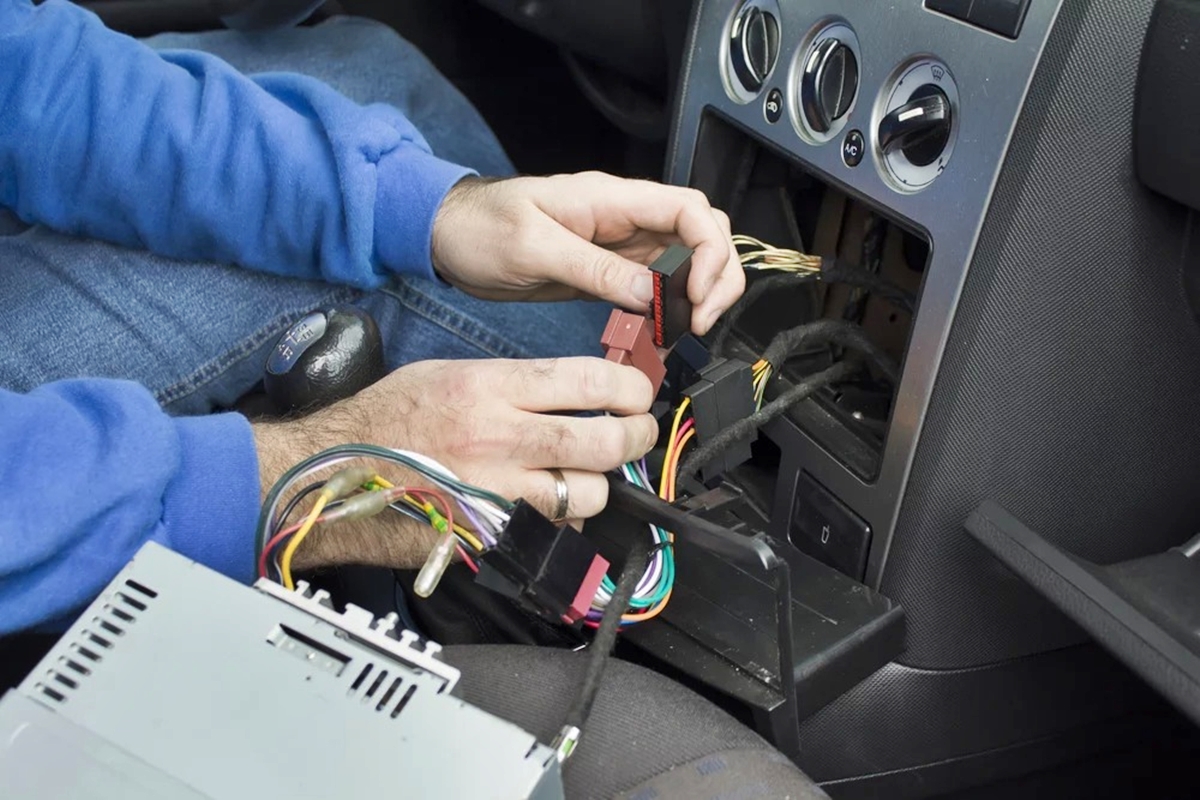
Commence the examination by identifying the wiring associated with the dashboard lights. This may involve accessing the vehicle’s electrical system diagram to pinpoint the specific wires responsible for supplying power to the dashboard lights. Once the relevant wiring is located, visually inspect it for any visible signs of wear, fraying, or damage.
Utilize a multimeter to test the continuity of the wiring, ensuring that electrical current can flow through the entire length of the wires without interruption. This process involves probing the wires at various points to verify that the electrical circuit remains unbroken and that the wiring is effectively conducting electricity.
Furthermore, check for any loose or disconnected wiring connections that may impede the flow of electrical current to the dashboard lights. Ensure that all connections are secure and free from corrosion or debris that could inhibit the transmission of electricity.
If any damaged or compromised wiring is identified during the inspection, it is imperative to address the issue promptly. Depending on the extent of the damage, this may involve repairing the affected wiring by splicing and soldering, or replacing the damaged sections entirely to ensure a reliable electrical connection.
Once the necessary repairs or replacements have been undertaken, carefully reassemble any components or panels that were removed to access the wiring. With the wiring now meticulously examined and, if required, restored to optimal condition, the next step is to verify whether the dashboard lights illuminate as expected.
By meticulously examining and, if necessary, repairing or replacing the wiring, one can effectively eliminate this potential cause of the dashboard lights malfunctioning. However, should the issue persist, it becomes imperative to proceed with further diagnostic measures to identify the underlying source of the problem.
Verifying the Dashboard Ground Connection
When troubleshooting the perplexing issue of a dashboard that remains unlit despite a fully functional battery, one crucial yet often overlooked component to inspect is the dashboard’s ground connection. The ground connection serves as the pathway for the electrical current to return to the vehicle’s battery, completing the circuit and enabling the dashboard lights to illuminate.
To commence the verification process, identify the grounding point for the dashboard lights. This may involve consulting the vehicle’s manual or electrical system diagram to pinpoint the specific location where the ground wire connects to the vehicle’s chassis or frame.
Once the grounding point is located, visually inspect the ground wire for any signs of corrosion, wear, or damage that may impede the flow of electrical current. Ensure that the connection is secure and free from any debris or rust that could inhibit the transmission of electricity.
Using a multimeter set to measure continuity, test the ground connection to verify that it effectively provides a pathway for the electrical current to return to the vehicle’s battery. This involves probing the ground wire and a known good ground point while the vehicle’s electrical system is activated, ensuring that the multimeter registers continuity, indicating an unobstructed flow of electricity.
If the ground connection exhibits signs of wear, corrosion, or fails the continuity test, it is imperative to address the issue promptly. This may involve cleaning the connection point to remove any corrosion or debris, or replacing the ground wire entirely to ensure a reliable electrical pathway.
Once the necessary repairs or replacements have been undertaken, carefully reassemble any components or panels that were removed to access the ground connection. With the ground connection now meticulously verified and, if required, restored to optimal condition, the next step is to verify whether the dashboard lights illuminate as expected.
By meticulously verifying and, if necessary, repairing or replacing the ground connection, one can effectively eliminate this potential cause of the dashboard lights malfunctioning. However, should the issue persist, it becomes imperative to proceed with further diagnostic measures to identify the underlying source of the problem.